Tag: age

  • How Cervical Mucus Changes with Age

    Blog Post: How Cervical Mucus Changes with Age

    Cervical mucus is a fluid secreted by the cervix, the lower part of the uterus, which plays a crucial role in a woman’s reproductive health. It helps to keep the vagina clean and moist, and also plays a vital role in facilitating pregnancy by nourishing and protecting the sperm as it travels towards the egg. However, many women do not realize that the quality and quantity of cervical mucus can change with age, and this can have significant implications for their fertility and overall health. In this blog post, we will explore the changes that occur in cervical mucus as women age and how it can impact their reproductive health.

    In a woman’s reproductive years, her cervical mucus goes through a monthly cycle, just like her menstrual cycle. This cycle is influenced by hormones, primarily estrogen and progesterone, which are responsible for regulating the thickness, texture, and amount of cervical mucus produced. In the first half of the menstrual cycle, estrogen levels rise, causing the cervical mucus to become thin, clear, and stretchy, resembling raw egg whites. This type of mucus, known as fertile cervical mucus, is considered to be the most conducive for sperm survival and movement. As ovulation approaches, the estrogen levels peak, and the mucus becomes even more slippery and stretchy, allowing sperm to swim more easily towards the egg. After ovulation, progesterone takes over, causing the mucus to become thicker and less hospitable to sperm.

    However, as women age, the hormonal changes that occur in their bodies can cause changes in cervical mucus production. One of the most significant changes is a decrease in the amount of cervical mucus produced. This is because the number of follicles (small sacs in the ovaries that contain eggs) declines with age, resulting in lower levels of estrogen. As a result, the cervical mucus may become thinner, drier, and less stretchy, making it difficult for sperm to survive and reach the egg. This can make it harder for women to conceive naturally, as the sperm may not be able to survive long enough to fertilize the egg.

    Another change that occurs in cervical mucus with age is its pH levels. In a woman’s reproductive years, the cervical mucus is more alkaline, which is essential for sperm survival. However, as women enter perimenopause (the transitional phase before menopause), the pH levels of the cervical mucus become more acidic. This can make it difficult for sperm to survive and swim towards the egg, further reducing the chances of natural conception.

    pregnancy test kit with instructions, test device, and packaging on a white background

    How Cervical Mucus Changes with Age

    Furthermore, as women enter perimenopause and menopause, the levels of estrogen and progesterone in their bodies decline significantly. This can cause the cervical mucus to become thicker and less hospitable to sperm, making it harder for them to reach the egg. In some cases, the cervical mucus may also become more watery, which can make it difficult for sperm to travel towards the egg. These changes in cervical mucus can also lead to vaginal dryness, making sexual intercourse uncomfortable and potentially impacting a woman’s sex life.

    Apart from its impact on fertility, changes in cervical mucus with age can also affect a woman’s overall reproductive health. As the mucus becomes thicker and less hospitable to sperm, it can also trap bacteria, leading to an increased risk of infections such as bacterial vaginosis. Vaginal dryness can also make a woman more susceptible to urinary tract infections and even increase the risk of sexually transmitted infections. Therefore, it is essential for women to pay attention to the changes in their cervical mucus and seek medical advice if they notice any significant differences.

    In conclusion, cervical mucus plays a critical role in a woman’s reproductive health, and its quality and quantity can change with age. As women enter perimenopause and menopause, the decrease in estrogen and progesterone levels can lead to changes in the amount, texture, and pH levels of cervical mucus, making it less hospitable to sperm and increasing the risk of infections. Therefore, it is crucial for women to be aware of these changes and seek medical advice if they have any concerns about their cervical mucus.

    Summary:

    Cervical mucus is a fluid secreted by the cervix, which plays a crucial role in a woman’s reproductive health. It helps to keep the vagina clean and moist, and also facilitates pregnancy. However, as women age, the hormonal changes in their bodies can cause changes in cervical mucus production. These changes include a decrease in the amount of mucus, changes in pH levels, and changes in texture, which can make it harder for sperm to survive and reach the egg. These changes can also increase the risk of infections and impact a woman’s overall reproductive health. Therefore, it is essential for women to be aware of these changes and seek medical advice if needed.


  • The Impact of Age on Cervical Mucus Production and Fertility

    Cervical mucus, also known as cervical fluid, is a clear or whitish substance produced by the cervix that plays a crucial role in fertility. This mucus changes in consistency and amount throughout the menstrual cycle and is influenced by various factors such as age, hormones, and overall health. In this blog post, we will explore the impact of age on cervical mucus production and how it affects fertility.

    What is Cervical Mucus and Its Role in Fertility?

    Before we delve into the relationship between age and cervical mucus, let’s first understand what cervical mucus is and its role in fertility. Cervical mucus is a fluid produced by the cervix that serves as a protective barrier for the reproductive organs. It also helps transport sperm to the egg during ovulation and nourishes and protects sperm as they travel through the reproductive tract. Cervical mucus also plays a vital role in filtering out abnormal or unhealthy sperm, ensuring only the healthiest ones reach the egg.

    Cervical Mucus Changes Throughout the Menstrual Cycle

    Cervical mucus production is influenced by the fluctuations of female hormones throughout the menstrual cycle. In the first half of the cycle, when estrogen levels are high, the cervix produces a large amount of thin and stretchy mucus. This type of mucus, also known as fertile cervical mucus, is ideal for sperm to swim through and reach the egg. As ovulation approaches, the amount of cervical mucus increases, and its consistency becomes more transparent and elastic.

    After ovulation, the level of estrogen decreases, and the hormone progesterone takes over. Progesterone causes the cervical mucus to become thicker and less stretchy, acting as a barrier to prevent sperm from entering the uterus. If fertilization does not occur, the cervical mucus will eventually dry up, and the cycle will start anew.

    The Impact of Age on Cervical Mucus Production

    As women age, their fertility declines, and so does the quality and quantity of cervical mucus. This is due to several factors such as hormonal changes, decreased egg quality, and changes in the cervix itself. Let’s explore each of these factors in detail:

    Hormonal Changes: As women approach menopause, their hormone levels begin to fluctuate, leading to irregular menstrual cycles. This hormonal imbalance can affect cervical mucus production, resulting in a decrease in the amount and quality of fertile cervical mucus.

    Decreased Egg Quality: As women age, the quality of their eggs also declines. This can impact the production of fertile cervical mucus, as the egg quality is closely linked to estrogen levels. As the quality of the egg decreases, so does the amount and quality of cervical mucus.

    Changes in the Cervix: The cervix itself undergoes changes as women age. As a woman approaches menopause, the cervix becomes less elastic, and the cervical glands that produce mucus begin to shrink. This can result in a decrease in the amount and quality of cervical mucus.

    mosie baby logo featuring a heart and leaves in blue, pink, and green colors.

    The Impact of Age on Cervical Mucus Production and Fertility

    The Impact of Age on Fertility

    The decline in cervical mucus production with age can have a significant impact on fertility. As mentioned earlier, fertile cervical mucus is crucial for sperm to reach the egg and for fertilization to occur. Therefore, a decrease in the amount and quality of cervical mucus can make it more challenging for sperm to reach the egg, reducing the chances of conception.

    Moreover, as women age, the quality of their eggs also declines, making it more difficult to get pregnant. The combination of decreased cervical mucus production and decreased egg quality can significantly impact a woman’s fertility, making it more challenging to conceive naturally.

    Improving Cervical Mucus Production and Fertility

    While age-related changes in cervical mucus production cannot be reversed, there are several ways to improve fertility. These include:

    1. Staying Hydrated: Drinking plenty of water can help improve cervical mucus production. Dehydration can lead to thicker and stickier cervical mucus, making it more difficult for sperm to reach the egg.

    2. Taking Fertility Supplements: Certain supplements, such as folic acid, vitamin B6, and omega-3 fatty acids, can help improve cervical mucus production and overall fertility.

    3. Using Fertility-Friendly Lubricants: Some lubricants can hinder sperm movement, making it more difficult for them to reach the egg. It is essential to use fertility-friendly lubricants if needed to improve the chances of conception.

    4. Seeking Medical Help: If you have been trying to conceive for over a year without success, it is essential to seek medical help. A fertility specialist can evaluate your fertility and provide treatments to improve your chances of getting pregnant.

    In summary, cervical mucus production is influenced by age, hormones, and overall health. As women age, the quantity and quality of cervical mucus decrease, affecting their fertility. However, there are ways to improve cervical mucus production and overall fertility, which can increase the chances of conception.

    In conclusion, age can have a significant impact on cervical mucus production and fertility. As women age, the decline in hormone levels and changes in the cervix can lead to a decrease in fertile cervical mucus, making it more challenging to conceive. However, by understanding these changes and taking steps to improve fertility, women can increase their chances of getting pregnant.

  • The Impact of Age on Cervical Mucus and Hormonal Health

    Blog Post: The Impact of Age on Cervical Mucus and Hormonal Health

    As women age, they experience many changes to their bodies, including changes to their reproductive system. One aspect of this is the impact of age on cervical mucus and hormonal health. Cervical mucus is a natural fluid produced by the cervix that helps to protect and nourish sperm, as well as facilitate the movement of sperm towards the egg during ovulation. Hormones play a crucial role in the production of cervical mucus, and as women age, their hormone levels can change, affecting the quantity and quality of their cervical mucus. In this blog post, we will explore the impact of age on cervical mucus and hormonal health, and what women can do to maintain optimal reproductive health as they age.

    The Role of Cervical Mucus in Reproduction

    Before we dive into the impact of age on cervical mucus, let’s first understand its role in reproduction. Cervical mucus is produced by the cervix, which is the narrow passage between the uterus and the vagina. The consistency and amount of cervical mucus varies throughout a woman’s menstrual cycle, and it is closely related to the levels of estrogen and progesterone in the body.

    During the first half of the menstrual cycle, also known as the follicular phase, estrogen levels rise, causing the cervical mucus to become clear, thin, and stretchy. This type of mucus, known as fertile cervical mucus, helps to create a favorable environment for sperm to survive and swim towards the egg. As a result, this is the best time for a woman to conceive. After ovulation occurs, progesterone levels rise, causing the cervical mucus to become thick, sticky, and opaque, making it difficult for sperm to travel to the egg. This is known as infertile cervical mucus and is necessary for preventing sperm from entering the uterus when there is no egg present.

    The Impact of Age on Cervical Mucus

    As women age, their hormone levels naturally begin to decline. This starts in their late 20s and early 30s and continues into menopause, which typically occurs in the late 40s to early 50s. The decline in hormone levels can have a significant impact on cervical mucus production and quality.

    In younger women, fertile cervical mucus is typically produced in abundance, providing a supportive environment for sperm to swim towards the egg. However, as women approach menopause, their cervical mucus production decreases, and the mucus may become thicker and less hospitable to sperm. This can make it more challenging to conceive, as the sperm may struggle to reach and fertilize the egg.

    Furthermore, hormonal changes can also affect the quality of cervical mucus. Estrogen is responsible for producing fertile cervical mucus, and as its levels decline, the mucus may become less stretchy and less conducive to sperm survival. This can increase the chances of sperm being unable to survive long enough to fertilize an egg.

    Hormonal Imbalances and Cervical Mucus

    blue box with "mosie" logo, syringes, and informational pamphlet on a pink background

    The Impact of Age on Cervical Mucus and Hormonal Health

    Aside from the natural decline in hormone levels with age, hormonal imbalances can also have a significant impact on cervical mucus production and quality. Hormonal imbalances can occur at any age and can be caused by a variety of factors, including stress, diet, medication, and certain medical conditions.

    One of the most common hormonal imbalances that can affect cervical mucus is polycystic ovary syndrome (PCOS). In women with PCOS, the body produces higher levels of androgens, such as testosterone, and lower levels of estrogen and progesterone. This can lead to irregular menstrual cycles and a decrease in fertile cervical mucus, making it more challenging to conceive.

    Maintaining Optimal Cervical Mucus Production and Hormonal Health

    While age and hormonal imbalances can have a significant impact on cervical mucus and hormonal health, there are steps that women can take to maintain optimal reproductive health as they age. These include:

    1. Charting cervical mucus: By tracking the consistency and amount of cervical mucus throughout the menstrual cycle, women can gain a better understanding of their fertility and identify any changes that may need to be addressed.

    2. Maintaining a healthy diet: A balanced and nutritious diet can help to regulate hormone levels and support cervical mucus production. Foods rich in omega-3 fatty acids, such as salmon and chia seeds, can also help to improve cervical mucus quality.

    3. Managing stress: Chronic stress can disrupt hormone levels and impact the production of fertile cervical mucus. Finding ways to manage stress, such as through exercise, meditation, or therapy, can help to maintain hormonal balance.

    4. Seeking medical treatment: If a woman is struggling with hormonal imbalances or fertility issues, it is important to seek medical treatment. A doctor may prescribe medication or recommend lifestyle changes to help regulate hormone levels and improve cervical mucus production.

    Summary:

    As women age, their reproductive systems undergo many changes, including changes to cervical mucus and hormonal health. Cervical mucus plays a vital role in reproduction, and hormone levels are closely linked to its production and quality. As women approach menopause, their hormone levels decline, which can lead to a decrease in cervical mucus production and changes in its quality. Hormonal imbalances can also affect cervical mucus, making it more difficult to conceive. To maintain optimal cervical mucus production and hormonal health, women can track their mucus, maintain a healthy diet, manage stress, and seek medical treatment if needed.

  • The Impact of Age on Cervical Mucus Levels and Fertility

    Blog Post:

    When it comes to fertility, there are many factors that can affect a woman’s ability to conceive. One important factor that is often overlooked is the impact of age on cervical mucus levels. Cervical mucus, also known as cervical fluid, plays a crucial role in fertility and can greatly influence a woman’s chances of getting pregnant. In this blog post, we will explore the relationship between age and cervical mucus levels, and how it can impact a woman’s fertility.

    What is Cervical Mucus?

    Before we dive into the impact of age on cervical mucus levels, it’s important to first understand what cervical mucus is and its role in fertility. Cervical mucus is a fluid produced by the cervix, the opening of the uterus. It serves as a protective barrier for the uterus and helps to keep sperm alive and healthy as they make their way through the reproductive tract. Cervical mucus also plays a crucial role in facilitating fertilization by guiding and nourishing sperm towards the egg.

    The consistency and texture of cervical mucus can vary throughout a woman’s menstrual cycle, depending on the levels of estrogen and progesterone in her body. At the beginning of the cycle, when estrogen levels are low, cervical mucus tends to be thick and sticky, making it difficult for sperm to penetrate. As ovulation approaches, estrogen levels rise, causing the cervical mucus to become thinner and more stretchy, creating a more hospitable environment for sperm to travel through. After ovulation, when progesterone levels rise, the cervical mucus becomes thick and sticky again, forming a barrier to prevent sperm from entering the uterus.

    The Impact of Age on Cervical Mucus Levels

    As women age, their fertility naturally declines due to a decrease in the number and quality of their eggs. But what many women don’t realize is that age can also have a significant impact on their cervical mucus levels, making it harder for them to conceive. The quality and quantity of cervical mucus can decline as a woman gets older, leading to difficulties with sperm transport and fertilization.

    In their 20s and early 30s, most women have an abundance of fertile cervical mucus, making it easier for sperm to reach the egg. However, as women approach their late 30s and 40s, their cervical mucus levels start to decline. This is due to a decrease in estrogen levels, which can lead to a decrease in the amount and quality of cervical mucus. As a result, sperm may have a harder time reaching the egg, and even if fertilization does occur, the quality of the cervical mucus may not be sufficient to nourish and support the developing embryo.

    The Role of Cervical Mucus in Fertility

    sperm-ready insemination kit with a syringe and container, featuring a screw top lid and non-tip safety wall

    The Impact of Age on Cervical Mucus Levels and Fertility

    Cervical mucus is essential for fertility, as it not only helps sperm reach the egg but also provides a nourishing environment for the developing embryo. The quality and quantity of cervical mucus can also affect the success of fertility treatments such as intrauterine insemination (IUI) and in vitro fertilization (IVF). In fact, studies have shown that women with poor cervical mucus production have lower success rates with these treatments.

    Furthermore, cervical mucus can also act as a natural barrier to protect the uterus from harmful bacteria and viruses. In women with low levels of cervical mucus, this protective barrier is weakened, making them more susceptible to infections that can affect their fertility.

    Improving Cervical Mucus Levels

    While age can have a significant impact on cervical mucus levels, there are steps that women can take to improve their fertility. Staying hydrated is crucial for maintaining healthy cervical mucus, so it’s important to drink plenty of water throughout the day. Consuming foods rich in omega-3 fatty acids, such as salmon, avocados, and nuts, can also help to increase cervical mucus production.

    In some cases, women may also benefit from using fertility-friendly lubricants to supplement their cervical mucus. These lubricants are specifically designed to mimic the natural qualities of cervical mucus and help sperm reach the egg more easily. However, it’s important to note that not all lubricants are fertility-friendly, and some may actually hinder sperm movement and decrease fertility.

    In addition to lifestyle changes and using fertility-friendly lubricants, women may also consider consulting with a fertility specialist if they are having trouble conceiving. A fertility specialist can assess the quality and quantity of cervical mucus and provide personalized recommendations or treatments to improve fertility.

    Conclusion

    In conclusion, age can have a significant impact on cervical mucus levels, which can in turn affect a woman’s fertility. As women age, their cervical mucus production decreases, making it harder for sperm to reach the egg and resulting in lower fertility rates. However, there are steps that women can take to improve their cervical mucus levels and increase their chances of conceiving. Staying hydrated, consuming omega-3 fatty acids, and using fertility-friendly lubricants can all help to improve cervical mucus production. And for those struggling with fertility, seeking the guidance of a fertility specialist can also be beneficial.

    Summary:

    Cervical mucus, also known as cervical fluid, plays a crucial role in fertility by helping sperm reach the egg and providing a nourishing environment for the developing embryo. As women age, their cervical mucus levels naturally decline, making it harder for them to conceive. This is due to a decrease in estrogen levels, which can lead to a decrease in the amount and quality of cervical mucus. Poor cervical mucus production can also affect the success of fertility treatments and make women more susceptible to infections. However, there are steps that women can take to improve their cervical mucus levels, such as staying hydrated, consuming omega-3 fatty acids, and using fertility-friendly lubricants. Consulting with a fertility specialist can also provide personalized recommendations and treatments to improve fertility.

  • Age and Cervical Mucus: Key Factors for Conception

    Blog Post:

    Conception is an exciting and life-changing journey for couples who are trying to start a family. While it may seem like a simple process, there are many factors that play a role in the success of conception. One of the key factors is a woman’s age and cervical mucus.

    Age and cervical mucus are important factors in conception because they directly affect a woman’s fertility. As women age, their fertility declines due to a decrease in the quality and quantity of their eggs. This decline in fertility starts as early as the mid-30s and continues to decrease as a woman reaches her 40s. This makes it more difficult for women to conceive naturally and can lead to longer periods of trying to conceive.

    But why does age affect fertility? The answer lies in a woman’s ovarian reserve. Ovarian reserve refers to the number of eggs a woman has left in her ovaries. As women age, their ovarian reserve decreases, leading to a decline in the quality and quantity of their eggs. This makes it harder for the egg to be fertilized by sperm, resulting in lower chances of conception.

    Another key factor in conception is cervical mucus. Cervical mucus is a fluid produced by the cervix that plays a vital role in conception. It acts as a protective barrier for sperm, providing them with the nutrients and environment they need to survive and reach the egg. It also helps to filter out abnormal or unhealthy sperm, ensuring that only the healthiest sperm have a chance to fertilize the egg.

    The quality and quantity of cervical mucus vary throughout a woman’s menstrual cycle. During the first half of the cycle, the cervical mucus is thick and sticky, making it difficult for sperm to swim through. But as a woman approaches ovulation, the cervical mucus becomes thinner and more watery, creating a hospitable environment for sperm to travel through. This is known as fertile cervical mucus and is a key indicator of a woman’s peak fertility.

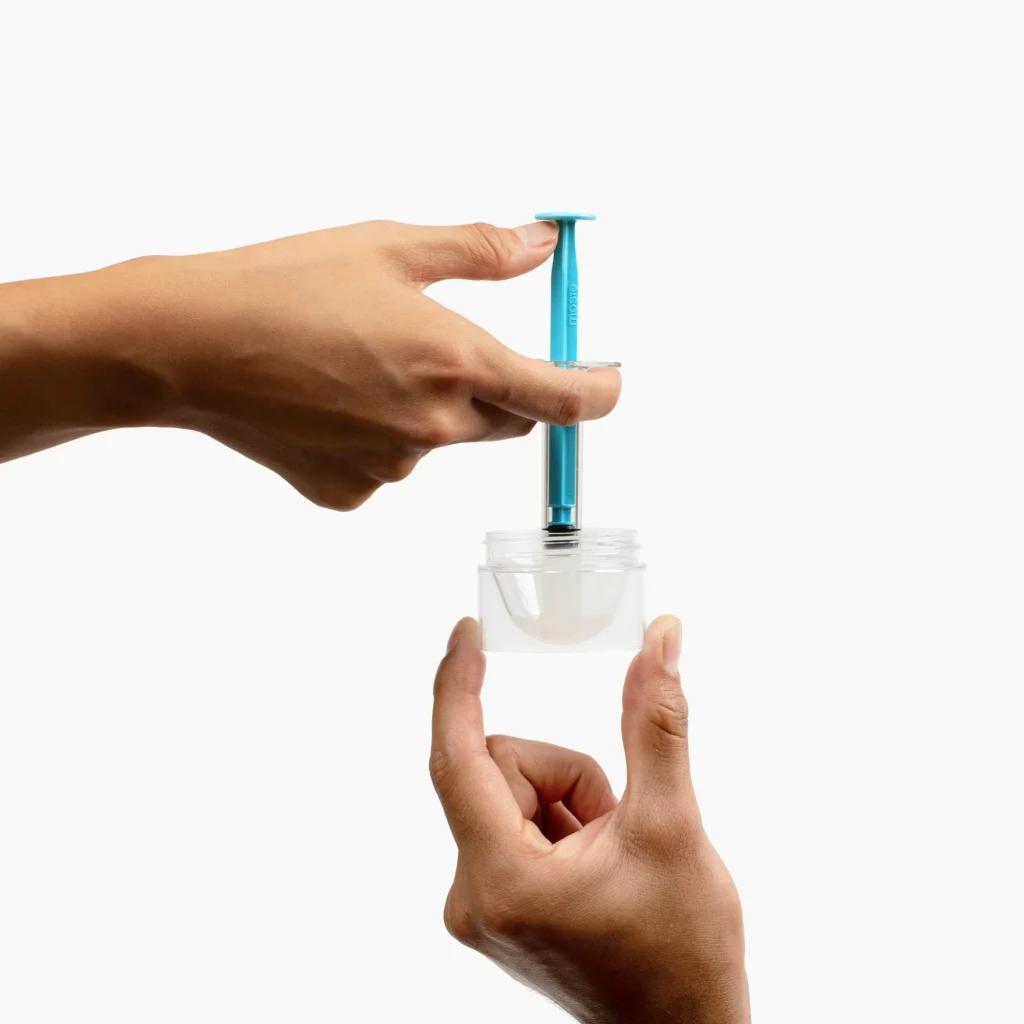
    hands using a blue syringe to extract contents from a clear container for a home insemination kit

    Age and Cervical Mucus: Key Factors for Conception

    So, how do age and cervical mucus come together in the journey towards conception? As women age, their cervical mucus also changes. It becomes thicker and more acidic, making it difficult for sperm to survive and reach the egg. This, combined with a decline in egg quality and quantity, makes it harder for women to conceive as they get older.

    However, there are steps women can take to improve their chances of conception, regardless of their age. The first step is to track ovulation using methods such as basal body temperature charting or ovulation predictor kits. This will help women determine their most fertile days and time intercourse accordingly.

    Women can also improve the quality and quantity of their cervical mucus by staying hydrated and maintaining a healthy diet. Drinking plenty of water and consuming foods rich in antioxidants, such as fruits and vegetables, can help improve cervical mucus production. Additionally, avoiding habits such as smoking and excessive alcohol consumption can also improve cervical mucus quality.

    In some cases, women may need assistance from fertility treatments to improve their chances of conception. Intrauterine insemination (IUI) and in vitro fertilization (IVF) are two common fertility treatments that can help women with age-related fertility issues. IUI involves placing specially prepared sperm directly into the uterus, bypassing the cervical mucus, while IVF involves fertilizing the egg with sperm in a laboratory setting and then transferring the embryo into the uterus.

    In conclusion, age and cervical mucus are key factors in conception. As women age, their fertility declines, and their cervical mucus changes, making it harder for them to conceive naturally. However, by tracking ovulation, maintaining a healthy lifestyle, and seeking fertility treatments if needed, women can improve their chances of conception and fulfill their dream of starting a family.

    Summary:

    Age and cervical mucus play important roles in conception. As women age, their fertility declines due to a decrease in egg quality and quantity. This, combined with changes in cervical mucus, makes it harder for women to conceive naturally. However, by tracking ovulation, maintaining a healthy lifestyle, and seeking fertility treatments if needed, women can improve their chances of conception and fulfill their dream of starting a family.

  • The Connection Between Age and Cervical Mucus Quality

    Blog Post:

    Cervical mucus is a natural fluid produced by the cervix that plays a crucial role in fertility and overall reproductive health. It serves as a protective barrier for sperm, helps to nourish and transport them towards the egg, and also acts as an indicator of a woman’s fertility status. Many factors can affect the quality of cervical mucus, including age. In this blog post, we will explore the connection between age and cervical mucus quality and how it can impact a woman’s fertility.

    As women age, their bodies go through various changes, including hormonal fluctuations. These changes can significantly impact the quality and quantity of cervical mucus. The production of cervical mucus is directly influenced by estrogen, a hormone that plays a crucial role in a woman’s reproductive cycle. During ovulation, estrogen levels peak, causing an increase in cervical mucus production. This fertile quality mucus is known as “egg white cervical mucus” due to its clear, stretchy, and slippery consistency that resembles raw egg whites.

    In younger women, estrogen levels are typically more consistent, leading to the production of high-quality cervical mucus throughout the menstrual cycle. However, as women age, their estrogen levels start to decline, which can affect the quality and quantity of cervical mucus. This decline in estrogen levels can result in drier, thicker, and less fertile mucus, making it more difficult for sperm to reach the egg.

    Moreover, as women approach menopause, the production of cervical mucus decreases significantly, leading to a lack of fertile mucus altogether. This can make it challenging for women to conceive naturally, as sperm may not be able to survive in the hostile environment of the vagina without the nourishment and protection provided by cervical mucus.

    at-home insemination kit by Mosie Baby, featuring syringes and containers for comfort and convenience.

    The Connection Between Age and Cervical Mucus Quality

    Aside from hormonal changes, age can also affect the overall quality of cervical mucus due to various lifestyle factors. As women age, their bodies may become more susceptible to stress, which can impact hormone levels and, in turn, affect mucus production. Additionally, smoking, alcohol consumption, and poor diet can also contribute to a decline in cervical mucus quality.

    It is essential for women to pay attention to their cervical mucus quality, especially as they age and approach menopause. Monitoring the changes in cervical mucus throughout the menstrual cycle can provide valuable insights into a woman’s fertility status. For example, if a woman in her 20s notices a sudden change in the quality or quantity of her cervical mucus, it may indicate an underlying health issue that needs to be addressed, such as an infection or hormonal imbalance. On the other hand, if a woman in her late 30s or 40s experiences a decline in cervical mucus, it could be a sign of perimenopause or menopause.

    Furthermore, understanding the connection between age and cervical mucus quality can also help women who are trying to conceive. For those in their 20s and early 30s, tracking changes in cervical mucus can help pinpoint the most fertile days of the menstrual cycle, increasing the chances of conception. For women in their late 30s and 40s, monitoring cervical mucus can help them determine if they are still ovulating and if their mucus quality is sufficient for sperm to survive and fertilize an egg.

    In conclusion, age plays a crucial role in the quality and quantity of cervical mucus. As women age, their hormone levels change, leading to a decline in mucus production and quality. This can make it more difficult for sperm to reach the egg, impacting a woman’s fertility. It is essential for women to monitor their cervical mucus throughout their reproductive years and consult with a healthcare professional if they notice any significant changes. Understanding the connection between age and cervical mucus quality can provide valuable insights into a woman’s reproductive health and help her make informed decisions about her fertility.

    Summary:

    Cervical mucus is a natural fluid produced by the cervix that plays a vital role in fertility. As women age, their hormone levels change, leading to a decline in mucus production and quality. This can make it more challenging for sperm to reach the egg, impacting a woman’s fertility. Various lifestyle factors, such as stress, smoking, and poor diet, can also affect cervical mucus quality. Monitoring changes in cervical mucus throughout the menstrual cycle can provide valuable insights into a woman’s fertility status and help with conception. Understanding the connection between age and cervical mucus quality is essential for women to maintain their reproductive health.

  • Age and Cervical Mucus: Tips for Increasing Fertility

    Blog Post: Age and Cervical Mucus: Tips for Increasing Fertility

    Age is an important factor to consider when it comes to fertility. As women get older, their chances of getting pregnant decrease significantly. This is due to a number of reasons, including a decline in the quantity and quality of eggs, hormonal changes, and changes in cervical mucus. Cervical mucus plays a crucial role in fertility and can greatly affect a woman’s chances of getting pregnant. In this blog post, we will discuss the relationship between age and cervical mucus, and provide tips for increasing fertility.

    Understanding the Role of Cervical Mucus

    Cervical mucus, also known as cervical fluid, is a natural secretion produced by the cervix. It plays a vital role in the reproductive process, as it helps sperm travel through the cervix and into the uterus. Cervical mucus also helps filter out any abnormal or unhealthy sperm, increasing the chances of a healthy pregnancy.

    The consistency and quality of cervical mucus change throughout a woman’s menstrual cycle. This is due to hormonal fluctuations that occur during different phases of the cycle. For example, during ovulation, the cervical mucus becomes thinner and more watery, making it easier for sperm to travel through. On the other hand, during non-fertile days, the mucus becomes thicker and more acidic, making it difficult for sperm to survive.

    Age and Cervical Mucus

    As women age, their cervical mucus also changes. This is mainly due to hormonal changes that occur as women approach menopause. As a woman gets closer to menopause, her estrogen levels decrease, resulting in less fertile cervical mucus. This means that the mucus becomes thicker and less hospitable for sperm, making it harder to get pregnant.

    Furthermore, age also affects the quantity of cervical mucus. As women get older, they produce less mucus, which can make it more difficult for sperm to travel through the cervix. This can significantly decrease a woman’s chances of getting pregnant.

    Tips for Increasing Fertility

    1. Know Your Fertile Window

    One of the most important tips for increasing fertility is to know your fertile window. This refers to the days in your menstrual cycle when you are most likely to get pregnant. This is typically a 5-day window that includes the day of ovulation and the four days leading up to it. By tracking your menstrual cycle and understanding when you are most fertile, you can time intercourse to increase your chances of getting pregnant.

    2. Monitor Your Cervical Mucus

    at-home insemination kit by Mosie Baby, featuring syringes and containers for comfort and convenience.

    Age and Cervical Mucus: Tips for Increasing Fertility

    Monitoring your cervical mucus can give you valuable insights into your fertility. By tracking the changes in the consistency and quality of your mucus, you can identify when you are most fertile. As mentioned earlier, during ovulation, the mucus becomes thinner and more watery, resembling the consistency of egg whites. This is the ideal type of mucus for sperm to travel through. By paying attention to these changes, you can better time intercourse during your fertile window.

    3. Stay Hydrated

    Drinking plenty of water is essential for maintaining healthy cervical mucus. When a woman is dehydrated, the mucus can become thicker and less hospitable for sperm. This can decrease the chances of getting pregnant. Make sure to drink at least 8 glasses of water a day to ensure that your cervical mucus is of good quality.

    4. Consider Fertility Supplements

    There are several supplements on the market that claim to improve cervical mucus and increase fertility. These supplements contain ingredients like evening primrose oil, which is believed to help thin out cervical mucus. While there is limited scientific evidence to support the effectiveness of these supplements, many women have reported positive results. However, it is important to consult with your doctor before taking any supplements.

    5. Quit Smoking

    Smoking can have a negative impact on fertility and cervical mucus. It can decrease the production of cervical mucus and make it thicker, making it difficult for sperm to travel through. Quitting smoking can not only improve your overall health but also increase your chances of getting pregnant.

    6. Seek Medical Help

    If you have been trying to get pregnant for over a year without success, it may be time to seek medical help. A fertility specialist can help identify any underlying issues that may be affecting your fertility, including problems with cervical mucus. They can also provide treatments or medications to improve the quality and quantity of your mucus.

    In conclusion, age and cervical mucus are closely linked, and understanding this relationship is crucial for increasing fertility. By knowing your fertile window, monitoring your cervical mucus, staying hydrated, considering supplements, quitting smoking, and seeking medical help, you can improve your chances of getting pregnant. Remember to be patient and stay positive, as fertility can be a complex and emotional journey.

    Summary:

    Age can greatly affect a woman’s fertility, and this is due in part to changes in cervical mucus. Cervical mucus plays a crucial role in fertility by helping sperm travel through the cervix and into the uterus. As women get older, their cervical mucus becomes less fertile, making it more difficult to get pregnant. To increase fertility, it is important to know your fertile window, monitor your cervical mucus, stay hydrated, consider fertility supplements, quit smoking, and seek medical help if needed.

  • Cervical Mucus and Age: Strategies for Improving Fertility

    Blog Post:

    Cervical mucus, also known as cervical fluid, is a natural and important part of the female reproductive system. It plays a vital role in fertility by helping sperm reach and fertilize an egg. However, as women age, their cervical mucus can change, leading to difficulties in conceiving. In this blog post, we will discuss the relationship between cervical mucus and age, and strategies for improving fertility.

    Understanding Cervical Mucus:

    To understand the impact of age on cervical mucus, it is important to first understand what it is and its role in fertility. Cervical mucus is a fluid produced by the cervix, the opening of the uterus. Its consistency, color, and amount vary throughout the menstrual cycle, and these changes are influenced by hormones.

    During the fertile window, which is usually around the time of ovulation, cervical mucus becomes thin, slippery, and stretchy. This type of mucus, known as fertile cervical mucus, helps sperm swim through the cervix and into the uterus, increasing the chances of fertilization.

    Cervical Mucus and Age:

    As women age, their fertility declines, and their cervical mucus also changes. As a woman approaches menopause, her body produces less estrogen, the hormone responsible for producing fertile cervical mucus. This results in a decrease in the amount and quality of cervical mucus, making it more difficult for sperm to reach the egg.

    Additionally, as women age, the consistency of their cervical mucus may become thicker and stickier due to hormonal changes. This type of mucus is not conducive to sperm survival and mobility, further reducing the chances of conception.

    Strategies for Improving Fertility:

    While age-related changes in cervical mucus cannot be completely reversed, there are strategies that women can use to improve their fertility and increase their chances of conceiving.

    1. Tracking Cervical Mucus:

    sperm-ready insemination kit with a syringe and container, featuring a screw top lid and non-tip safety wall

    Cervical Mucus and Age: Strategies for Improving Fertility

    The first step in improving fertility is to track cervical mucus. By monitoring the changes in consistency and amount, women can identify their fertile window and time intercourse accordingly. This can be done by observing the mucus directly or using a fertility tracking app.

    2. Staying Hydrated:

    Drinking plenty of water helps to keep cervical mucus thin and slippery, making it easier for sperm to swim through. It is recommended to drink at least eight glasses of water per day to maintain adequate hydration.

    3. Taking Supplements:

    Certain supplements, such as vitamin C, grape seed extract, and evening primrose oil, have been shown to improve cervical mucus production and quality. It is important to consult with a healthcare provider before starting any supplements.

    4. Avoiding Certain Factors:

    Certain factors can negatively impact cervical mucus production and should be avoided. These include smoking, excessive caffeine and alcohol consumption, and certain medications.

    5. Seeking Medical Help:

    If a woman has been trying to conceive for over a year without success, it is recommended to seek medical help. A fertility specialist can help identify any underlying issues and provide appropriate treatment to improve fertility.

    In conclusion, cervical mucus plays a crucial role in fertility, and age-related changes in its production can make it more difficult for women to conceive. However, by tracking cervical mucus, staying hydrated, taking supplements, avoiding certain factors, and seeking medical help when needed, women can improve their chances of getting pregnant.

    Summary:

    Cervical mucus is a natural and essential part of the female reproductive system that helps sperm reach and fertilize an egg. However, as women age, their cervical mucus can change, making it more difficult for them to conceive. As a woman approaches menopause, her body produces less estrogen, resulting in a decrease in the amount and quality of cervical mucus. To improve fertility, women can track their cervical mucus, stay hydrated, take supplements, avoid certain factors, and seek medical help when needed.

  • Maximizing Fertility with Age and Cervical Mucus Production

    Blog Post Title: Maximizing Fertility with Age and Cervical Mucus Production

    Summary:

    Fertility is a topic that is often at the forefront of people’s minds, especially as they get older and start to think about starting a family. While age can play a significant role in fertility, there are also other factors that can impact a person’s ability to conceive. One essential factor that often gets overlooked is cervical mucus production.

    Cervical mucus is a fluid secreted by the cervix that plays a crucial role in the fertility process. It helps to create a hospitable environment for sperm to survive and travel to the egg, and it also helps to filter out any unhealthy or abnormal sperm. As we age, our cervical mucus production can change, affecting our fertility. In this blog post, we will explore the relationship between age, cervical mucus production, and how to maximize fertility.

    Impact of Age on Cervical Mucus Production:

    As we age, our bodies go through natural changes that can affect our fertility. For women, one of these changes is a decrease in the production of cervical mucus. This decrease in mucus production can make it harder for sperm to survive and reach the egg, making it more challenging to conceive.

    The quality of cervical mucus also changes with age. In younger women, cervical mucus tends to be more abundant, watery, and stretchy, making it easier for sperm to swim through. However, as women age, their mucus may become thicker and more acidic, making it more difficult for sperm to survive. This change in mucus quality can significantly impact a woman’s fertility, as the sperm may not be able to reach the egg and fertilize it.

    various medical supplies and containers organized in a clear plastic box on a wooden surface

    Maximizing Fertility with Age and Cervical Mucus Production

    Maximizing Cervical Mucus Production for Fertility:

    While age can play a role in cervical mucus production, there are ways to maximize mucus production and improve fertility chances. One crucial factor is hydration. Staying hydrated is essential for overall health, but it also affects cervical mucus production. When we are dehydrated, our cervical mucus can become thicker and less hospitable for sperm. Therefore, it is crucial to drink plenty of water to keep our bodies hydrated and maintain healthy mucus production.

    Another way to maximize cervical mucus production is through nutrition. Eating a balanced diet rich in vitamins and minerals can help improve overall health and fertility. Certain foods, such as leafy greens, avocados, and whole grains, can also help increase cervical mucus production. Additionally, taking supplements like omega-3 fatty acids and vitamin C can also help improve mucus quality.

    Timing is another crucial factor when it comes to maximizing cervical mucus production for fertility. The most fertile days in a woman’s menstrual cycle are the days leading up to and including ovulation. During these days, the cervical mucus is at its peak, making it easier for sperm to survive and reach the egg. Therefore, tracking ovulation and having intercourse during this time can increase the chances of conception.

    Cervical Mucus and Fertility Treatments:

    For those struggling with infertility, cervical mucus production is even more critical. Many fertility treatments, such as intrauterine insemination (IUI) and in vitro fertilization (IVF), rely on the presence of healthy and abundant cervical mucus to increase the chances of success. In these cases, supplements or medication may be prescribed to help improve mucus production.

    It is also essential to note that certain medications and medical conditions can affect cervical mucus production. For example, antihistamines, antidepressants, and birth control pills can all decrease mucus production. Women with conditions such as endometriosis, PCOS, or hormonal imbalances may also experience changes in their mucus production, leading to fertility issues.

    In conclusion, cervical mucus production is a crucial factor in maximizing fertility, and it can be affected by age, hydration, nutrition, and timing. By staying hydrated, eating a balanced diet, and tracking ovulation, individuals can improve their chances of conception. For those struggling with infertility, working with a fertility specialist can help identify any underlying issues and develop a treatment plan that includes maximizing cervical mucus production.

  • The Impact of Age on Cervical Mucus and Ovulation

    Blog Post:

    Cervical mucus and ovulation are two crucial elements in a woman’s menstrual cycle. They play a vital role in determining fertility and can greatly impact a woman’s chances of getting pregnant. But did you know that age can also affect cervical mucus and ovulation? As women age, their bodies go through various changes, and these changes can impact the quality and quantity of cervical mucus as well as ovulation. In this blog post, we will explore the impact of age on cervical mucus and ovulation and how it can affect a woman’s fertility.

    Understanding Cervical Mucus and Ovulation
    Before delving into the impact of age on cervical mucus and ovulation, let’s first understand what they are and their role in a woman’s fertility. Cervical mucus is a fluid produced by the cervix that helps to keep the reproductive system lubricated and healthy. It also serves as a protective barrier against bacteria and viruses, preventing them from entering the uterus and causing infections. Cervical mucus also plays a crucial role in fertility by helping sperm travel to the egg and keeping it alive for a longer time.

    On the other hand, ovulation is the process of the release of an egg from the ovary. It occurs in the middle of a woman’s menstrual cycle and is essential for conception. During ovulation, the egg travels down the fallopian tube, where it can meet sperm and get fertilized. If the egg is not fertilized, it will disintegrate, and the uterus will shed its lining, resulting in menstruation. Ovulation is a complex process that is controlled by hormones, and any disruption in this process can affect fertility.

    Impact of Age on Cervical Mucus
    Cervical mucus undergoes various changes throughout a woman’s life, and these changes can have a significant impact on fertility. During the reproductive years, the quality and quantity of cervical mucus are at its peak. The mucus is thick, sticky, and has a creamy consistency, making it easier for sperm to travel to the egg. This type of mucus is also known as fertile mucus and is considered to be the most conducive for conception.

    However, as women age, the quality and quantity of cervical mucus start to decline. This is because, with age, the production of estrogen, the hormone responsible for producing cervical mucus, decreases. As a result, the mucus becomes thinner, less abundant, and less sticky, making it difficult for sperm to survive and reach the egg. This can lead to difficulties in conceiving and may require medical intervention, such as fertility treatments, to help with conception.

    hand holding a syringe with a blue plunger against a solid blue background

    The Impact of Age on Cervical Mucus and Ovulation

    Impact of Age on Ovulation
    Similarly, age can also affect ovulation, which can impact a woman’s chances of getting pregnant. As women age, their bodies go through a natural decline in fertility, and this decline starts to accelerate in their late 30s and early 40s. This decline is primarily due to a decrease in the number and quality of eggs produced by the ovaries. As a woman approaches menopause, the ovaries no longer release eggs, resulting in the end of ovulation and menstruation.

    Moreover, with age, hormonal imbalances can occur, which can disrupt the ovulation process. The levels of follicle-stimulating hormone (FSH) and luteinizing hormone (LH) increase, while the levels of estrogen and progesterone decrease, making it difficult for the ovaries to release an egg. This can result in irregular or absent ovulation, making it challenging to predict when ovulation will occur, and therefore, making it harder to conceive.

    Age and Infertility
    The impact of age on cervical mucus and ovulation can lead to difficulties in conceiving and can increase the risk of infertility. According to research, a woman’s fertility starts to decline significantly in her late 30s and early 40s. After the age of 35, the number and quality of eggs decline, making it harder to get pregnant. This decline continues as a woman approaches menopause, and by the age of 45, the chances of getting pregnant naturally are less than 5%.

    Moreover, the quality of cervical mucus and ovulation also plays a significant role in fertility. As mentioned earlier, with age, the quality and quantity of cervical mucus and ovulation decrease, making it harder for sperm to reach the egg and fertilize it. This can lead to difficulties in conceiving and may require medical assistance, such as fertility treatments, to increase the chances of getting pregnant.

    Conclusion
    In conclusion, age can have a significant impact on cervical mucus and ovulation, which can affect a woman’s fertility and increase the risk of infertility. As women age, the quality and quantity of cervical mucus and ovulation decrease, making it harder for sperm to travel to the egg and fertilize it. This, combined with a natural decline in fertility, can make it challenging for women to conceive as they get older. However, with advancements in medical technology, there are various fertility treatments available for women who are struggling to conceive.

    In summary, age can greatly impact cervical mucus and ovulation, leading to difficulties in getting pregnant and increasing the risk of infertility. As women age, the quality and quantity of cervical mucus and ovulation decrease, making it harder for sperm to reach the egg and for women to conceive naturally. This highlights the importance of understanding the impact of age on these crucial elements in a woman’s menstrual cycle and seeking medical assistance if needed.