Tag: Coping Strategies

  • Habits of Emotionally Resilient Individuals

    In life, we all face challenges that can test our emotional resilience. Whether it’s a difficult relationship, a job loss, or a health issue, these experiences can be tough to handle. Emotionally resilient individuals, however, have the ability to bounce back from these challenges and emerge even stronger. They possess a set of habits and traits that allow them to navigate through tough times and maintain their emotional well-being. In this blog post, we will explore the habits of emotionally resilient individuals and how we can incorporate them into our own lives to build our own resilience.

    1. Acceptance and Self-Awareness
    Emotionally resilient individuals have a deep understanding of their own emotions. They are aware of their strengths and weaknesses and are able to accept themselves for who they are. This self-awareness allows them to recognize and acknowledge their feelings, which is the first step in being able to effectively cope with them. By accepting their emotions, they are not held back by them and can move forward in a more positive and productive manner.

    2. Positive Mindset
    Resilient individuals have a positive mindset, even in the face of adversity. Instead of dwelling on the negative, they focus on the positives in their life and look for ways to learn and grow from their experiences. They see challenges as opportunities for personal growth and are able to reframe negative situations into more positive ones. This positive mindset helps them to stay motivated and optimistic during difficult times.

    3. Effective Coping Strategies
    When faced with challenges, emotionally resilient individuals have healthy and effective coping strategies in place. This may include activities such as exercise, meditation, journaling, or talking to a trusted friend or therapist. These coping strategies help them to manage their stress and emotions in a healthy way, rather than turning to unhealthy coping mechanisms such as substance abuse or avoidance.

    4. Flexibility and Adaptability
    Resilient individuals are able to adapt to change and are flexible in their thinking. They understand that life is full of unexpected twists and turns, and they are able to adjust their plans and expectations accordingly. This flexibility allows them to bounce back quickly when faced with unexpected challenges and helps them to stay focused on their goals.

    5. Strong Support System
    Having a strong support system is crucial for building emotional resilience. Emotionally resilient individuals have a network of supportive relationships, whether it’s with family, friends, or a community group. They know they can turn to these individuals for help and support when needed. This support system provides them with a sense of belonging and reminds them that they are not alone in their struggles.

    logo featuring a pink heart above two teal leaves on a blue circular background

    Habits of Emotionally Resilient Individuals

    6. Self-Care
    Practicing self-care is essential for maintaining emotional resilience. Resilient individuals prioritize their physical, mental, and emotional well-being. This may include getting enough sleep, eating a healthy diet, and engaging in activities that bring them joy. They understand that they cannot pour from an empty cup and make self-care a priority in their daily lives.

    7. Embracing Change and Growth
    Emotionally resilient individuals see change as a natural part of life and are open to the process of personal growth. They are not afraid to step out of their comfort zones and try new things. They understand that change can be challenging, but it also brings new opportunities for learning and self-discovery. By embracing change and growth, they are able to adapt and thrive in new situations.

    8. Resilient Communication
    Effective communication is crucial for building and maintaining healthy relationships. Emotionally resilient individuals have strong communication skills and are able to express their thoughts and feelings in a constructive and assertive manner. They are also good listeners and are open to feedback and different perspectives. This helps them to build and maintain positive relationships, which in turn, strengthens their resilience.

    9. Practicing Gratitude
    Gratitude is a powerful tool for building emotional resilience. Emotionally resilient individuals are able to find gratitude in even the smallest things in life. They understand that there is always something to be thankful for, even in the midst of challenging times. Practicing gratitude helps them to maintain a positive mindset and perspective, even when things may seem bleak.

    10. Resilience is a Journey
    Finally, it’s important to remember that resilience is a journey and not a destination. Emotionally resilient individuals understand that it takes time and effort to build resilience, and that it’s an ongoing process. They are patient with themselves and understand that there will be setbacks along the way. But they also know that with each challenge they face, they are becoming stronger and more resilient.

    In conclusion, emotional resilience is a crucial skill to have in life, and it can be cultivated through the adoption of certain habits and mindsets. By practicing self-awareness, maintaining a positive mindset, utilizing effective coping strategies, and building a strong support system, we can all become more emotionally resilient individuals. It’s a journey that requires patience and effort, but the benefits of increased resilience are well worth it.


  • The Emotional Toll of Dealing with Low Cervical Mucus Levels on Your Fertility Journey

    Blog Post Title: The Emotional Toll of Dealing with Low Cervical Mucus Levels on Your Fertility Journey

    Summary:

    Dealing with infertility can be a challenging and emotionally taxing journey for many women. One of the most common causes of infertility is low cervical mucus levels. Cervical mucus plays a crucial role in the fertility process by providing an optimal environment for sperm to travel and fertilize an egg. However, when a woman has low cervical mucus levels, it can greatly impact her ability to conceive and can also take a toll on her emotional well-being.

    In this blog post, we will explore the emotional toll of dealing with low cervical mucus levels on your fertility journey. We will discuss the causes of low cervical mucus, its impact on fertility, and the various emotional challenges that come with it. We will also provide tips on how to cope with these challenges and ways to improve cervical mucus levels.

    Causes of Low Cervical Mucus Levels:

    Low cervical mucus levels can be caused by various factors, including hormonal imbalances, certain medications, and underlying health conditions. The most common cause is hormonal imbalances, particularly low estrogen levels. Estrogen is responsible for producing cervical mucus, and when there is a deficiency, it can result in low levels of cervical mucus. Other factors that can contribute to low cervical mucus levels include smoking, stress, and dehydration.

    Impact on Fertility:

    hands using a blue syringe to extract contents from a clear container for a home insemination kit

    The Emotional Toll of Dealing with Low Cervical Mucus Levels on Your Fertility Journey

    Cervical mucus plays a vital role in the fertility process as it helps sperm survive and reach the egg. When a woman has low cervical mucus levels, it can make it difficult for sperm to travel and survive in the reproductive tract, leading to difficulty in conceiving. Low cervical mucus can also impact the quality of the sperm, making it more difficult for fertilization to occur. As a result, low cervical mucus levels can significantly reduce a woman’s chances of getting pregnant, causing frustration and disappointment.

    Emotional Challenges:

    Dealing with infertility can be a rollercoaster of emotions, and low cervical mucus levels can add to the stress and frustration. Many women may feel guilty, blaming themselves for not being able to conceive, even though it is a medical condition beyond their control. It can also lead to feelings of inadequacy, as women may feel like their bodies are failing them. The constant disappointment and uncertainty of not knowing when or if pregnancy will occur can also take a toll on a woman’s mental health.

    Coping Strategies:

    The emotional impact of dealing with low cervical mucus levels on your fertility journey is not to be underestimated. It is essential to find healthy ways to cope with these challenges. One way is to seek support from loved ones or join a support group for women going through a similar experience. Talking to a therapist can also be helpful in managing emotions and finding healthy coping mechanisms. Additionally, practicing self-care, such as exercising, getting enough rest, and engaging in activities that bring joy, can help reduce stress and improve overall well-being.

    Improving Cervical Mucus Levels:

    While low cervical mucus levels can be discouraging, there are ways to improve them and increase your chances of getting pregnant. Staying hydrated by drinking plenty of water and avoiding substances like caffeine and alcohol can help improve cervical mucus production. Taking supplements such as evening primrose oil and vitamin C can also help boost cervical mucus levels. Additionally, incorporating stress-reducing activities like yoga or meditation into your routine can also improve hormone levels and, in turn, cervical mucus production.

    In conclusion, dealing with low cervical mucus levels on your fertility journey can be emotionally taxing. It is essential to recognize and address the emotional challenges that come with it and find healthy ways to cope. Seeking support, practicing self-care, and making lifestyle changes to improve cervical mucus levels can all contribute to a more positive and hopeful experience on your journey to parenthood.

  • Sarah and Jake’s Mosiebaby Tips for Navigating the Emotional Rollercoaster of Infertility

    Blog Post Title: Sarah and Jake’s Mosiebaby Tips for Navigating the Emotional Rollercoaster of Infertility

    Summary:

    Infertility is a journey that many couples struggle with, and it can take a huge toll on their emotional well-being. Sarah and Jake, founders of Mosiebaby, have experienced their own struggles with infertility and understand the rollercoaster of emotions that comes with it. In this blog post, they share their tips for navigating the emotional challenges of infertility and how to find support during this difficult time.

    Tip 1: Acknowledge and Accept Your Emotions
    The first step in dealing with the emotional rollercoaster of infertility is to acknowledge and accept your emotions. It is completely normal to feel a range of emotions including anger, sadness, guilt, and frustration. It’s important to remember that these feelings are valid and it’s okay to experience them. Sarah and Jake recommend finding healthy ways to express these emotions, whether it’s through journaling, talking to a therapist, or confiding in a trusted friend or family member.

    Tip 2: Communicate with Your Partner
    Infertility can put a strain on even the strongest relationships. Sarah and Jake stress the importance of open and honest communication with your partner. It’s essential to talk about your feelings, fears, and hopes with each other. This will not only strengthen your relationship but also provide much-needed support during this challenging time.

    Hands holding a syringe and a small container against a blue background.

    Sarah and Jake's Mosiebaby Tips for Navigating the Emotional Rollercoaster of Infertility

    Tip 3: Find a Support System
    Dealing with infertility can feel isolating, but it’s crucial to find a support system. This can include joining online support groups, attending in-person support groups, or finding a therapist who specializes in fertility. Sarah and Jake also recommend connecting with other couples who are going through similar experiences. Mosiebaby has a community forum where couples can find support and share their journeys with others.

    Tip 4: Take Care of Your Physical and Mental Health
    It’s easy to neglect self-care when going through the emotional turmoil of infertility. However, taking care of your physical and mental health is crucial during this time. Sarah and Jake suggest incorporating activities such as exercise, meditation, and healthy eating into your routine. It’s also important to give yourself breaks and do things that bring you joy and relaxation.

    Tip 5: Educate Yourself
    The fertility journey can be overwhelming, and it’s essential to educate yourself on the process and treatment options. Sarah and Jake recommend doing thorough research and asking questions to your healthcare provider. It’s also important to understand that everyone’s fertility journey is different, and what may work for one couple may not work for another.

    Tip 6: Don’t Compare Yourself to Others
    In the age of social media, it’s easy to fall into the trap of comparing yourself to others. However, Sarah and Jake emphasize that every couple’s journey is unique, and it’s essential not to compare yourself to others. Instead, focus on your own journey and stay positive.

    Tip 7: Consider Alternative Paths to Parenthood
    While the ultimate goal may be to conceive a biological child, Sarah and Jake encourage couples to consider alternative paths to parenthood. This can include adoption, surrogacy, or using donor eggs or sperm. It’s important to keep an open mind and explore all options to fulfill your dream of becoming a parent.

    In conclusion, dealing with infertility can be an emotional rollercoaster, but it’s essential to acknowledge and accept your feelings, communicate with your partner, find a support system, take care of your physical and mental health, educate yourself, avoid comparisons, and consider alternative paths to parenthood. Sarah and Jake’s tips can help couples navigate this challenging journey and find hope, support, and resilience along the way.

  • Insemination Syringe Combos and the Impact on Mental Health for New Parents

    Insemination Syringe Combos and the Impact on Mental Health for New Parents: A Comprehensive Guide

    In recent years, there has been a significant rise in the use of insemination syringe combos as a method of assisted reproduction for couples trying to conceive. This method involves using a syringe to insert semen directly into the cervix or uterus, bypassing the need for intercourse. While this method has proven to be effective in helping couples achieve pregnancy, little attention has been given to the potential impact on the mental health of new parents. In this blog post, we will explore the various aspects of insemination syringe combos and the potential impact it may have on the mental health of new parents.

    Understanding Insemination Syringe Combos

    Insemination syringe combos are typically used by couples who are trying to conceive without the assistance of a medical professional. These combos usually consist of a syringe, which is used to collect semen from the male partner, and a soft catheter, which is used to insert the semen into the female partner’s reproductive tract. This method is often preferred by couples who are unable to have intercourse due to medical reasons or for same-sex couples. It is a relatively simple and cost-effective way to achieve pregnancy without the need for medical intervention.

    The Process and Benefits of Insemination Syringe Combos

    The process of using insemination syringe combos involves collecting semen from the male partner and depositing it near the cervix or into the uterus of the female partner. This is typically done during the female partner’s ovulation period to increase the chances of conception. The benefits of using this method of assisted reproduction include the ability to control and time the insemination, minimal side effects, and the avoidance of medical procedures such as intrauterine insemination (IUI) or in vitro fertilization (IVF).

    The Impact on Mental Health

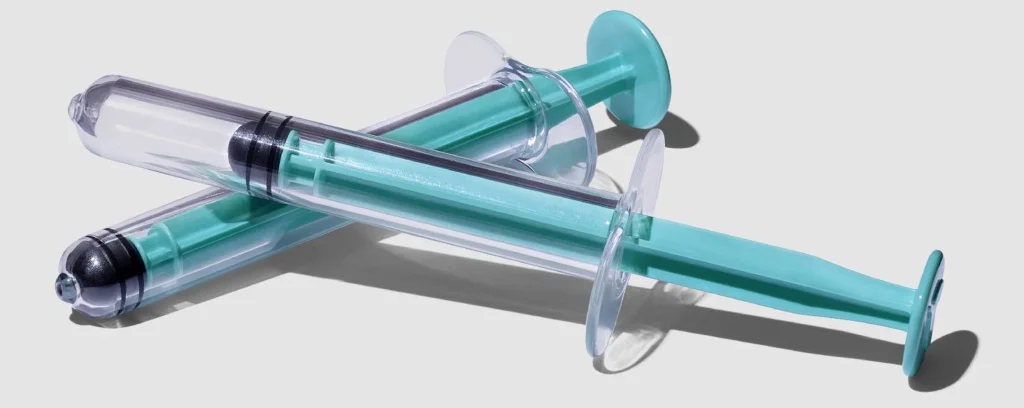
    Two transparent syringes with teal accents positioned diagonally on a light gray background.

    Insemination Syringe Combos and the Impact on Mental Health for New Parents

    While insemination syringe combos have proven to be a successful method of assisted reproduction, there are potential mental health implications that new parents should be aware of. One of the main concerns is the added pressure and stress that comes with trying to conceive using this method. Unlike natural conception, where the timing and success of pregnancy are left to chance, using insemination syringe combos can create a sense of urgency and heightened expectations. This increased pressure can lead to feelings of disappointment, frustration, and even guilt if conception does not occur within a few attempts.

    Another potential impact on mental health is the strain it can place on the relationship between the partners. Trying to conceive can be an emotionally and physically taxing process, and the pressure to succeed can lead to arguments, tension, and even resentment towards each other. This can be especially challenging for same-sex couples, where both partners may have a strong desire to carry the pregnancy. It is essential for couples to communicate openly and support each other throughout this process to prevent strain on their relationship.

    The emotional toll of using insemination syringe combos can also affect the mental health of new parents after pregnancy. The fear and anxiety of not knowing if the method was successful and the added pressure of wanting to have a healthy pregnancy and baby can take a toll on a person’s mental well-being. It is crucial for new parents to prioritize self-care and seek support from loved ones or mental health professionals if needed.

    Coping Strategies and Support for New Parents

    It is essential for new parents using insemination syringe combos to have a support system in place. This can include friends, family, or online communities of other couples going through a similar journey. Talking to others who have gone through the same process can provide much-needed emotional support and validation. Additionally, seeking professional counseling can also be beneficial, as it provides a safe space to express any fears, concerns, or anxieties.

    Couples can also implement coping strategies to manage the stress and pressure of trying to conceive. This can include practicing relaxation techniques such as deep breathing or meditation, exercising regularly, and maintaining a healthy and balanced diet. It is also crucial for partners to communicate openly and honestly with each other, express their feelings, and support each other through this process.

    Insemination syringe combos can be a practical and effective method of assisted reproduction for couples trying to conceive. However, it is essential to acknowledge and address the potential impact it may have on the mental health of new parents. By understanding the process, seeking support, and implementing coping strategies, couples can navigate this journey with a healthy mindset and increase their chances of a successful pregnancy.

    In summary, insemination syringe combos are a popular method of assisted reproduction that involves using a syringe to insert semen into the female partner’s reproductive tract. While this method has proven to be successful, it can also have a significant impact on the mental health of new parents. The added pressure and strain on relationships can lead to feelings of disappointment, frustration, and anxiety. It is crucial for couples to have a support system in place and implement coping strategies to manage the emotional toll of trying to conceive using this method.

  • Navigating the Emotional Journey of Infertility with the Syringe Insemination Kit

    Navigating the Emotional Journey of Infertility with the Syringe Insemination Kit

    Infertility is a heartbreaking and emotionally challenging experience for couples trying to conceive. The constant pressure, disappointment, and financial burden can take a toll on their mental and emotional well-being. In recent years, there has been a rise in the use of at-home insemination kits, specifically the syringe insemination kit, to help couples overcome infertility. While these kits can be a convenient and affordable option, they also come with their own set of emotional challenges. In this blog post, we will discuss the emotional journey of infertility and how to navigate it with the syringe insemination kit.

    Understanding Infertility and its Emotional Impact

    Infertility affects 1 out of every 8 couples, making it a common struggle for many. However, despite its prevalence, it is often a taboo subject, leaving couples feeling isolated and alone in their journey. The emotional impact of infertility can be overwhelming, as it involves feelings of grief, guilt, anger, and frustration. For many, it can also cause a strain on their relationship, leading to feelings of resentment and blame. The constant pressure to conceive can also take a toll on one’s mental health, leading to stress, anxiety, and depression.

    The Role of the Syringe Insemination Kit in the Journey of Infertility

    Syringe insemination kits have become a popular option for couples struggling with infertility, as they provide a less invasive and more affordable alternative to traditional medical procedures. These kits contain pre-filled syringes that are used to deposit sperm into the woman’s reproductive tract. They can be purchased online or at a local pharmacy, making them easily accessible for couples. However, while they may seem like a simple and practical solution, they also come with their own set of emotional challenges.

    The Emotional Hurdles of Using the Syringe Insemination Kit

    The process of using a syringe insemination kit can be emotionally taxing for couples, as it involves handling their own fertility treatments at home. This can be a daunting experience, especially for those who have no prior experience with medical procedures. The pressure to get the process right and the fear of failure can cause anxiety and stress. Additionally, the lack of privacy and intimacy in the process can also take a toll on the couple’s emotional well-being.

    Coping Strategies for Navigating the Emotional Journey with the Syringe Insemination Kit

    pregnancy test kit features labeled for comfort and confidence on a teal background

    Navigating the Emotional Journey of Infertility with the Syringe Insemination Kit

    When using the syringe insemination kit, it is crucial for couples to prioritize their emotional well-being and find healthy ways to cope with the emotional challenges. Here are some strategies that can help navigate the emotional journey of infertility with the syringe insemination kit:

    1. Seek Support: It is essential for couples to have a support system in place to help them through their emotional struggles. This can include family, friends, or a therapist who can provide a safe space to express their feelings and concerns.

    2. Educate Yourself: Educating oneself about the process of using a syringe insemination kit can help alleviate some of the fear and anxiety. Understanding the steps involved and the success rates can provide couples with a sense of control and empowerment.

    3. Practice Self-Care: Taking care of one’s mental and emotional well-being is crucial during the process of using a syringe insemination kit. This can include engaging in activities that bring joy and relaxation, such as exercise, meditation, or hobbies.

    4. Communicate with Your Partner: It is essential for couples to communicate openly and honestly with each other about their feelings and concerns. This can help build a stronger and more supportive relationship, making the emotional journey more manageable.

    5. Be Kind to Yourself: It’s easy to blame oneself and feel like a failure when struggling with infertility. It’s important to remind yourself that infertility is not your fault and to practice self-compassion and self-love.

    In conclusion, the emotional journey of infertility can be challenging and overwhelming, but it is essential for couples to take care of their mental and emotional well-being throughout the process. The syringe insemination kit can be a helpful tool in the journey of infertility, but it is crucial to acknowledge and address the emotional hurdles that come with it. By seeking support, educating oneself, practicing self-care, communicating with your partner, and being kind to oneself, couples can navigate the emotional journey of infertility with the syringe insemination kit with more ease and resilience.

    Summary:

    Infertility can be an emotionally challenging journey for couples, and the use of syringe insemination kits can add an additional layer of emotional hurdles. These kits offer a less invasive and more affordable option for couples struggling with infertility. However, they also come with the pressure of handling fertility treatments at home, which can cause anxiety and stress. To navigate this emotional journey, it is crucial for couples to seek support, educate themselves, practice self-care, communicate with each other, and be kind to themselves.

  • Insemination Syringe Collection and Pregnancy: What to Expect During the Two-Week Wait

    Blog Post: Insemination Syringe Collection and Pregnancy: What to Expect During the Two-Week Wait

    Insemination is a common method used by couples who are struggling with fertility issues. This process involves collecting sperm and using a syringe to insert it into the vagina or cervix during the woman’s ovulation period. While the procedure may seem simple, the two-week wait after insemination can be an emotionally challenging time for couples. In this blog post, we will discuss what to expect during the two-week wait and how to cope with the anxieties and uncertainties that come with it.

    What is Insemination Syringe Collection?

    Insemination syringe collection is the process of collecting sperm from the male partner and inserting it into the female partner’s reproductive tract during ovulation. It is a common method used in intrauterine insemination (IUI) and at-home insemination. The process involves washing and preparing the sperm to increase their chances of fertilizing the egg and then using a syringe to place the sperm directly into the cervix or vagina.

    What to Expect During the Two-Week Wait

    After insemination, the waiting period begins. This two-week wait can feel like an eternity for couples who are eager to start a family. Here are some things you can expect during this time:

    1. Physical Changes: After insemination, you may experience some physical changes due to hormonal fluctuations. Some women may experience mild cramping, bloating, and breast tenderness. These symptoms are normal and may mimic early pregnancy symptoms, making it difficult to determine if they are caused by the procedure or actual pregnancy.

    2. Emotional Rollercoaster: The two-week wait can be an emotional rollercoaster for couples. It is a time filled with hope, anxiety, and uncertainty. You may feel excited and optimistic one moment, and then feel discouraged and doubtful the next. These emotions are normal and can be overwhelming at times.

    3. The Urge to Take a Pregnancy Test: The biggest challenge during the two-week wait is resisting the urge to take a pregnancy test. Many couples find themselves taking multiple tests, even though it is too early to get an accurate result. It is essential to follow your doctor’s instructions and wait for the recommended time before taking a test to avoid false results.

    4. The Impact of Stress: The two-week wait can be a stressful time for couples, and stress can have a significant impact on fertility. It is crucial to find ways to manage stress, such as practicing relaxation techniques, exercising, or talking to a therapist. Keeping a positive mindset can also help reduce stress and anxiety during this time.

    At-home insemination kit with ovulation and pregnancy tests, promoting fertility and family planning.

    Insemination Syringe Collection and Pregnancy: What to Expect During the Two-Week Wait

    5. Support from Your Partner: Going through the two-week wait can be tough, but having a supportive partner can make it more manageable. Lean on each other during this time, and remember to communicate openly about your feelings and fears. Your partner can be a great source of comfort and strength during the waiting period.

    Coping Strategies During the Two-Week Wait

    Here are some coping strategies that can help you get through the two-week wait:

    1. Stay Busy: Keeping yourself busy with work, hobbies, or spending time with loved ones can help distract you from constantly thinking about the waiting period.

    2. Avoid Dr. Google: It can be tempting to turn to Google for answers during the two-week wait, but it is essential to avoid searching for pregnancy symptoms or success stories. This can only add to your anxiety and may not be accurate for your situation.

    3. Reach Out to Support Groups: Talking to others who are going through a similar experience can be comforting and reassuring. Joining support groups or forums can help you connect with others who understand what you are going through.

    4. Practice Self-Care: Take care of yourself during this time by getting enough rest, eating a healthy diet, and engaging in activities that bring you joy. Self-care is essential for both physical and emotional well-being.

    5. Have Realistic Expectations: While you may be hoping for a positive outcome, it is essential to keep realistic expectations. Not all insemination attempts will result in pregnancy, and that is okay. Be prepared for all possible outcomes and remember that you are not alone.

    Summary:

    Insemination syringe collection is a common method used in fertility treatments, and the two-week wait after the procedure can be an emotionally challenging time for couples. During this time, couples may experience physical changes, an emotional rollercoaster, and the urge to take a pregnancy test. To cope with the anxieties and uncertainties that come with the two-week wait, it is essential to stay busy, avoid stress, seek support, practice self-care, and have realistic expectations.

  • The Emotional Rollercoaster of Trying to Conceive Naturally and How a Syringe Kit Can Help

    The Emotional Rollercoaster of Trying to Conceive Naturally and How a Syringe Kit Can Help

    Trying to conceive a child is an emotional journey unlike any other. The desire to start or expand a family can be all-consuming, and the process of trying to get pregnant can be filled with highs and lows. For couples who are trying to conceive naturally, the journey can be even more emotionally taxing. As months go by without a positive pregnancy test, the rollercoaster of emotions can take its toll on both partners. However, there is a solution that can help ease some of the stress and anxiety that comes with trying to conceive naturally – a syringe kit.

    In this blog post, we will explore the emotional rollercoaster of trying to conceive naturally, and how a syringe kit can provide relief and support during this challenging time.

    The Highs and Lows of Trying to Conceive Naturally

    The journey of trying to conceive naturally can be full of both excitement and disappointment. The hopeful anticipation of a positive pregnancy test can quickly turn into disappointment when it doesn’t happen. Each month, the emotional rollercoaster begins again – from the excitement of ovulation and the potential for conception, to the anxiety and frustration of waiting for a missed period.

    For many couples, the first few months of trying to conceive may be filled with optimism and excitement, but as time goes on, it can become more emotionally taxing. The constant cycle of hope and disappointment can take a toll on mental and emotional well-being, and can even strain relationships. The fear of infertility or the thought of never being able to have a child can also add to the already intense emotional journey of trying to conceive naturally.

    The Impact on Mental Health

    The emotional toll of trying to conceive naturally can also have a significant impact on mental health. The constant stress, anxiety, and disappointment can lead to feelings of depression, hopelessness, and even isolation. It is not uncommon for couples to experience a range of emotions, including anger, guilt, and jealousy, as they see others around them getting pregnant easily.

    The pressure to conceive can also lead to obsessive thoughts and behaviors, such as constantly tracking ovulation and symptoms, and feeling like every decision can make or break their chances of getting pregnant. This can cause a significant strain on the mental health of both partners, and may even lead to a negative impact on their relationship.

    How a Syringe Kit Can Help

    at-home insemination kit with syringes, collection cups, and instructions on a pink background

    The Emotional Rollercoaster of Trying to Conceive Naturally and How a Syringe Kit Can Help

    While trying to conceive naturally can be a challenging and emotional journey, there are ways to alleviate some of the stress and anxiety. One such solution is a syringe kit, which can provide a sense of control and support during the process.

    A syringe kit is a simple and effective tool for at-home insemination, which can increase the chances of conception when used correctly. It includes a syringe, a sterile catheter, and instructions for use. The kit allows for a more targeted and controlled delivery of sperm, bypassing the acidic environment of the vagina and placing it closer to the cervix, where it has a higher chance of reaching the egg.

    Using a syringe kit can also help alleviate some of the pressure and stress of trying to conceive naturally. Couples can use it in the comfort of their own home, without the added stress and expense of medical procedures. This can help to reduce feelings of hopelessness and helplessness, and give couples a sense of empowerment and control during the process.

    In addition, using a syringe kit can also improve communication and intimacy between partners. The act of using the kit together can bring couples closer, and they can work together as a team towards their goal of starting a family. This can help to strengthen their relationship and provide much-needed emotional support during a challenging time.

    Other Tips for Coping with the Emotional Rollercoaster

    Aside from using a syringe kit, there are other ways to cope with the emotional rollercoaster of trying to conceive naturally. First and foremost, it is essential to maintain open and honest communication with your partner. It is normal for each partner to have different emotions and coping mechanisms, so it is crucial to be understanding and supportive of each other.

    It is also essential to take care of your mental and emotional well-being. This can include practicing self-care, such as exercise, healthy eating, and relaxation techniques like meditation or yoga. Surrounding yourself with a supportive network of friends and family can also provide much-needed emotional support and understanding during this time.

    Seeking professional help can also be beneficial for couples struggling to cope with the emotional journey of trying to conceive naturally. A therapist or counselor can provide a safe space to express feelings and work through any challenges or conflicts that may arise during this time.

    In summary, trying to conceive naturally can be a rollercoaster of emotions, with highs of hope and excitement and lows of disappointment and frustration. The constant stress and pressure can also take a toll on mental and emotional well-being, as well as strain relationships. However, using a syringe kit can provide a sense of control and support during the process and alleviate some of the stress and anxiety. It can also improve communication and intimacy between partners, and give them a sense of empowerment during this challenging time.

    If you are currently trying to conceive naturally and are struggling with the emotional rollercoaster, know that you are not alone. With the right support and tools, you can navigate this journey and increase your chances of success.

  • Tips for Coping with the Emotional Rollercoaster of Non-Invasive Insemination

    Blog Post Title: Tips for Coping with the Emotional Rollercoaster of Non-Invasive Insemination

    Non-invasive insemination, also known as artificial insemination, is a popular fertility treatment that involves placing sperm directly into the uterus to increase the chances of pregnancy. While it may seem like a simple and straightforward procedure, the emotional rollercoaster that comes with it can be overwhelming for many couples. From the initial excitement of starting the process to the ups and downs of waiting for results, coping with the emotional aspect of non-invasive insemination is crucial for a successful outcome. In this blog post, we will discuss some tips for coping with the emotional rollercoaster of non-invasive insemination.

    1. Educate Yourself and Set Realistic Expectations

    The first step in coping with the emotional rollercoaster of non-invasive insemination is to educate yourself about the entire process. This will not only give you a better understanding of what to expect but also help you set realistic expectations. Fertility treatments, including non-invasive insemination, have varying success rates, and it is essential to be aware of this. Setting unrealistic expectations can lead to disappointment and frustration, making it harder to cope with the emotional aspect of the procedure.

    2. Communicate with Your Partner

    Non-invasive insemination can put a strain on a relationship, both physically and emotionally. It is crucial to communicate openly and honestly with your partner throughout the process. Share your fears, hopes, and concerns with each other. This will not only strengthen your bond but also help you support each other during the emotional rollercoaster of non-invasive insemination.

    3. Find Support

    at-home insemination kit featuring a syringe and container for fresh or donor sperm conception

    Tips for Coping with the Emotional Rollercoaster of Non-Invasive Insemination

    Going through non-invasive insemination can feel isolating, but remember that you are not alone. Find support from friends and family who have gone through a similar experience or join a support group for couples undergoing fertility treatments. Having a support system can provide a safe space to express your feelings and find comfort and understanding from others who have been through it.

    4. Practice Self-Care

    The physical and emotional toll of non-invasive insemination can be exhausting. It is crucial to take care of yourself during this time. Make time for activities that bring you joy and help you relax, such as yoga, meditation, or a hobby. Take care of your physical health by eating well, getting enough rest, and avoiding unhealthy habits such as smoking and excessive alcohol consumption.

    5. Seek Professional Support

    If you find yourself struggling to cope with the emotional aspect of non-invasive insemination, do not hesitate to seek professional support. A therapist or counselor can provide you with the tools and techniques to manage stress and anxiety during this time. They can also help you navigate any relationship challenges that may arise.

    6. Be Kind to Yourself

    The process of non-invasive insemination can be emotionally taxing, and it is essential to be kind to yourself. Do not blame yourself or your partner for any setbacks or challenges that may arise. Remember that this is a journey, and it is normal to experience a range of emotions. Be patient and kind to yourself, and celebrate even the smallest victories.

    In summary, coping with the emotional rollercoaster of non-invasive insemination can be challenging, but it is essential to have a positive mindset and utilize these tips to support yourself and your partner. By educating yourself, communicating openly, finding support, practicing self-care, seeking professional help when needed, and being kind to yourself, you can navigate the emotional aspect of non-invasive insemination and increase your chances of a successful outcome.

  • Ways to Cope with the Emotional Rollercoaster of Non-Invasive Insemination

    Blog Post:

    Non-invasive insemination, also known as donor insemination, is a fertility treatment option for individuals or couples struggling with conception. It involves using donor sperm to fertilize the egg, without the need for surgical procedures. While this method is less invasive compared to other fertility treatments, it can still be an emotional rollercoaster for those going through it. The process can bring about feelings of hope, excitement, disappointment, and frustration. In this blog post, we will discuss some ways to cope with the emotional rollercoaster of non-invasive insemination.

    1. Educate yourself about the process

    One of the first steps in coping with the emotional rollercoaster of non-invasive insemination is to educate yourself about the process. This includes understanding how the procedure works, the success rates, and the potential risks and side effects. Knowing what to expect can help ease any anxiety or fears you may have. It can also help you prepare mentally and emotionally for the journey ahead.

    2. Seek support

    Going through non-invasive insemination can be overwhelming, and it’s important to have a support system in place. This can include your partner, family members, friends, or a support group. Having someone to talk to and lean on during the highs and lows of the process can make a significant difference in your emotional well-being. You can also consider joining online support groups where you can connect with others going through a similar experience.

    3. Practice self-care

    It’s important to take care of yourself during this emotional journey. Make time for activities that bring you joy and help you relax. This can include exercise, meditation, reading, or spending time with loved ones. It’s also essential to prioritize your physical health by eating well, getting enough sleep, and avoiding unhealthy coping mechanisms such as excessive alcohol or drug use.

    4. Be prepared for the emotional ups and downs

    at-home insemination kit by Mosie Baby, featuring syringes and containers for comfort and convenience.

    Ways to Cope with the Emotional Rollercoaster of Non-Invasive Insemination

    Non-invasive insemination can be a rollercoaster of emotions. You may feel excited and hopeful during the waiting period, only to feel disappointed and frustrated when the results are not what you had hoped for. It’s essential to recognize that these emotional ups and downs are normal and to be prepared for them. Allow yourself to feel the emotions and find healthy ways to cope with them, such as talking to a therapist or journaling.

    5. Communicate with your partner

    If you are going through non-invasive insemination with a partner, it’s crucial to communicate openly and honestly with each other. The process can put a strain on your relationship, and it’s essential to support each other through it. Share your thoughts and feelings, and work together to make decisions and cope with any challenges that may arise.

    6. Have realistic expectations

    It’s essential to have realistic expectations when going through non-invasive insemination. While it can be a successful fertility treatment option, it’s not a guarantee for pregnancy. Understand that it may take multiple attempts before achieving a successful pregnancy and that there may also be setbacks along the way. Having realistic expectations can help manage disappointment and keep you focused on your ultimate goal of starting or expanding your family.

    7. Seek professional help if needed

    If you find that you are struggling to cope with the emotional rollercoaster of non-invasive insemination, it’s important to seek professional help. A therapist or counselor can provide you with the necessary support and guidance to navigate through this challenging time. They can also help you develop coping strategies and provide a safe space for you to express your emotions.

    Summary:

    Non-invasive insemination can be an emotional rollercoaster for those going through it. It’s essential to educate yourself about the process, seek support, and practice self-care. Be prepared for the emotional ups and downs and communicate openly with your partner. It’s also crucial to have realistic expectations and seek professional help if needed.

  • Exploring the Emotional Side of Conception: Coping with Disappointment and Frustration

    Exploring the Emotional Side of Conception: Coping with Disappointment and Frustration

    Conception is a deeply emotional journey for couples hoping to start a family. It is a time filled with excitement, hope, and anticipation. However, for many couples, it can also be a challenging and emotional rollercoaster. The journey towards conception is not always smooth, and many couples may face disappointment and frustration along the way. In this blog post, we will explore the emotional side of conception and provide tips and strategies for coping with disappointment and frustration.

    The Emotional Impact of Infertility

    Infertility is a common cause of disappointment and frustration for couples trying to conceive. It is defined as the inability to conceive after one year of trying for couples under 35, or six months for couples over 35. Infertility can be caused by a variety of factors, including hormonal imbalances, ovulation disorders, blocked fallopian tubes, or low sperm count. The emotional impact of infertility can be significant, as it can affect a couple’s sense of self-worth, their relationship, and their future plans.

    One of the most challenging aspects of infertility is the feeling of loss and grief. Couples may feel a sense of loss for the child they have been unable to conceive, or the life they had envisioned for themselves. This can lead to feelings of sadness, anger, and guilt. It is essential for couples to acknowledge and validate these emotions, as they are a natural part of the grieving process.

    Coping with Disappointment and Frustration

    Dealing with disappointment and frustration is a crucial aspect of the emotional journey towards conception. Here are some tips and strategies for coping with these emotions:

    1. Allow yourself to grieve: It is essential to give yourself permission to grieve the loss of the pregnancy or the plans you had made for the future. This can help you process your emotions and move forward.

    2. Communicate with your partner: Infertility can put a strain on a couple’s relationship. It is vital to communicate openly and honestly with your partner about your feelings. This can help strengthen your bond and provide much-needed support during a difficult time.

    3. Seek support: Infertility can be isolating, and it is crucial to seek support from friends, family, or a support group. Talking to others who have gone or are going through a similar experience can be very comforting and validating.

    at-home insemination kit featuring a syringe and container for fresh or donor sperm conception

    Exploring the Emotional Side of Conception: Coping with Disappointment and Frustration

    4. Practice self-care: Taking care of yourself is essential during this emotional journey. Make time for activities that bring you joy and help you relax. This can include exercise, meditation, or hobbies.

    5. Seek professional help: If you are struggling to cope with your emotions, do not hesitate to seek professional help. A therapist can provide you with the tools and support you need to manage your emotions effectively.

    Dealing with Pregnancy Loss

    Unfortunately, pregnancy loss is also a common experience for couples trying to conceive. It can be devastating and can bring up a range of emotions, including grief, sadness, and anger. Here are some tips for coping with pregnancy loss:

    1. Allow yourself to grieve: Just like with infertility, it is crucial to give yourself permission to grieve the loss of your pregnancy. This can help you process your emotions and move forward.

    2. Lean on your support system: Surround yourself with loved ones who can provide you with emotional support during this difficult time. Do not be afraid to ask for help or talk about your feelings.

    3. Take time to heal: Allow yourself time to heal both physically and emotionally after a pregnancy loss. Do not feel pressure to rush back into trying to conceive until you are ready.

    4. Seek professional help: If you are struggling to cope with your emotions, do not hesitate to seek professional help. A therapist can provide you with the support and tools you need to navigate through this challenging time.

    Moving Forward

    Dealing with disappointment and frustration can be challenging, but it is essential to remember that it is a part of the journey towards conception. It is crucial to allow yourself to feel your emotions and seek support when needed. While it may be a difficult and emotional journey, it is important to stay positive and keep trying.

    In conclusion, the emotional side of conception can be a challenging and often overlooked aspect of starting a family. Couples may face disappointment and frustration along the way, but it is essential to acknowledge and cope with these emotions effectively. By allowing yourself to grieve, seeking support, and practicing self-care, you can navigate through this emotional journey and move forward towards your goal of starting a family.