Tag: herbs

  • The Rise of Adaptogens: How These Herbs are Leading the Latest Health Craze

    The Rise of Adaptogens: How These Herbs are Leading the Latest Health Craze

    In recent years, there has been a growing trend in the health and wellness world towards natural remedies and alternative medicine. One of the latest buzzwords in this industry is “adaptogens.” These powerful herbs have been used for centuries in traditional medicine, but they are now gaining mainstream popularity for their ability to combat stress, boost energy, and promote overall well-being. In this blog post, we will explore the rise of adaptogens and how they are becoming a staple in many people’s daily health routines.

    What are Adaptogens?

    Adaptogens are a group of herbs and mushrooms that have been used in traditional Chinese and Ayurvedic medicine for centuries. They are called adaptogens because they are believed to help the body adapt and respond to stressors, both physical and mental. These herbs work by balancing the body’s stress hormones, such as cortisol, and promoting overall homeostasis.

    The Most Popular Adaptogens

    While there are many adaptogenic herbs, some have gained more popularity than others in recent years. Here are some of the top adaptogens and their benefits:

    1. Ashwagandha – This herb has been used in Ayurvedic medicine for centuries and is known for its ability to reduce stress, improve mood, and enhance cognitive function.

    2. Rhodiola Rosea – This adaptogen is native to the Arctic regions and is known for its anti-fatigue and anti-stress properties. It is also believed to improve physical performance and mental clarity.

    3. Reishi Mushroom – This medicinal mushroom has been used in Chinese medicine for thousands of years and is known for its immune-boosting properties, as well as its ability to combat stress and anxiety.

    4. Maca Root – This adaptogenic root is native to Peru and is known for its hormone-balancing properties, making it popular for women’s health and fertility.

    5. Tulsi (Holy Basil) – This sacred herb is widely used in Ayurvedic medicine and is known for its calming and anti-inflammatory effects.

    The Health Benefits of Adaptogens

    One of the main reasons for the rise of adaptogens is their impressive list of health benefits. As mentioned earlier, these herbs are believed to help the body cope with stress, but they also offer many other advantages. Some of the potential benefits of adaptogens include:

    1. Stress and Anxiety Relief – Adaptogens are known for their ability to reduce stress and anxiety levels, making them a popular choice for people looking for natural alternatives to manage these common issues.

    pregnancy test kit features labeled for comfort and confidence on a teal background

    The Rise of Adaptogens: How These Herbs are Leading the Latest Health Craze

    2. Improved Immune Function – Many adaptogens have immune-boosting properties, making them a great choice for those looking to support their immune system and prevent illnesses.

    3. Increased Energy and Stamina – Adaptogens are believed to help the body adapt to physical and mental stress, which can lead to increased energy and stamina.

    4. Hormone Balance – Certain adaptogens, such as maca root and Ashwagandha, have been shown to regulate hormones, making them beneficial for those dealing with hormonal imbalances.

    5. Anti-inflammatory and Antioxidant Properties – Many adaptogens have anti-inflammatory and antioxidant properties, which can help protect the body from disease and improve overall health.

    The Rise in Popularity

    So, what has caused the sudden rise in popularity of adaptogens? In today’s fast-paced and high-stress world, more and more people are looking for natural solutions to improve their overall well-being. Adaptogens offer a natural and holistic approach to managing stress and promoting overall health, making them an attractive option for many. Additionally, with the increased interest in alternative medicine and natural remedies, adaptogens have gained more attention and recognition.

    How to Incorporate Adaptogens into Your Routine

    If you’re interested in trying adaptogens for yourself, here are some tips on how to incorporate them into your daily routine:

    1. Start Slow – As with any supplement or herb, it’s important to start slow and gradually increase your intake to see how your body responds.

    2. Consult with a Healthcare Professional – It’s always a good idea to consult with a healthcare professional before starting any new supplement, especially if you have any underlying health conditions or are taking medication.

    3. Choose High-Quality Products – When purchasing adaptogens, make sure to choose high-quality products from reputable brands to ensure you’re getting the best results.

    4. Experiment and Find What Works for You – Not all adaptogens may work the same for everyone. Experiment with different herbs and find what works best for your needs and body.

    The Future of Adaptogens

    As the interest in natural remedies and alternative medicine continues to grow, it’s safe to say that adaptogens will continue to rise in popularity. With more research being conducted on these powerful herbs, we can expect to see even more benefits and potential uses for adaptogens in the future. Whether you’re dealing with stress, anxiety, hormone imbalances, or simply looking to improve your overall health, adaptogens are worth considering as a natural and holistic solution.

    In summary, adaptogens are a group of herbs and mushrooms that have been used in traditional medicine for centuries and are now gaining mainstream popularity for their stress-relieving and health-boosting properties. These powerful herbs offer a natural and holistic approach to managing stress and promoting overall well-being. With a variety of adaptogens to choose from and numerous potential benefits, it’s no wonder that they are leading the latest health craze.

  • The Link Between Allergies, Inflammation, and Cervical Mucus Quality

    Have you ever experienced allergies and wondered if they could be affecting your cervical mucus quality? Or have you struggled with fertility issues and wondered if inflammation could be to blame? The truth is, there is a strong link between allergies, inflammation, and cervical mucus quality. In this blog post, we will explore this connection and how it can impact your overall health and fertility.

    First, let’s define these terms. Allergies are a reaction of the immune system to substances that are normally harmless, such as pollen, dust, or certain foods. Inflammation, on the other hand, is the body’s natural response to injury or infection, and it involves the release of chemicals and immune cells to remove harmful stimuli and promote healing. Cervical mucus, also known as cervical fluid, is a fluid produced by the cervix that plays an essential role in fertility and reproductive health. It helps sperm survive and swim to the egg, and it also provides protection from bacteria and other harmful substances.

    Now, you may be wondering how these three seemingly unrelated things are connected. The answer lies in the immune system and its role in both allergies and inflammation. When a person has allergies, their immune system overreacts to normally harmless substances, releasing histamines and other chemicals that cause symptoms like sneezing, watery eyes, and congestion. These same chemicals can also trigger inflammation in other parts of the body, including the reproductive system.

    Inflammation in the reproductive system can have a significant impact on cervical mucus quality. When the body is in a state of inflammation, it produces more mucus than usual, making it thicker and stickier. This can make it difficult for sperm to swim through and reach the egg, reducing the chances of fertilization. Additionally, inflammation can also lead to the production of abnormal or hostile mucus, which can harm sperm or prevent it from reaching the egg altogether.

    But it’s not just allergies that can cause inflammation in the reproductive system. Other factors such as stress, diet, and exposure to toxins can also lead to chronic inflammation. This is where the link between allergies and cervical mucus quality becomes even more important. If a person already has allergies, their immune system is already in a state of overactivity, and any additional sources of inflammation can further worsen their symptoms and affect their cervical mucus quality.

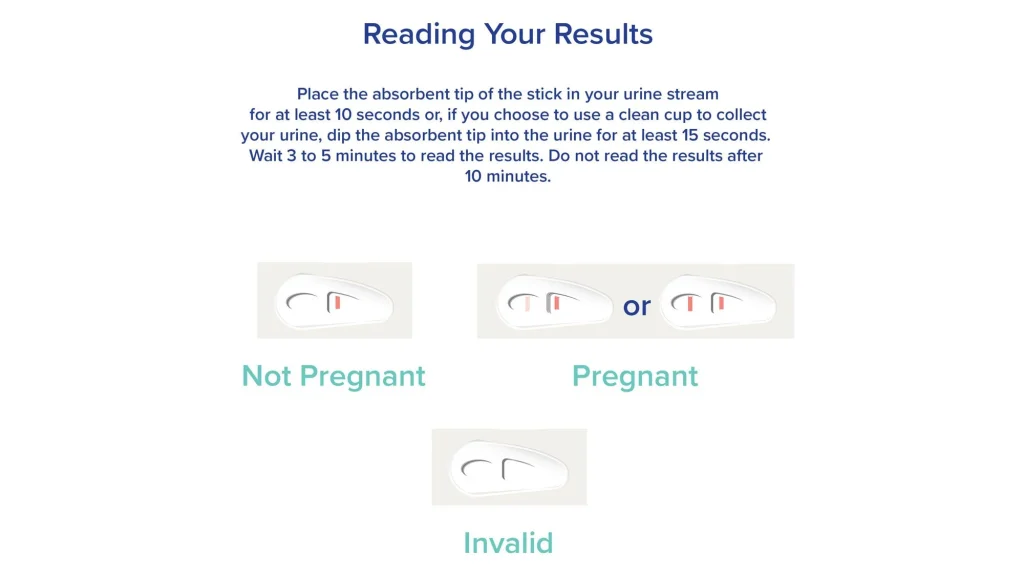
    Instructions for reading pregnancy test results with visual indicators for "Not Pregnant," "Pregnant," and "Invalid.

    The Link Between Allergies, Inflammation, and Cervical Mucus Quality

    Moreover, the quality of cervical mucus can also be affected by hormonal imbalances, which are often linked to inflammation. High levels of estrogen can cause the cervix to produce too much mucus, while low levels of progesterone can result in poor quality mucus. Both of these hormonal imbalances can be caused by inflammation in the body, further emphasizing the connection between allergies, inflammation, and cervical mucus quality.

    So, what can be done to improve cervical mucus quality and ultimately increase fertility? The first step is to address any underlying allergies and inflammation. This can involve getting tested for allergies and avoiding triggers, as well as adopting an anti-inflammatory diet and lifestyle. This may include consuming more anti-inflammatory foods like fruits, vegetables, and healthy fats, and avoiding or minimizing processed and inflammatory foods like sugar, refined grains, and trans fats. Stress management techniques, such as meditation and exercise, can also help reduce inflammation in the body.

    Additionally, certain supplements and herbs can also be beneficial in reducing inflammation and improving cervical mucus quality. These include omega-3 fatty acids, vitamin C, and herbs like turmeric and ginger. It is important to consult with a healthcare provider before starting any supplements to ensure they are safe and appropriate for your individual needs.

    In conclusion, allergies, inflammation, and cervical mucus quality are all interconnected. Allergies can trigger inflammation in the body, which can impact the quality of cervical mucus and increase the risk of fertility issues. By addressing allergies and inflammation through a combination of lifestyle changes, supplements, and herbs, it is possible to improve cervical mucus quality and increase the chances of conception. So, if you are struggling with allergies or fertility issues, it may be worth considering how they could be related and taking steps to reduce inflammation in your body.

    Summary:

    There is a strong link between allergies, inflammation, and cervical mucus quality. Allergies can trigger inflammation in the body, which can lead to the production of abnormal or hostile mucus, making it difficult for sperm to reach the egg. This can impact fertility and increase the risk of conception. Addressing allergies and inflammation through lifestyle changes, supplements, and herbs can help improve cervical mucus quality and increase the chances of conception.

  • Foods That Can Help Increase Cervical Mucus for Fertility

    Blog Post: Foods That Can Help Increase Cervical Mucus for Fertility

    When it comes to trying to conceive, many couples may feel overwhelmed by the amount of information out there about how to increase fertility. While there are many factors that can affect fertility, one important aspect to consider is cervical mucus. Cervical mucus plays a crucial role in the fertility process as it helps sperm reach and fertilize the egg. In this blog post, we will discuss the importance of cervical mucus for fertility and explore foods that can help increase cervical mucus production.

    What is Cervical Mucus and Why is it Important for Fertility?

    Cervical mucus is a fluid secreted by the cells of the cervix. It acts as a natural lubricant and protective barrier for the reproductive organs. The consistency and amount of cervical mucus changes throughout the menstrual cycle, with the most fertile mucus being produced around ovulation. This fertile mucus has a watery, slippery and stretchy consistency, making it easier for sperm to swim through and reach the egg.

    If there is a lack of fertile cervical mucus, it can make it difficult for sperm to survive and reach the egg, making it harder to conceive. This is why it’s important to maintain a healthy level of cervical mucus in order to increase the chances of conception.

    Foods That Can Help Increase Cervical Mucus

    1. Water

    The first and most important step in increasing cervical mucus is to stay hydrated. Drinking enough water is crucial for maintaining healthy cervical mucus production. Dehydration can lead to a thickening of cervical mucus, making it difficult for sperm to reach the egg. Aim to drink at least 8-10 glasses of water a day to keep your body and cervical mucus well hydrated.

    2. Green Leafy Vegetables

    Green leafy vegetables such as spinach, kale, and broccoli are rich in essential vitamins and minerals like vitamin C, vitamin E, and folic acid. These nutrients are crucial for maintaining a healthy reproductive system and promoting the production of fertile cervical mucus. Add these vegetables to your diet in the form of salads, smoothies, or cooked dishes to reap their fertility-boosting benefits.

    3. Avocado

    Mosie Baby At-Home Insemination Kit instructions and storage guidelines on a blue background.

    Foods That Can Help Increase Cervical Mucus for Fertility

    Avocados are a great source of healthy fats and vitamin E, which is essential for maintaining a healthy reproductive system. Vitamin E helps to improve cervical mucus production by increasing blood flow to the cervix. Add some avocado to your salads or sandwiches, or simply enjoy it as a healthy snack to boost your cervical mucus.

    4. Pineapple

    Pineapple is not only delicious but also contains an enzyme called bromelain, which has been shown to improve cervical mucus production. This enzyme helps to thin out cervical mucus, making it easier for sperm to swim through and reach the egg. Enjoy fresh pineapple as a snack or add it to your smoothies for an extra boost of fertility.

    5. Whole Grains

    Whole grains such as brown rice, quinoa, and oats are a great source of fiber, which is essential for maintaining a healthy hormonal balance. A healthy hormonal balance is crucial for optimal cervical mucus production. Aim to include at least one serving of whole grains in your daily meals to help boost your cervical mucus.

    6. Fermented Foods

    Fermented foods like yogurt, kefir, and sauerkraut are rich in probiotics, which can help balance the good bacteria in your gut. A healthy gut microbiome is essential for maintaining a healthy reproductive system and promoting the production of fertile cervical mucus. Add these foods to your daily diet for a healthy dose of probiotics.

    7. Fertility-Boosting Herbs

    Certain herbs like red clover, stinging nettle, and red raspberry leaf have been traditionally used to boost fertility and improve cervical mucus production. These herbs contain essential nutrients like calcium, magnesium, and iron, which help to nourish the reproductive organs and promote cervical mucus production. Consult with a certified herbalist or your healthcare provider before incorporating these herbs into your diet.

    In conclusion, maintaining a healthy level of cervical mucus is crucial for increasing fertility. Incorporating these foods into your diet can help promote cervical mucus production and improve your chances of conceiving. Along with a healthy diet, make sure to stay active, manage stress, and get enough rest to optimize your fertility.

    Summary:

    Cervical mucus plays a crucial role in fertility by helping sperm reach and fertilize the egg. Lack of fertile cervical mucus can make it difficult to conceive, making it important to maintain a healthy level of cervical mucus. Foods that can help increase cervical mucus production include water, green leafy vegetables, avocado, pineapple, whole grains, fermented foods, and fertility-boosting herbs. These foods contain essential nutrients that promote a healthy reproductive system and increase cervical mucus. Along with a healthy diet, it’s important to stay active, manage stress, and get enough rest to optimize fertility.

  • From Thin to Thick: Natural Ways to Increase Cervical Mucus

    From Thin to Thick: Natural Ways to Increase Cervical Mucus

    Cervical mucus is a crucial part of a woman’s reproductive system. It plays a vital role in fertility and conception by helping sperm travel through the cervix to reach the egg. However, many women struggle with thin or inadequate cervical mucus, which can make it difficult to conceive. Fortunately, there are natural ways to increase cervical mucus and improve fertility.

    In this blog post, we will discuss the importance of cervical mucus, the potential causes of thin mucus, and natural ways to increase it.

    The Importance of Cervical Mucus

    Cervical mucus, also known as cervical fluid, is a clear or white substance produced by the cervix. It changes in consistency and volume throughout a woman’s menstrual cycle, which is influenced by hormones. During ovulation, cervical mucus becomes thin, slippery, and stretchy, resembling the consistency of egg whites. This type of mucus is known as fertile cervical mucus and is essential for conception.

    Fertile cervical mucus serves several purposes in the reproductive process. It helps to nourish and protect sperm, making it easier for them to survive and reach the egg. The mucus also acts as a barrier, preventing harmful bacteria from entering the uterus and potentially causing infections. Additionally, fertile cervical mucus provides a more hospitable environment for the sperm, helping them to stay alive and active for longer.

    Causes of Thin Cervical Mucus

    There are several potential reasons why a woman may have thin cervical mucus. Some of the most common causes include:

    1. Low Estrogen Levels: Estrogen is the primary hormone responsible for producing cervical mucus. If a woman’s estrogen levels are low, she may have thinner mucus.

    2. Dehydration: Not drinking enough water can lead to dehydration, which can affect cervical mucus production. When the body is dehydrated, it produces less mucus, and what is produced may be thicker and less hospitable for sperm.

    3. Certain Medications: Some medications, such as antihistamines and decongestants, can dry out the cervical mucus.

    4. Hormonal Imbalances: Imbalances in other hormones, such as progesterone, can also affect cervical mucus production.

    at-home insemination kit by Mosie Baby, featuring syringes, collection cups, and instructions on a pink background.

    From Thin to Thick: Natural Ways to Increase Cervical Mucus

    Natural Ways to Increase Cervical Mucus

    If you are struggling with thin cervical mucus, there are several natural ways to help increase its volume and improve its quality. Here are some tips to consider:

    1. Stay Hydrated: Drinking plenty of water is crucial for overall health and can also help boost cervical mucus production. Aim for at least eight glasses of water a day.

    2. Stay Away from Dehydrating Foods: Some foods can contribute to dehydration, including caffeine and alcohol. Limiting your intake of these items can help maintain proper hydration levels.

    3. Try Fertility Herbs: Certain herbs, such as red clover and evening primrose oil, can help increase cervical mucus production. Be sure to consult with a healthcare provider before adding any new supplements to your routine.

    4. Take a Multivitamin: A well-balanced multivitamin can help ensure you are getting all the essential nutrients needed for healthy cervical mucus production.

    5. Use a Humidifier: If you live in a dry climate or work in an environment with dry air, using a humidifier can help add moisture to the air and potentially improve cervical mucus production.

    6. Consider Acupuncture: Some women have found acupuncture to be helpful in regulating hormones and improving cervical mucus production.

    7. Avoid Certain Lubricants: Some lubricants, particularly those containing spermicides, can be harmful to sperm and may also affect cervical mucus production. Consider using natural lubricants such as coconut oil or Pre-Seed, which is specifically designed for fertility.

    8. Track Your Cycle: Knowing when you ovulate can help you time intercourse for when you have the most fertile cervical mucus. Consider using ovulation predictor kits or tracking your basal body temperature to pinpoint ovulation.

    Summary

    Cervical mucus is a vital part of a woman’s reproductive system and plays a crucial role in fertility and conception. Thin or inadequate cervical mucus can make it challenging to conceive, but there are natural ways to increase mucus production. Staying hydrated, avoiding dehydrating foods, using fertility herbs, taking a multivitamin, and tracking your cycle are all ways to potentially improve cervical mucus. Additionally, acupuncture and avoiding certain lubricants can also be helpful. Consult with a healthcare provider before making any significant changes to your routine. With these natural methods, you can work towards achieving thicker cervical mucus and increasing your chances of conception.

  • Herbs for Naturally Enhancing Cervical Mucus for Conception

    Blog Post:

    When it comes to trying to conceive, many couples focus on tracking ovulation and timing intercourse correctly. However, there is another important factor that can greatly impact fertility – cervical mucus. Cervical mucus is a fluid produced by the cervix that plays a crucial role in helping sperm reach and fertilize the egg. It provides nourishment, protection, and a hospitable environment for sperm to survive and thrive. In this blog post, we will discuss how certain herbs can naturally enhance cervical mucus for conception.

    1. Evening Primrose Oil
    Evening primrose oil is a popular herb for enhancing cervical mucus. This oil is derived from the seeds of the evening primrose plant and contains high levels of gamma-linolenic acid (GLA), an essential fatty acid that helps improve the quality and quantity of cervical mucus. GLA helps to thin out the mucus, making it easier for sperm to swim through and reach the egg. It also increases the production of mucus, thus improving the chances of conception. Evening primrose oil can be taken in supplement form or applied topically to the cervix.

    2. Red Clover
    Red clover is a herb that is commonly used to balance hormones and improve overall reproductive health. It contains high levels of phytoestrogens, plant-based compounds that mimic the effects of estrogen in the body. These phytoestrogens can help improve the quality and quantity of cervical mucus, making it more fertile and hospitable for sperm. Red clover can be taken in supplement form or brewed as a tea.

    3. Dong Quai
    Dong quai, also known as Chinese angelica, is a traditional Chinese herb that has been used for centuries to support female reproductive health. It is known for its ability to regulate hormone levels, improve blood flow to the reproductive organs, and increase cervical mucus production. Dong quai can be taken in supplement form or brewed as a tea.

    4. Vitex
    Vitex, also known as chasteberry, is a popular herb for balancing hormones and promoting fertility. It works by stimulating the production of luteinizing hormone (LH), which in turn helps to increase the production of progesterone. Progesterone is essential for creating a fertile environment for sperm and improving the quality of cervical mucus. Vitex can be taken in supplement form or brewed as a tea.

    at-home insemination kit featuring a syringe and container for fresh or donor sperm conception

    Herbs for Naturally Enhancing Cervical Mucus for Conception

    5. Maca Root
    Maca root is a Peruvian herb that has been used for centuries to enhance fertility and overall reproductive health. It is known for its ability to balance hormones, increase libido, and improve egg quality. Maca root also contains high levels of iron, which is essential for healthy cervical mucus production. It can be taken in supplement form or added to smoothies, oatmeal, or other foods.

    6. Saw Palmetto
    Saw palmetto is a popular herb for improving male reproductive health, but it can also benefit women who are trying to conceive. This herb is known for its ability to balance hormones and improve the quality of cervical mucus. It can also help to reduce inflammation in the reproductive organs, making it easier for sperm to reach the egg. Saw palmetto can be taken in supplement form or brewed as a tea.

    7. Ginger
    Ginger is a common herb used in cooking, but it also has many medicinal properties. It is known for its ability to improve blood flow and circulation, which can be beneficial for cervical mucus production. Ginger also has anti-inflammatory properties that can help to reduce any inflammation in the reproductive organs, allowing sperm to travel more easily. Ginger can be added to food or brewed as a tea.

    In addition to these herbs, it is important to stay hydrated and maintain a healthy diet to enhance cervical mucus production. Drinking plenty of water and eating a diet rich in fruits, vegetables, and healthy fats can also help to improve the quality and quantity of cervical mucus.

    In conclusion, cervical mucus is an essential factor in fertility and can greatly impact a couple’s chances of conceiving. By incorporating these herbs into your daily routine, you can naturally enhance cervical mucus production and increase your chances of conception. However, it is always important to consult with a healthcare professional before starting any new supplements or herbs.

    Summary:

    In this blog post, we discussed the importance of cervical mucus in fertility and how certain herbs can naturally enhance its production. These herbs include evening primrose oil, red clover, dong quai, vitex, maca root, saw palmetto, and ginger. These herbs can help to balance hormones, increase blood flow, and improve the quality and quantity of cervical mucus. It is important to maintain a healthy diet and consult with a healthcare professional before incorporating these herbs into your routine. By using these natural remedies, couples can improve their chances of conceiving and starting a family.

  • DIY Fertility Boosting: 23 Essential Tools for a Stronger and More Fertile Body

    Summary:

    Fertility is a topic that affects many individuals and couples around the world. While some may struggle with fertility issues due to medical reasons, others may simply want to boost their fertility for a better chance at conceiving. In this blog post, we will explore 23 essential tools for DIY fertility boosting that can help strengthen and prepare your body for pregnancy.

    1. Healthy Diet: A well-balanced and nutritious diet is crucial for fertility. Make sure to include plenty of fruits, vegetables, whole grains, and lean proteins in your meals. Avoid processed foods and excessive sugar and caffeine.

    2. Exercise: Regular physical activity can improve blood flow and hormone balance, both of which are important for fertility. Aim for at least 30 minutes of exercise per day.

    3. Stress Management: Stress can have a negative impact on fertility, so it’s important to find healthy ways to manage it. This can include meditation, yoga, or simply taking time for yourself to relax.

    4. Folate: Folate is a crucial nutrient for fertility and fetal development. Make sure to include foods rich in folate, such as leafy greens, beans, and citrus fruits, in your diet.

    5. Zinc: Zinc is essential for sperm production and ovulation. Foods like oysters, beef, and pumpkin seeds are good sources of zinc.

    6. Omega-3 Fatty Acids: These healthy fats can help improve fertility by reducing inflammation and regulating hormones. Include foods like salmon, chia seeds, and walnuts in your diet.

    7. Vitamin D: Low levels of vitamin D have been linked to infertility. Get some sun exposure or take a vitamin D supplement to ensure adequate levels.

    8. Maca Root: This adaptogenic herb has been used for centuries to boost fertility and improve hormone balance. It can be taken in supplement form or added to smoothies.

    9. Red Raspberry Leaf: This herb is known for its ability to tone the uterus and regulate menstrual cycles, making it helpful for fertility. It can be consumed as a tea or taken in supplement form.

    10. Dong Quai: This traditional Chinese herb has been used for centuries to enhance fertility. It can help improve blood flow to the reproductive organs and regulate hormones.

    11. Ashwagandha: This adaptogenic herb can help reduce stress and regulate hormones, making it beneficial for fertility. It can be taken in supplement form.

    at-home insemination kit featuring a syringe and container for fresh or donor sperm conception

    DIY Fertility Boosting: 23 Essential Tools for a Stronger and More Fertile Body

    12. Acupuncture: This ancient Chinese practice involves the insertion of thin needles into specific points on the body to improve energy flow. It has been shown to help regulate hormones and improve fertility.

    13. Yoga: This mind-body practice can help reduce stress and improve blood flow to the reproductive organs, making it beneficial for fertility.

    14. Meditation: Taking time to quiet the mind and focus on your breathing can help reduce stress and improve fertility.

    15. Chasteberry: This herb has been used for centuries to regulate hormones and improve fertility. It can be taken in supplement form.

    16. Saw Palmetto: This herb is often used to improve prostate health, but it can also help regulate hormones and improve fertility.

    17. Coenzyme Q10: This antioxidant can help improve egg quality and sperm motility. It can be taken in supplement form.

    18. Royal Jelly: This nutrient-rich substance produced by bees can help improve egg quality and regulate hormones. It can be taken in supplement form.

    19. L-arginine: This amino acid can improve blood flow to the reproductive organs and enhance sperm production. It can be taken in supplement form.

    20. Vitex: Also known as chaste tree berry, this herb can help regulate hormones and improve fertility. It can be taken in supplement form.

    21. Fertility Massage: This type of massage focuses on the reproductive organs and can help improve blood flow and hormone balance.

    22. Castor Oil Packs: Applying a castor oil pack to the lower abdomen can help improve blood flow to the reproductive organs and reduce inflammation.

    23. Inositol: This B-vitamin can help improve insulin sensitivity and regulate hormones, making it helpful for fertility. It can be taken in supplement form.

    By incorporating these 23 essential tools into your routine, you can create a DIY fertility boosting plan that is tailored to your needs and preferences. Remember to always consult with your healthcare provider before adding any new supplements or herbs to your routine.

  • DIY Fertility Boosting: 23 Tools for a Healthier Reproductive System

    Blog Post Title: DIY Fertility Boosting: 23 Tools for a Healthier Reproductive System

    Summary:

    Fertility is an important aspect of reproductive health, and for many couples struggling to conceive, it can be a frustrating and emotional journey. While there are medical treatments available, there are also many natural and DIY methods that can help boost fertility and promote a healthier reproductive system. In this blog post, we will explore 23 tools and techniques that you can use to enhance your fertility, from dietary changes and lifestyle adjustments to herbs and supplements. By incorporating these tools into your daily routine, you can take control of your reproductive health and increase your chances of conceiving.

    1. Eat a Nutrient-Dense Diet

    A healthy and balanced diet is essential for overall health, including reproductive health. Foods rich in nutrients such as folate, iron, and zinc can help improve fertility. Some fertility-boosting foods include leafy greens, berries, avocados, nuts, and seeds.

    2. Avoid Processed Foods and Sugar

    Processed foods and excess sugar can disrupt hormone balance and negatively impact fertility. It is essential to limit your intake of these foods and focus on incorporating whole, nutrient-dense foods into your diet.

    3. Stay Hydrated

    Drinking enough water is crucial for maintaining a healthy reproductive system. It helps regulate hormones, flushes out toxins, and aids in the production of fertile cervical mucus.

    4. Exercise Regularly

    Regular exercise can help boost fertility by reducing stress, improving blood circulation, and maintaining a healthy weight. Aim for at least 30 minutes of moderate exercise each day.

    5. Reduce Stress

    Stress can have a significant impact on hormonal balance, which can affect fertility. Incorporating stress-reducing activities such as meditation, yoga, or deep breathing can help promote a calmer state of mind.

    6. Get Enough Sleep

    Lack of sleep can disrupt hormone production and affect fertility. Aim for seven to eight hours of uninterrupted sleep each night to promote a healthy reproductive system.

    7. Limit Alcohol and Caffeine

    Excessive alcohol consumption and high caffeine intake can negatively impact fertility. It is best to limit or avoid these substances altogether when trying to conceive.

    8. Quit Smoking

    Smoking can affect fertility in both men and women. It can damage the reproductive organs and reduce sperm count and quality. Quitting smoking can significantly improve your chances of conceiving.

    9. Maintain a Healthy Weight

    Being underweight or overweight can affect fertility by disrupting hormone production. Maintaining a healthy weight through proper nutrition and exercise can help improve fertility.

    10. Acupuncture

    Acupuncture can help improve fertility by promoting blood flow to the reproductive organs, regulating hormones, and reducing stress. It can also increase the chances of success with fertility treatments.

    11. Massage Therapy

    Massage therapy can help improve circulation and reduce stress, which can positively impact fertility. Focusing on the abdominal and pelvic region can also help stimulate the reproductive organs.

    Baby with blue eyes wearing a light blue onesie that says "made with Love" on a soft white background.

    DIY Fertility Boosting: 23 Tools for a Healthier Reproductive System

    12. Yoga for Fertility

    Specific yoga poses can help improve blood flow to the reproductive organs and promote hormonal balance. There are also yoga classes specifically designed for fertility that you can join.

    13. Chiropractic Care

    Chiropractic care can help improve fertility by ensuring proper alignment of the spine and pelvis, which can positively impact reproductive organ function.

    14. Herbal Supplements

    Several herbs have been traditionally used to boost fertility, such as red raspberry leaf, maca root, and vitex. Consult with a healthcare practitioner before taking any herbal supplements.

    15. Essential Oils

    Essential oils can help promote hormonal balance and reduce stress, which can positively impact fertility. Clary sage, geranium, and lavender are some oils that can be beneficial.

    16. Traditional Chinese Medicine

    Traditional Chinese Medicine, including acupuncture, herbs, and dietary recommendations, can help improve fertility by promoting balance and harmony within the body.

    17. Seed Cycling

    Seed cycling involves incorporating specific seeds into your diet during different phases of your menstrual cycle to promote hormonal balance and support fertility.

    18. Castor Oil Packs

    Applying castor oil packs to the abdomen can help improve circulation, reduce inflammation, and promote detoxification in the reproductive organs, which can improve fertility.

    19. Fertility Massage

    Fertility massage techniques can help improve blood flow to the reproductive organs, reduce scar tissue, and promote hormone balance, all of which can enhance fertility.

    20. Fertility Cleansing

    Fertility cleansing involves using specific herbs and supplements to support the body’s natural detoxification process, which can help improve fertility.

    21. Mindfulness and Visualization

    Practicing mindfulness and visualization techniques can help reduce stress and promote a positive mindset, which can enhance fertility.

    22. Fertility-friendly Lubricants

    Regular lubricants can interfere with sperm motility and survival, making it harder to conceive. Using fertility-friendly lubricants can help improve sperm function and increase the chances of conception.

    23. Tracking and Charting

    Tracking your menstrual cycle and using methods such as basal body temperature charting and ovulation predictor kits can help pinpoint your most fertile days and increase your chances of getting pregnant.

    In conclusion, there are many DIY tools and techniques that you can incorporate into your daily routine to boost fertility and promote a healthier reproductive system. By making dietary and lifestyle changes, using natural remedies, and tracking your cycle, you can take control of your fertility journey and increase your chances of conceiving.

  • DIY Tools for Improving Fertility and Balancing Your Body

    DIY Tools for Improving Fertility and Balancing Your Body

    In today’s fast-paced world, many couples struggle with fertility issues and finding ways to balance their bodies. While medical treatments and interventions are available, some people prefer a more natural approach. That’s where DIY tools for improving fertility and balancing the body come in. These tools can range from dietary changes to lifestyle adjustments and have been proven to have positive effects on fertility and overall well-being. In this blog post, we will discuss some of the most effective DIY tools for improving fertility and balancing your body.

    1. Fertility Diet

    The first and most crucial DIY tool for improving fertility is a fertility diet. The foods we consume have a significant impact on our overall health, including our reproductive health. A fertility diet focuses on consuming whole, nutrient-dense foods that support hormonal balance, reduce inflammation, and promote fertility. Some essential foods to include in a fertility diet are leafy greens, healthy fats, lean proteins, and complex carbohydrates. It is also essential to limit or avoid processed foods, refined sugars, and unhealthy fats. A fertility diet can not only improve fertility but also contribute to overall health and well-being.

    2. Herbs and Supplements

    Another effective DIY tool for improving fertility is the use of herbs and supplements. Certain herbs and supplements have been found to support hormonal balance and increase fertility. Some of the most commonly used herbs for fertility are maca, chasteberry, and red raspberry leaf. These herbs can be consumed in capsule form, added to smoothies, or brewed as a tea. In addition to herbs, supplements such as folic acid, vitamin D, and zinc can also be beneficial for boosting fertility. However, it is essential to consult with a healthcare professional before adding any herbs or supplements to your routine.

    3. Acupuncture

    Acupuncture is an ancient Chinese practice that involves the insertion of thin needles into specific points on the body. It has been used for centuries to treat various health issues, including infertility. Acupuncture can help improve fertility by reducing stress, promoting blood flow to the reproductive organs, and balancing hormones. It is a safe and non-invasive treatment that can be done by a licensed acupuncturist. Many couples have reported success with fertility treatments after incorporating acupuncture into their routine.

    4. Yoga

    Instructions for reading pregnancy test results with visual indicators for "Not Pregnant," "Pregnant," and "Invalid.

    DIY Tools for Improving Fertility and Balancing Your Body

    Yoga is another DIY tool that can help improve fertility and balance the body. The practice of yoga has been found to reduce stress, improve blood flow, and promote relaxation. All of these factors can contribute to a healthier reproductive system. There are specific yoga poses, such as the butterfly pose, that are known to stimulate the reproductive organs and improve fertility. Additionally, yoga can also help with emotional and mental well-being, which are crucial aspects of fertility.

    5. Essential Oils

    Essential oils are concentrated plant extracts that have been used for centuries for their therapeutic properties. When it comes to fertility, certain essential oils can help balance hormones, reduce inflammation, and promote relaxation. Some of the best essential oils for fertility include lavender, clary sage, and geranium. These oils can be used topically, inhaled, or added to a warm bath. It is essential to use high-quality, pure essential oils and consult with a healthcare professional before use.

    6. Stress Management Techniques

    Stress can significantly impact fertility by disrupting hormonal balance and affecting ovulation. That’s why it is essential to incorporate stress management techniques into your routine. These can include meditation, deep breathing exercises, journaling, or spending time in nature. Finding ways to manage stress can help improve overall well-being and fertility.

    7. Exercise

    Regular exercise is crucial for maintaining a healthy weight and promoting overall health. Being overweight or underweight can significantly impact fertility. That’s why incorporating exercise into your routine can be a powerful DIY tool for improving fertility. However, it is essential to find a balance and avoid over-exercising, which can also negatively affect fertility.

    8. Sleep

    Getting enough quality sleep is essential for hormonal balance and overall health. Lack of sleep or poor sleep quality can disrupt hormones and negatively impact fertility. That’s why it is crucial to establish a consistent sleep schedule and practice good sleep hygiene habits. These can include avoiding screens before bedtime, creating a relaxing sleep environment, and limiting caffeine intake.

    In conclusion, there are many DIY tools available for improving fertility and balancing the body. These tools can be used individually or in combination to support reproductive health and overall well-being. However, it is always essential to consult with a healthcare professional before making any significant lifestyle changes or adding supplements to your routine. With patience and dedication, these DIY tools can have a positive impact on fertility and help couples achieve their dream of starting a family.

  • DIY Fertility Hacks Every Woman Should Know

    Blog Post:

    Fertility is a topic that many women are concerned about, whether they are trying to conceive or simply want to learn more about their reproductive health. With the rising costs of fertility treatments and the desire for more natural solutions, do-it-yourself (DIY) fertility hacks have become a popular trend. These hacks are simple, cost-effective, and can be done in the comfort of your own home. In this blog post, we will discuss DIY fertility hacks that every woman should know, including the best foods to eat, lifestyle changes to make, and natural remedies to try.

    1. Eat a Fertility-Friendly Diet
    The food we eat plays a crucial role in our overall health, including our reproductive health. A fertility-friendly diet should include plenty of whole foods, such as fruits, vegetables, lean proteins, and healthy fats. These foods are rich in essential nutrients, such as vitamins, minerals, and antioxidants, that can support hormonal balance and improve fertility. Some foods that are particularly beneficial for fertility include leafy greens, berries, avocado, nuts and seeds, and fatty fish.

    2. Incorporate Fertility-Boosting Herbs
    Herbs have been used for centuries to support fertility and reproductive health. Some herbs that have been shown to be effective in increasing fertility include evening primrose oil, red raspberry leaf, maca root, and vitex. These herbs can be consumed in tea form or taken as supplements. However, it is essential to consult with a healthcare professional before incorporating herbs into your routine, as they may interact with certain medications.

    3. Reduce Stress Levels
    Stress has a significant impact on fertility, as it can disrupt hormonal balance and ovulation. Therefore, it is crucial to find ways to reduce stress levels, especially for women trying to conceive. Some effective stress-reducing techniques include meditation, yoga, deep breathing exercises, and regular exercise. It is also essential to prioritize self-care and make time for activities that bring joy and relaxation.

    4. Get Enough Sleep
    Getting enough quality sleep is crucial for overall health and fertility. Lack of sleep can disrupt hormone production and affect ovulation. Aim for 7-9 hours of sleep each night, and establish a consistent sleep routine. Avoid caffeine, heavy meals, and electronics before bedtime, as they can interfere with sleep quality.

    Colorful promotional image for Mosie Baby, featuring home insemination kit and encouraging text.

    DIY Fertility Hacks Every Woman Should Know

    5. Avoid Harmful Chemicals
    Exposure to harmful chemicals can have detrimental effects on fertility. These chemicals can be found in household cleaning products, personal care products, and even in the food we eat. To reduce exposure, opt for natural and organic products whenever possible. You can also make your own cleaning and personal care products using simple and safe ingredients like vinegar, baking soda, and essential oils.

    6. Use Natural Lubricants
    Many commercial lubricants can contain harmful chemicals that can interfere with sperm motility and decrease fertility. Instead, opt for natural lubricants like coconut oil or aloe vera gel. These natural options are safe, effective, and can even improve sperm mobility.

    7. Track Your Menstrual Cycle
    Understanding your menstrual cycle is crucial for fertility. By tracking your cycle, you can identify your most fertile days and increase your chances of conception. There are various methods to track your cycle, including the calendar method, basal body temperature method, and cervical mucus method. You can also use fertility tracking apps to make the process easier.

    8. Consider Acupuncture
    Acupuncture has been used for centuries to treat various health conditions, including infertility. It involves the insertion of thin needles into specific points on the body to stimulate energy flow. Studies have shown that acupuncture can improve ovarian function and increase pregnancy rates in women undergoing fertility treatments.

    9. Exercise Regularly
    Regular exercise is essential for overall health and fertility. It can help regulate hormones, improve blood flow to the reproductive organs, and reduce stress. However, it is crucial to avoid excessive exercise, as it can have the opposite effect and disrupt hormone balance. Aim for moderate exercise, such as walking, swimming, or yoga, for at least 30 minutes a day.

    10. Consult with a Healthcare Professional
    While these DIY fertility hacks can be beneficial, it is crucial to consult with a healthcare professional before trying any new methods. They can evaluate your specific situation and provide personalized recommendations that are safe and effective.

    In summary, DIY fertility hacks can be a cost-effective and natural way to support reproductive health. By incorporating these simple lifestyle changes and natural remedies, women can improve their fertility and increase their chances of conceiving. However, it is essential to consult with a healthcare professional before trying any new methods to ensure safety and effectiveness.

  • The Top Herbs and Supplements to Include in Your Natural Conception Kit

    Blog Post:

    Conceiving a child is a beautiful and natural process, but for some couples, it can be a challenging and frustrating journey. Infertility affects approximately 15% of couples, and many turn to medical interventions and treatments to help them conceive. However, for those who prefer a more natural approach, there are various herbs and supplements that can support and enhance fertility. In this blog post, we will discuss the top herbs and supplements to include in your natural conception kit.

    1. Maca Root

    Maca root, also known as Peruvian ginseng, is a popular herb that has been used for centuries to improve fertility. It is rich in essential vitamins and minerals, including vitamin C, iron, and zinc, which are crucial for reproductive health. Maca root is also known to balance hormones and increase libido in both men and women. It can also improve sperm quality and motility, making it an excellent addition to your natural conception kit.

    2. Vitex (Chasteberry)

    Vitex, also known as chasteberry, is a herb that has been used for centuries to support female reproductive health. It works by regulating the production of the hormone prolactin, which is responsible for ovulation and menstrual cycles. Regular intake of Vitex can help regulate irregular periods, improve hormone balance, and increase the chances of conception. It is recommended to take Vitex for at least three months before trying to conceive.

    3. Red Raspberry Leaf

    Red raspberry leaf is a well-known herb used to support women’s reproductive health. It is rich in vitamins, minerals, and antioxidants that help nourish the reproductive organs and promote hormonal balance. Red raspberry leaf is also known to improve uterine health, which is essential for implantation and a healthy pregnancy. It is best to start taking red raspberry leaf before trying to conceive to help prepare the body for pregnancy.

    4. CoQ10

    Coenzyme Q10, or CoQ10, is a powerful antioxidant that is essential for energy production in the body. It is also crucial for sperm health, as it protects the sperm from oxidative damage. Studies have shown that CoQ10 supplementation can improve sperm count, motility, and morphology, making it a valuable supplement for men who are trying to conceive. It is recommended to take CoQ10 for at least three months before trying to conceive.

    5. L-arginine

    L-arginine is another essential supplement for male fertility. It is an amino acid that helps improve blood flow to the reproductive organs, which is crucial for sperm health. Studies have shown that men who took L-arginine supplements experienced an increase in sperm count, motility, and quality. It is recommended to take L-arginine for at least three months before trying to conceive.

    illustration comparing standard and Mosie syringe openings with text highlighting design benefits for home insemination

    The Top Herbs and Supplements to Include in Your Natural Conception Kit

    6. Folic Acid

    Folic acid is a vital nutrient for women trying to conceive. It is a B vitamin that is essential for the healthy development of the baby’s neural tube, which eventually forms the brain and spinal cord. Adequate intake of folic acid before and during pregnancy can help prevent birth defects such as spina bifida. It is recommended to take a folic acid supplement of at least 400 mcg daily when trying to conceive.

    7. Omega-3 Fatty Acids

    Omega-3 fatty acids, particularly EPA and DHA, are crucial for reproductive health in both men and women. They are essential for hormone production and balancing, as well as sperm and egg quality. Omega-3 fatty acids also have anti-inflammatory properties, which can help reduce inflammation in the reproductive organs and improve fertility. It is recommended to take an omega-3 supplement daily when trying to conceive.

    8. Zinc

    Zinc is a mineral that is crucial for male fertility. It plays a vital role in sperm production and quality, as well as hormone balance. Studies have shown that men with low zinc levels have a higher risk of infertility and poor sperm quality. It is recommended to take a zinc supplement of at least 15 mg daily when trying to conceive.

    9. Dong Quai

    Dong Quai is an herb that has been used in traditional Chinese medicine to support female reproductive health. It is known for its ability to regulate the menstrual cycle, improve blood flow to the reproductive organs, and reduce inflammation. Dong Quai is also rich in vitamins and minerals that are essential for fertility, such as iron and vitamin B12. It is recommended to take Dong Quai for at least three months before trying to conceive.

    10. Nettle Leaf

    Nettle leaf is a herb that is rich in vitamins and minerals, including iron, magnesium, and calcium. It is also a natural source of folic acid, making it an excellent supplement for women trying to conceive. Nettle leaf is known to improve overall reproductive health and increase the chances of conception. It is recommended to start taking nettle leaf before trying to conceive for maximum benefits.

    In conclusion, incorporating these herbs and supplements into your natural conception kit can help support and enhance fertility for both men and women. It is essential to consult with a healthcare professional before starting any new supplements, especially if you have any underlying health conditions or are taking medication. With patience, a healthy lifestyle, and the right natural supplements, you can increase your chances of conceiving and welcome a new addition to your family.

    Summary:

    Infertility affects many couples, and while medical interventions are available, some prefer a more natural approach. Including certain herbs and supplements in your natural conception kit can support and enhance fertility. These include Maca root, Vitex, Red Raspberry Leaf, CoQ10, L-arginine, Folic Acid, Omega-3 fatty acids, Zinc, Dong Quai, and Nettle Leaf. It is essential to consult with a healthcare professional before starting any new supplements. With patience and a healthy lifestyle, these herbs and supplements can increase the chances of conception and help you welcome a new addition to your family.




