Tag: Insemination Syringe

  • What to Expect When Using an Insemination Syringe Combo for Conception

    Summary:

    Insemination syringe combos have become an increasingly popular method for conception, especially for couples struggling with fertility issues. This method involves using a syringe to inject semen directly into the cervix or uterus, bypassing the need for traditional intercourse. While it may seem intimidating at first, there are many benefits to using an insemination syringe combo, and with proper preparation and technique, it can be a successful and stress-free experience. In this blog post, we will discuss everything you need to know about using an insemination syringe combo for conception, including the benefits, the process, and what to expect.

    Benefits of Using an Insemination Syringe Combo:

    1. Increased Chances of Conception: One of the main benefits of using an insemination syringe combo is the increased chances of conception. By bypassing the need for traditional intercourse, couples can have more control over the timing of insemination, which can greatly increase the chances of fertilization.

    2. Cost-Effective: Compared to other assisted reproductive technologies, such as IVF, using an insemination syringe combo is a more cost-effective option. The syringes are relatively inexpensive and can be reused, making it a more affordable option for couples.

    3. Privacy and Comfort: For some couples, traditional intercourse can be uncomfortable or awkward when trying to conceive. Using an insemination syringe combo allows for a more private and comfortable experience, as it can be done in the comfort of your own home.

    The Process of Using an Insemination Syringe Combo:

    1. Preparing the Syringe: Before using the syringe, it is essential to ensure that it is clean and sterile. You can do this by boiling the syringe in hot water for a few minutes or using a sterilization solution. Also, make sure to have all the necessary supplies, such as a collection cup, sperm-friendly lubricant, and a timer, within reach.

    2. Collecting the Semen: The next step is to collect the semen sample from the male partner. This can be done through masturbation or using a collection condom during intercourse. Make sure to collect the sample in a clean container and keep it at room temperature.

    Baby with blue eyes wearing a light blue onesie that says "made with Love" on a soft white background.

    What to Expect When Using an Insemination Syringe Combo for Conception

    3. Preparing the Female Partner: The female partner should be lying on her back with her hips propped up on a pillow to elevate the pelvis. This position helps to keep the semen in the vagina and allows for easier access to the cervix.

    4. Inserting the Syringe: Once the syringe is filled with the semen sample, it is time to gently insert it into the vagina. Aim towards the cervix and slowly inject the semen. Afterward, stay in the elevated position for 10-15 minutes to allow the semen to reach the cervix.

    What to Expect When Using an Insemination Syringe Combo:

    1. Mild Discomfort: Some women may experience mild discomfort or cramping during or after the insemination process. This is normal and should subside within a few hours.

    2. Spotting: It is common to experience some spotting or light bleeding after using an insemination syringe combo. This is usually due to the cervix being slightly irritated by the insertion of the syringe.

    3. Increased Vaginal Discharge: After the insemination process, you may notice an increase in vaginal discharge. This is a normal response to the insertion of foreign objects into the vagina and should not be a cause for concern.

    4. Possible Side Effects: As with any medical procedure, there is a small risk of side effects, such as infection or allergic reactions. It is essential to follow proper hygiene and sterilization procedures to minimize these risks.

    5. Patience and Positive Attitude: It is important to remember that conception may not happen immediately. It may take a few tries before achieving success, and it is essential to have a positive attitude and be patient throughout the process.

    In conclusion, using an insemination syringe combo for conception can be an effective and cost-efficient option for couples struggling with fertility issues. By understanding the process and knowing what to expect, it can be a stress-free and empowering experience. Remember to consult with a healthcare professional for any concerns or questions and to approach the process with patience and a positive attitude.


  • The Risks and Benefits of Using an Insemination Syringe for Pregnancy Planning

    Blog Post Title: The Pros and Cons of Using an Insemination Syringe for Pregnancy Planning

    Pregnancy planning can be a challenging and emotional journey for many couples. For those who are struggling with fertility issues or same-sex couples, the process can be even more complex. In recent years, there has been a growing trend of using insemination syringes as a means of achieving pregnancy. While this method may seem simple and cost-effective, there are both risks and benefits to consider before using an insemination syringe for pregnancy planning.

    What is an Insemination Syringe?

    An insemination syringe, also known as an artificial insemination syringe, is a medical device used to inject semen into the vagina or cervix. It is commonly used in fertility treatments, particularly for intrauterine insemination (IUI) or at-home insemination. The syringe is typically a plastic tube with a plunger at one end and a small opening at the other end for the semen to be inserted.

    Benefits of Using an Insemination Syringe for Pregnancy Planning

    1. Cost-Effective Option

    One of the main reasons why couples opt for insemination syringes is that they are a more affordable option compared to other fertility treatments. The cost of IUI or in vitro fertilization (IVF) can be quite high, making it inaccessible for many couples. Using an insemination syringe at home can significantly reduce the cost of achieving pregnancy.

    2. Privacy and Convenience

    Insemination syringes can be used in the privacy of one’s home, making it a more convenient option for couples who may not feel comfortable with the idea of undergoing fertility treatments in a clinical setting. It also allows couples to have more control over the process and eliminates the need to schedule appointments with a doctor.

    3. Non-Invasive Procedure

    Unlike other fertility treatments, using an insemination syringe is a non-invasive procedure. It does not require any surgical procedures or medications, making it a safer option for couples who may have medical conditions that prevent them from undergoing more invasive treatments.

    4. Greater Chance of Natural Conception

    Mosie Baby ovulation test kit with packaging and instructions on a pink background.

    The Risks and Benefits of Using an Insemination Syringe for Pregnancy Planning

    For couples who are struggling with fertility issues, using an insemination syringe can increase their chances of natural conception. By directly injecting semen into the vagina or cervix, the sperm has a shorter distance to travel, increasing the likelihood of fertilization.

    Risks of Using an Insemination Syringe for Pregnancy Planning

    1. Low Success Rates

    One of the main drawbacks of using an insemination syringe is that it has relatively low success rates compared to other fertility treatments. The success rate of IUI is around 20%, while the success rate of at-home insemination is even lower at around 10-15%. This means that couples may have to try multiple times before achieving a successful pregnancy, which can be emotionally taxing.

    2. Risk of Infection

    Using an insemination syringe at home also carries a risk of infection. If proper hygiene practices are not followed, bacteria from the vagina or cervix can be introduced into the uterus, causing infections. This risk can be minimized by using a sterile syringe and following proper cleaning and disinfection procedures.

    3. Lack of Medical Supervision

    Unlike fertility treatments done in a clinical setting, using an insemination syringe at home does not involve medical supervision. This means that there is no medical professional to monitor the process and make adjustments if needed. This lack of supervision can lead to ineffective insemination and a lower chance of achieving pregnancy.

    4. Emotional Toll

    Trying to conceive can be an emotional rollercoaster for many couples. Insemination syringes may offer a more affordable and convenient option, but they also come with the added stress of managing the process on your own. The constant disappointment of unsuccessful attempts can take a toll on a couple’s emotional well-being.

    In conclusion, using an insemination syringe for pregnancy planning has its own set of benefits and risks. While it may be a more affordable and convenient option for achieving pregnancy, it also comes with a lower success rate and potential risks. It is essential for couples to weigh the pros and cons carefully and consult with a medical professional before deciding to use an insemination syringe.

    SEO Metadata:

  • Exploring Your Options: Traditional vs. Non-Traditional Pregnancy Planning with an Insemination Syringe

    Exploring Your Options: Traditional vs. Non-Traditional Pregnancy Planning with an Insemination Syringe

    Deciding to start a family is a big step for any couple, and for many, the journey to parenthood may not be as straightforward as they had hoped. While some couples may be able to conceive naturally, others may require assistance in the form of fertility treatments or alternative methods. In recent years, there has been a rise in interest in non-traditional pregnancy planning, particularly the use of an insemination syringe. In this blog post, we will explore the differences between traditional and non-traditional pregnancy planning, specifically focusing on the use of an insemination syringe.

    Traditional Pregnancy Planning
    For many years, the most common method of pregnancy planning has been through sexual intercourse. This involves a man and a woman engaging in sexual activity during the woman’s most fertile days in hopes of conceiving a child. While this may seem like the most natural and simple way to start a family, it may not be an option for everyone. Some couples may struggle with fertility issues, while others may be in same-sex relationships or single individuals looking to become parents. In these cases, traditional pregnancy planning may not be a viable option.

    Non-Traditional Pregnancy Planning
    In recent years, there has been a shift towards non-traditional methods of pregnancy planning. This includes options such as in vitro fertilization (IVF), surrogacy, and sperm or egg donation. These methods can be expensive and complex, and may not be accessible to everyone. However, there is another non-traditional option that is gaining popularity – the use of an insemination syringe.

    Mosie Baby kit with two jars, a syringe, and a supportive message card inside a colorful box.

    Exploring Your Options: Traditional vs. Non-Traditional Pregnancy Planning with an Insemination Syringe

    What is an Insemination Syringe?
    An insemination syringe, also known as a “turkey baster”, is a simple and affordable tool that can be used for at-home insemination. It is a medical-grade syringe with no needle, making it safe and easy to use. The syringe is filled with semen and inserted into the vagina, allowing the sperm to be released near the cervix. This method mimics the natural process of insemination during sexual intercourse.

    Benefits of Using an Insemination Syringe
    There are several benefits to using an insemination syringe for pregnancy planning. Firstly, it can be done in the comfort of your own home, making it a more intimate and less clinical process. It is also a more affordable option compared to other fertility treatments. The use of an insemination syringe is also more accessible to those who may not have access to or cannot afford other methods, such as IVF. Furthermore, it allows for same-sex couples and single individuals to have a chance at starting a family.

    How to Use an Insemination Syringe
    Using an insemination syringe is a simple and easy process. The first step is to purchase a medical-grade syringe from a reputable retailer. Next, the semen can be collected in a sterile cup or condom, and then transferred into the syringe. The woman should then lie down and insert the syringe into her vagina, releasing the semen near the cervix. It is recommended to remain lying down for at least 15 minutes to allow the sperm to reach the cervix. The process can be repeated multiple times during the woman’s most fertile days to increase the chances of conception.

    Considerations and Precautions
    While using an insemination syringe may seem like a straightforward process, there are some considerations and precautions to keep in mind. It is important to use a medical-grade syringe to ensure safety and effectiveness. It is also crucial to collect the semen from a trusted and healthy donor, as any infections or illnesses can be passed on through the process. It is also recommended to track ovulation and use ovulation predictor kits to determine the most fertile days for insemination. It is also important to seek medical advice if pregnancy does not occur after a few attempts.

    In conclusion, the decision to start a family is a personal and often challenging one. Traditional methods of pregnancy planning may not be suitable or accessible for everyone, and that is where non-traditional methods such as using an insemination syringe come in. It is a simple and affordable option that allows for more individuals and couples to have a chance at starting a family. However, it is important to consider all options and precautions before embarking on this journey.

  • The Dos and Don’ts of Using an Insemination Syringe for Pregnancy Planning

    Blog Post:

    Pregnancy planning can be an exciting and overwhelming journey for many individuals. With advancements in technology and medicine, there are now various methods to help couples and individuals achieve their dream of starting or expanding their family. One of these methods is using an insemination syringe, also known as a turkey baster method, which involves injecting semen into the cervix for fertilization. While it may seem like a simple and straightforward process, there are dos and don’ts that one should be aware of when using an insemination syringe for pregnancy planning. In this blog post, we will discuss the dos and don’ts of using an insemination syringe to help you have a successful and safe pregnancy journey.

    The Dos:

    1. Consult with a medical professional: Before using an insemination syringe, it is crucial to consult with a medical professional. They can provide you with important information and guidance on the process, potential risks, and any necessary precautions. They can also help determine if this method is suitable for you and your partner, based on your health and medical history.

    2. Choose a high-quality syringe: When it comes to using an insemination syringe, not all syringes are created equal. It is essential to choose a high-quality syringe that is specifically designed for this purpose. These syringes have a smooth, rounded tip, and are made of medical-grade materials, ensuring safety and effectiveness.

    3. Follow the instructions carefully: Each insemination syringe may come with different instructions, so it is crucial to carefully read and follow them. It is also essential to understand the proper technique for using the syringe, as incorrect usage may lead to injury or ineffective results.

    4. Track your ovulation cycle: Timing is crucial when it comes to using an insemination syringe. It is essential to track your ovulation cycle to determine the best time to use the syringe. This can increase the chances of successful fertilization and pregnancy.

    5. Use a sterile environment: It is crucial to maintain a sterile environment when using an insemination syringe to avoid any potential infections. Make sure to thoroughly clean the syringe and your hands before use, and use disposable gloves if necessary.

    Baby wearing a blue shirt with "made with Love" text, surrounded by colorful floral and butterfly designs.

    The Dos and Don'ts of Using an Insemination Syringe for Pregnancy Planning

    6. Remain in a comfortable position: When using an insemination syringe, it is essential to remain in a comfortable position. This can help relax your muscles and make the process more comfortable. You can try lying down with your hips slightly elevated or using a pillow for support.

    7. Stay hydrated: Staying hydrated is crucial for overall health and can also help with the pregnancy journey. It can also help thin out cervical mucus, making it easier for sperm to reach the egg. So make sure to drink plenty of water throughout your pregnancy planning process.

    The Don’ts:

    1. Don’t use an expired syringe: Just like any other medical device, insemination syringes have an expiration date. It is essential to check the expiration date before using the syringe and to discard it if it has expired. Using an expired syringe can affect its effectiveness and may also cause infections.

    2. Don’t use a syringe with damaged packaging: If the packaging of the syringe is damaged or tampered with, do not use it. It is crucial to use a syringe that is properly sealed to ensure its sterility and safety.

    3. Don’t use too much force: It is essential to handle the syringe with care and avoid using too much force when inserting it. Using too much force can cause injury and may also affect the effectiveness of the syringe.

    4. Don’t use an insemination syringe as a substitute for medical treatment: Insemination syringes are meant to assist with pregnancy planning, but they should not be used as a substitute for medical treatment. If you are experiencing fertility issues, it is essential to consult with a medical professional for proper diagnosis and treatment.

    5. Don’t reuse the syringe: Insemination syringes are meant for single-use only and should not be reused. Reusing the syringe can cause contamination and may also affect its effectiveness. Make sure to properly dispose of the syringe after use.

    In summary, using an insemination syringe for pregnancy planning can be an effective method for many individuals. However, it is crucial to follow the dos and don’ts mentioned above to ensure a safe and successful pregnancy journey. Consulting with a medical professional, choosing a high-quality syringe, and following the instructions carefully are essential steps for a positive experience. Remember to track your ovulation cycle, maintain a sterile environment, and stay hydrated throughout the process. Avoid using expired or damaged syringes, using too much force, and reusing the syringe to avoid potential risks and complications. By following these dos and don’ts, you can increase your chances of a successful pregnancy and make your journey as smooth as possible.

  • Using an Insemination Syringe System for Pregnancy Planning: A Personal Journey

    Blog Post Title: Using an Insemination Syringe System for Pregnancy Planning: A Personal Journey

    Summary:

    Pregnancy planning can be an overwhelming and emotional journey for many couples. There are various methods and techniques available to help increase the chances of conception, and one of them is using an insemination syringe system. In this blog post, we will dive into the world of insemination syringes and share a personal journey of a couple who successfully used this method for pregnancy planning.

    The journey began when Sarah and her husband, David, decided to start a family. They had been trying to conceive for a few months but were not successful. After consulting with their doctor, they were informed that they could try using an insemination syringe system at home. This method involves collecting semen from the male partner, and then using a syringe to insert it into the female partner’s cervix, increasing the chances of fertilization.

    Initially, Sarah and David were hesitant about the idea of using an insemination syringe. However, after doing thorough research and talking to other couples who had success with this method, they decided to give it a try. They purchased an insemination syringe kit online, which included everything they needed for the procedure.

    Informative card introducing the Mosie Baby Kit and its mission for at-home insemination.

    Using an Insemination Syringe System for Pregnancy Planning: A Personal Journey

    The first step was to track Sarah’s ovulation using ovulation predictor kits. This helped them determine the best time to use the insemination syringe. Sarah also made some lifestyle changes, such as eating a healthy diet and reducing her stress levels, to increase her chances of conception.

    On the day of ovulation, David collected his semen in a sterile cup provided in the kit. Sarah then used the syringe to draw the semen and inserted it into her cervix. The process was quick and painless, and Sarah did not experience any discomfort.

    The two-week wait after the insemination was nerve-wracking for Sarah and David. However, when Sarah took a pregnancy test and saw two pink lines, they were overjoyed. The insemination syringe had worked, and they were finally going to be parents.

    Their journey did not end there, as they had to go through the ups and downs of pregnancy. However, Sarah and David were grateful for the insemination syringe system, which gave them the opportunity to conceive their first child. They also shared their experience with others, hoping to help couples who were struggling with conception.

    Using an insemination syringe system for pregnancy planning can be a personal and emotional journey. It requires proper research, planning, and patience. It may not work for everyone, but it is worth considering for couples who are struggling with fertility issues.

    In conclusion, Sarah and David’s personal journey with using an insemination syringe system for pregnancy planning shows that this method can be a viable option for couples trying to conceive. It is a simple and cost-effective method that can be done at home, with proper guidance and preparation. Every couple’s journey is unique, and it is essential to find what works best for you. We hope this blog post has provided valuable insights into the world of insemination syringes and has given hope to those on their journey to parenthood.

  • The Benefits of Using an Insemination Syringe for Pregnancy Planning at Home

    Blog Post:

    Pregnancy planning can be an exciting and overwhelming time for couples. While many choose to seek medical assistance in their journey to conceive, others may prefer a more natural and intimate approach at home. One method that has gained popularity in recent years is using an insemination syringe for pregnancy planning at home. In this blog post, we will explore the benefits of this method and why it may be a great option for those looking to start a family.

    What is an Insemination Syringe?

    An insemination syringe, also known as an artificial insemination syringe, is a medical device used to insert semen into the vagina for the purpose of pregnancy. It is a thin, flexible tube with a plunger at one end and a rounded tip at the other. The syringe is specifically designed to deliver semen to the cervix, making it easier for sperm to reach the egg.

    Benefits of Using an Insemination Syringe for Pregnancy Planning at Home

    1. Cost-Effective

    One of the biggest advantages of using an insemination syringe for pregnancy planning is the cost-effectiveness compared to other methods such as intrauterine insemination (IUI) or in vitro fertilization (IVF). These medical procedures can be expensive and not always covered by insurance, making them inaccessible for many couples. On the other hand, an insemination syringe is a one-time purchase that can be used multiple times, making it a more affordable option.

    2. Privacy and Intimacy

    For some couples, the idea of going through medical procedures for pregnancy planning can be daunting. Using an insemination syringe at home allows for privacy and intimacy between partners, making the process more comfortable and less clinical. It also eliminates the need to schedule appointments and travel to a clinic, giving couples more control over their journey to conceive.

    Colorful promotional image for Mosie Baby, featuring home insemination kit and encouraging text.

    The Benefits of Using an Insemination Syringe for Pregnancy Planning at Home

    3. Natural and Non-Invasive

    Another benefit of using an insemination syringe is that it is a natural and non-invasive method. There are no drugs or hormones involved, making it a safer option for those who may have concerns about potential side effects. It also does not require any medical procedures, increasing the chances of a stress-free and successful conception.

    4. Can be Used in Conjunction with Fertility Tracking

    Many couples use fertility tracking methods such as ovulation kits or tracking their basal body temperature to determine the best time for conception. An insemination syringe can be used in conjunction with these methods to increase the chances of successful conception. By inserting the semen directly into the cervix, the sperm has a better chance of reaching the egg during ovulation.

    5. Can Be Used by Same-Sex Couples or Single Women

    Insemination syringes can be used by same-sex couples or single women who are looking to start a family. It eliminates the need for a sperm donor or a male partner, giving these couples and individuals the opportunity to conceive at home.

    6. Easy to Use

    Using an insemination syringe for pregnancy planning at home is a simple and easy process. The syringe is designed for self-administration, making it a convenient option for couples to use in the comfort of their own home. It also comes with clear instructions, making it user-friendly for those who are new to the process.

    In summary, using an insemination syringe for pregnancy planning at home has many benefits. It is a cost-effective, natural, non-invasive, and easy-to-use method that can be used in conjunction with fertility tracking. It also allows for privacy and intimacy between partners and can be used by same-sex couples or single women. While it may not be the right option for everyone, it is worth considering for those who are looking for a more personal approach to pregnancy planning.

  • The Ins and Outs of Using an Insemination Syringe for Pregnancy Planning

    Title: The Ins and Outs of Using an Insemination Syringe for Pregnancy Planning

    Are you and your partner considering using an insemination syringe for pregnancy planning? While it may seem like a daunting process, using an insemination syringe can actually be an effective and convenient method for conceiving. In this blog post, we will discuss the ins and outs of using an insemination syringe for pregnancy planning, including what it is, how to use it, and its effectiveness.

    What is an Insemination Syringe?

    An insemination syringe, also known as an artificial insemination syringe or a turkey baster, is a medical instrument used for depositing semen into the vagina. It is typically a small, flexible syringe with a long, narrow tip and a bulb at the end for suction. Insemination syringes can be purchased at most drugstores or online, and they come in various sizes and shapes.

    How to Use an Insemination Syringe for Pregnancy Planning

    Using an insemination syringe for pregnancy planning is a relatively simple process. Here are the steps to follow:

    1. Determine your ovulation window: Before using an insemination syringe, it is essential to know when you are most fertile. This is usually within a 12-24 hour window during your ovulation period. You can use an ovulation predictor kit or track your basal body temperature to determine when you are ovulating.

    2. Collect semen: The first step is to collect semen from the male partner. This can be done through masturbation or with a condom during intercourse.

    3. Prepare the syringe: Once you have collected the semen, you will need to prepare the insemination syringe. Remove the plunger from the syringe and fill it with the semen using the bulb at the end to create suction.

    4. Insert the syringe: Lie down with your hips slightly elevated and insert the syringe into the vagina, aiming towards the cervix. Slowly push the plunger to deposit the semen into the vagina.

    5. Remain in a lying position: After depositing the semen, remain lying down for at least 20 minutes to allow the sperm to travel towards the cervix. This will increase the chances of fertilization.

    6. Repeat if necessary: If you have a second dose of semen, you can repeat the process after 12-24 hours to increase the chances of conception.

    Effectiveness of Insemination Syringe for Pregnancy Planning

    Using an insemination syringe for pregnancy planning can be an effective method for conceiving, but it is not a guarantee. The success rate depends on various factors, such as the quality of the semen, timing, and overall fertility of the individuals involved. It is estimated that the success rate of using an insemination syringe is around 10-15%, which is comparable to the success rate of natural conception.

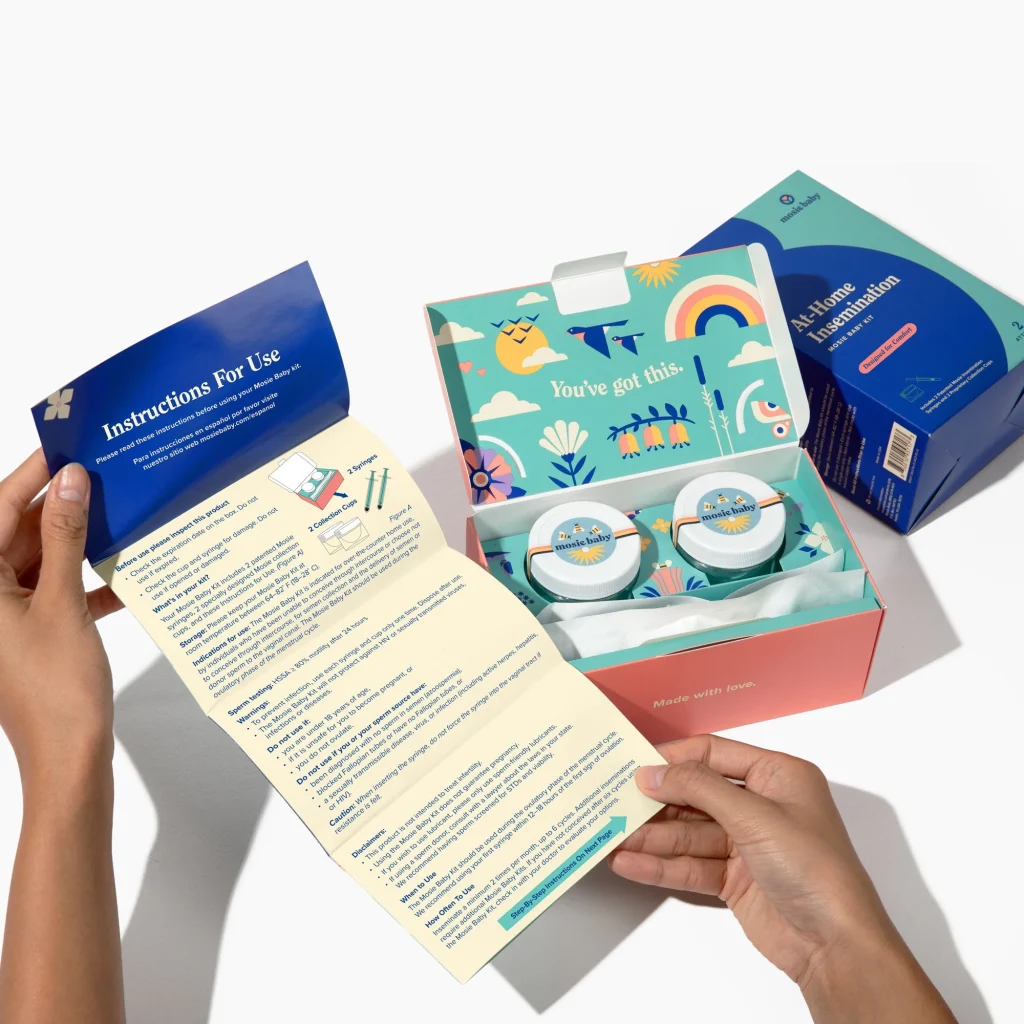
    Mosie Baby At-Home Insemination Kit instructions and storage guidelines on a blue background.

    The Ins and Outs of Using an Insemination Syringe for Pregnancy Planning

    Benefits of Using an Insemination Syringe

    There are several benefits to using an insemination syringe for pregnancy planning:

    1. Can be done at home: One of the most significant advantages of using an insemination syringe is that it can be done at home without the need for medical assistance. This makes it a more convenient and private option for couples.

    2. Cost-effective: Insemination syringes are relatively inexpensive, making them a cost-effective option for couples who cannot afford expensive fertility treatments.

    3. Natural process: Insemination syringe is a non-invasive and natural process that does not involve any drugs or hormonal treatments.

    4. Can be used by same-sex couples: Insemination syringes are a great option for same-sex couples who want to conceive and do not have access to sperm from a male partner.

    Things to Consider Before Using an Insemination Syringe

    While using an insemination syringe for pregnancy planning can be a viable option for many couples, there are a few things to consider before trying it:

    1. Fertility issues: Insemination syringes may not be effective for couples who have underlying fertility issues. It is essential to consult with a fertility specialist before trying this method.

    2. Risk of infection: As with any medical instrument, there is a risk of infection when using an insemination syringe. It is crucial to sterilize the syringe before and after use to reduce this risk.

    3. It may take multiple attempts: As mentioned earlier, the success rate of using an insemination syringe is around 10-15%. This means that it may take multiple attempts before achieving a pregnancy.

    4. Emotional readiness: Using an insemination syringe can be an emotional process for couples. It is essential to be emotionally prepared for the possibility of multiple attempts before achieving a pregnancy.

    In conclusion, using an insemination syringe for pregnancy planning is a simple and convenient method that can be effective for many couples. However, it is essential to consider all factors, including success rates and potential risks, before trying this method. Consult with a fertility specialist if you have any concerns or questions about using an insemination syringe. Good luck on your journey towards parenthood!

    Summary:

    Using an insemination syringe for pregnancy planning can be an effective and convenient method for conceiving. It is a non-invasive and natural process that can be done at home without the need for medical assistance. The success rate of using an insemination syringe is around 10-15%, and it is a cost-effective option for couples. However, it is essential to consider factors such as underlying fertility issues and the risk of infection before using an insemination syringe.

  • The Ultimate Guide to Using an Insemination Syringe for Pregnancy Planning

    Blog Post Title: The Ultimate Guide to Using an Insemination Syringe for Pregnancy Planning

    Pregnancy planning can be an exciting but overwhelming process. With so many options available, it can be difficult to determine the best method for conceiving. In recent years, the use of insemination syringes for pregnancy planning has gained popularity among those trying to conceive at home. This method offers a simple and cost-effective way to increase the chances of pregnancy. In this blog post, we will delve into the ultimate guide to using an insemination syringe for pregnancy planning, covering everything from how it works to how to use it correctly.

    What is an Insemination Syringe?

    An insemination syringe, also known as an artificial insemination syringe, is a medical device used to inject semen into the cervix or uterus. It is a thin, flexible tube with a plunger at one end and a rounded tip at the other. The syringe is designed to be inserted into the vagina and pushed up towards the cervix, allowing the semen to be deposited closer to the egg.

    How Does it Work?

    Insemination syringes work by bypassing the cervix and depositing sperm directly into the uterus. This method is beneficial for couples who are trying to conceive, as it increases the chances of sperm reaching the egg. The syringe can also be used for intrauterine insemination (IUI) with donor sperm, making it a popular choice for same-sex couples or those with male fertility issues.

    Benefits of Using an Insemination Syringe for Pregnancy Planning

    1. Easy to Use

    One of the main benefits of an insemination syringe is its ease of use. Unlike other fertility treatments, such as IVF, there is no need for medical assistance or invasive procedures. The syringe can be used at home, making it a convenient option for couples trying to conceive.

    2. Cost-Effective

    Another advantage of using an insemination syringe is its affordability. Fertility treatments can be expensive, and for many couples, this may not be a viable option. Insemination syringes are relatively inexpensive, making them a budget-friendly option for pregnancy planning.

    3. Non-Invasive

    Insemination syringes are also non-invasive, which means they do not require any surgical procedures or medication. This can be appealing for couples who prefer a more natural method of conceiving.

    4. Increases Chances of Pregnancy

    By depositing sperm directly into the uterus, insemination syringes increase the chances of pregnancy. This is especially beneficial for couples who may have difficulty with sperm reaching the egg through natural methods.

    How to Use an Insemination Syringe for Pregnancy Planning

    Baby with blue eyes wearing a light blue onesie that says "made with Love" on a soft white background.

    The Ultimate Guide to Using an Insemination Syringe for Pregnancy Planning

    Step 1: Prepare the Syringe

    The first step in using an insemination syringe is to prepare it. Start by washing your hands thoroughly and then wash the syringe with warm, soapy water. Rinse the syringe and let it air dry. It is important to ensure that the syringe is completely clean to avoid any risk of infection.

    Step 2: Collect the Semen

    Next, collect the semen in a sterile container. It is recommended to use a sterile, disposable cup specifically designed for collecting semen. The semen should be collected as close to the time of insemination as possible to ensure its quality and viability.

    Step 3: Load the Syringe

    Once the semen is collected, load the syringe by pulling the plunger back and inserting the tip into the semen. Slowly release the plunger to fill the syringe with semen.

    Step 4: Prepare for Insemination

    To prepare for insemination, lie down on your back with your hips elevated on a pillow. This position helps to tilt the pelvis, making it easier for the syringe to reach the cervix.

    Step 5: Insert the Syringe

    Gently insert the syringe into the vagina, aiming towards the cervix. Once the syringe is inside, push the plunger to release the semen into the cervix or uterus.

    Step 6: Remain Lying Down

    After insemination, it is recommended to remain lying down for around 15 minutes to give the sperm a better chance of reaching the egg.

    Step 7: Dispose of the Syringe

    Once the syringe has been used, dispose of it properly. Do not reuse the syringe, as this can increase the risk of infection and reduce its effectiveness.

    Final Thoughts

    Using an insemination syringe for pregnancy planning can be a simple and effective option for couples trying to conceive. However, it is important to note that this method does not guarantee pregnancy and may not be suitable for everyone. It is always recommended to consult with a medical professional before trying any fertility treatments.

    In summary, an insemination syringe is an easy, cost-effective, and non-invasive method for pregnancy planning. By depositing sperm directly into the uterus, it increases the chances of pregnancy and can be used by couples trying to conceive at home. Properly preparing and using the syringe is crucial for its effectiveness, and it is always best to consult with a medical professional before trying this method.

  • Common Misconceptions About Insemination Syringe Box and Parenthood Prep

    Blog Post:

    Insemination syringe boxes and parenthood prep are topics that are often surrounded by misconceptions and misunderstandings. These misconceptions can lead to confusion and anxiety for those who are considering using a syringe for insemination or preparing for parenthood. In this blog post, we will debunk some of the common misconceptions about insemination syringe boxes and parenthood prep.

    Misconception #1: Insemination Syringe Boxes are Only for Same-Sex Couples

    One of the biggest misconceptions about insemination syringe boxes is that they are only used by same-sex couples. While it is true that same-sex couples may use insemination syringes for insemination, they are not the only ones who can benefit from them. Insemination syringes can also be used by heterosexual couples who are struggling with fertility issues or have difficulty conceiving through traditional methods.

    Insemination syringe boxes are designed to make the insemination process easier and more convenient, regardless of the sexual orientation of the couple. They provide a sterile and safe way to handle sperm and can be used by anyone who wants to increase their chances of becoming pregnant.

    Misconception #2: Insemination Syringe Boxes are Not Safe

    Another common misconception about insemination syringe boxes is that they are not safe to use. Some people believe that using a syringe for insemination can increase the risk of infection or injury. However, this is not true.

    Insemination syringes are designed specifically for this purpose and are made from medical-grade materials that are safe for use. They are also sterile and single-use, which further reduces the risk of infection. As long as the syringe is used correctly and following the instructions provided, it is a safe and effective method for insemination.

    Misconception #3: Insemination Syringe Boxes are Expensive

    Some people may avoid using insemination syringe boxes because they believe they are expensive. However, these boxes are actually a cost-effective option for insemination. Compared to other methods of assisted reproduction, such as intrauterine insemination (IUI) or in vitro fertilization (IVF), using an insemination syringe is much more affordable.

    Additionally, insemination syringe boxes can be reused for multiple cycles, making them a more budget-friendly choice in the long run. It is also possible to purchase individual syringes and sterile cups instead of a full box, which can be even more cost-effective.

    at-home insemination kit with syringes, collection cups, and instructions on a pink background

    Common Misconceptions About Insemination Syringe Box and Parenthood Prep

    Misconception #4: Parenthood Prep is Only Necessary for First-Time Parents

    Parenthood prep is the process of preparing for the arrival of a new baby. This can include things like setting up a nursery, purchasing baby essentials, and taking parenting classes. Some people may think that parenthood prep is only necessary for first-time parents, but this is not true.

    Every pregnancy and baby is different, and even experienced parents may need to prepare for specific needs or challenges. Parenthood prep is an ongoing process that can help parents feel more confident and prepared for the arrival of their new baby.

    Misconception #5: Parenthood Prep is Only About Physical Preparation

    Many people believe that parenthood prep is only about physically preparing for the arrival of a new baby. While setting up a nursery and purchasing baby essentials are important aspects of parenthood prep, it is not the only aspect.

    Parenthood prep also includes emotional and mental preparation for parenthood. This can involve talking to other parents, attending support groups, and learning coping mechanisms for the challenges of parenthood. It is essential to prepare for all aspects of parenthood to ensure a smooth transition into this new role.

    Misconception #6: Parenthood Prep is Only for Mothers

    Another common misconception about parenthood prep is that it is only for mothers. While mothers do play a significant role in parenthood, it is essential for both parents to prepare for the arrival of their new baby.

    Fathers can also benefit from parenthood prep, as it can help them feel more involved and prepared for their new role. Parenthood prep can also include things like learning about co-parenting and establishing a strong support system for both parents.

    In summary, insemination syringe boxes and parenthood prep are often surrounded by misconceptions. These misconceptions can lead to confusion and anxiety for those considering using insemination syringes or preparing for parenthood. However, by debunking these misconceptions, we can educate and inform individuals about the benefits of using an insemination syringe and the importance of parenthood prep for all parents.

    SEO Metadata:

  • The Dos and Don’ts of Using Insemination Syringe Box for Parenthood Prep

    Blog Post:

    When it comes to preparing for parenthood, there are many different methods and tools that can be used. One such tool is the insemination syringe box, which is used for at-home insemination in order to conceive a child. While this method can be a great option for those who are trying to conceive, there are certain dos and don’ts that should be followed in order to ensure the best possible outcome. In this blog post, we will discuss the dos and don’ts of using an insemination syringe box for parenthood prep.

    Dos:

    1. Do consult with a healthcare professional: Before using an insemination syringe box, it is important to consult with a healthcare professional. They can provide you with guidance on how to properly use the syringe and any other necessary information related to fertility and conception.

    2. Do read the instructions carefully: Each insemination syringe box may have slightly different instructions, so it is important to read the instructions carefully before using it. This will help you understand the process and ensure that you are using the syringe correctly.

    3. Do practice proper hygiene: When using an insemination syringe box, it is crucial to practice proper hygiene. This includes washing your hands before and after use, as well as properly cleaning the syringe before and after each use.

    4. Do track your ovulation: Timing is key when it comes to using an insemination syringe box. It is important to track your ovulation to determine the best time to use the syringe for the highest chances of conception.

    Home insemination kit by Mosie Baby with instructions and colorful packaging.

    The Dos and Don'ts of Using Insemination Syringe Box for Parenthood Prep

    5. Do use a high-quality syringe: It is important to invest in a high-quality insemination syringe box. This will ensure that the syringe is safe to use and will provide accurate results.

    Don’ts:

    1. Don’t reuse the syringe: It is important to never reuse the syringe. Each syringe should only be used once and then properly disposed of. Reusing a syringe can increase the risk of infections and other complications.

    2. Don’t skip steps: When using an insemination syringe box, it is important to follow all of the steps outlined in the instructions. Skipping steps or not following them correctly can decrease the chances of conception.

    3. Don’t use expired products: Just like with any other medical product, it is important to check the expiration date on the insemination syringe box. Using an expired product can affect its effectiveness and may even be harmful.

    4. Don’t use lubricants: When using an insemination syringe box, it is important to avoid using lubricants. These can interfere with the sperm and reduce the chances of conception.

    5. Don’t stress: Trying to conceive can be a stressful process, but it is important to try and remain calm and relaxed when using an insemination syringe box. Stress can affect hormone levels and make it more difficult to conceive.

    In summary, using an insemination syringe box can be a helpful tool for those trying to conceive. However, it is important to consult with a healthcare professional, read the instructions carefully, practice proper hygiene, track ovulation, and use a high-quality syringe. It is also crucial to never reuse the syringe, skip steps, use expired products, use lubricants, or stress during the process.