Tag: risks

  • Mosiebaby vs. IVF: Comparing the Success Rates and Costs

    Blog Post: Mosiebaby vs. IVF: Comparing the Success Rates and Costs

    When it comes to starting or growing a family, there are many options available for couples who are struggling with infertility. Two common methods that are often considered are Mosiebaby and IVF (In Vitro Fertilization). Both of these methods aim to help couples conceive, but they have different success rates and costs associated with them. In this blog post, we will compare the success rates and costs of Mosiebaby and IVF to help couples make an informed decision.

    Mosiebaby is a relatively new at-home insemination kit that has gained popularity in recent years. It involves a simple process where a syringe-like device is used to deposit sperm into the vagina. This method is designed for couples who are trying to conceive without any underlying fertility issues. It can also be used by same-sex couples or single women who want to start a family.

    On the other hand, IVF is a more complex and invasive procedure that is typically recommended for couples who have been diagnosed with fertility issues. It involves extracting eggs from the woman’s ovaries and fertilizing them with sperm in a laboratory. The resulting embryos are then transferred into the woman’s uterus for implantation.

    Success Rates:

    One of the most important factors to consider when comparing Mosiebaby and IVF is their success rates. The success rate of Mosiebaby is reported to be around 20-25%, which is comparable to the success rate of natural conception. However, this success rate can vary depending on factors such as the age and overall health of the woman and the quality of the sperm used.

    On the other hand, the success rate of IVF is significantly higher, with an average success rate of 40-45% for women under the age of 35. This rate drops as the woman’s age increases, with a success rate of 30% for women aged 35-37 and only 5% for women over the age of 40. It is also important to note that the success rate of IVF can be affected by various factors such as the cause of infertility, the number and quality of embryos transferred, and the experience of the fertility clinic.

    Costs:

    Another crucial aspect to consider is the cost of Mosiebaby and IVF. Mosiebaby is a relatively affordable option, with a one-time cost of around $89 for a kit that includes two syringes. This makes it a more accessible option for couples who are on a tight budget or cannot afford the high costs associated with IVF.

    logo of mosie baby featuring a heart and leaf design in blue, pink, and green colors

    Mosiebaby vs. IVF: Comparing the Success Rates and Costs

    On the other hand, the cost of IVF can range from $10,000 to $15,000 per cycle, and this does not include additional costs such as medications, testing, and embryo storage. This can add up to a significant amount, especially if multiple IVF cycles are needed to achieve a successful pregnancy. Some insurance plans may cover a portion of the costs, but it is essential to check with your provider beforehand.

    Risks and Side Effects:

    Both Mosiebaby and IVF have potential risks and side effects that couples need to be aware of before making a decision. The main risk associated with Mosiebaby is the possibility of infection if proper hygiene is not maintained during the process. This risk can be minimized by following the instructions provided with the kit.

    IVF, on the other hand, is a more invasive procedure and comes with a higher risk of complications such as multiple pregnancies, ovarian hyperstimulation syndrome, and ectopic pregnancy. It also involves a more extensive use of medications, which can have side effects such as bloating, mood swings, and headaches.

    Emotional and Physical Impact:

    Infertility can take a toll on both the emotional and physical well-being of couples. Mosiebaby can be a less stressful and more intimate option for couples, as it can be done in the privacy of their own home. However, it may not be suitable for couples who have been struggling with infertility for a long time, as the success rate is lower compared to IVF.

    IVF, on the other hand, can be a physically and emotionally demanding process. The injections, monitoring appointments, and egg retrieval can be physically taxing, and the emotional rollercoaster of hope and disappointment can be exhausting for couples. It is essential to consider these factors and be prepared for the emotional and physical impact of both methods.

    Summary:

    In conclusion, Mosiebaby and IVF are two different methods that can help couples conceive, but they have varying success rates, costs, and potential risks and side effects. Mosiebaby is a more affordable and less invasive option, but it may not be suitable for couples with underlying fertility issues. IVF, on the other hand, has a higher success rate but comes with a significantly higher cost and potential risks and side effects. It is essential for couples to consult with their doctor and consider all factors before making a decision.


  • Syringe Insemination and Unexplained Infertility: A Promising Option

    Blog Post Title: Syringe Insemination and Unexplained Infertility: A Promising Option

    Summary:

    Unexplained infertility is a frustrating and often overwhelming diagnosis for couples struggling to conceive. Despite undergoing various fertility treatments, some couples still cannot pinpoint the cause of their infertility, leaving them with limited options. However, there is a promising option for couples with unexplained infertility: syringe insemination.

    Syringe insemination, also known as cervical insemination or intracervical insemination, is a simple and less invasive fertility treatment that involves manually injecting sperm into the woman’s cervix using a syringe. This procedure can be done at home or in a fertility clinic, making it a convenient and cost-effective option for couples.

    In this blog post, we will explore the process of syringe insemination and how it can benefit couples with unexplained infertility. We will also discuss its success rates, risks, and potential side effects, as well as other important considerations for couples considering this treatment.

    Understanding Unexplained Infertility:

    Unexplained infertility is a diagnosis given to couples who have been trying to conceive for at least a year but have no identifiable cause for their infertility. It is estimated that 10-30% of couples struggling with infertility are diagnosed with unexplained infertility, making it a common and frustrating issue.

    Some possible causes of unexplained infertility include hormonal imbalances, ovulation disorders, sperm abnormalities, and structural problems in the reproductive organs. However, in some cases, all of these factors appear normal, and the cause of infertility remains a mystery.

    Syringe Insemination Process:

    Syringe insemination is a relatively simple and less invasive fertility treatment compared to other options such as in vitro fertilization (IVF). The procedure can be done at home or in a fertility clinic, depending on the couple’s preference and their doctor’s recommendation.

    The first step in syringe insemination is to prepare the sperm sample. The male partner can collect the semen sample through masturbation and deposit it into a sterile container. If the couple is using donor sperm, the sample can be obtained from a sperm bank.

    Next, the woman needs to track her ovulation to determine the best time for insemination. This can be done through ovulation predictor kits, tracking basal body temperature, or monitoring cervical mucus changes.

    Once the woman is close to ovulation, the sperm sample is drawn into a syringe and inserted into the woman’s vagina. The syringe is then gently inserted into the cervix, and the sperm is deposited near the cervix.

    Benefits of Syringe Insemination for Unexplained Infertility:

    at-home insemination kit by Mosie Baby, featuring syringes and containers for comfort and convenience.

    Syringe Insemination and Unexplained Infertility: A Promising Option

    Syringe insemination offers several benefits for couples struggling with unexplained infertility. Firstly, it is a less invasive and more comfortable procedure compared to other fertility treatments. It does not require any medication or anesthesia, making it a safer option for women who may have adverse reactions to fertility drugs.

    Secondly, syringe insemination is a more affordable option compared to other fertility treatments such as IVF. The cost of one cycle of syringe insemination can range from $200 to $500, making it a more accessible option for couples on a budget.

    Another significant benefit of syringe insemination is that it can be done at home, eliminating the need for frequent visits to a fertility clinic. This can be a relief for couples who may feel overwhelmed by the medical procedures and appointments associated with other fertility treatments.

    Success Rates of Syringe Insemination:

    The success rates of syringe insemination vary depending on various factors, such as the woman’s age, the quality of the sperm sample, and the timing of the insemination. On average, the success rate for syringe insemination is around 10-15% per cycle, which is lower than IVF’s success rates.

    However, for couples with unexplained infertility, syringe insemination can be an effective option. According to a study, couples with unexplained infertility who underwent syringe insemination had a pregnancy rate of 23.7% per cycle, compared to 13.4% for those who did not undergo any treatment.

    Risks and Side Effects of Syringe Insemination:

    Like any medical procedure, syringe insemination also comes with some risks and potential side effects. Some women may experience cramping or spotting after the procedure, which is considered normal. In rare cases, there may be a risk of infection or allergic reaction to the sperm sample.

    It is essential to discuss any potential risks and side effects with a doctor before undergoing syringe insemination. Additionally, it is crucial to follow proper hygiene and safety measures during the procedure to reduce the risk of infection.

    Other Considerations:

    Before deciding to undergo syringe insemination, there are a few important considerations for couples to keep in mind. Firstly, it is crucial to discuss the procedure with a fertility specialist and have a thorough evaluation to ensure that there are no underlying conditions that may affect the success of the treatment.

    Secondly, syringe insemination may not be suitable for couples with severe male factor infertility or other underlying medical conditions that may affect fertility. In such cases, other fertility treatments may be more effective.

    Lastly, it is essential to manage expectations and understand that syringe insemination may not work for everyone. Couples should be prepared for multiple cycles and potential disappointment if the treatment is not successful.

    In conclusion, syringe insemination is a promising option for couples with unexplained infertility. It is a simple, less invasive, and affordable treatment that can be done at home or in a fertility clinic. While success rates may not be as high as other fertility treatments, it can be an effective option for couples who have exhausted other options or are looking for a less invasive approach.

    SEO Metadata:

  • Frequently Asked Questions About Syringe Insemination for Infertility

    Blog post summary:

    pregnancy test kit features labeled for comfort and confidence on a teal background

    Frequently Asked Questions About Syringe Insemination for Infertility

    Syringe insemination, also known as intrauterine insemination (IUI), is a common fertility treatment option for couples struggling with infertility. It involves injecting sperm directly into the uterus, increasing the chances of fertilization. However, many people have questions and concerns about this procedure. In this blog post, we will answer some of the most frequently asked questions about syringe insemination for infertility. We will provide information on the process, success rates, risks, and more. By the end of this post, you will have a better understanding of syringe insemination and whether it may be the right choice for you.

  • The Ultimate Guide to Syringe Insemination for Infertility

    Blog Post: The Ultimate Guide to Syringe Insemination for Infertility

    Infertility affects millions of couples worldwide, making it a common and frustrating issue for those trying to conceive. Fortunately, advancements in assisted reproductive technology have provided new options for couples struggling with infertility. One method that has gained popularity in recent years is syringe insemination, also known as intracervical insemination (ICI). In this blog post, we will provide an in-depth guide to syringe insemination, including what it is, who it is suitable for, how it is performed, and its success rates.

    What is Syringe Insemination?

    Syringe insemination is a simple and non-invasive procedure that involves the insertion of washed and concentrated sperm into the cervix using a sterile syringe. This method is often used for couples with male factor infertility, unexplained infertility, or those who are unable to conceive through natural intercourse.

    Who is Suitable for Syringe Insemination?

    Syringe insemination can be a suitable option for couples who have been trying to conceive for at least a year with no success. It is also recommended for couples who have been diagnosed with male factor infertility, such as low sperm count, poor sperm motility, or abnormal sperm morphology. Syringe insemination can also be a viable option for same-sex female couples or single women who desire to have a child.

    How is Syringe Insemination Performed?

    The first step in syringe insemination is to collect a semen sample from the male partner. The sample is then washed and concentrated to remove any impurities and increase the number of healthy sperm. Next, the female partner will be asked to lie down on an examination table with her feet in stirrups, similar to a pelvic exam. A speculum is then inserted into the vagina to visualize the cervix. The sperm sample is then drawn into a sterile syringe and inserted into the cervix, where it is released. The entire procedure usually takes less than 15 minutes and is relatively painless.

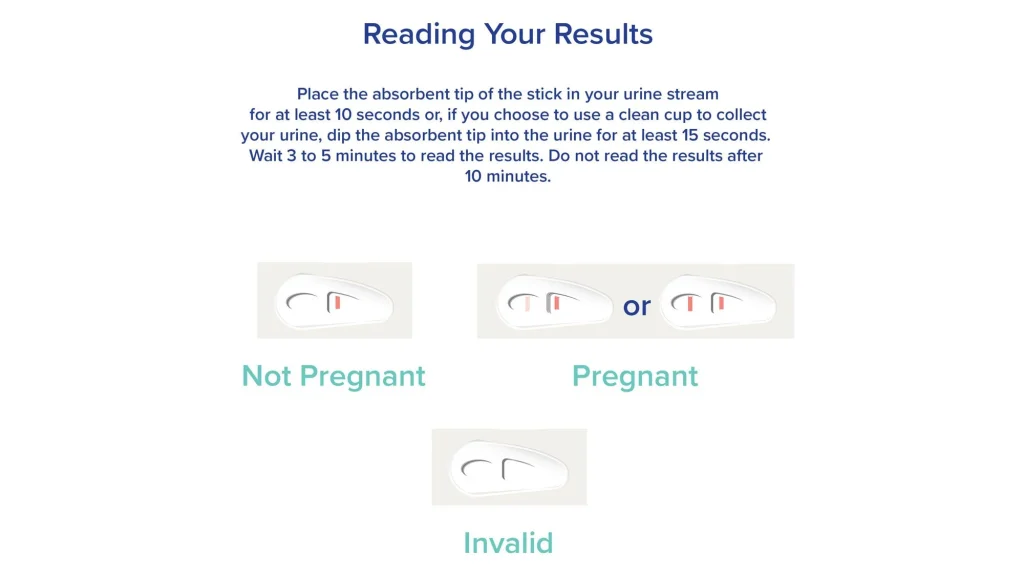
    Instructions for reading pregnancy test results with visual indicators for "Not Pregnant," "Pregnant," and "Invalid.

    The Ultimate Guide to Syringe Insemination for Infertility

    Success Rates of Syringe Insemination

    The success rate of syringe insemination varies depending on the cause of infertility and the age of the female partner. According to the American Pregnancy Association, the success rate for syringe insemination is between 5-15% per cycle. However, multiple cycles may be needed to achieve a successful pregnancy. Factors that can affect the success rate include the quality and quantity of sperm, the timing of the insemination, and the overall health of the female partner.

    Risks and Side Effects

    Syringe insemination is a safe and straightforward procedure, and the risks and side effects are minimal. The only potential risk is a small chance of infection, which can be prevented by ensuring that all equipment used is sterile. Some women may experience mild cramping or spotting after the procedure, but this should resolve within a day or two.

    Tips for a Successful Syringe Insemination

    1. Choose a reputable fertility clinic or doctor with experience in syringe insemination.
    2. Track your ovulation to ensure that the insemination is performed during your most fertile days.
    3. Follow the doctor’s instructions for preparing the sperm sample and performing the insemination.
    4. Stay relaxed and avoid stress before and after the procedure.
    5. Consider alternative methods, such as intrauterine insemination (IUI), if syringe insemination is not successful after multiple attempts.

    In conclusion, syringe insemination can be a promising option for couples struggling with infertility. It is a simple and effective procedure that can be performed in a doctor’s office without the need for anesthesia. However, it is essential to discuss with a fertility specialist to determine if syringe insemination is the right choice for you based on your individual circumstances.

    SEO Metadata:

  • Syringe Insemination: A Solution for Couples Struggling with Unexplained Infertility

    Summary:

    Syringe insemination is a relatively new and innovative technique that is gaining popularity as a solution for couples struggling with unexplained infertility. This method involves the use of a syringe to insert sperm directly into the cervix, bypassing any potential issues with the reproductive system. While it may not be suitable for all cases of infertility, it has shown promising results for many couples who have been unable to conceive through traditional methods.

    In this blog post, we will discuss what syringe insemination is, how it works, and its success rates. We will also explore the advantages and disadvantages of this technique, as well as the potential risks and side effects. Additionally, we will look at the cost and availability of syringe insemination, and how it compares to other fertility treatments. Finally, we will hear from couples who have successfully used syringe insemination to start their families, and their experiences with the process.

    What is Syringe Insemination?

    Syringe insemination, also known as intracervical insemination (ICI), is a fertility treatment that involves the direct insertion of sperm into the cervix using a syringe. It is a relatively simple and non-invasive procedure that can be done at home or in a doctor’s office. Unlike other assisted reproductive techniques such as in vitro fertilization (IVF), syringe insemination does not require the use of fertility drugs or extensive medical procedures.

    How Does it Work?

    The first step in syringe insemination is to collect semen from the male partner. This can be done through masturbation or by using a special condom during intercourse. The semen is then placed in a sterile syringe and inserted into the cervix, close to the opening of the uterus. The sperm then travels through the cervix and into the uterus, increasing the chances of fertilization.

    Success Rates of Syringe Insemination

    Although success rates can vary, studies have shown that syringe insemination has a success rate of around 15-20%. This is comparable to the success rates of other fertility treatments such as intrauterine insemination (IUI). However, it is worth noting that the success rate of syringe insemination may be lower for couples with certain fertility issues, such as low sperm count or motility.

    Advantages of Syringe Insemination

    Baby with blue eyes wearing a light blue onesie that says "made with Love" on a soft white background.

    Syringe Insemination: A Solution for Couples Struggling with Unexplained Infertility

    One of the main advantages of syringe insemination is its non-invasive nature. Unlike IVF, which involves surgical procedures and fertility drugs, syringe insemination is a simple and painless process. It also does not require a significant amount of time or preparation, making it a more convenient option for many couples. Additionally, syringe insemination is a more affordable option compared to other fertility treatments, making it accessible to a wider range of people.

    Disadvantages and Risks of Syringe Insemination

    Some potential disadvantages of syringe insemination include the need for a fertile male partner and the possibility of multiple attempts before achieving a pregnancy. Additionally, there is a risk of infection if the syringe is not sterile or if the sperm used is not of high quality. Couples should also be aware that the success rate of syringe insemination may decrease with age, as fertility declines with age.

    Cost and Availability

    The cost of syringe insemination can vary depending on factors such as location, clinic, and additional procedures or tests that may be needed. On average, it can cost anywhere from $200-$1000 per cycle. However, some insurance plans may cover part or all of the cost, so it is important to check with your insurance provider. Syringe insemination is also widely available, and many fertility clinics and doctors offer this service.

    Comparing to Other Fertility Treatments

    Syringe insemination is often seen as a more natural and affordable alternative to other fertility treatments such as IVF. While it may not be suitable for all cases of infertility, it can be a good option for couples with unexplained infertility or who are unable to conceive through intercourse. It is also a less invasive option compared to IUI, which involves the insertion of a catheter through the cervix.

    Success Stories

    Many couples have shared their success stories with syringe insemination, and how it has helped them overcome their struggles with infertility. For example, Megan and James had been trying to conceive for two years without success. After trying syringe insemination, they were able to get pregnant on their first try. Sarah and David also had a similar experience, and they now have a healthy baby girl thanks to syringe insemination.

    In conclusion, syringe insemination can be a viable option for couples struggling with unexplained infertility. It is a simple, non-invasive, and affordable technique with a success rate comparable to other fertility treatments. However, it is important to consult with a doctor to determine if it is the right option for you and your partner. With its increasing popularity and success stories, syringe insemination may be the solution that many couples have been searching for.

  • Syringe Insemination and Unexplained Infertility: What You Need to Know

    Blog Post Title: Syringe Insemination and Unexplained Infertility: What You Need to Know

    Summary:

    Infertility affects millions of couples around the world, with approximately 1 in 8 couples struggling to conceive. While there are various known causes of infertility, such as hormonal imbalances, blocked fallopian tubes, or low sperm count, there is a subset of couples that fall under the category of “unexplained infertility.” This means that all the standard fertility tests and examinations have shown no obvious cause for their inability to conceive.

    In recent years, a new technique called syringe insemination has emerged as a potential solution for couples with unexplained infertility. This method involves using a syringe to inject the sperm directly into the cervix, bypassing the need for natural fertilization.

    In this blog post, we will delve deeper into the concept of syringe insemination and its effectiveness in treating unexplained infertility. We will also discuss the potential risks and side effects, as well as alternative treatments for couples struggling with this type of infertility.

    What is Syringe Insemination?

    Syringe insemination, also known as intracervical insemination (ICI), is a fertility treatment that involves manually injecting sperm into the cervix using a syringe. It is a non-invasive procedure that can be performed at home or in a clinical setting.

    The process of syringe insemination is relatively simple. The sperm is collected through masturbation or a special collection condom and then washed and prepared in a laboratory to remove any impurities. Once the sperm is ready, it is drawn into a syringe and inserted into the vagina, with the tip of the syringe placed near the cervix. The sperm is then slowly injected into the cervix.

    Syringe insemination can be done at home by the couple themselves or with the help of a healthcare professional. In a clinical setting, the procedure is usually performed by a fertility specialist or nurse.

    How Effective is Syringe Insemination for Unexplained Infertility?

    The success rates of syringe insemination vary depending on several factors, such as the age of the woman, the quality of the sperm, and the timing of the insemination. Studies have shown that syringe insemination has a success rate of around 10-15% per cycle, which is lower than other fertility treatments such as in vitro fertilization (IVF) or intrauterine insemination (IUI).

    However, for couples with unexplained infertility, syringe insemination may be a viable option as it has been shown to improve their chances of conception significantly. This is because it bypasses any potential barriers or issues in the woman’s reproductive system, such as cervical mucus or hormonal imbalances.

    Risks and Side Effects of Syringe Insemination

    Mosie Baby Kit with a syringe and container, highlighting safety and usability features on a blue background.

    Syringe Insemination and Unexplained Infertility: What You Need to Know

    Syringe insemination is generally considered a safe and non-invasive procedure with minimal risks. However, as with any medical procedure, there are some potential risks and side effects to consider.

    The most common side effect of syringe insemination is cramping or discomfort during or after the procedure. Some women may also experience spotting or light bleeding, which is usually normal and should subside within a day or two.

    There is also a small risk of infection, although this is rare. To minimize this risk, it is essential to ensure that all equipment, including syringes and collection containers, is sterile and properly cleaned.

    Another risk to consider is the potential for an allergic reaction to the sperm or the lubricant used during the procedure. If you or your partner have any known allergies, it is essential to discuss this with your healthcare provider before undergoing syringe insemination.

    Alternative Treatments for Unexplained Infertility

    Syringe insemination is just one of the many fertility treatments available for couples with unexplained infertility. Depending on the underlying cause of your infertility, your doctor may recommend alternative treatments such as intrauterine insemination (IUI), in vitro fertilization (IVF), or fertility medications.

    IUI involves placing washed sperm directly into the uterus, which can increase the chances of fertilization. IVF, on the other hand, involves retrieving eggs from the woman’s ovaries and fertilizing them with sperm in a laboratory before transferring the resulting embryos into the uterus.

    Fertility medications, such as clomiphene or letrozole, can also be prescribed to stimulate ovulation in women or improve sperm count and motility in men.

    In some cases, lifestyle changes such as maintaining a healthy weight, quitting smoking, reducing alcohol intake, and managing stress can also improve fertility in couples with unexplained infertility.

    Conclusion

    Syringe insemination is a relatively new and promising treatment for couples with unexplained infertility. While it may not be as effective as other fertility treatments, it offers a non-invasive and affordable solution for couples who have not been able to conceive naturally.

    If you are considering syringe insemination, it is essential to consult with a fertility specialist to determine if it is the right option for you. They can also guide you through the process and answer any questions or concerns you may have.

    Remember, infertility can be a challenging and emotional journey, but with the right treatment and support, many couples can achieve their dream of starting a family.

    SEO metadata:

  • The Role of Technology in Home Insemination: New Tools and Techniques

    Blog Post:

    The Role of Technology in Home Insemination: New Tools and Techniques

    In recent years, there has been a growing trend of individuals and couples turning to home insemination as a way to start or expand their families. This method, also known as artificial insemination, involves the use of various tools and techniques to deposit sperm into the female reproductive tract. While traditionally done in a clinical setting, advancements in technology have made it possible for individuals to perform home insemination with the help of new tools and techniques. In this blog post, we will explore the role of technology in home insemination and how it has made this method more accessible, affordable and convenient for those looking to conceive.

    Advancements in Technology:

    One of the main reasons for the rise in popularity of home insemination is the advancement in technology. In the past, this method was primarily used by heterosexual couples struggling with infertility. However, with the introduction of new tools and techniques, home insemination has become a viable option for single women, same-sex couples, and couples who prefer a more private and intimate conception process.

    One of the most significant advancements in home insemination technology is the invention of at-home insemination kits. These kits come with all the necessary equipment, including a syringe, specimen cup, and instructions, making it easier for individuals to perform insemination at home. These kits are readily available online and in pharmacies, making it possible for people to access them without a doctor’s prescription.

    Another technology that has revolutionized home insemination is the use of digital apps and tools to track ovulation. These apps use algorithms and data input by the user to predict the most fertile days of the menstrual cycle. This information is crucial for couples trying to conceive through home insemination, as timing is key for a successful outcome. With the help of these apps, individuals can accurately track their fertility window and plan their insemination accordingly.

    Innovative Techniques:

    Mosie Baby At-Home Insemination Kit instructions and storage guidelines on a blue background.

    The Role of Technology in Home Insemination: New Tools and Techniques

    Aside from new tools, there have also been innovative techniques developed to improve the success rates of home insemination. One such technique is the use of intrauterine insemination (IUI) at home. In a clinical setting, IUI involves placing the sperm directly into the uterus using a thin catheter. However, with the help of a special device called an IUI catheter, individuals can now perform this method in the comfort of their own homes. This technique has been proven to be more effective than traditional home insemination methods, with a higher chance of conception.

    Another technique gaining popularity is the use of a cervical cap. This device is similar to a diaphragm and is used to collect and hold the sperm near the cervix for a longer period, increasing the chances of fertilization. The cap can be inserted before intercourse and removed after a few hours, making it a discreet and convenient option for home insemination.

    Challenges and Risks:

    While technology has made home insemination more accessible, it is not without its challenges and risks. One of the main challenges is the lack of regulation and oversight in the use of these tools and techniques. Unlike in a clinical setting, there is no medical professional present to guide and monitor the process, increasing the risk of errors and potential complications.

    There is also a risk of using low-quality or contaminated sperm, as individuals may opt for self-collection or purchase sperm from unregulated sources. This can lead to the transmission of sexually transmitted infections or genetic disorders, highlighting the need for proper screening and testing of sperm donors.

    Summary:

    In summary, technology has played a significant role in the rise of home insemination as a viable method of conception. Advancements in technology have made it more accessible and convenient for individuals and couples, while innovative techniques have improved success rates. However, there are also challenges and risks associated with home insemination, highlighting the importance of proper education, regulation, and oversight in this practice.

    SEO metadata:

  • The Do’s and Don’ts of Home Insemination: What You Need to Know

    Blog Post:

    Home insemination, also known as self-insemination, is the process of using a donor’s sperm to achieve pregnancy at home without the assistance of a medical professional. This method has gained popularity in recent years as a more affordable and discreet option for those looking to start a family. However, before embarking on this journey, there are important do’s and don’ts that you need to know in order to maximize your chances of success and keep yourself safe. In this blog post, we will discuss the do’s and don’ts of home insemination and what you need to know before starting the process.

    Do’s:

    1. Do your research: Before starting the home insemination process, it is crucial to do thorough research on the topic. This includes understanding the legalities, risks, and success rates associated with home insemination. It is also important to research different methods and techniques to determine which one will work best for you.

    2. Do consult with a medical professional: While home insemination can be done without the assistance of a doctor, it is still recommended to seek advice from a medical professional. They can provide guidance on the best methods to use and ensure that you are physically and mentally prepared for the process.

    3. Do choose a reliable and healthy donor: Selecting a donor for home insemination can be a daunting task. It is important to choose someone who is reliable, healthy, and has undergone proper medical screenings. You can also consider using a sperm bank to ensure the safety and quality of the sperm.

    4. Do have a plan: Before starting the insemination process, it is important to have a plan in place. This includes knowing when your ovulation occurs, having all necessary supplies on hand, and having a backup plan in case the first attempt is unsuccessful.

    comparison of Mosie syringe opening versus standard syringe opening with text highlighting benefits

    The Do's and Don'ts of Home Insemination: What You Need to Know

    5. Do follow proper hygiene and safety protocols: It is crucial to maintain proper hygiene and safety protocols during the insemination process. This includes washing your hands and the donor’s hands thoroughly, using sterile equipment, and properly disposing of waste materials.

    Don’ts:

    1. Don’t use expired or poor-quality supplies: When it comes to home insemination, using expired or poor-quality supplies can greatly decrease your chances of success. It is important to always use fresh and high-quality supplies to ensure the best results.

    2. Don’t attempt home insemination without proper consent: It is important to have proper consent from all parties involved before starting the home insemination process. This includes the donor, any partners, and any legal documentation that may be required.

    3. Don’t skip the legalities: While home insemination may seem like a private and personal process, it is important to understand and follow the legalities involved. This may include obtaining donor consent, establishing parental rights, and ensuring that all parties involved are protected.

    4. Don’t ignore potential risks: As with any medical procedure, there are risks associated with home insemination. It is important to be aware of these risks and take necessary precautions to minimize them. This includes having a backup plan in case of complications and seeking medical attention if needed.

    5. Don’t give up after one attempt: Home insemination may not be successful on the first try. It is important to not get discouraged and to keep trying. It may take multiple attempts before achieving a successful pregnancy.

    In summary, home insemination can be a safe and effective option for those looking to start a family. However, it is important to do thorough research, seek medical advice, and follow proper protocols in order to increase your chances of success and ensure the safety of all parties involved.

  • The Science Behind Fertility: How Insemination Kits Can Help You Get Pregnant

    Summary:

    Fertility is a complex and often sensitive topic for many individuals and couples. It involves the ability to conceive and carry a child to term, and for some, this process can be difficult and frustrating. However, advancements in science and technology have made it possible for individuals and couples to increase their chances of getting pregnant through the use of insemination kits. These kits offer a convenient, affordable, and effective method for individuals and couples to take control of their fertility journey.

    In this blog post, we will delve into the science behind fertility and how insemination kits can help you get pregnant. We will discuss the different types of insemination kits available, how they work, and the success rates associated with their use. Additionally, we will touch upon the potential risks and considerations to keep in mind when using insemination kits.

    The Science Behind Fertility:

    Fertility is the natural ability to reproduce, and it requires a complex interplay of hormones, organs, and processes in both males and females. In females, fertility is primarily centered around the menstrual cycle, which involves the release of an egg from the ovaries and preparation of the uterus for potential pregnancy. In males, fertility is centered around the production and release of sperm.

    For pregnancy to occur, sperm must successfully fertilize an egg, which then implants itself in the uterus and develops into a fetus. However, various factors can affect fertility, including age, hormonal imbalances, underlying health conditions, and lifestyle factors such as smoking and excessive alcohol consumption.

    How Insemination Kits Can Help:

    Insemination kits, also known as at-home insemination kits or artificial insemination kits, are designed to assist individuals and couples in increasing their chances of getting pregnant. These kits offer a simple and accessible method for insemination to take place in the comfort of one’s own home.

    There are two main types of insemination kits: intracervical insemination (ICI) and intrauterine insemination (IUI). ICI involves placing the sperm near the cervix, while IUI involves placing the sperm directly into the uterus. Both methods aim to bring the sperm closer to the egg, increasing the chances of fertilization.

    Colorful promotional image for Mosie Baby, featuring home insemination kit and encouraging text.

    The Science Behind Fertility: How Insemination Kits Can Help You Get Pregnant

    One of the main benefits of using insemination kits is convenience. Unlike medical procedures, which require appointments and visits to a clinic, insemination kits can be used at home at the most optimal time during the menstrual cycle. This can be particularly beneficial for individuals or couples who have busy schedules or do not have easy access to fertility clinics.

    Another advantage of insemination kits is their affordability. Medical procedures for fertility treatments can be expensive, making them inaccessible for many individuals and couples. Insemination kits offer a more cost-effective option, with prices ranging from $50 to $300, depending on the type and brand.

    Success Rates:

    The success rates of insemination kits vary depending on several factors, including the age and health of the individual or couple, the type of insemination kit used, and the timing of insemination. According to a study published in the Journal of Assisted Reproduction and Genetics, the success rates for ICI range from 10-14%, while the success rates for IUI range from 12-26%.

    It is important to note that the success rates of insemination kits are lower than those of medical procedures such as in vitro fertilization (IVF). However, for individuals and couples who are not ready or able to pursue medical treatments, insemination kits offer a more accessible option with a reasonable chance of success.

    Risks and Considerations:

    As with any medical procedure or treatment, there are potential risks and considerations to keep in mind when using insemination kits. One of the main risks is the possibility of infection. It is crucial to ensure that the kit and all materials used are sterile and to follow the instructions carefully to minimize the risk of infection.

    Additionally, it is essential to consider the quality of the sperm used in the insemination process. Sperm quality can vary, and factors such as age, health, and lifestyle habits can affect it. It is recommended to use sperm from a known and healthy donor or to undergo testing to ensure optimal sperm quality.

    In conclusion, fertility is a complex process that can be affected by various factors. Insemination kits offer a convenient, affordable, and effective method for individuals and couples to take control of their fertility journey. While success rates may vary, insemination kits provide a viable option for those looking to increase their chances of getting pregnant without the need for medical procedures.

  • The Financial Reality of Home Insemination: Cost Comparison and Savings

    Blog Post Title: The Financial Reality of Home Insemination: Cost Comparison and Savings

    Summary:

    Home insemination, also known as self-insemination, is a method of conceiving a child without medical interventions such as in vitro fertilization (IVF) or intrauterine insemination (IUI). This process involves collecting sperm from a donor and self-inserting it into the cervix or vagina. While it may sound like a simple and cost-effective option for those trying to conceive, the financial reality of home insemination can be more complex than expected.

    In this blog post, we will delve into the financial aspects of home insemination, including the costs involved, the potential savings compared to traditional fertility treatments, and the factors to consider when deciding if it is the right option for you.

    Cost Comparison:

    The cost of home insemination can vary depending on the method chosen and the individual circumstances. The two most common methods of home insemination are using a known donor or purchasing sperm from a sperm bank.

    If using a known donor, the costs may include purchasing an at-home insemination kit, ovulation predictor kits, and possibly legal fees for drafting a donor agreement. The cost of these items can range from $100 to $500, depending on the quality and type of kit chosen. Additionally, legal fees can add up to thousands of dollars.

    If opting for sperm from a sperm bank, the cost can range from $500 to $1,000 per vial, with some sperm banks offering discounted rates for bulk purchases. The number of vials needed per insemination varies, but on average, it may take 2-3 vials per cycle. Therefore, the overall cost can add up quickly, especially if multiple insemination cycles are needed.

    Comparing these costs to traditional fertility treatments, such as IVF or IUI, home insemination may seem like a more affordable option. However, it is essential to consider the potential hidden costs and risks involved.

    Baby wearing a blue shirt with "made with Love" text, surrounded by colorful floral and butterfly designs.

    The Financial Reality of Home Insemination: Cost Comparison and Savings

    Hidden Costs and Risks:

    While the upfront costs of home insemination may seem relatively low, there are hidden costs and potential risks that individuals or couples should be aware of. These include the possibility of multiple insemination attempts, which can increase the overall cost significantly.

    Moreover, there is a risk of not achieving pregnancy through home insemination, which can lead to additional expenses for fertility testing or seeking medical treatments. In contrast, traditional fertility treatments typically have a higher success rate and may be a more cost-effective option in the long run.

    Factors to Consider:

    When deciding if home insemination is the right option for you, there are various factors to consider, including your financial situation, the success rates of the method chosen, and the potential risks involved.

    If finances are a significant concern, home insemination may seem like a more affordable option. However, it is crucial to have a realistic understanding of the costs involved and the potential risks and hidden expenses.

    Moreover, the success rates of home insemination may be lower than traditional fertility treatments, such as IVF or IUI. Therefore, it is essential to weigh the potential savings against the potential success rates when making a decision.

    Additionally, those considering home insemination should also consider their legal rights and responsibilities, especially when using a known donor. It is crucial to have a clear and legally binding donor agreement in place to protect all parties involved.

    In conclusion, while home insemination may seem like a cost-effective option for those trying to conceive, the financial reality can be more complex than expected. It is essential to consider all the costs, risks, and factors involved before making a decision.