Tag: smoking

  • Alcohol and Cervical Mucus: What Every Woman Should Know

    Blog Post:

    Alcohol consumption is a common and often enjoyable social activity for many people, but it can have various effects on our bodies. One aspect that is not often discussed is the impact of alcohol on cervical mucus in women. Cervical mucus plays a crucial role in a woman’s reproductive health, and understanding how alcohol affects it is essential for every woman. In this blog post, we will explore the relationship between alcohol and cervical mucus and what every woman should know.

    What is Cervical Mucus?

    Cervical mucus is a fluid produced by the cervix, the narrow passage that connects the uterus to the vagina. It plays a vital role in a woman’s fertility by helping sperm travel through the cervix to fertilize an egg. Cervical mucus also protects the cervix from infection and acts as a barrier to prevent bacteria from entering the uterus.

    The consistency and amount of cervical mucus change throughout a woman’s menstrual cycle due to hormonal fluctuations. Monitoring these changes can help women track their fertility and ovulation, making it easier to conceive or avoid pregnancy.

    How does Alcohol affect Cervical Mucus?

    Alcohol consumption can impact the production and quality of cervical mucus in several ways. Firstly, alcohol is a diuretic, meaning it increases urination and can lead to dehydration. Dehydration can cause a decrease in cervical mucus production, making it less abundant and thicker than usual. This change in consistency can make it difficult for sperm to survive and swim through the cervix, hindering the chances of conception.

    Moreover, alcohol can also disrupt hormone levels in the body, affecting the quality of cervical mucus. Estrogen plays a significant role in the production of fertile cervical mucus, and alcohol consumption can lower estrogen levels, making the mucus less fertile. This decrease in estrogen levels can also delay ovulation, making it harder for women to track their fertility and plan for pregnancy.

    Another way alcohol can affect cervical mucus is by increasing the acidity of the vagina. The vagina is naturally slightly acidic, which is essential to maintain a healthy balance of bacteria. However, excessive alcohol consumption can increase the acidity, making it difficult for sperm to survive and decreasing the chances of conception.

    Alcohol and Cervical Mucus during Pregnancy

    at-home insemination kit by Mosie Baby, featuring syringes, collection cups, and instructions on a pink background.

    Alcohol and Cervical Mucus: What Every Woman Should Know

    For women who are trying to conceive, it is crucial to understand the effects of alcohol on cervical mucus. However, even for pregnant women, alcohol consumption can have adverse effects on cervical mucus and overall reproductive health.

    During pregnancy, the cervix produces a thick plug of mucus to protect the uterus and baby from infection. This mucus plug acts as a barrier to prevent bacteria from entering the uterus and potentially harming the baby. However, alcohol can weaken this mucus plug, making it easier for bacteria to enter the uterus and increasing the risk of infection.

    Moreover, alcohol consumption during pregnancy can also lead to premature labor and delivery. This is because alcohol can cause the cervix to dilate and thin out, leading to an early birth. Premature birth can have severe consequences for both the mother and the baby, making it crucial for pregnant women to avoid alcohol consumption.

    Tips for Maintaining Healthy Cervical Mucus

    To ensure healthy cervical mucus, it is essential to maintain a healthy lifestyle. This includes drinking plenty of water to stay hydrated and avoiding excessive alcohol consumption. It is also important to maintain a balanced diet rich in nutrients, as certain vitamins and minerals can support cervical mucus production and quality.

    Moreover, quitting smoking can also have a positive impact on cervical mucus. Smoking can damage the cervix and interfere with its ability to produce mucus, making it less fertile and increasing the risk of infections.

    Summary:

    In conclusion, alcohol consumption can have significant effects on cervical mucus in women. From decreasing production and changing its quality to increasing the risk of infection, alcohol can hinder fertility and have adverse effects on pregnancy. It is crucial for every woman to be aware of these effects and make informed decisions about alcohol consumption to maintain a healthy reproductive system.

    Tips for maintaining healthy cervical mucus include staying hydrated, eating a balanced diet, and quitting smoking. It is also essential to track changes in cervical mucus and consult a healthcare provider if there are any concerns about fertility or pregnancy.

    SEO metadata:

  • The Surprising Effects of Smoking on Cervical Mucus Quality and Your Reproductive Health

    Summary:

    Smoking has long been known to have negative effects on overall health, but many people are surprised to learn that it can also impact reproductive health in women. One particular area of concern is the quality of cervical mucus, which plays a crucial role in fertility and conception. In this blog post, we will explore the surprising effects of smoking on cervical mucus quality and how it can impact your reproductive health.

    First, we will discuss the role of cervical mucus in the female reproductive system. Cervical mucus is a fluid produced by the cervix that helps to nourish and protect sperm as they travel towards the egg. It also acts as a barrier, preventing bacteria and other harmful substances from entering the uterus. The quality and consistency of cervical mucus change throughout the menstrual cycle, with the most fertile mucus being thin, clear, and stretchy.

    Next, we will delve into the various ways in which smoking can affect cervical mucus quality. Research has shown that smoking can alter the composition of cervical mucus, making it thicker and more hostile to sperm. This can make it more difficult for sperm to reach and fertilize the egg, reducing the chances of conception. Additionally, smoking has been linked to increased levels of inflammation in the cervix, which can further impact the quality of cervical mucus.

    At-home insemination kit with ovulation and pregnancy tests, promoting fertility and family planning.

    The Surprising Effects of Smoking on Cervical Mucus Quality and Your Reproductive Health

    But the effects of smoking on cervical mucus quality don’t stop there. Smoking has also been found to decrease the amount of cervical mucus produced, making it harder for sperm to survive and reach the egg. This is especially problematic for women who are trying to conceive, as a lack of fertile cervical mucus can significantly decrease the chances of pregnancy.

    Furthermore, smoking has been shown to affect the hormonal balance in the body. This can disrupt the natural menstrual cycle and lead to irregular ovulation, making it more difficult to predict the most fertile days for conception. In some cases, smoking can even cause early menopause, further reducing a woman’s chances of getting pregnant.

    But it’s not just fertility that is affected by smoking. Research has also linked smoking to an increased risk of cervical cancer. This is because the harmful chemicals in cigarettes can damage the DNA in cervical cells, leading to abnormal cell growth and potentially cancerous cells.

    So, what can be done to improve cervical mucus quality and overall reproductive health for women who smoke? The most obvious solution is to quit smoking. While this may be challenging, it is crucial for improving overall health and increasing the chances of conception. Additionally, making lifestyle changes such as eating a healthy diet and exercising regularly can also help to improve cervical mucus quality.

    In conclusion, smoking can have surprising and detrimental effects on cervical mucus quality and reproductive health in women. It not only decreases fertility but also increases the risk of cervical cancer. Quitting smoking and making healthy lifestyle choices can help to improve cervical mucus quality and increase the chances of conception. It’s never too late to make a positive change for your reproductive health.

  • The Connection Between Smoking and Cervical Mucus Changes During Pregnancy

    Blog Post: The Connection Between Smoking and Cervical Mucus Changes During Pregnancy

    Pregnancy is a beautiful and life-changing experience for women, but it also comes with a lot of physical changes and challenges. One of the lesser-known changes that can occur during pregnancy is changes in cervical mucus. Cervical mucus is a fluid secreted by the cervix that helps sperm travel to the egg for fertilization. It also serves as a protective barrier against bacteria and other harmful substances. But did you know that smoking can have a significant impact on cervical mucus during pregnancy? In this blog post, we will explore the connection between smoking and cervical mucus changes during pregnancy.

    Effects of Smoking on Cervical Mucus
    Smoking has been known to have detrimental effects on overall health, and pregnancy is no exception. When a woman smokes, the chemicals in the cigarette can affect the quality and quantity of cervical mucus. Research shows that smoking can cause the cervical mucus to become thicker and stickier, making it difficult for sperm to travel through and reach the egg. This can lead to difficulty in conceiving and increase the risk of infertility.

    The chemicals in cigarettes can also irritate the cervix, causing inflammation and changes in the cervical mucus. This can result in a decrease in the amount of mucus produced, making it difficult for sperm to survive and reach the egg. Additionally, smoking can also affect the pH balance of the cervical mucus, making it more acidic and hostile to sperm.

    Impact on Fertility
    As mentioned earlier, smoking can have a significant impact on fertility. In addition to changes in cervical mucus, smoking can also affect the quality of eggs, decrease the chances of embryo implantation, and increase the risk of miscarriage. These effects can be attributed to the harmful chemicals in cigarettes, such as nicotine and carbon monoxide, which can damage the reproductive organs and disrupt the hormonal balance in the body.

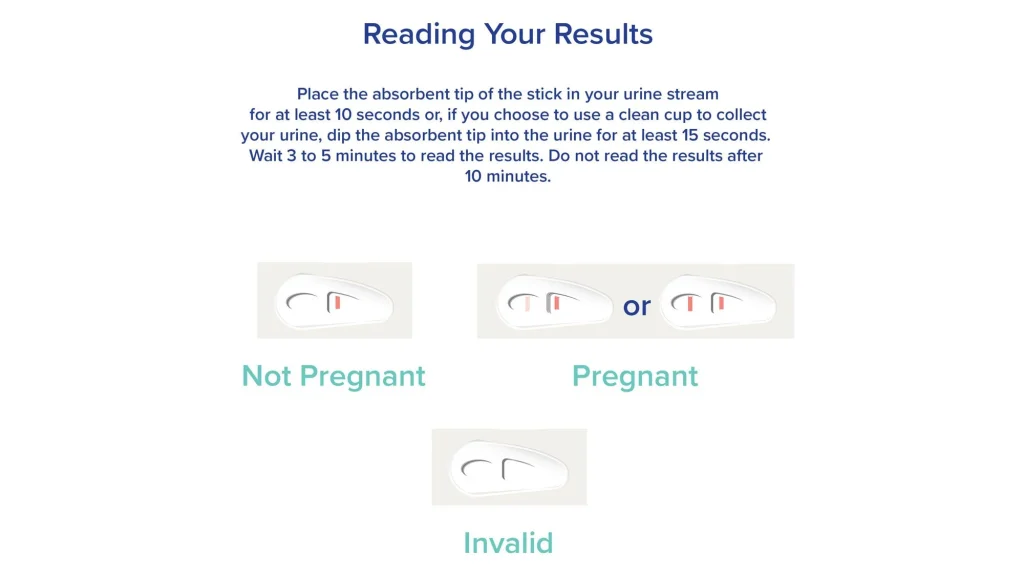
    Instructions for reading pregnancy test results with visual indicators for "Not Pregnant," "Pregnant," and "Invalid.

    The Connection Between Smoking and Cervical Mucus Changes During Pregnancy

    Studies have also shown that smoking can lead to an increased risk of ectopic pregnancy, where the fertilized egg implants outside of the uterus. This condition can be life-threatening for both the mother and the baby.

    Cervical Mucus Changes in Early Pregnancy
    During early pregnancy, the cervical mucus changes in preparation for the fertilized egg to implant in the uterus. This is known as the “fertile window,” and the cervical mucus plays a crucial role in this process. However, smoking can interfere with this process and make it difficult for the egg to implant. The changes in cervical mucus due to smoking can also make it challenging to track ovulation accurately, making it difficult for women to conceive.

    Smoking and Cervical Mucus Changes During Pregnancy
    Smoking during pregnancy can continue to have an impact on cervical mucus. As the pregnancy progresses, the cervix begins to produce a thick plug of mucus to protect the baby from infections. However, smoking can cause this mucus to become thicker and stickier, making it difficult for it to serve its protective function. This can increase the risk of infections, such as bacterial vaginosis, which can lead to complications during pregnancy.

    Impact on the Baby
    The effects of smoking on cervical mucus can also impact the health of the baby. Since cervical mucus helps to protect the baby from infections, any changes in its quality can increase the risk of infections and complications for the baby. Moreover, smoking during pregnancy has been linked to a higher risk of birth defects, premature birth, and low birth weight. These effects can be attributed to the changes in cervical mucus and the overall impact of smoking on the body.

    Quitting Smoking
    The good news is that quitting smoking can reverse many of these effects on cervical mucus. Research shows that women who quit smoking before pregnancy have better quality cervical mucus and a higher chance of conceiving. For women who are already pregnant, quitting smoking can reduce the risk of complications and improve the health of the baby.

    Summary:
    In summary, smoking can have a significant impact on cervical mucus during pregnancy. It can make the mucus thicker and stickier, decrease its quantity, and alter its pH balance, making it difficult for sperm to reach the egg. Smoking can also affect fertility, increase the risk of complications during pregnancy, and impact the health of the baby. Quitting smoking can reverse many of these effects and improve the chances of a healthy pregnancy. It is essential for women who are trying to conceive or are already pregnant to quit smoking for the well-being of themselves and their baby.

  • The Effects of Smoking on Cervical Mucus Production and Ovarian Function

    Blog Post:

    Smoking is a prevalent habit among people of all ages, and it has been linked to a myriad of health issues. Among these, the effects of smoking on cervical mucus production and ovarian function are often overlooked. While many are aware of the negative impact of smoking on fertility, the specific effects on cervical mucus and ovarian function are not widely known. In this blog post, we will explore the research and evidence behind the relationship between smoking and these two crucial aspects of female reproductive health.

    Cervical mucus is a fluid secreted by the cervix, which plays a vital role in the reproductive process. It serves as a protective barrier for the sperm, helping them survive and swim towards the egg. Cervical mucus also provides the sperm with the necessary nutrients and enzymes to help them fertilize the egg. However, smoking can significantly affect the production and quality of cervical mucus, ultimately impacting fertility.

    Studies have shown that smoking can lead to changes in the composition and consistency of cervical mucus. The chemicals in cigarettes, such as nicotine and carbon monoxide, can alter the pH balance and increase the viscosity of cervical mucus. This makes it difficult for sperm to penetrate and swim through the mucus, hindering their chances of reaching the egg.

    Moreover, smoking has been linked to a decrease in cervical mucus production. Research has shown that women who smoke have lower levels of cervical mucus, making it harder for sperm to survive and fertilize the egg. This decrease in mucus production is due to the harmful toxins in cigarettes, which can damage the cells in the cervix responsible for producing mucus.

    Furthermore, smoking has been found to affect the quality of cervical mucus. Studies have shown that smokers have higher levels of free radicals in their cervical mucus, which can cause oxidative stress and damage to the sperm. This can lead to a decrease in sperm motility and viability, making it harder for them to fertilize the egg.

    mosie baby logo featuring a heart and leaves in blue, pink, and green colors.

    The Effects of Smoking on Cervical Mucus Production and Ovarian Function

    The effects of smoking on cervical mucus production also extend to its role in conception and pregnancy. Cervical mucus serves as a natural barrier against infections, and its quality is crucial during pregnancy. However, smoking can weaken this barrier, making women more susceptible to infections that can lead to complications during pregnancy. Additionally, the changes in cervical mucus composition and consistency caused by smoking can also increase the risk of miscarriage.

    Moving on to ovarian function, smoking has been found to have a significant impact on ovulation and the overall health of the ovaries. The chemicals in cigarettes can cause damage to the eggs and follicles in the ovaries, affecting their quality and maturation. This can lead to irregular ovulation or even complete cessation of ovulation, resulting in infertility.

    Moreover, smoking can accelerate the depletion of a woman’s egg reserve, leading to early menopause. This is because smoking can increase the production of hormones that can damage the follicles in the ovaries, causing them to run out of eggs at a faster rate. Early menopause not only impacts fertility but also increases the risk of health issues such as osteoporosis and cardiovascular disease.

    In addition to its direct effects on ovarian function, smoking can also impact the success of fertility treatments. Women who smoke have been found to have lower success rates with assisted reproductive technologies such as in vitro fertilization (IVF). This is due to the negative impact of smoking on the quality and quantity of eggs, making it harder for them to be fertilized and develop into a healthy embryo.

    In summary, smoking can have detrimental effects on both cervical mucus production and ovarian function. The chemicals in cigarettes can alter the composition and consistency of cervical mucus, making it difficult for sperm to reach the egg. Smoking can also lead to a decrease in cervical mucus production and quality, which can impact conception and pregnancy. Furthermore, smoking can damage the eggs and follicles in the ovaries, affecting ovulation and fertility. These effects can also impact the success of fertility treatments, highlighting the need for women to quit smoking if they are trying to conceive.

    In conclusion, smoking has far-reaching effects on reproductive health, and it is essential to raise awareness about its impact on cervical mucus production and ovarian function. Quitting smoking not only improves overall health but can also significantly increase the chances of conception and a healthy pregnancy. It is never too late to quit smoking and take control of your reproductive health.

  • Cervical Mucus Changes in Smokers: How It Can Impact Your Conception Journey

    Blog Post:

    Cervical mucus, also known as cervical fluid, is a natural substance produced by the cervix that plays a crucial role in the conception process. It helps sperm survive and travel through the reproductive tract to reach the egg, ultimately increasing the chances of pregnancy. However, for smokers, cervical mucus can undergo significant changes that can have a significant impact on their conception journey.

    In this blog post, we will explore the relationship between smoking and cervical mucus changes, how it can affect fertility, and what steps can be taken to overcome these challenges.

    Understanding Cervical Mucus

    Before delving into the effects of smoking on cervical mucus, it is essential to understand what cervical mucus is and its role in conception. Cervical mucus is a natural secretion produced by the cervix throughout a woman’s menstrual cycle. Its consistency, texture, and color can vary depending on the stage of the cycle.

    During the fertile window, when a woman is most likely to conceive, cervical mucus becomes thin, slippery, and stretchy. This type of mucus, known as fertile cervical mucus, helps sperm travel through the reproductive tract and survive for up to five days, increasing the chances of fertilization.

    On the other hand, during the non-fertile phase, cervical mucus becomes thicker and less stretchy, making it difficult for sperm to travel and survive. It also acts as a barrier to prevent bacteria and other harmful substances from entering the uterus.

    Smoking and Cervical Mucus Changes

    Smoking is a well-known cause of several health issues, including respiratory and cardiovascular diseases. However, its impact on the reproductive system is often overlooked. Studies have shown that smoking can significantly affect cervical mucus quality, making it hostile to sperm.

    Nicotine is the addictive substance found in cigarettes, and it is known to constrict blood vessels, reducing blood flow to various parts of the body, including the reproductive organs. This reduction in blood flow can lead to the thickening of cervical mucus, making it difficult for sperm to penetrate and reach the egg.

    Home insemination kit by Mosie Baby with instructions and colorful packaging.

    Cervical Mucus Changes in Smokers: How It Can Impact Your Conception Journey

    Moreover, smoking can also decrease the production of cervical mucus, making it scarce and less hospitable for sperm. This can increase the chances of sperm dying off before reaching the egg, resulting in difficulties in conception.

    Impact on Fertility

    The changes in cervical mucus caused by smoking can have a significant impact on a couple’s fertility. It can make it challenging to conceive naturally, leading to longer periods of trying to conceive and increased stress and frustration.

    Studies have also shown that smoking can affect the quality of the egg and sperm, making it more difficult for fertilization to occur. This can result in a higher risk of miscarriage and other pregnancy complications.

    In addition, smoking can also affect the success rates of fertility treatments such as in vitro fertilization (IVF). The thickened and hostile cervical mucus can make it difficult for the sperm to reach the egg, reducing the chances of successful fertilization.

    Overcoming the Challenges

    Fortunately, the adverse effects of smoking on cervical mucus can be reversed by quitting smoking. Studies have shown that women who quit smoking have been able to improve their cervical mucus quality within a few months. This can increase the chances of successful conception and a healthy pregnancy.

    If you are a smoker and are struggling with fertility, it is crucial to seek help from a healthcare professional. They can provide you with support and guidance on how to quit smoking and improve your chances of conceiving.

    In addition to quitting smoking, there are other ways to improve cervical mucus quality. Staying hydrated, eating a healthy and balanced diet, and taking fertility-friendly supplements such as folic acid and omega-3 fatty acids can all help improve cervical mucus quality and promote fertility.

    Summary:

    Cervical mucus plays a vital role in the conception process, and changes in its quality can significantly impact fertility. For smokers, the nicotine present in cigarettes can cause thickening and decreased production of cervical mucus, making it difficult for sperm to reach the egg. This can lead to challenges in conception and decreased success rates of fertility treatments. However, by quitting smoking and making healthy lifestyle choices, such as staying hydrated and taking fertility supplements, the quality of cervical mucus can be improved, increasing the chances of successful conception.

  • The Truth About Smoking and Cervical Mucus Production: What Every Woman Should Know

    Smoking is a highly prevalent habit among people of all ages, genders, and ethnicities. While most people are aware of the negative effects of smoking on their overall health, many are not aware of the impact it can have on their reproductive health. In particular, smoking can significantly affect cervical mucus production in women, leading to various reproductive issues and complications. In this blog post, we will delve into the truth about smoking and cervical mucus production, and why every woman should be aware of this association.

    Cervical mucus, also known as cervical fluid, is a natural secretion produced by the cervix. It plays a crucial role in the reproductive process by helping sperm travel through the reproductive tract to reach the egg for fertilization. The quality and quantity of cervical mucus can vary depending on a woman’s hormonal changes throughout her menstrual cycle. However, smoking can disrupt this delicate balance and have a negative impact on cervical mucus production.

    One of the main ways in which smoking affects cervical mucus production is by causing inflammation in the cervix. The chemicals in cigarettes can irritate and inflame the delicate tissues of the cervix, leading to changes in the production and consistency of cervical mucus. This can make it more difficult for sperm to travel through the cervical canal and reach the egg, reducing the chances of fertilization.

    Additionally, smoking has been linked to an increase in the production of abnormal cervical mucus. This can be seen in the form of thicker, stickier, or more acidic mucus. Abnormal cervical mucus can act as a barrier for sperm, preventing them from reaching the egg. Even if fertilization does occur, the altered mucus can make it difficult for the fertilized egg to implant itself in the uterus, leading to infertility or miscarriage.

    Moreover, smoking can also affect the overall quality and quantity of a woman’s cervical mucus. Studies have shown that smokers tend to have lower levels of cervical mucus compared to non-smokers. This decrease in mucus can lead to a decrease in the number of fertile days in a woman’s cycle, making it harder to conceive. It can also lead to a shorter fertile window, reducing the chances of fertilization.

    Instructions for reading pregnancy test results with visual indicators for "Not Pregnant," "Pregnant," and "Invalid.

    The Truth About Smoking and Cervical Mucus Production: What Every Woman Should Know

    Besides affecting cervical mucus production, smoking can also have other detrimental effects on a woman’s reproductive health. It has been linked to an increased risk of developing cervical cancer, as the chemicals in cigarettes can damage the cells of the cervix and increase the growth of abnormal cells. Smoking can also affect the success rates of fertility treatments such as in vitro fertilization (IVF) and can lead to complications during pregnancy, such as preterm birth and low birth weight.

    Furthermore, secondhand smoke can also have a negative impact on cervical mucus production. Non-smoking women who are exposed to secondhand smoke can experience similar effects on their cervical mucus as smokers. This is because the chemicals in cigarettes can enter the body through inhalation and affect the reproductive organs, including the cervix.

    It is essential for women to be aware of the association between smoking and cervical mucus production, especially those who are trying to conceive. Quitting smoking can significantly improve the quality and quantity of cervical mucus and increase the chances of conceiving naturally. It can also improve the success rates of fertility treatments and minimize the risk of complications during pregnancy.

    If you are a smoker and trying to conceive, it is crucial to seek support and resources to help you quit smoking. It may be a challenging journey, but the benefits to your reproductive health and overall well-being are worth it. There are many options available for quitting smoking, including nicotine replacement therapy, counseling, and support groups. Speak to your healthcare provider for personalized advice and guidance on the best approach for you.

    In conclusion, smoking can have a detrimental impact on cervical mucus production, leading to various reproductive issues and complications. It is crucial for women to be aware of this association and take steps to quit smoking for the sake of their reproductive health. Quitting smoking can improve the quality and quantity of cervical mucus, increase the chances of conception, and reduce the risk of complications during pregnancy. Seek support and resources to help you quit smoking and prioritize your reproductive health.

  • The Role of Cervical Mucus in Fertility: How Smoking Can Interfere

    Summary:

    Smiling baby in a blue onesie with "made with Love" text, lying on a light blue crocheted blanket.

    The Role of Cervical Mucus in Fertility: How Smoking Can Interfere

    Cervical mucus plays a crucial role in fertility, as it helps create an optimal environment for sperm to survive and swim towards the egg. However, smoking can interfere with this process and negatively impact fertility. In this blog post, we will explore how cervical mucus affects fertility, the ways in which smoking can interfere with cervical mucus, and the potential consequences of smoking on fertility. We will also discuss tips on how to improve cervical mucus and overall fertility.

  • Cervical Mucus and Smoking: How It Can Affect Your Chances of Getting Pregnant

    Cervical mucus is a natural and important part of a woman’s reproductive system. It is a fluid produced by the cells in the cervix, the lower part of the uterus, and serves several purposes in the process of conception. One of its main functions is to help sperm travel through the reproductive tract to reach and fertilize an egg. However, many women may not realize that smoking can have a significant impact on their cervical mucus and ultimately affect their chances of getting pregnant.

    Smoking has been linked to a variety of negative health effects, but its impact on fertility and reproductive health is often overlooked. In fact, studies have shown that smoking can affect both male and female fertility. For women, smoking can have a direct effect on the quantity and quality of cervical mucus, which can greatly hinder the chances of conception.

    How Smoking Affects Cervical Mucus
    The chemicals in cigarettes, such as nicotine and carbon monoxide, can have a damaging effect on the cells in the cervix. These chemicals can cause inflammation and damage to the delicate tissues that produce cervical mucus. As a result, the mucus may become thicker and stickier, making it difficult for sperm to swim through and reach the egg.

    Additionally, smoking can also decrease the amount of cervical mucus produced. This can be a problem because the more mucus there is, the easier it is for sperm to survive and make their way to the egg. When there is less mucus present, sperm may not be able to survive long enough to fertilize the egg.

    Effects on Ovulation
    Furthermore, smoking can also affect ovulation, the process in which the ovary releases an egg. Research has shown that women who smoke are more likely to have irregular ovulation, or even no ovulation at all. This can greatly decrease the chances of getting pregnant, as ovulation is necessary for conception to occur.

    When a woman does not ovulate regularly, it can also lead to hormonal imbalances, which can further impact the production of cervical mucus. Hormonal imbalances can cause changes in the consistency of cervical mucus, making it less conducive for sperm to travel through.

    Impact on Fertility Treatments
    The effects of smoking on cervical mucus can also be detrimental for those undergoing fertility treatments. Intrauterine insemination (IUI) and in vitro fertilization (IVF) are two common fertility treatments that involve the placement of sperm directly into the reproductive tract. However, if the cervical mucus is not of good quality, it can hinder the success of these treatments.

    hand holding a pregnancy test with instructions on a colorful background

    Cervical Mucus and Smoking: How It Can Affect Your Chances of Getting Pregnant

    In IUI, the sperm must swim through the cervical mucus to reach the uterus and fallopian tubes. If the mucus is too thick or lacking in quantity, it can impede the sperm’s journey, making it difficult for fertilization to occur. In IVF, the egg is fertilized in a laboratory and then transferred to the uterus. However, the presence of unhealthy cervical mucus can decrease the chances of the embryo successfully implanting in the uterine lining.

    The Connection between Smoking and Infertility
    It is estimated that smoking can decrease a woman’s chance of conceiving by up to 60%. But why does smoking have such a significant impact on fertility? The chemicals in cigarettes not only affect cervical mucus, but they can also damage the egg and the lining of the uterus, making it difficult for a fertilized egg to implant and grow.

    Smoking has also been linked to an increased risk of miscarriage and ectopic pregnancy. Miscarriage occurs when a fertilized egg fails to implant or grow in the uterus, while an ectopic pregnancy is when the fertilized egg implants outside of the uterus, usually in the fallopian tube. These conditions can be life-threatening and can further hinder a woman’s ability to conceive.

    Quitting Smoking for Better Fertility
    The good news is that the negative effects of smoking on cervical mucus are reversible. By quitting smoking, the body can repair the damage caused by the chemicals in cigarettes and restore healthy cervical mucus production. It is recommended that women who are trying to conceive should quit smoking at least three months before trying to get pregnant to give their bodies enough time to recover.

    In addition to improving fertility, quitting smoking also has numerous other health benefits. It can reduce the risk of heart disease, stroke, and lung cancer, as well as improve overall health and well-being.

    In conclusion, cervical mucus plays a crucial role in the process of conception, and smoking can have a significant impact on its quantity and quality. Quitting smoking is not only beneficial for fertility, but it also has numerous other health benefits. If you are trying to get pregnant, it is important to prioritize your reproductive health and quit smoking to increase your chances of conceiving.

    SEO metadata:

  • From Healthy to Harmful: The Effects of Smoking on Cervical Mucus Quality

    Blog Post:

    Smoking is a prevalent habit among individuals worldwide, with approximately 1.1 billion smokers globally. Despite the well-known negative effects on the body, many people continue to smoke, and the consequences can be detrimental, especially for women. Smoking has been linked to various health issues, including heart disease, lung cancer, and respiratory problems. However, one aspect that is often overlooked is the impact of smoking on cervical mucus quality.

    Cervical mucus is a fluid produced by the cervix that plays a crucial role in female fertility. It helps in keeping the reproductive tract clean, provides nutrition to sperm, and creates a favorable environment for fertilization. The quality of cervical mucus is essential for successful conception, and any changes or abnormalities can hinder the process. Unfortunately, smoking has been found to have a significant impact on cervical mucus quality, making it harmful to a woman’s reproductive health.

    Effect of Smoking on Cervical Mucus Quality:

    Smoking affects cervical mucus quality in several ways. Firstly, it reduces the amount of cervical mucus produced. The chemicals present in cigarettes can damage the cells responsible for producing mucus, leading to a decrease in its quantity. This decrease can make it difficult for sperm to swim through the cervix and reach the egg, hindering fertilization.

    Secondly, smoking alters the texture and consistency of cervical mucus. Normally, cervical mucus is thin and slippery, making it easier for sperm to travel. However, smoking causes the mucus to become thicker and stickier, making it difficult for sperm to move through the reproductive tract. This change in texture can also block the cervix, preventing sperm from entering the uterus.

    Moreover, smoking also affects the pH level of cervical mucus. The normal pH level of cervical mucus is slightly acidic, which creates a hostile environment for harmful bacteria. However, smoking can make the mucus more alkaline, increasing the chances of bacterial growth. This can lead to infections and inflammation of the reproductive organs, further affecting fertility.

    illustration comparing standard and Mosie syringe openings with text highlighting design benefits for home insemination

    From Healthy to Harmful: The Effects of Smoking on Cervical Mucus Quality

    Impact on Fertility:

    The effects of smoking on cervical mucus quality can significantly impact fertility. Women who smoke are more likely to experience difficulties in conceiving and have a higher risk of infertility. The damage to cervical mucus can make it challenging for sperm to reach the egg, reducing the chances of fertilization. Moreover, the changes in pH level and texture of cervical mucus can also increase the risk of infections, which can further affect fertility.

    Effect on Pregnancy:

    Even if a woman is able to conceive, smoking can still have harmful effects on the pregnancy. The changes in cervical mucus can create a barrier for sperm, but they can also make it difficult for the fertilized egg to implant in the uterus. This can lead to a higher risk of miscarriage or ectopic pregnancy. Furthermore, the chemicals present in cigarettes can also affect the developing fetus, increasing the chances of birth defects, low birth weight, and other complications.

    Quitting Smoking and Improving Cervical Mucus Quality:

    The good news is that quitting smoking can reverse the negative effects on cervical mucus quality. Studies have shown that the cells responsible for producing cervical mucus can regenerate and return to normal functioning once a person stops smoking. This can improve the quantity, texture, and pH level of cervical mucus, making it easier for sperm to travel and increasing the chances of conception.

    Summary:

    In conclusion, smoking has a significant impact on cervical mucus quality, which can affect fertility and pregnancy. It reduces the quantity of mucus, changes its texture and pH level, and increases the risk of infections. These changes can make it difficult for sperm to reach the egg and for the fertilized egg to implant in the uterus. However, quitting smoking can reverse these effects and improve cervical mucus quality, increasing the chances of successful conception and a healthy pregnancy.

  • The Impact of Smoking on Cervical Mucus: Insights from Real Women

    Blog Post:

    Smoking has long been known to have negative effects on our health, but its impact on our reproductive health is often overlooked. In particular, smoking can have a significant effect on cervical mucus, which plays a crucial role in fertility and conception. In this blog post, we will explore the impact of smoking on cervical mucus and hear from real women about their experiences.

    Firstly, let’s understand what cervical mucus is and why it is important. Cervical mucus is a fluid produced by the cervix that changes throughout a woman’s menstrual cycle. It serves as a protective and nourishing environment for sperm, helping them to reach and fertilize the egg. Cervical mucus also acts as a barrier, preventing bacteria and other harmful substances from entering the uterus. The quality and quantity of cervical mucus can vary depending on factors such as hormones, overall health, and lifestyle choices.

    One lifestyle choice that can significantly impact cervical mucus is smoking. Cigarette smoke contains over 7,000 chemicals, many of which are harmful to our bodies. These chemicals can have a direct effect on the cervix and the production of cervical mucus. Research has shown that smoking can lead to changes in the consistency and amount of cervical mucus, making it thicker and less conducive to sperm survival. This can make it difficult for sperm to travel through the cervix and reach the egg, making conception more challenging.

    To gain a better understanding of the real impact of smoking on cervical mucus, we spoke to several women who have experienced it firsthand. One woman, Sarah, shared her struggle with fertility and how she eventually discovered that smoking was the root cause. “I had been trying to conceive for over a year with no success. It wasn’t until I quit smoking that I noticed a significant change in my cervical mucus. It went from being thick and sticky to clear and stretchy, which made it much easier for sperm to travel. I was able to get pregnant soon after quitting smoking,” she said.

    Another woman, Emily, shared a similar experience. “I had been a smoker for over 10 years, and I never thought it could be affecting my fertility. But after several failed attempts at getting pregnant, my doctor suggested I quit smoking to improve my chances. It wasn’t easy, but I noticed a remarkable difference in my cervical mucus once I quit. It became much more fertile, and I was able to get pregnant within a few months,” she said.

    Informative card introducing the Mosie Baby Kit and its mission for at-home insemination.

    The Impact of Smoking on Cervical Mucus: Insights from Real Women

    Aside from affecting the quality of cervical mucus, smoking can also harm the cervix itself. The chemicals in cigarettes can damage the cervical cells and increase the risk of cervical cancer. Studies have shown that smoking can also lead to an increase in abnormal cervical cells, which can be a precursor to cancer. This highlights the importance of maintaining a healthy cervix, and quitting smoking is a crucial step in achieving that.

    Furthermore, smoking can also have a detrimental effect on the success of fertility treatments, such as in vitro fertilization (IVF). IVF involves fertilizing an egg with sperm in a laboratory and then transferring the embryo into the uterus. For this process to be successful, the cervical mucus needs to be of good quality to allow the sperm to reach the egg. However, smoking can reduce the success rate of IVF by up to 40%, making it more challenging for couples undergoing fertility treatments.

    In addition to the impact on fertility, smoking can also have other negative effects on reproductive health. It can lead to hormonal imbalances, irregular menstrual cycles, and an increased risk of miscarriage. This not only affects the woman’s health but can also have a significant emotional and financial toll on couples trying to conceive.

    In conclusion, smoking has a profound impact on cervical mucus and overall reproductive health. It can decrease the quality and quantity of cervical mucus, making it difficult for sperm to reach the egg and increasing the risk of infertility. Quitting smoking can significantly improve the chances of conception and the success of fertility treatments. The stories of real women shared in this blog post serve as a reminder of the importance of taking care of our bodies and making healthy lifestyle choices.

    Summary:

    Smoking has a significant impact on cervical mucus, which is essential for fertility and conception. Cigarette smoke contains harmful chemicals that can affect the quality and quantity of cervical mucus, making it difficult for sperm to reach the egg. Real women have shared their experiences of how quitting smoking improved their cervical mucus and helped them conceive. Smoking can also harm the cervix itself, increasing the risk of cervical cancer and affecting the success of fertility treatments. Quitting smoking is crucial for maintaining a healthy cervix and improving overall reproductive health.