Author: MosieBaby

  • The Link Between Alcohol and Cervical Mucus Changes

    Alcohol consumption has been a part of human culture for centuries. It is often used as a social lubricant, a way to unwind after a long day, or to celebrate special occasions. While moderate alcohol consumption has been linked to certain health benefits, excessive and frequent drinking can have negative effects on various aspects of our health, including our reproductive health. In particular, there is a strong link between alcohol consumption and changes in cervical mucus, which can have significant implications for women’s fertility and overall reproductive health.

    To understand the link between alcohol and cervical mucus changes, it is important to first understand the role of cervical mucus in the female reproductive system. Cervical mucus is a fluid produced by the cervix, the lower part of the uterus, and it plays a crucial role in the menstrual cycle and fertility. Throughout the menstrual cycle, the consistency and amount of cervical mucus changes to create an optimal environment for sperm to reach and fertilize an egg. During ovulation, the cervical mucus becomes thinner, clearer, and more stretchy, making it easier for sperm to swim through and reach the egg.

    However, studies have shown that alcohol consumption can disrupt this natural process by affecting the production and quality of cervical mucus. One study found that women who consumed moderate to high levels of alcohol had lower levels of cervical mucus during their fertile window, making it more difficult for sperm to reach the egg. This can significantly decrease the chances of conception and increase the time it takes for a woman to get pregnant.

    But how exactly does alcohol affect cervical mucus? Firstly, alcohol is a diuretic, which means it increases the production of urine and can lead to dehydration. This can have a direct impact on cervical mucus as it is made up mostly of water. When the body is dehydrated, the cervical mucus can become thicker and less abundant, making it harder for sperm to swim through. Additionally, alcohol can also affect the quality of cervical mucus, making it less hospitable to sperm. Studies have shown that alcohol consumption can change the pH level of cervical mucus, making it more acidic and hostile to sperm survival.

    Moreover, alcohol consumption has also been linked to hormonal changes that can affect cervical mucus production. Alcohol can disrupt the delicate balance of hormones in the body, particularly estrogen and progesterone, which play a crucial role in the menstrual cycle and cervical mucus production. Changes in these hormones can lead to abnormal cervical mucus production, making it more difficult for sperm to reach the egg.

    Hands holding a syringe and a small container against a blue background.

    The Link Between Alcohol and Cervical Mucus Changes

    Aside from its impact on fertility, alcohol consumption and changes in cervical mucus can also have implications for women’s overall reproductive health. Cervical mucus serves as a protective barrier against bacteria and other harmful substances, and changes in its quality can increase the risk of infections and sexually transmitted diseases. In addition, alcohol consumption has been linked to an increased risk of certain reproductive cancers, including cervical cancer. This highlights the importance of understanding and addressing the link between alcohol and cervical mucus changes.

    So, what can women do to mitigate the effects of alcohol on their cervical mucus and reproductive health? The most obvious solution would be to limit alcohol consumption or avoid it altogether. Moderate alcohol consumption, defined as one drink per day for women, is generally considered safe and may not have a significant impact on cervical mucus production. However, it is important to note that everyone’s body is different, and some women may be more sensitive to the effects of alcohol on their cervical mucus.

    Additionally, staying hydrated and maintaining a healthy diet can also help improve cervical mucus production and quality. Drinking plenty of water and consuming foods that are rich in antioxidants and nutrients can help support the body’s natural processes and improve cervical mucus production.

    In conclusion, alcohol consumption can have a significant impact on cervical mucus production and quality, which can affect a woman’s fertility and overall reproductive health. Understanding this link and making informed choices about alcohol consumption can help women maintain a healthy menstrual cycle, improve their chances of conception, and reduce the risk of reproductive health issues. By taking care of our bodies and being mindful of our alcohol consumption, we can ensure that our reproductive health remains in good condition.

    In summary, excessive and frequent alcohol consumption can disrupt the production and quality of cervical mucus, which plays a crucial role in the menstrual cycle and fertility. It can lead to dehydration, hormonal changes, and increased acidity in cervical mucus, making it difficult for sperm to reach the egg. This can have implications for women’s reproductive health, including increased risk of infections and certain cancers. Limiting alcohol consumption, staying hydrated, and maintaining a healthy diet can help improve cervical mucus production and support overall reproductive health.

  • The Impact of Alcohol on Cervical Mucus Production

    Blog Post Title: The Impact of Alcohol on Cervical Mucus Production

    Alcohol is a commonly consumed beverage that can have various effects on the body. But did you know that it can also impact cervical mucus production? Cervical mucus is a vital aspect of a woman’s reproductive system, and any changes in its production can affect fertility. In this blog post, we will explore the impact of alcohol on cervical mucus production and how it can affect a woman’s ability to conceive.

    Cervical mucus plays a crucial role in the female reproductive system. It is a fluid produced by the cervix that helps sperm travel through the vagina and into the uterus. Cervical mucus also provides a nourishing environment for sperm, protecting them from the acidic environment of the vagina. The consistency and quality of cervical mucus vary throughout a woman’s menstrual cycle and can indicate her fertility status.

    Now, let’s dive into how alcohol consumption can affect the production of cervical mucus. When a woman consumes alcohol, it enters her bloodstream and affects the production of various hormones in the body. One hormone that is impacted by alcohol is estrogen, which plays a significant role in cervical mucus production.

    Estrogen levels are crucial in determining the quantity and quality of cervical mucus. During the first half of a woman’s menstrual cycle, estrogen levels rise, leading to the production of fertile cervical mucus. This type of mucus is thin, watery, and stretchy, making it easier for sperm to swim through and reach the egg. However, alcohol consumption can interfere with estrogen levels, leading to a decrease in fertile cervical mucus production.

    Studies have shown that alcohol consumption can disrupt the menstrual cycle and delay ovulation. This delay can lead to a shorter window of time for sperm to reach the egg, reducing the chances of conception. Additionally, alcohol can also cause changes in the cervical mucus’s acidity, making it more difficult for sperm to survive and reach the egg.

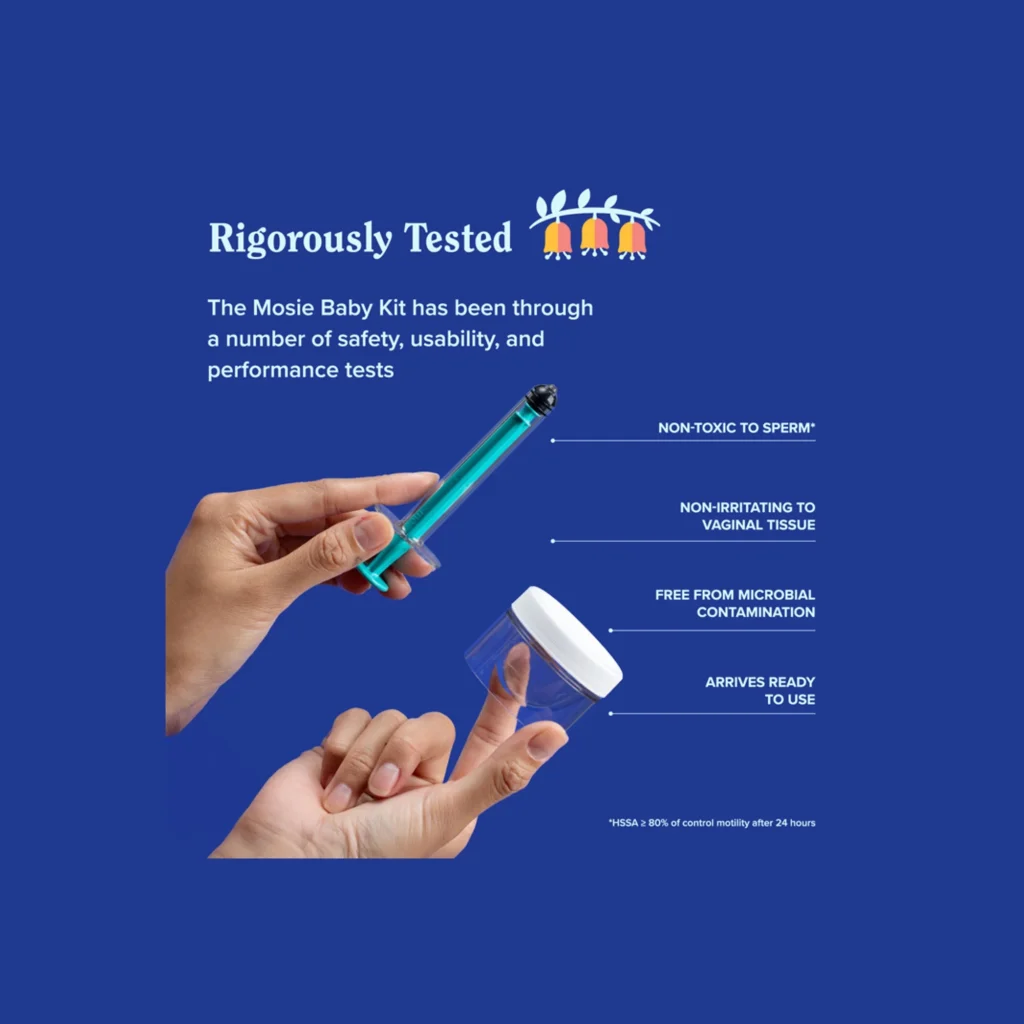
    Mosie Baby Kit features a syringe and container, highlighting safety and usability tests on a blue background.

    The Impact of Alcohol on Cervical Mucus Production

    Furthermore, excessive alcohol consumption can also lead to dehydration, which can affect cervical mucus production. Dehydration can cause the cervical mucus to become thick and sticky, making it difficult for sperm to travel through. This can also lead to fertility issues and make it harder for women to conceive.

    Aside from affecting cervical mucus production, alcohol can also impact the overall health of the reproductive system. Studies have shown that excessive alcohol consumption can lead to hormonal imbalances, irregular menstrual cycles, and even disrupt the functioning of the ovaries. These issues can make it challenging for women to conceive and increase the risk of fertility problems.

    It’s also worth mentioning that alcohol consumption can have a different impact on women depending on their age. As women age, their fertility declines, and alcohol can exacerbate this decline. Therefore, it’s crucial for women who are trying to conceive to limit or avoid alcohol consumption to maintain their reproductive health.

    So, what can women do to improve their cervical mucus production and increase their chances of conception? The most important step is to limit or avoid alcohol consumption. Cutting back on alcohol can help regulate hormone levels and improve cervical mucus production. Additionally, staying hydrated by drinking plenty of water can also help maintain a healthy balance of cervical mucus.

    In conclusion, alcohol consumption can have a significant impact on cervical mucus production and overall reproductive health. It can disrupt hormone levels, delay ovulation, and affect the quality and quantity of cervical mucus. Therefore, it’s essential for women who are trying to conceive to limit or avoid alcohol consumption to increase their chances of conception.

    Summary:

    Alcohol consumption can have a significant impact on cervical mucus production, which is crucial for a woman’s fertility. It can disrupt hormone levels, delay ovulation, and affect the quality and quantity of cervical mucus, making it difficult for sperm to reach the egg. Cutting back on alcohol consumption and staying hydrated can help maintain a healthy balance of cervical mucus and improve fertility.

  • Alcohol and Fertility: The Role of Cervical Mucus Quality

    Blog Post:

    When it comes to fertility, many factors can play a role in a couple’s ability to conceive. One often overlooked factor is the quality of cervical mucus, which can be affected by alcohol consumption. In this blog post, we will delve into the relationship between alcohol and fertility, specifically focusing on the role of cervical mucus quality.

    Understanding Cervical Mucus

    Before we dive into the effects of alcohol on cervical mucus, it’s important to understand what cervical mucus is and its role in fertility. Cervical mucus is a fluid secreted by the cervix, the lower part of the uterus, throughout a woman’s menstrual cycle. Its consistency, color, and amount can vary depending on where a woman is in her cycle.

    During ovulation, cervical mucus becomes thinner, clearer, and more stretchy in order to help sperm travel through the cervix and into the uterus to fertilize an egg. This fertile cervical mucus, also known as “egg white cervical mucus,” is crucial for conception as it provides a hospitable environment for sperm to survive and thrive.

    Alcohol and Cervical Mucus Quality

    Now that we have a basic understanding of cervical mucus, let’s take a look at how alcohol consumption can affect its quality. Studies have shown that alcohol consumption can lead to changes in cervical mucus consistency and amount, both of which can impact fertility.

    One study conducted on women who were trying to conceive found that those who consumed more than four alcoholic drinks per week had a 16% decrease in the amount of fertile cervical mucus compared to those who did not drink alcohol. This decrease in fertile cervical mucus can make it harder for sperm to reach the egg, decreasing the chances of conception.

    Alcohol has also been shown to change the consistency of cervical mucus, making it thicker and stickier. This type of cervical mucus is less hospitable to sperm, making it more difficult for them to travel through the cervix. Additionally, alcohol consumption has been linked to a decrease in estrogen levels, which can also affect cervical mucus quality.

    Impact on Ovulation

    In addition to affecting cervical mucus, alcohol consumption can also impact ovulation. Ovulation is the release of an egg from the ovary and is necessary for conception to occur. Alcohol can disrupt the hormonal balance in the body, leading to irregular or missed ovulation. This can make it difficult for a woman to accurately track her fertile window and increase the chances of missed opportunities for conception.

    illustration comparing standard and Mosie syringe openings with text highlighting design benefits for home insemination

    Alcohol and Fertility: The Role of Cervical Mucus Quality

    Furthermore, heavy alcohol consumption has been linked to an increased risk of anovulation, which is when ovulation does not occur at all. This can significantly decrease the chances of conception and make it more challenging for couples trying to conceive.

    Male Fertility and Alcohol

    While most of the research on alcohol and fertility focuses on women, it’s worth noting that alcohol consumption can also have a negative impact on male fertility. Studies have shown that alcohol consumption can decrease sperm count, motility (ability to swim), and morphology (shape and size) in men. This can make it more difficult for sperm to reach and fertilize an egg, decreasing the chances of conception.

    Improving Cervical Mucus Quality

    The good news is that the effects of alcohol on cervical mucus quality are not permanent. If a couple is struggling to conceive due to alcohol consumption, making some lifestyle changes can help improve cervical mucus quality and increase the chances of conception.

    The first step is to limit alcohol consumption to moderate levels. The American College of Obstetricians and Gynecologists recommends no more than one drink per day for women trying to conceive. Cutting back on alcohol can also help regulate hormonal balance, leading to more regular ovulation.

    In addition to limiting alcohol consumption, there are other ways to improve cervical mucus quality. Staying hydrated, maintaining a healthy diet, and avoiding smoking can all have a positive impact on cervical mucus. Certain supplements, such as evening primrose oil, can also help thin out cervical mucus and make it more fertile.

    Final Thoughts

    In conclusion, the quality of cervical mucus plays a significant role in fertility, and alcohol consumption can have a negative impact on its consistency and amount. It’s essential for couples trying to conceive to be mindful of their alcohol intake and make necessary lifestyle changes to improve their chances of conception. By understanding the relationship between alcohol and cervical mucus quality, couples can take proactive steps to improve their fertility and increase their chances of starting a family.

    Summary:

    Cervical mucus quality is crucial for fertility, and alcohol consumption can have a negative impact on it. Alcohol can lead to changes in cervical mucus consistency and amount, making it more difficult for sperm to reach and fertilize an egg. It can also disrupt ovulation and decrease the chances of conception. Making lifestyle changes, such as limiting alcohol consumption and staying hydrated, can help improve cervical mucus quality and increase the chances of conception.

  • The Surprising Ways Alcohol Can Affect Your Cervical Mucus Quality

    Blog Post Title: The Surprising Ways Alcohol Can Affect Your Cervical Mucus Quality

    Cervical mucus is an important factor in a woman’s fertility and overall reproductive health. It plays a crucial role in the natural process of conceiving and can also provide valuable insights into a woman’s menstrual cycle. While many lifestyle factors can affect the quality and quantity of cervical mucus, one of the most surprising and often overlooked factors is alcohol consumption.

    In this blog post, we will explore the various ways in which alcohol can impact the quality of cervical mucus and what it means for women trying to conceive.

    Effects of Alcohol on Cervical Mucus

    1. Dehydration

    Alcohol is a diuretic, meaning it causes the body to expel more water through urine. This can lead to dehydration, which in turn, can affect the quality of cervical mucus. Cervical mucus needs to be thin and slippery in order to aid sperm in their journey to the egg. Dehydration can make the mucus thick and sticky, making it difficult for sperm to swim through.

    2. Altered Hormonal Balance

    Alcohol consumption can also disrupt the delicate balance of hormones in the body. Studies have shown that alcohol can increase estrogen levels and decrease progesterone levels, leading to an imbalance that can affect the quality of cervical mucus. Estrogen is responsible for producing thin and watery cervical mucus, while progesterone is responsible for producing thicker, more fertile mucus. Any disruption in this balance can make it difficult for sperm to survive and reach the egg.

    3. Changes in pH Levels

    The vagina has a natural pH level that helps to maintain a healthy balance of bacteria. Alcohol consumption can alter this pH level, making the environment more acidic. This can be harmful to the sperm, as they need a slightly alkaline environment to survive and swim through the cervix. Altered pH levels can also affect the quality of cervical mucus, making it less hospitable for sperm.

    4. Delayed Ovulation

    Regular alcohol consumption has been linked to delayed ovulation in women. Ovulation is a crucial part of the menstrual cycle, as it is the time when the egg is released from the ovary. The quality of cervical mucus peaks around ovulation, making it easier for sperm to reach the egg. However, if ovulation is delayed, the quality of cervical mucus may not be optimal, making it difficult for sperm to survive and fertilize the egg.

    5. Anovulation

    In extreme cases, excessive alcohol consumption can lead to anovulation, which is the absence of ovulation. This means that the woman is not releasing eggs, making it impossible to conceive. Anovulation is a major cause of infertility in women, and alcohol consumption can be a contributing factor.

    How Long Does It Take for Cervical Mucus to Return to Normal After Alcohol Consumption?

    Mosie Baby Kit with a syringe and container, highlighting safety and usability features on a blue background.

    The Surprising Ways Alcohol Can Affect Your Cervical Mucus Quality

    The effects of alcohol on cervical mucus can vary from person to person, and it also depends on the amount and frequency of alcohol consumption. In general, it can take anywhere from a few days to a few weeks for cervical mucus to return to its normal quality after alcohol consumption.

    However, for women who struggle with chronic alcohol abuse, it may take longer for their cervical mucus to return to normal. In some cases, it may even require medical intervention to restore hormonal balance and improve cervical mucus quality.

    How to Improve Cervical Mucus Quality

    1. Stay Hydrated

    The first step to improving cervical mucus quality is to stay hydrated. Make sure to drink plenty of water and other hydrating fluids throughout the day. This will help to keep your cervical mucus thin and slippery, making it easier for sperm to swim through.

    2. Limit Alcohol Consumption

    If you are trying to conceive, it is best to limit or avoid alcohol consumption altogether. This will not only help to improve the quality of cervical mucus but also have a positive impact on your overall fertility.

    3. Eat a Healthy Diet

    The food you eat can also affect the quality of your cervical mucus. A diet rich in fruits, vegetables, and healthy fats can help to promote the production of fertile cervical mucus. Avoid processed foods and excessive sugar, as they can negatively impact your hormonal balance and cervical mucus.

    4. Consider Fertility Supplements

    There are various fertility supplements available in the market that can help to improve cervical mucus quality. These supplements contain essential vitamins and minerals that can support hormonal balance and promote the production of fertile cervical mucus.

    5. Consult a Doctor

    If you are struggling with chronic alcohol abuse or have a history of irregular cycles, it is important to consult a doctor. They can help to address any underlying issues and provide personalized recommendations to improve cervical mucus quality.

    In conclusion, the effects of alcohol on cervical mucus quality should not be underestimated, especially for women trying to conceive. It is important to be mindful of our alcohol consumption and make necessary lifestyle changes to support our reproductive health. By making small but significant changes, we can improve the quality of cervical mucus and increase our chances of conceiving.

    Summary:

    Cervical mucus plays an important role in a woman’s fertility and overall reproductive health. Alcohol consumption can affect the quality of cervical mucus in various ways, including dehydration, hormonal imbalances, changes in pH levels, delayed ovulation, and even anovulation. It can take a few days to a few weeks for cervical mucus to return to normal after alcohol consumption. To improve cervical mucus quality, it is important to stay hydrated, limit alcohol consumption, eat a healthy diet, consider fertility supplements, and consult a doctor if necessary.

  • The Science of Cervical Mucus: How Alcohol Can Disrupt It

    The Science of Cervical Mucus: How Alcohol Can Disrupt It

    Cervical mucus, also known as cervical fluid, is a clear or white substance produced by the cells in the cervix. It plays a crucial role in a woman’s fertility by helping sperm reach and fertilize an egg. The consistency and quality of cervical mucus can vary throughout a woman’s menstrual cycle and can be influenced by various factors, including alcohol consumption. In this blog post, we will explore the science behind cervical mucus and how alcohol can disrupt it.

    Understanding Cervical Mucus

    Cervical mucus is produced by the cervix, which is the lower part of the uterus that connects to the vagina. It is a vital component of the female reproductive system as it helps sperm survive, swim, and reach the egg. The consistency and quality of cervical mucus can change throughout a woman’s menstrual cycle due to hormonal changes.

    At the beginning of the menstrual cycle, the cervix produces thick and sticky mucus, which acts as a barrier to prevent sperm from entering the uterus. As ovulation approaches, estrogen levels rise, causing the cervical mucus to become thinner and more stretchy. This type of mucus, known as fertile mucus, is ideal for sperm to survive and swim through to reach the egg.

    After ovulation, the cervical mucus becomes thicker again, forming a barrier to prevent sperm from entering the uterus. If pregnancy does not occur, the cervical mucus will dry up, and the cycle will repeat itself.

    The Role of Alcohol in Cervical Mucus

    Alcohol consumption can have a significant impact on cervical mucus production and quality, which can ultimately affect a woman’s fertility. Here are the ways in which alcohol can disrupt cervical mucus:

    1. Dehydration

    Alcohol is a diuretic, meaning it causes the body to lose more water than it takes in. This can lead to dehydration, which can affect the production of cervical mucus. When the body is dehydrated, it produces less cervical mucus, making it harder for sperm to survive and reach the egg.

    illustration of Mosie Baby home insemination kit highlighting seamless transfer and size features

    The Science of Cervical Mucus: How Alcohol Can Disrupt It

    2. Changes in Hormonal Levels

    Alcohol consumption can also disrupt the delicate balance of hormones in the body, which can affect the production and quality of cervical mucus. For example, alcohol can increase estrogen levels, which can lead to the production of thick, sticky mucus, making it difficult for sperm to reach the egg. It can also decrease progesterone levels, which are essential for the production of fertile mucus.

    3. Altering the pH Balance

    The vagina has a natural pH balance, which is slightly acidic to prevent the growth of harmful bacteria. Alcohol consumption can disrupt this balance, making the vagina more alkaline. This change in pH can affect the survival of sperm, making it harder for them to reach the egg.

    4. Impaired Sperm Function

    Alcohol consumption can also affect sperm function, making it harder for them to reach and fertilize an egg. Studies have shown that alcohol can decrease sperm motility, meaning they have a harder time swimming towards the egg. It can also affect sperm morphology, causing them to have abnormal shapes that can impact their ability to fertilize an egg.

    5. Increased Risk of Infertility

    Chronic alcohol consumption has been linked to an increased risk of infertility in both men and women. In women, it can lead to irregular menstrual cycles and hormonal imbalances, affecting the production and quality of cervical mucus. In men, it can lead to decreased sperm count and quality, making it harder for them to fertilize an egg.

    Conclusion

    Cervical mucus is a crucial component of a woman’s fertility, and its production and quality can be influenced by various factors, including alcohol consumption. Dehydration, changes in hormonal levels, altered pH balance, impaired sperm function, and an increased risk of infertility are all ways in which alcohol can disrupt cervical mucus. Therefore, it is essential to be mindful of alcohol consumption when trying to conceive.

  • How Alcohol Consumption Can Alter Your Cervical Mucus Quality

    Alcohol is a widely consumed beverage that is often associated with social events, celebrations, and relaxation. While moderate alcohol consumption may not have significant negative effects on our health, excessive or chronic drinking can lead to various health problems, including changes in our reproductive health. In particular, alcohol consumption has been found to alter the quality of cervical mucus, which can affect a woman’s fertility and overall reproductive health. In this blog post, we will explore how alcohol consumption can alter your cervical mucus quality and what you can do to maintain a healthy reproductive system.

    Cervical mucus is a fluid secreted by the cervix in women of reproductive age. It plays a crucial role in fertility by creating a favorable environment for sperm to survive and travel to the egg for fertilization. Cervical mucus also serves as a protective barrier against bacteria and viruses, preventing them from entering the uterus and potentially causing infections. The quality of cervical mucus is determined by its consistency, pH level, and amount. Any changes in these factors can significantly affect a woman’s ability to conceive and maintain a healthy reproductive system.

    Alcohol consumption can have a direct impact on cervical mucus quality. The main reason for this is that alcohol is a diuretic, meaning it increases urine production and can lead to dehydration. Dehydration can cause the cervical mucus to become thick and sticky, making it difficult for sperm to swim through and reach the egg. This can significantly decrease the chances of fertilization and conception.

    Moreover, alcohol consumption can also affect the pH level of cervical mucus. Normally, the pH level of cervical mucus is slightly acidic, which is favorable for sperm survival. However, excessive alcohol consumption can make the cervical mucus more alkaline, creating an unfavorable environment for sperm. This can lead to a decrease in sperm motility and viability, making it difficult for them to reach and fertilize the egg.

    Another way alcohol consumption can alter cervical mucus quality is by affecting hormone levels in the body. Alcohol consumption can disrupt the delicate balance of hormones, including estrogen and progesterone, which play a crucial role in maintaining a healthy reproductive system. This disruption can lead to irregular menstrual cycles, which can, in turn, affect the quality of cervical mucus.

    mosie baby logo featuring a heart and leaves in blue, pink, and green colors.

    How Alcohol Consumption Can Alter Your Cervical Mucus Quality

    Furthermore, studies have shown that alcohol consumption can also lead to changes in the structure of cervical mucus. Excessive drinking can cause the cervical mucus to become more viscous, making it difficult for sperm to penetrate and reach the egg. This can significantly decrease a woman’s chances of conceiving and can also lead to complications during pregnancy.

    It is essential to note that the effects of alcohol consumption on cervical mucus quality may vary from person to person. Factors such as age, overall health, and frequency of alcohol consumption can also play a role in how alcohol affects cervical mucus. However, it is essential to be aware of these potential effects and take steps to maintain a healthy reproductive system.

    So, what can you do to maintain a healthy cervical mucus quality while still enjoying the occasional drink? The key is moderation. It is crucial to limit alcohol consumption to moderate levels, which is defined as one drink per day for women and two drinks per day for men. Additionally, staying hydrated is crucial for maintaining a healthy cervical mucus consistency. Make sure to drink plenty of water throughout the day, especially when consuming alcohol.

    In addition to moderating alcohol consumption, there are other lifestyle changes you can make to improve cervical mucus quality. These include maintaining a healthy diet, exercising regularly, and managing stress levels. A diet rich in antioxidants, vitamins, and minerals can help improve overall reproductive health and maintain a healthy cervical mucus consistency. Regular exercise can also help regulate hormone levels and improve blood flow to the reproductive organs. Stress can also have a significant impact on hormone levels, so finding healthy ways to manage stress, such as meditation or yoga, can also benefit your reproductive health.

    In conclusion, alcohol consumption can have a significant impact on the quality of cervical mucus, which can affect a woman’s fertility and overall reproductive health. Excessive or chronic alcohol consumption can lead to changes in cervical mucus consistency, pH level, and hormone levels, making it difficult to conceive and maintain a healthy reproductive system. By moderating alcohol consumption and making other healthy lifestyle choices, women can improve their chances of conceiving and maintaining a healthy reproductive system.

    In summary, excessive or chronic alcohol consumption can alter the quality of cervical mucus in women, affecting their fertility and overall reproductive health. Alcohol can cause dehydration, change the pH level of cervical mucus, disrupt hormone levels, and alter its structure, making it difficult for sperm to reach and fertilize the egg. To maintain a healthy reproductive system, it is crucial to moderate alcohol consumption, stay hydrated, and make other healthy lifestyle choices.

  • Uncovering the Truth: Alcohol’s Impact on Cervical Mucus Quality

    Uncovering the Truth: Alcohol’s Impact on Cervical Mucus Quality

    When it comes to fertility and conception, many factors can affect a woman’s chances of getting pregnant. One often overlooked factor is the quality of cervical mucus, which plays a crucial role in the fertilization process. Cervical mucus is a fluid secreted by the cervix that helps sperm travel to the egg for fertilization. But did you know that alcohol consumption can have a significant impact on the quality of cervical mucus? In this blog post, we will explore the truth behind alcohol’s impact on cervical mucus quality and its potential effects on fertility.

    Understanding Cervical Mucus and its Role in Fertility

    Before delving into the effects of alcohol on cervical mucus, it’s essential to understand the role of cervical mucus in the fertility process. Cervical mucus serves as a protective barrier for sperm, creating a hospitable environment for them to survive and travel to the egg. It also helps to filter out abnormal or damaged sperm, ensuring that only the healthiest ones reach the egg for fertilization.

    The quality of cervical mucus is influenced by several factors, including hormonal changes throughout the menstrual cycle, hydration levels, and lifestyle habits. Changes in cervical mucus consistency and volume can indicate where a woman is in her cycle and her level of fertility. For instance, during ovulation, cervical mucus becomes thinner, clearer, and more stretchy, making it easier for sperm to swim through. In contrast, during non-fertile days, cervical mucus is thicker, stickier, and less abundant, making it harder for sperm to reach the egg.

    Alcohol and its Effects on Cervical Mucus

    While the impact of alcohol on overall fertility has been extensively studied, its specific effects on cervical mucus quality are not as well-known. However, research suggests that alcohol consumption can affect the production and quality of cervical mucus, potentially hindering a woman’s chances of conceiving.

    One study conducted by the University of Valencia in Spain found that women who consumed alcohol had lower levels of fertile cervical mucus compared to non-drinkers. The researchers also noted that the more alcohol a woman consumed, the more likely she was to have poor quality cervical mucus. Another study published in the Journal of Nutrition found that alcohol consumption can lead to dehydration, which can directly impact cervical mucus production and quality.

    pregnancy test kit features labeled for comfort and confidence on a teal background

    Uncovering the Truth: Alcohol's Impact on Cervical Mucus Quality

    Alcohol’s effects on hormone levels can also play a role in cervical mucus quality. Alcohol consumption can disrupt the delicate balance of hormones in the body, including estrogen and progesterone, which are essential for the production of fertile cervical mucus. When these hormone levels are imbalanced, it can lead to thicker, stickier, and less fertile cervical mucus.

    The Link between Alcohol and Infertility

    In addition to its effects on cervical mucus, alcohol consumption has also been linked to infertility in both men and women. According to the American Society for Reproductive Medicine, heavy alcohol consumption can lead to menstrual irregularities, decreased sperm production, and hormonal imbalances, all of which can make it difficult for a couple to conceive. Heavy drinking has also been linked to an increased risk of miscarriage and birth defects in babies.

    Moderation and Alternatives

    While the research on alcohol’s effects on cervical mucus is still limited, it’s essential to consider the potential impact when trying to conceive. Cutting back on alcohol consumption or abstaining altogether may be beneficial for those trying to improve their cervical mucus quality and increase their chances of getting pregnant. Additionally, incorporating healthy lifestyle habits, such as staying hydrated, eating a balanced diet, and exercising regularly, can also positively impact cervical mucus production and quality.

    For those who enjoy a drink but want to improve their cervical mucus quality, there are also alternatives to consider. Non-alcoholic beverages, such as mocktails or alcohol-free wine and beer, can provide a similar social experience without the negative effects of alcohol on fertility.

    Conclusion

    In conclusion, while alcohol’s impact on cervical mucus quality may not be well-known, it’s essential to consider when trying to conceive. Alcohol consumption can affect the production and quality of cervical mucus, potentially hindering a woman’s chances of getting pregnant. It’s also essential to note that heavy drinking has been linked to infertility and other reproductive health issues. Consider cutting back on alcohol or finding alternative ways to enjoy social events while trying to conceive. Remember, every couple’s journey to parenthood is unique, and making healthy choices can help increase the chances of a successful pregnancy.

  • Alcohol and Cervical Mucus: Understanding the Connection

    Blog Post: Alcohol and Cervical Mucus: Understanding the Connection

    Alcohol is a widely consumed substance, often used as a social lubricant and a way to unwind after a long day. However, what many people may not realize is that alcohol can have a direct impact on our bodies, including our reproductive health. One aspect of our reproductive health that is affected by alcohol consumption is cervical mucus. In this blog post, we’ll explore the connection between alcohol and cervical mucus and how it can impact fertility and overall health.

    What is Cervical Mucus?

    Cervical mucus, also known as cervical fluid, is a secretion produced by the cervix in a woman’s reproductive system. It plays a crucial role in the fertility process as it helps sperm travel through the cervix and into the uterus. Cervical mucus also helps to filter out unhealthy sperm and can indicate the most fertile time for a woman to conceive.

    The Connection Between Alcohol and Cervical Mucus

    Alcohol consumption can have a direct impact on the quantity and quality of cervical mucus. The exact mechanism is not fully understood, but it is believed that alcohol can affect the hormonal balance in the body, which in turn can affect the production of cervical mucus.

    Quantity and Quality of Cervical Mucus

    One of the primary ways in which alcohol affects cervical mucus is by reducing its quantity and quality. Studies have shown that alcohol can decrease the amount of cervical mucus produced, making it harder for sperm to reach the egg. Additionally, alcohol can also alter the consistency of cervical mucus, making it too thick or too thin, which can also impede sperm movement.

    Impact on Fertility

    Given the crucial role of cervical mucus in fertility, it is not surprising that alcohol consumption can have a significant impact on a woman’s ability to conceive. Women who consume alcohol regularly may experience a decrease in cervical mucus, making it more challenging for sperm to reach the egg. This can lead to difficulty in getting pregnant or a longer time to conceive.

    Moreover, alcohol consumption can also affect the quality of cervical mucus, which can result in difficulty in sperm reaching the egg or increased risk of miscarriage. In some cases, excessive alcohol consumption can even lead to complete cessation of ovulation, making it impossible to conceive.

    hand holding a syringe with a blue plunger against a solid blue background

    Alcohol and Cervical Mucus: Understanding the Connection

    Other Health Implications

    Aside from its impact on fertility, alcohol consumption can also have other health implications, including changes in the menstrual cycle. Studies have shown that alcohol can disrupt the delicate hormonal balance in the body, leading to irregular or missed periods. This can make it harder for women to track their ovulation and plan for pregnancy.

    Furthermore, excessive alcohol consumption has been linked to an increased risk of sexually transmitted infections (STIs). STIs can cause inflammation in the reproductive system, affecting the quality and quantity of cervical mucus. This, in turn, can further impact fertility and overall reproductive health.

    How to Improve Cervical Mucus

    If you are trying to conceive, it is essential to maintain a healthy level of cervical mucus. Here are some tips to improve cervical mucus:

    1. Reduce Alcohol Consumption: The first step is to limit or eliminate alcohol consumption. This will help to ensure that your body is not constantly battling the effects of alcohol on cervical mucus production.

    2. Stay Hydrated: Drinking plenty of water can help to keep your cervical mucus thin and more conducive to sperm movement.

    3. Take Fertility-Boosting Supplements: Certain supplements such as evening primrose oil and vitamin C can help to improve the quality and quantity of cervical mucus.

    4. Quit Smoking: Smoking has been linked to decreased cervical mucus production, so quitting smoking can help to improve fertility.

    5. Track Your Ovulation: By tracking your ovulation, you can identify the peak fertile days and time intercourse accordingly to increase the chances of conception.

    In Summary

    Alcohol consumption can have a significant impact on cervical mucus, which plays a vital role in fertility and overall reproductive health. Excessive alcohol consumption can decrease the quantity and quality of cervical mucus, making it harder for sperm to reach the egg and increasing the risk of fertility issues. It is essential to limit or eliminate alcohol consumption and adopt healthy habits to improve cervical mucus and increase the chances of conceiving.

  • The Role of Alcohol in Cervical Mucus Production

    Blog Post: The Role of Alcohol in Cervical Mucus Production

    When it comes to reproductive health and fertility, many factors can play a role including diet, exercise, and habits like smoking and drinking alcohol. While it’s well-known that excessive alcohol consumption can have negative effects on overall health, its impact on cervical mucus production is often overlooked. In this blog post, we’ll dive into the role of alcohol in cervical mucus production and how it can affect fertility.

    What is Cervical Mucus?

    Cervical mucus is a fluid produced by the cervix that plays a crucial role in the reproductive process. It acts as a protective barrier for sperm, nourishes and transports them towards the egg, and helps filter out abnormal or damaged sperm. Cervical mucus also changes in consistency and amount throughout a woman’s menstrual cycle, influenced by hormonal changes.

    How Does Alcohol Affect Cervical Mucus Production?

    Alcohol consumption can have a direct impact on cervical mucus production. Studies have shown that alcohol can decrease the amount and quality of cervical mucus, making it difficult for sperm to reach the egg. This is due to the fact that alcohol can dehydrate the body, leading to a decrease in overall bodily fluids, including cervical mucus.

    Moreover, alcohol can also disrupt the hormonal balance necessary for proper cervical mucus production. It can affect the levels of estrogen and progesterone, two key hormones involved in the menstrual cycle and cervical mucus production. This can lead to a limited or inadequate production of cervical mucus, making it difficult for sperm to survive and reach the egg.

    Alcohol and Fertility

    Mosie Baby pregnancy test kit with two tests and packaging, featuring a mint green color scheme.

    The Role of Alcohol in Cervical Mucus Production

    In addition to its direct impact on cervical mucus production, alcohol consumption has also been linked to fertility issues. Studies have shown that women who consume alcohol regularly may have a higher risk of ovulation disorders, irregular menstrual cycles, and difficulty conceiving. In men, alcohol consumption has been linked to a decrease in sperm count, motility, and morphology, which can affect fertility.

    Furthermore, alcohol consumption during pregnancy can also have detrimental effects on the developing fetus. It can increase the risk of miscarriage, preterm birth, and birth defects. Therefore, it is crucial for women to avoid alcohol during pregnancy and while trying to conceive.

    Limiting Alcohol Intake for Improved Cervical Mucus Production

    If you are trying to conceive, it is essential to limit your alcohol intake. The recommended limit for women is no more than one drink per day, while men should not exceed two drinks per day. However, it is best to avoid alcohol altogether when trying to conceive to ensure optimal cervical mucus production and overall reproductive health.

    Other Factors Affecting Cervical Mucus Production

    Aside from alcohol consumption, there are other factors that can affect cervical mucus production. These include hormonal imbalances, certain medications, vaginal infections, and age. It is essential to address any underlying health issues and maintain a healthy lifestyle to promote proper cervical mucus production and overall fertility.

    In conclusion, alcohol consumption can have a significant impact on cervical mucus production, which plays a crucial role in fertility. It can decrease the amount and quality of cervical mucus, disrupt hormonal balance, and lead to fertility issues. Therefore, it is essential to limit alcohol intake or avoid it altogether when trying to conceive. Additionally, addressing any underlying health issues and maintaining a healthy lifestyle can also contribute to improved cervical mucus production and overall reproductive health.

    Summary:

    Cervical mucus plays a crucial role in the reproductive process, and alcohol consumption can have a direct impact on its production. Studies have shown that alcohol can decrease the amount and quality of cervical mucus, disrupt hormonal balance, and lead to fertility issues. It is recommended to limit alcohol intake or avoid it altogether when trying to conceive. Other factors such as hormonal imbalances, medications, and age can also affect cervical mucus production. Maintaining a healthy lifestyle and addressing any underlying health issues can contribute to improved cervical mucus production and overall fertility.

  • Is Your Drinking Habits Affecting Your Cervical Mucus Quality?

    Is Your Drinking Habits Affecting Your Cervical Mucus Quality?

    Cervical mucus is a vital component of a woman’s reproductive system. It is a fluid produced by the cervix that plays a crucial role in fertility and conception. The quality of cervical mucus can greatly affect a woman’s ability to get pregnant. Many factors can impact the quality of cervical mucus, including diet, hydration, and lifestyle choices. Among these factors, drinking habits can have a significant impact on cervical mucus quality. In this blog post, we will delve into the connection between drinking habits and cervical mucus quality and how it can affect fertility.

    The Importance of Cervical Mucus

    Before we dive into the effects of drinking habits on cervical mucus, let’s first understand the importance of this fluid. Cervical mucus is a crucial part of the female reproductive system as it helps to protect, nourish, and transport sperm. It also acts as a barrier against bacteria and other harmful substances, preventing them from entering the uterus. Moreover, cervical mucus changes in consistency throughout a woman’s menstrual cycle, becoming thinner and more stretchy during ovulation to aid in sperm transport. Without healthy cervical mucus, the chances of sperm reaching the egg for fertilization are significantly reduced.

    Drinking Habits and Cervical Mucus Quality

    Now, let’s explore how drinking habits can affect cervical mucus quality. Studies have shown that alcohol consumption can have a significant impact on reproductive health, including cervical mucus quality. Excessive alcohol consumption can cause dehydration, which, in turn, can affect the consistency of cervical mucus. When a woman is dehydrated, her cervical mucus becomes thicker and less stretchy, making it difficult for sperm to travel through the cervix.

    Moreover, alcohol consumption can also disrupt the balance of estrogen and progesterone in the body, which are essential hormones for regulating the quality of cervical mucus. Excessive alcohol intake can lead to an increase in estrogen levels, which can result in an overproduction of thick, sticky cervical mucus. This type of mucus is difficult for sperm to penetrate, making it challenging for fertilization to occur.

    Additionally, alcohol can also affect the production of luteinizing hormone (LH), which is responsible for triggering ovulation. When LH levels are not at their optimal levels, ovulation may be delayed or even prevented, further reducing the chances of conception.

    at-home insemination kit featuring a syringe and container for fresh or donor sperm conception

    Is Your Drinking Habits Affecting Your Cervical Mucus Quality?

    Effects of Different Types of Alcohol on Cervical Mucus

    While excessive alcohol consumption can have a negative impact on cervical mucus quality, some types of alcohol may be more harmful than others. A study published in the Journal of Fertility and Sterility found that beer and liquor had a more significant impact on cervical mucus quality compared to wine. This is because beer and liquor contain higher levels of hops, which have been shown to decrease estrogen levels and disrupt the production of cervical mucus.

    Furthermore, alcohol also contains toxins that can affect the overall health and function of the reproductive system. These toxins can damage the cells in the cervix, reducing the production and quality of cervical mucus.

    Improving Cervical Mucus Quality

    The good news is that the effects of drinking habits on cervical mucus quality can be reversed by making some lifestyle changes. The first and most crucial step is to reduce or eliminate alcohol consumption. This will not only improve cervical mucus quality but also have a positive impact on overall reproductive health.

    Staying hydrated is also essential for maintaining healthy cervical mucus. Drinking plenty of water and other fluids can help thin out cervical mucus and make it more conducive for sperm transport. Additionally, consuming foods rich in antioxidants, such as fruits and vegetables, can help improve cervical mucus quality and maintain hormonal balance.

    Conclusion

    In conclusion, drinking habits can have a significant impact on cervical mucus quality, which can ultimately affect a woman’s fertility. Excessive alcohol consumption can lead to dehydration, disrupt hormone balance, and damage cervical cells, all of which can affect the production and quality of cervical mucus. By making lifestyle changes, such as reducing alcohol intake and staying hydrated, women can improve their cervical mucus quality and increase their chances of conception.

    SEO Metadata:






