Author: MosieBaby

  • Dietary Changes for Healthier Cervical Mucus Production

    Summary:

    Cervical mucus, also known as cervical fluid, plays a crucial role in a woman’s reproductive health. It is a fluid produced by the cervix that helps sperm survive and travel to the egg for fertilization. However, many women struggle with producing enough or the right quality of cervical mucus, which can affect their fertility and overall reproductive health. Fortunately, there are dietary changes that can be made to improve cervical mucus production. In this blog post, we will discuss the importance of cervical mucus, the factors that can affect its production, and the dietary changes that can be made to promote healthier cervical mucus production.

    Firstly, it is essential to understand the role of cervical mucus in the reproductive process. Cervical mucus serves as a protective barrier for sperm, as it nourishes and protects them from the acidic environment of the vagina. It also helps filter out unhealthy or abnormal sperm, allowing only the healthiest ones to reach the egg. Furthermore, cervical mucus can indicate a woman’s fertility status, as it changes in consistency and amount throughout the menstrual cycle. During ovulation, cervical mucus becomes thinner and more stretchy, allowing sperm to swim through it more easily. Therefore, having healthy cervical mucus is vital for a woman’s fertility and chances of conceiving.

    Several factors can affect cervical mucus production, including hormonal imbalances, certain medications, dehydration, and poor diet. Hormonal imbalances, such as low estrogen levels, can result in inadequate cervical mucus production. Certain medications, such as antihistamines and birth control pills, can also dry out cervical mucus. Dehydration can also play a role, as cervical mucus is made up of mostly water. However, one of the most significant factors that can affect cervical mucus production is diet.

    A diet rich in nutrients and hydration is crucial for producing healthy cervical mucus. So, what dietary changes can be made to promote healthier cervical mucus production? Firstly, it is essential to consume an adequate amount of water to stay hydrated. Drinking at least eight glasses of water a day can help keep cervical mucus hydrated and prevent it from becoming too thick. Additionally, consuming foods rich in vitamin C, such as citrus fruits, can help improve cervical mucus quality. Vitamin C is essential for the production of collagen, which is a key component of cervical mucus. Foods high in vitamin E, such as nuts, seeds, and leafy green vegetables, can also help improve cervical mucus production.

    logo of mosie baby featuring a heart and leaf design in blue, pink, and green colors

    Dietary Changes for Healthier Cervical Mucus Production

    Moreover, consuming healthy fats, such as omega-3 fatty acids, can also promote healthier cervical mucus. These healthy fats can be found in foods like salmon, avocados, and olive oil. Omega-3 fatty acids help reduce inflammation in the body, which can contribute to cervical mucus production. On the other hand, consuming unhealthy fats, such as trans fats, can have the opposite effect and decrease cervical mucus production. Therefore, it is essential to limit or avoid unhealthy fats in the diet.

    Along with specific foods, there are also dietary patterns that can promote healthier cervical mucus production. A diet rich in fruits, vegetables, whole grains, and lean proteins can provide the necessary nutrients for producing healthy cervical mucus. On the other hand, a diet high in processed foods, refined sugars, and unhealthy fats can have a negative impact on cervical mucus production. Therefore, it is crucial to focus on a nutrient-dense and well-balanced diet to support reproductive health and promote healthier cervical mucus.

    In addition to dietary changes, there are also supplements that can be taken to improve cervical mucus production. These include omega-3 fatty acids, vitamin C, and evening primrose oil. Evening primrose oil is a plant-based supplement that contains gamma-linolenic acid, which is known to improve cervical mucus quality and quantity. However, it is essential to consult with a healthcare professional before taking any supplements, as they may interact with other medications or have adverse effects.

    In conclusion, cervical mucus plays a critical role in a woman’s reproductive health, and its production can be affected by various factors, including diet. Making dietary changes, such as staying hydrated and consuming a nutrient-dense diet, can help promote healthier cervical mucus production. Additionally, incorporating supplements, such as evening primrose oil, can also be beneficial. By taking care of our bodies and providing them with the necessary nutrients, we can support our reproductive health and increase our chances of conceiving.

    SEO metadata:

  • The Impact of Nutrition on Cervical Mucus Quality

    Nutrition plays a crucial role in our overall health and well-being, and it also has a significant impact on our reproductive health. Cervical mucus, a fluid produced by the cervix, plays a vital role in fertility and can be affected by our diet. In this blog post, we will discuss the impact of nutrition on cervical mucus quality and how it can affect fertility.

    The Role of Cervical Mucus in Fertility

    Before we dive into the impact of nutrition on cervical mucus quality, let’s first understand the role it plays in fertility. Cervical mucus is a fluid produced by the cervix that helps sperm travel through the reproductive tract to reach the egg. It also acts as a protective barrier against bacteria and other harmful substances, making it crucial for a healthy reproductive system.

    Changes in Cervical Mucus Throughout the Menstrual Cycle

    Cervical mucus goes through different changes throughout the menstrual cycle. During the first phase, known as the follicular phase, the cervix produces thick and cloudy mucus. This type of mucus is not conducive to sperm survival and does not allow them to travel through the reproductive tract easily.

    As the menstrual cycle progresses and ovulation approaches, the cervix produces more fertile cervical mucus. This type of mucus is clear, stretchy, and slippery, making it easier for sperm to swim through and reach the egg. It also helps to protect and nourish the sperm, increasing the chances of fertilization.

    Impact of Nutrition on Cervical Mucus Quality

    Now that we understand the role of cervical mucus in fertility let’s discuss the impact of nutrition on its quality. Our diet plays a significant role in the production and consistency of cervical mucus. Below are some ways in which nutrition can affect cervical mucus quality.

    1. Hydration

    Staying hydrated is crucial for overall health, but it also plays a significant role in cervical mucus production. When the body is dehydrated, it will produce less cervical mucus, making it more difficult for sperm to travel through the reproductive tract. It is recommended to drink at least eight cups of water a day to ensure proper hydration and optimal cervical mucus production.

    2. Nutrient Deficiencies

    Our bodies require various nutrients to function correctly, and a deficiency in any of these can affect cervical mucus quality. For example, vitamin C is essential for maintaining a healthy immune system and producing fertile cervical mucus. A deficiency in vitamin C can lead to a lack of cervical mucus or an increase in hostile mucus, making it difficult for sperm to survive.

    Other nutrients that are vital for cervical mucus production include vitamin E, zinc, and omega-3 fatty acids. It is essential to maintain a balanced and nutritious diet to ensure an adequate intake of these nutrients.

    3. Inflammation

    Inflammation in the body can also affect cervical mucus quality. Consuming a diet high in processed foods, sugar, and unhealthy fats can lead to chronic inflammation, which can negatively impact the production of cervical mucus. It is essential to incorporate anti-inflammatory foods into our diet, such as fruits, vegetables, and healthy fats like avocados and olive oil.

    4. Hormonal Imbalance

    pregnancy test kit features labeled for comfort and confidence on a teal background

    The Impact of Nutrition on Cervical Mucus Quality

    Hormonal imbalance can also affect cervical mucus quality. Our diet plays a significant role in regulating our hormones, and an imbalance can lead to changes in cervical mucus production. For example, consuming too much sugar can cause an increase in insulin levels, which can disrupt the balance of estrogen and progesterone, affecting cervical mucus production.

    5. Gut Health

    Our gut health is closely linked to our overall health and can also affect cervical mucus quality. An unhealthy gut can lead to inflammation, nutrient deficiencies, and hormonal imbalances, all of which can have a negative impact on cervical mucus production. Consuming probiotic-rich foods, such as yogurt, sauerkraut, and kefir, can help maintain a healthy gut.

    Improving Cervical Mucus Quality Through Nutrition

    Now that we know how nutrition can affect cervical mucus quality let’s discuss ways to improve it through our diet. Here are some tips to help improve cervical mucus production and quality.

    1. Stay Hydrated

    As mentioned earlier, staying hydrated is crucial for cervical mucus production. Make sure to drink enough water throughout the day to maintain optimal hydration levels.

    2. Eat a Balanced Diet

    Incorporating a variety of fruits, vegetables, whole grains, and healthy fats into your diet can help ensure an adequate intake of nutrients necessary for cervical mucus production.

    3. Avoid Processed Foods

    Processed foods are often high in sugar, unhealthy fats, and other additives that can disrupt hormonal balance and lead to inflammation. Limiting processed foods and opting for whole, unprocessed foods can help improve cervical mucus quality.

    4. Consume Foods High in Vitamin C and E

    As mentioned earlier, vitamin C and E are crucial for cervical mucus production. Incorporate foods rich in these vitamins, such as citrus fruits, leafy greens, nuts, and seeds, into your diet.

    5. Consider Supplements

    If you struggle to get enough essential nutrients from your diet, consider taking supplements under the guidance of a healthcare professional.

    Summary:

    In summary, nutrition plays a significant role in cervical mucus quality and can have a significant impact on fertility. Staying hydrated, consuming a balanced diet, avoiding processed foods, and incorporating foods rich in essential nutrients can help improve cervical mucus production and quality. It is essential to maintain a healthy gut and hormonal balance through proper nutrition to ensure optimal cervical mucus production. By making small changes to our diet and lifestyle, we can improve our reproductive health and increase our chances of conception.

  • Why What You Eat Matters for Cervical Mucus Quality

    Blog Post Title: Why What You Eat Matters for Cervical Mucus Quality

    Summary:

    Cervical mucus is an important factor in fertility and conception. It plays a crucial role in helping sperm survive and travel through the reproductive tract to reach the egg. However, many women struggle with low-quality cervical mucus, which can make it difficult to conceive. While there are various factors that can affect cervical mucus quality, one often overlooked aspect is diet. What you eat can have a significant impact on the quantity and quality of your cervical mucus. In this blog post, we will explore why what you eat matters for cervical mucus quality and how you can make dietary changes to improve your chances of conception.

    Cervical Mucus and Fertility:

    Before delving into the connection between diet and cervical mucus quality, let’s first understand the role of cervical mucus in fertility. Cervical mucus is a fluid produced by the cervix, the lower part of the uterus. Its main function is to provide a conducive environment for sperm to survive and travel through the reproductive tract. It also helps to filter out abnormal sperm and protect the uterus from harmful bacteria. Cervical mucus changes in consistency and texture throughout the menstrual cycle, becoming thinner and more watery around ovulation to allow sperm to pass through easily. If there is not enough or good quality cervical mucus, sperm may not be able to reach the egg, resulting in infertility.

    The Link between Diet and Cervical Mucus Quality:

    Diet plays a crucial role in maintaining overall health, and it also has a direct impact on reproductive health. What you eat has a significant influence on hormone levels, which, in turn, affects cervical mucus production. Hormones such as estrogen and progesterone play a vital role in regulating the quantity and quality of cervical mucus. A diet lacking in essential nutrients can disrupt hormone balance and lead to inadequate production of cervical mucus. Additionally, certain foods can cause inflammation in the body, which can also affect cervical mucus production.

    Nutrients for Cervical Mucus Quality:

    To improve cervical mucus quality, it is essential to consume a nutrient-dense diet. Here are some key nutrients that play a role in cervical mucus production:

    1. Water: Staying hydrated is crucial for good cervical mucus production. Dehydration can lead to thick and sticky cervical mucus, making it difficult for sperm to swim through.

    2. Vitamin C: This powerful antioxidant helps to improve cervical mucus quality by increasing the production of estrogen, which, in turn, leads to the production of thin and watery cervical mucus.

    3. Zinc: Zinc is vital for hormonal balance and plays a crucial role in the production of cervical mucus. A deficiency in zinc can lead to low-quality mucus.

    4. Omega-3 fatty acids: These essential fatty acids have anti-inflammatory properties and can help to reduce inflammation in the body that may be affecting cervical mucus production.

    5. B Vitamins: B vitamins are essential for hormone production and can help to regulate the menstrual cycle and improve cervical mucus quality.

    Foods to Improve Cervical Mucus Quality:

    logo featuring a pink heart above two teal leaves on a blue circular background

    Why What You Eat Matters for Cervical Mucus Quality

    Now that we know which nutrients are important for cervical mucus production, let’s explore some foods that can help to improve its quality:

    1. Fruits and Vegetables: These are excellent sources of vitamin C, which is crucial for cervical mucus production. Citrus fruits, berries, and leafy greens are particularly high in vitamin C.

    2. Nuts and Seeds: These are rich in zinc, which is essential for hormonal balance and cervical mucus production. Almonds, pumpkin seeds, and sesame seeds are good options.

    3. Fatty Fish: Fish like salmon, tuna, and sardines are rich in omega-3 fatty acids, which can help to reduce inflammation and improve cervical mucus quality.

    4. Whole Grains: Whole grains are a good source of B vitamins, which are important for hormonal balance. Brown rice, quinoa, and oats are some healthy options.

    5. Water: As mentioned earlier, staying hydrated is crucial for good cervical mucus production. Aim for at least 8-10 glasses of water a day.

    Foods to Avoid for Cervical Mucus Quality:

    On the other hand, there are certain foods that can negatively affect cervical mucus production. These include:

    1. Processed Foods: Processed foods are often high in sugar, unhealthy fats, and preservatives, which can all contribute to inflammation in the body and affect cervical mucus production.

    2. Dairy: Dairy products can be a source of inflammation for some people, and it may be beneficial to limit or avoid them if you are struggling with low-quality cervical mucus.

    3. Caffeine: Excess caffeine consumption has been linked to hormonal imbalances and can also contribute to dehydration, which can affect cervical mucus production.

    4. Alcohol: Alcohol can disrupt hormone balance and can also lead to dehydration, which can affect cervical mucus quality.

    5. Trans fats: Trans fats, often found in processed and fried foods, can increase inflammation in the body and affect hormonal balance.

    In conclusion, what you eat has a direct impact on cervical mucus quality, which, in turn, can affect fertility. By consuming a nutrient-dense diet and avoiding foods that can negatively affect cervical mucus production, you can improve your chances of conception. However, it is important to note that diet is just one aspect of overall reproductive health, and it is essential to consult with a healthcare professional for personalized advice and treatment.

    SEO metadata:

  • The Role of Nutrition in Cervical Mucus Health

    Blog Post:

    Cervical mucus is a natural bodily fluid that plays a crucial role in reproductive health. It is produced by the cervix and changes in consistency and texture throughout a woman’s menstrual cycle. Many women may not realize the importance of cervical mucus in fertility and overall reproductive health. However, nutrition plays a significant role in maintaining the quality and quantity of cervical mucus. In this blog post, we will discuss the role of nutrition in cervical mucus health and how it can impact fertility and overall reproductive health.

    The Importance of Cervical Mucus:

    Cervical mucus is a thick, fluid-like substance that is secreted by the cervix. It plays a vital role in reproductive health by helping sperm travel through the vagina and into the uterus to fertilize an egg. Cervical mucus also helps to protect sperm from the acidic environment of the vagina, allowing them to survive longer and increasing the chances of conception. Additionally, cervical mucus helps to nourish and protect the sperm as they make their journey towards the egg.

    Furthermore, cervical mucus is an essential indicator of a woman’s fertility. It changes in consistency and texture throughout the menstrual cycle, with the most fertile mucus occurring around ovulation. This fertile cervical mucus is thin, stretchy, and has an egg white-like consistency, making it easier for sperm to swim through. By tracking changes in cervical mucus, women can determine their most fertile days and increase their chances of conception.

    The Role of Nutrition in Cervical Mucus Health:

    The quality and quantity of cervical mucus can be influenced by various factors, including nutrition. A well-balanced diet rich in essential vitamins and minerals is crucial for maintaining optimal cervical mucus production and quality. Here are some key nutrients that play a significant role in cervical mucus health:

    1. Vitamin A:

    Vitamin A is essential for the production of cervical mucus. It helps to maintain the health of the mucus-producing cells in the cervix and promotes the production of fertile cervical mucus. Foods rich in vitamin A include carrots, sweet potatoes, leafy greens, and liver.

    2. Vitamin C:

    Vitamin C is a powerful antioxidant that helps to boost the immune system and protect cervical mucus from damage. It also plays a role in keeping the cervical mucus thin and slippery, making it easier for sperm to swim through. Citrus fruits, broccoli, and bell peppers are excellent sources of vitamin C.

    3. Vitamin E:

    guide and materials for using Mosie Baby fertility kit on a textured surface

    The Role of Nutrition in Cervical Mucus Health

    Vitamin E is another essential nutrient for cervical mucus health. It helps to maintain the elasticity and thickness of cervical mucus, which is crucial for sperm survival. Nuts, seeds, and leafy greens are rich sources of vitamin E.

    4. B Vitamins:

    B vitamins, especially B6 and B12, are crucial for maintaining hormonal balance and promoting the production of fertile cervical mucus. Foods rich in B vitamins include eggs, whole grains, and leafy greens.

    5. Omega-3 Fatty Acids:

    Omega-3 fatty acids are essential for reproductive health and can also improve the quality of cervical mucus. They help to reduce inflammation, promote hormonal balance, and increase blood flow to the reproductive organs. Fatty fish, chia seeds, and flaxseeds are rich sources of omega-3 fatty acids.

    6. Water:

    Staying hydrated is crucial for maintaining optimal cervical mucus production. Dehydration can cause cervical mucus to become thick and sticky, making it difficult for sperm to swim through. Aim to drink at least 8-10 glasses of water a day to keep your cervical mucus healthy.

    7. Zinc:

    Zinc is a vital mineral for reproductive health and can also impact cervical mucus health. It helps to regulate hormone levels and promotes the production of fertile cervical mucus. Foods rich in zinc include oysters, beef, and pumpkin seeds.

    Impact of Poor Nutrition on Cervical Mucus:

    A poor diet can have a significant impact on cervical mucus health. Consuming a diet high in processed foods, sugar, and unhealthy fats can lead to hormonal imbalances and inflammation, which can affect the production and quality of cervical mucus. Additionally, deficiencies in essential nutrients such as vitamin A, vitamin C, and zinc can also lead to poor cervical mucus health.

    Summary:

    Cervical mucus is a vital component of reproductive health, playing a crucial role in fertility and conception. Nutrition plays a significant role in maintaining the quality and quantity of cervical mucus. Essential nutrients such as vitamin A, vitamin C, vitamin E, B vitamins, omega-3 fatty acids, and zinc are crucial for optimal cervical mucus production and quality. Consuming a well-balanced diet and staying hydrated can help to promote healthy cervical mucus and improve overall reproductive health.

  • Natural Ways to Enhance Cervical Mucus Quality Through Diet

    Blog Post:

    Cervical mucus is an essential part of a woman’s reproductive health. It plays a crucial role in fertility by helping sperm reach and fertilize the egg. However, many women struggle with low-quality cervical mucus, which can make it difficult to conceive. While there are medical treatments available to improve cervical mucus quality, there are also natural ways to enhance it through diet. In this blog post, we will discuss the importance of cervical mucus, the factors that can affect its quality, and the foods and nutrients that can help improve it.

    The Importance of Cervical Mucus:

    Cervical mucus is a fluid produced by the cervix that changes in consistency and texture throughout a woman’s menstrual cycle. It acts as a protective barrier for sperm, nourishes them, and helps them travel to the fallopian tubes where fertilization occurs. Without sufficient cervical mucus, sperm may not survive long enough to reach the egg, making it harder to conceive.

    Factors Affecting Cervical Mucus Quality:

    Several factors can affect the quality of cervical mucus, such as hormonal imbalances, age, medications, and lifestyle choices. Hormonal imbalances, such as low levels of estrogen, can lead to the production of thick and sticky mucus, making it difficult for sperm to swim through. Age also plays a role, as women in their late 30s and 40s may experience a decline in cervical mucus production. Certain medications, like antihistamines and decongestants, can also dry out cervical mucus. Finally, lifestyle choices, such as smoking and poor diet, can also have a negative impact on cervical mucus quality.

    Foods and Nutrients to Improve Cervical Mucus Quality:

    1. Water:
    The first and most crucial step in improving cervical mucus quality is to stay hydrated. Drinking enough water can help thin out mucus and make it easier for sperm to swim through. Aim for at least eight glasses of water per day.

    2. Vitamin C:
    Vitamin C is essential for the production of collagen, a protein that helps keep cervical mucus moist and thin. Foods rich in vitamin C include citrus fruits, strawberries, kiwi, and bell peppers.

    3. Zinc:
    Zinc is a mineral that plays a crucial role in reproductive health. It helps with the production of hormones and supports the immune system. Foods rich in zinc include oysters, beef, chicken, and pumpkin seeds.

    4. Omega-3 Fatty Acids:
    Omega-3 fatty acids are essential for maintaining a healthy hormonal balance and reducing inflammation in the body. Foods rich in omega-3s include salmon, sardines, flaxseeds, and walnuts.

    at-home insemination kit featuring a syringe and container for fresh or donor sperm conception

    Natural Ways to Enhance Cervical Mucus Quality Through Diet

    5. Vitamin A:
    Vitamin A is crucial for the production of cervical mucus. It helps maintain the integrity of the cervical lining and promotes the production of healthy mucus. Foods rich in vitamin A include sweet potatoes, carrots, spinach, and kale.

    6. L-arginine:
    L-arginine is an amino acid that helps improve blood flow to the reproductive organs and increases cervical mucus production. Foods rich in L-arginine include turkey, chicken, pumpkin seeds, and lentils.

    7. Vitamin E:
    Vitamin E is a powerful antioxidant that helps improve cervical mucus quality by reducing inflammation and protecting against free radical damage. Foods rich in vitamin E include almonds, avocados, and sunflower seeds.

    Other Tips to Enhance Cervical Mucus Quality:

    Aside from incorporating these foods and nutrients into your diet, here are some other tips to help enhance cervical mucus quality:

    1. Avoid Foods that Can Dry Out Cervical Mucus:
    Some foods can have a drying effect on cervical mucus, such as caffeine and alcohol. Try to limit your intake of these substances to improve mucus quality.

    2. Quit Smoking:
    Smoking can have a significant impact on cervical mucus production. If you’re a smoker, consider quitting to improve your chances of conceiving.

    3. Stay Active:
    Regular exercise can help maintain a healthy hormonal balance and improve blood flow to the reproductive organs, which can enhance cervical mucus quality.

    4. Consider Herbal Supplements:
    Some herbal supplements, such as evening primrose oil and red raspberry leaf, are believed to help improve cervical mucus quality. However, it’s essential to consult with a healthcare professional before taking any herbal supplements.

    In conclusion, cervical mucus quality is vital for fertility, and there are natural ways to enhance it through diet. By incorporating nutrient-rich foods and making healthy lifestyle choices, you can improve your chances of conceiving. Remember to stay hydrated, eat a balanced diet, and consult with a healthcare professional if you have any concerns about your cervical mucus quality.

    Summary:

    Cervical mucus plays a crucial role in fertility, and many women struggle with low-quality mucus. Factors such as hormonal imbalances, age, medications, and lifestyle choices can affect its quality. However, there are natural ways to enhance cervical mucus quality through diet. Drinking enough water, consuming foods rich in vitamin C, zinc, omega-3 fatty acids, vitamin A, L-arginine, and vitamin E can help improve mucus quality. Other tips include avoiding foods that can dry out mucus, quitting smoking, staying active, and considering herbal supplements. By incorporating these tips into your lifestyle, you can increase your chances of conceiving.

  • The Best Foods for Healthy Cervical Mucus

    The health of our reproductive system is crucial for overall well-being, and one important aspect of reproductive health is cervical mucus. Cervical mucus, also known as cervical fluid, is a gel-like substance produced by the cervix that plays a vital role in fertility and conception. It helps sperm travel through the female reproductive tract and nourishes and protects them on their journey to fertilize an egg.

    Healthy cervical mucus is clear, slippery, and stretchy, resembling the consistency of egg whites. It changes in texture and quantity throughout the menstrual cycle, becoming more abundant and fertile around ovulation. However, many factors can affect the quality and quantity of cervical mucus, including diet.

    In this blog post, we will discuss the best foods for healthy cervical mucus and how they can benefit your reproductive health.

    1. Water
    Staying hydrated is crucial for maintaining healthy cervical mucus. When the body is dehydrated, cervical mucus can become thick and sticky, making it difficult for sperm to travel through the reproductive tract. Drinking plenty of water helps to thin out the mucus, making it easier for sperm to reach the egg.

    2. Leafy greens
    Leafy greens such as spinach, kale, and broccoli are rich in folate, a B vitamin that is essential for reproductive health. Folate helps to regulate the menstrual cycle and promote the production of healthy cervical mucus. It also plays a vital role in fetal development, making it crucial for women who are trying to conceive.

    3. Healthy fats
    Healthy fats, such as those found in avocados, nuts, and fatty fish, are essential for maintaining healthy cervical mucus. These fats help to lubricate and nourish the reproductive tract, promoting the production of fertile cervical mucus. They also help to regulate hormones, which can affect the quantity and quality of cervical mucus.

    4. Fermented foods
    Fermented foods, such as yogurt, sauerkraut, and kimchi, are rich in probiotics, which are beneficial bacteria that promote a healthy balance of gut flora. A healthy gut is crucial for reproductive health, as it helps to regulate hormones and promote the production of healthy cervical mucus.

    5. Flaxseeds
    Flaxseeds are a rich source of omega-3 fatty acids, which are essential for reproductive health. These healthy fats help to regulate hormones and promote the production of fertile cervical mucus. They also have anti-inflammatory properties, which can help to reduce inflammation in the reproductive tract, promoting a healthy environment for conception.

    Baby wearing a blue shirt with "made with Love" text, surrounded by colorful floral and butterfly designs.

    The Best Foods for Healthy Cervical Mucus

    6. Citrus fruits
    Citrus fruits, such as oranges, lemons, and grapefruits, are rich in vitamin C, which is essential for reproductive health. Vitamin C helps to strengthen the immune system and promote the production of healthy cervical mucus. It also helps to prevent oxidative stress, which can damage the reproductive organs.

    7. Whole grains
    Whole grains, such as oats, quinoa, and brown rice, are rich in B vitamins, which are crucial for reproductive health. B vitamins help to regulate hormones and promote the production of fertile cervical mucus. They also help to maintain a healthy nervous system, which can affect reproductive function.

    8. Lean protein
    Lean protein sources, such as chicken, fish, and tofu, are essential for reproductive health. Protein helps to build and repair tissues, including those in the reproductive organs. It also helps to regulate hormones and promote the production of healthy cervical mucus.

    9. Eggs
    Eggs are a rich source of choline, a nutrient that is crucial for reproductive health. Choline helps to regulate hormones and promote the production of fertile cervical mucus. It also plays a vital role in fetal brain development, making it essential for women who are trying to conceive.

    10. Water-rich fruits and vegetables
    Fruits and vegetables that are high in water content, such as watermelon, cucumber, and celery, can help to maintain healthy cervical mucus. These foods are hydrating and can help to thin out cervical mucus, making it easier for sperm to travel through the reproductive tract.

    In addition to incorporating these foods into your diet, it is also essential to avoid foods and habits that can negatively impact cervical mucus. These include excessive caffeine and alcohol consumption, smoking, and a diet high in processed foods and sugar.

    In conclusion, maintaining a healthy diet that includes plenty of water, leafy greens, healthy fats, fermented foods, flaxseeds, citrus fruits, whole grains, lean protein, eggs, and water-rich fruits and vegetables can help to promote the production of healthy cervical mucus. These foods not only benefit reproductive health but also contribute to overall well-being. By incorporating these foods into your daily diet, you can support your reproductive system and increase your chances of conception.

    Summary:
    Cervical mucus plays a vital role in fertility and conception, and diet can greatly affect its quality and quantity. Staying hydrated and incorporating foods such as leafy greens, healthy fats, fermented foods, flaxseeds, citrus fruits, whole grains, lean protein, eggs, and water-rich fruits and vegetables can promote the production of healthy cervical mucus. Avoiding excessive caffeine and alcohol, smoking, and a diet high in processed foods and sugar can also contribute to maintaining healthy cervical mucus.

  • Eating for Fertility: Improving Cervical Mucus Quality

    Eating for Fertility: Improving Cervical Mucus Quality

    Cervical mucus plays a crucial role in fertility by helping sperm to reach and fertilize the egg. However, many women struggle with poor cervical mucus quality, which can make it more difficult to conceive. Fortunately, there are steps women can take to improve their cervical mucus quality through their diet. In this blog post, we will explore the foods and nutrients that can help improve cervical mucus quality and increase the chances of conception.

    Understanding Cervical Mucus

    Cervical mucus is a fluid produced by the cervix that helps to create a favorable environment for sperm to swim through and reach the egg. It also acts as a protective barrier against bacteria and viruses, preventing them from entering the uterus. During ovulation, cervical mucus becomes thin, watery, and stretchy, making it easier for sperm to travel through the cervix and fertilize the egg. However, if cervical mucus is too thick or sticky, it can hinder sperm movement and decrease the chances of conception.

    Factors Affecting Cervical Mucus Quality

    Several factors can affect the quality of cervical mucus, including hormonal imbalances, medications, and age. Certain lifestyle factors such as smoking, excessive alcohol consumption, and poor diet can also contribute to poor cervical mucus quality. Eating a healthy and balanced diet can help improve cervical mucus quality and increase fertility.

    Foods to Eat for Better Cervical Mucus Quality

    1. Healthy Fats

    Healthy fats, such as omega-3 fatty acids, are essential for improving cervical mucus quality. These healthy fats can be found in foods like salmon, tuna, avocado, and olive oil. Omega-3 fatty acids help to reduce inflammation in the body, which can contribute to poor cervical mucus quality. They also help to regulate hormone levels, which is crucial for healthy cervical mucus production.

    2. Fruits and Vegetables

    Fruits and vegetables are packed with vitamins and minerals that are essential for fertility and cervical mucus quality. Dark, leafy greens like spinach and kale are high in folate, which is important for ovulation and healthy cervical mucus production. Fruits like berries and citrus fruits are rich in vitamin C, which helps to improve cervical mucus quality by increasing the production of estrogen.

    3. Whole Grains

    Whole grains, such as oats, quinoa, and brown rice, are a great source of complex carbohydrates, which provide long-lasting energy and are important for fertility. They also contain B vitamins, which are essential for healthy hormone production and can help improve cervical mucus quality.

    4. Lean Protein

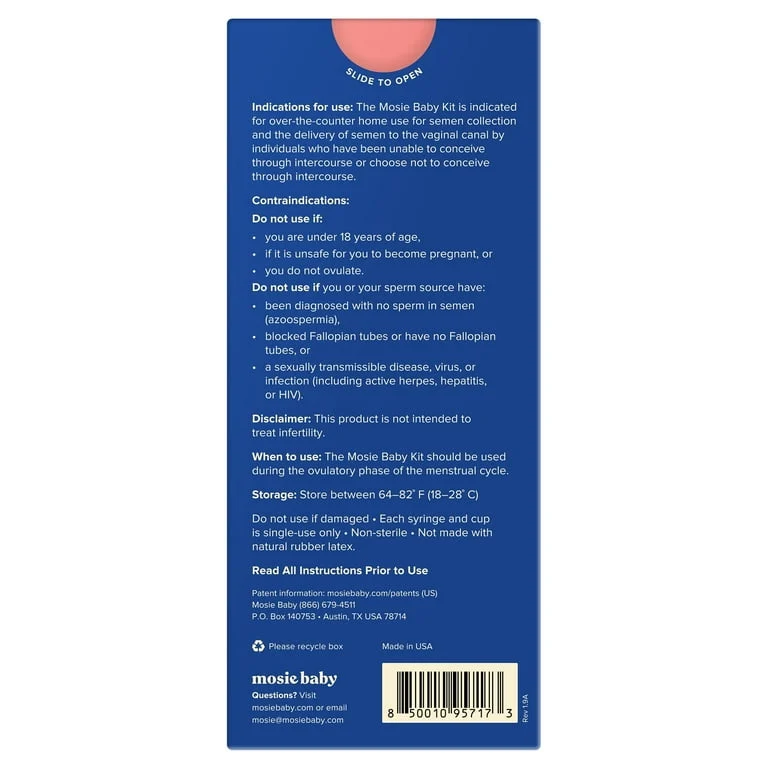
    Mosie Baby At-Home Insemination Kit instructions and storage guidelines on a blue background.

    Eating for Fertility: Improving Cervical Mucus Quality

    Protein plays a crucial role in fertility and is important for healthy cervical mucus production. Choose lean protein sources like chicken, fish, and plant-based options like tofu and beans. These protein sources also contain amino acids, which are necessary for building and repairing tissues, including the cervix.

    5. Fermented Foods

    Fermented foods, such as yogurt, kefir, and sauerkraut, contain probiotics that help to balance the bacteria in the gut. A healthy gut is essential for fertility and can improve cervical mucus quality by reducing inflammation and promoting a healthy immune system.

    6. Water

    Staying hydrated is crucial for overall health and can also help improve cervical mucus quality. Drinking enough water helps to keep cervical mucus thin and slippery, making it easier for sperm to swim through. Aim to drink at least eight glasses of water a day, and even more during ovulation.

    Foods to Avoid for Better Cervical Mucus Quality

    1. Processed Foods

    Processed foods, such as fast food, packaged snacks, and sugary treats, contain high levels of unhealthy fats, added sugars, and preservatives that can negatively impact cervical mucus quality. These foods can also cause inflammation in the body, making it more difficult for sperm to reach the egg.

    2. Excessive Caffeine and Alcohol

    Both caffeine and alcohol can disrupt hormone levels and negatively impact cervical mucus quality. It is best to limit or avoid these substances while trying to conceive.

    3. Dairy Products

    Dairy products can increase mucus production in the body, including cervical mucus. This can make it more difficult for sperm to reach the egg. If you are struggling with poor cervical mucus quality, consider limiting or avoiding dairy products.

    In addition to eating a healthy diet, it is also important to maintain a healthy weight and exercise regularly to improve cervical mucus quality. If you are still struggling with poor cervical mucus quality despite making dietary changes, speak to your doctor for further guidance.

    In summary, by incorporating healthy fats, fruits and vegetables, whole grains, lean protein, fermented foods, and water into your diet, and avoiding processed foods, excessive caffeine and alcohol, and dairy products, you can improve your cervical mucus quality and increase your chances of conceiving. Remember, a healthy diet is just one piece of the puzzle, and it is essential to take a holistic approach to fertility and consult with a healthcare professional for personalized advice.

  • The Surprising Ways Diet Affects Cervical Mucus Health

    Blog Post: The Surprising Ways Diet Affects Cervical Mucus Health

    Cervical mucus, also known as cervical fluid, is a natural and important part of a woman’s reproductive system. It plays a vital role in fertility and overall vaginal health. However, many women may not realize that their diet can have a significant impact on the quality and quantity of their cervical mucus. In this blog post, we will explore the surprising ways that diet affects cervical mucus health and provide tips on how to improve it.

    First, let’s understand what cervical mucus is and its role in the body. Cervical mucus is a fluid produced by the cervix that helps sperm reach and fertilize an egg. It also acts as a protective barrier against bacteria and other harmful substances from entering the uterus. The amount, consistency, and pH level of cervical mucus can vary throughout a woman’s menstrual cycle, depending on hormonal changes.

    Now, let’s dive into the ways that diet can affect cervical mucus health:

    1. Hydration: Staying hydrated is crucial for overall health, including vaginal health. Dehydration can lead to a decrease in cervical mucus production, making it harder for sperm to reach the egg. It can also cause the cervical mucus to become thicker and stickier, making it difficult for sperm to swim through. Therefore, it is essential to drink plenty of water and stay hydrated to maintain a healthy level of cervical mucus.

    2. Nutrient Deficiencies: A balanced diet is essential for the body to function correctly, and this includes the production of cervical mucus. Certain nutrients, such as vitamin C, vitamin B6, and zinc, play a crucial role in cervical mucus production. Deficiencies in these nutrients can lead to a decrease in cervical mucus, making it harder for sperm to survive and reach the egg. To ensure an adequate intake of these nutrients, include plenty of fruits, vegetables, and whole grains in your diet.

    at-home insemination kit with syringes, collection cups, and instructions on a pink background

    The Surprising Ways Diet Affects Cervical Mucus Health

    3. Sugar Intake: Excessive consumption of sugary foods and drinks can negatively impact cervical mucus health. High sugar intake can lead to inflammation in the body, including the vaginal area, which can affect the quality and quantity of cervical mucus. It can also throw off the delicate balance of bacteria in the vagina, leading to an increase in harmful bacteria and a decrease in beneficial bacteria. Therefore, it is essential to limit your sugar intake to maintain a healthy balance of bacteria and promote the production of healthy cervical mucus.

    4. Alcohol and Caffeine: Both alcohol and caffeine are known to dehydrate the body, which can affect cervical mucus production. They can also disrupt hormonal balance, leading to changes in the amount and consistency of cervical mucus. It is crucial to limit or avoid alcohol and caffeine if you are trying to conceive or maintain a healthy vaginal environment.

    5. Omega-3 Fatty Acids: Omega-3 fatty acids are essential for overall health and are also beneficial for cervical mucus production. These healthy fats help to reduce inflammation in the body, including the vaginal area. They also help to maintain a healthy pH level in the vagina, which is crucial for the growth of beneficial bacteria. Foods rich in omega-3 fatty acids include fatty fish, flaxseed, chia seeds, and walnuts.

    6. Plant-based Foods: A diet high in plant-based foods, such as fruits, vegetables, and whole grains, has been linked to a healthier vaginal environment. These foods contain antioxidants and phytoestrogens, which help to reduce inflammation and maintain a healthy balance of bacteria. Plant-based foods also provide essential nutrients for cervical mucus production, such as vitamin C, which helps to keep the mucus thin and stretchy.

    7. Water-based Fruits and Vegetables: Some fruits and vegetables have a high water content, making them beneficial for cervical mucus health. These include watermelon, cucumber, celery, and lettuce. These water-based foods help to keep the body hydrated, which is crucial for healthy cervical mucus production. They also provide essential nutrients for vaginal health, such as vitamin C and zinc.

    In summary, diet plays a significant role in cervical mucus health. Staying hydrated, consuming a balanced diet, limiting sugar, alcohol, and caffeine intake, and including foods rich in essential nutrients and omega-3 fatty acids can help to maintain a healthy vaginal environment and promote the production of healthy cervical mucus.

    Remember, every woman’s body is different, and what works for one may not work for another. It is essential to listen to your body and make dietary changes that work best for you. If you have concerns about your cervical mucus health, consult with your healthcare provider for personalized advice.

  • Fertility Superfoods: Boosting Cervical Mucus Quality

    Blog Post: Fertility Superfoods: Boosting Cervical Mucus Quality

    Trying to conceive can be a stressful and emotional journey for many couples. While there are various factors that can affect fertility, one important aspect that often gets overlooked is the quality of cervical mucus. Cervical mucus plays a crucial role in helping sperm reach and fertilize the egg, making it an essential factor in achieving pregnancy. In this blog post, we will discuss the importance of cervical mucus and how certain superfoods can help boost its quality, increasing the chances of conception.

    What is Cervical Mucus and Why is it Important?

    Cervical mucus is a fluid produced by the cervix, the narrow passage that connects the uterus to the vagina. It plays a vital role in the reproductive process as it helps sperm travel through the vagina and cervix, swim through the uterus, and reach the fallopian tubes where fertilization takes place. Additionally, cervical mucus also helps to nourish and protect the sperm, making it easier for them to survive in the female reproductive tract.

    The quality of cervical mucus is essential for conception as it needs to have the right consistency and pH level to support sperm survival and movement. Thin and watery mucus does not provide enough nourishment for sperm, while thick and sticky mucus can hinder their movement, making it difficult for them to reach the egg. Therefore, healthy cervical mucus is crucial for a successful pregnancy.

    How Can Superfoods Help Boost Cervical Mucus Quality?

    1. Spinach

    Spinach is a nutrient-dense superfood that contains high levels of folic acid, iron, and vitamin C. Folic acid is essential for healthy cervical mucus production, as it helps to maintain the correct pH level, making it easier for sperm to survive and swim. Iron is also vital for the production of red blood cells, which carry oxygen to the reproductive organs, promoting healthy mucus production. Additionally, vitamin C helps to boost the immune system, which can help fight off any infections that may affect cervical mucus quality.

    2. Avocado

    Avocados are a rich source of monounsaturated fats, which are essential for the production of hormones that regulate cervical mucus. These healthy fats also help to maintain the correct consistency of mucus, making it easier for sperm to swim through. Avocados are also high in vitamin E, a powerful antioxidant that helps to protect reproductive cells from damage and improve cervical mucus quality.

    3. Salmon

    comparison of Mosie syringe opening versus standard syringe opening with text highlighting benefits

    Fertility Superfoods: Boosting Cervical Mucus Quality

    Salmon is an excellent source of omega-3 fatty acids, which are essential for reproductive health. These healthy fats help to regulate hormone production, promote blood flow to the reproductive organs, and reduce inflammation, all of which can contribute to the production of healthy cervical mucus. Additionally, salmon is rich in vitamin D, which plays a crucial role in the development and maturation of eggs and can help improve overall fertility.

    4. Berries

    Berries, such as blueberries, raspberries, and strawberries, are packed with antioxidants that help to protect reproductive cells from damage. They are also high in vitamin C, which is essential for healthy cervical mucus production. Berries are also a good source of fiber, which helps to regulate hormone levels and maintain a healthy weight, both of which can impact cervical mucus quality.

    5. Whole Grains

    Whole grains, such as brown rice, quinoa, and oats, are rich in B vitamins, which are crucial for reproductive health. These vitamins help to regulate hormone production and support the development and maturation of eggs. Whole grains are also a good source of fiber, which can help to regulate estrogen levels and promote healthy cervical mucus production.

    6. Pumpkin Seeds

    Pumpkin seeds are a great source of zinc, a mineral that plays a vital role in reproductive health. Zinc helps to regulate hormone levels, promote healthy egg development, and improve sperm quality. Additionally, zinc is essential for the production of healthy cervical mucus, as it helps to maintain the correct pH level and consistency.

    7. Dark Leafy Greens

    Dark leafy greens, such as kale, collard greens, and Swiss chard, are rich in iron, which is essential for healthy cervical mucus production. They also contain high levels of vitamin C and folic acid, both of which are important for cervical mucus quality. Dark leafy greens are also a good source of calcium, which helps to regulate hormone levels and promote healthy mucus production.

    Summary:

    Cervical mucus quality is an important factor in achieving pregnancy, as it helps sperm reach and fertilize the egg. To improve cervical mucus quality, including fertility superfoods in your diet can be beneficial. Spinach, avocado, salmon, berries, whole grains, pumpkin seeds, and dark leafy greens are all examples of superfoods that can help boost cervical mucus quality. These foods are rich in essential nutrients such as folic acid, iron, vitamin C, and zinc, which are crucial for healthy mucus production. By incorporating these superfoods into your diet, you can increase your chances of conception and improve overall reproductive health.

  • Optimizing Fertility: How Your Diet Affects Cervical Mucus

    Optimizing Fertility: How Your Diet Affects Cervical Mucus

    If you’re trying to conceive, you may already know that tracking your menstrual cycle and ovulation is crucial. But did you know that your diet can also play a significant role in your fertility? In particular, the quality of your cervical mucus can greatly impact your chances of getting pregnant. In this blog post, we will discuss the importance of cervical mucus for fertility and how your diet can affect it.

    What is Cervical Mucus?

    Cervical mucus, also known as cervical fluid, is a fluid produced by the cervix that plays a vital role in fertility. It serves as a natural barrier, protecting the uterus from bacteria and other harmful substances. Cervical mucus also helps sperm travel through the cervix and into the uterus, making it easier for fertilization to occur.

    The Role of Cervical Mucus in Fertility

    Cervical mucus changes throughout your menstrual cycle, and these changes are necessary for fertility. During most of your cycle, the mucus is thick and acidic, acting as a barrier to sperm. But as you approach ovulation, the mucus becomes thinner, clearer, and more alkaline, creating a sperm-friendly environment. This change in cervical mucus is known as the fertile window, and it is when you are most likely to get pregnant.

    The Importance of a Healthy Diet for Cervical Mucus

    The quality of your cervical mucus can be affected by various factors, including hormones, medications, and lifestyle choices. One significant factor that can impact cervical mucus is your diet. Eating a healthy and balanced diet can help promote the production of fertile cervical mucus, making it easier for sperm to reach and fertilize the egg.

    Foods That Can Improve Cervical Mucus

    1. Water

    Staying hydrated is crucial for overall health, but it can also impact cervical mucus production. Drinking enough water helps to keep your body well-hydrated, including your cervical mucus, making it easier for sperm to swim through.

    2. Healthy Fats

    Healthy fats, such as omega-3 fatty acids, are essential for fertility and can also improve the quality of cervical mucus. These fats can be found in foods like salmon, avocado, nuts, and seeds.

    3. Fruits and Vegetables

    sperm-ready insemination kit with a syringe and container, featuring a screw top lid and non-tip safety wall

    Optimizing Fertility: How Your Diet Affects Cervical Mucus

    Fruits and vegetables are rich in antioxidants, which can help improve cervical mucus production. They are also full of essential vitamins and minerals that support overall reproductive health.

    4. Fermented Foods

    Fermented foods, such as yogurt, kefir, and sauerkraut, contain probiotics that promote a healthy balance of bacteria in the body. This, in turn, can improve the quality of cervical mucus.

    Foods to Avoid for Optimal Cervical Mucus

    1. Processed Foods

    Processed foods are high in sugar, unhealthy fats, and chemicals, all of which can negatively affect cervical mucus production. These foods can also disrupt hormone levels, making it harder for sperm to reach the egg.

    2. Caffeine

    Consuming too much caffeine can cause dehydration and affect cervical mucus production. It is recommended to limit caffeine intake to no more than 200mg per day when trying to conceive.

    3. Alcohol

    Excessive alcohol consumption can also lead to dehydration and disrupt hormone levels, affecting cervical mucus. It is best to avoid alcohol altogether when trying to conceive.

    4. Dairy Products

    Some dairy products contain hormones that can interfere with your body’s natural hormone balance, affecting cervical mucus production. Consider switching to organic dairy or opting for non-dairy alternatives.

    Final Thoughts

    In addition to following a healthy diet, it is essential to maintain a healthy weight and avoid smoking when trying to optimize your fertility. It is also recommended to consult with a healthcare professional if you have concerns about your cervical mucus production or are having difficulties conceiving.

    In conclusion, your diet plays a significant role in the production and quality of your cervical mucus. By incorporating foods that promote fertile cervical mucus and avoiding foods that can harm it, you can increase your chances of conceiving. Remember to prioritize a healthy and balanced diet for overall reproductive health and optimal fertility.