Author: MosieBaby

  • Fertile Ground: How Cervical Mucus Nourishes and Protects Sperm on Their Journey

    Blog post:

    Cervical mucus is a natural substance produced by the cervix that plays a crucial role in fertility. It is often overlooked or misunderstood, but the truth is, cervical mucus is essential for nourishing and protecting sperm on their journey to fertilize an egg. In this blog post, we will explore the importance of cervical mucus and how it supports sperm in their quest to create new life.

    What is Cervical Mucus?

    Cervical mucus, also known as cervical fluid, is a clear or white substance that is secreted by the cervix. It changes in consistency throughout a woman’s menstrual cycle, becoming thinner and more stretchy around the time of ovulation. This change is due to an increase in estrogen levels, which stimulates the production of cervical mucus.

    The Role of Cervical Mucus in Fertility

    Cervical mucus acts as a protective barrier and nourishing medium for sperm on their journey through the female reproductive tract. It provides a hospitable environment for sperm to survive and swim towards the egg. Without cervical mucus, sperm would not be able to reach the egg and fertilize it.

    Nourishing Sperm

    Cervical mucus contains various nutrients that are essential for sperm survival. These include amino acids, enzymes, and sugars that provide energy for sperm to swim. It also helps to maintain the ideal pH balance for sperm, which is crucial for their survival. Without these nutrients, sperm would not be able to survive long enough to fertilize an egg.

    Protecting Sperm

    Apart from nourishing sperm, cervical mucus also protects them from the acidic environment of the vagina. The vagina is naturally acidic, which can be harmful to sperm. However, cervical mucus contains alkaline substances that neutralize the acidity and create a more favorable environment for sperm to survive.

    two teal and clear syringes positioned on a white background

    Fertile Ground: How Cervical Mucus Nourishes and Protects Sperm on Their Journey

    Guiding Sperm

    Cervical mucus also plays a role in guiding sperm towards the egg. The consistency of cervical mucus changes throughout the menstrual cycle, becoming thinner and more stretchy around ovulation. This thinning and stretchiness make it easier for sperm to swim towards the egg. Additionally, the mucus forms channels that help direct sperm towards the cervix and the fallopian tubes, where fertilization occurs.

    Determining Fertility

    The quality and quantity of cervical mucus can also indicate a woman’s fertility. By tracking changes in cervical mucus, women can determine their most fertile days. During ovulation, the mucus becomes clear, slippery, and stretchy, resembling the consistency of raw egg whites. This type of mucus is known as fertile cervical mucus and is considered the most conducive for sperm survival and fertilization.

    Factors Affecting Cervical Mucus

    Several factors can affect the production and quality of cervical mucus, including hormonal imbalances, certain medications, and lifestyle choices. Hormonal imbalances, such as low estrogen levels, can result in insufficient cervical mucus production, making it difficult for sperm to reach the egg. Certain medications, such as antihistamines, can also dry up cervical mucus, hindering sperm’s journey. Smoking, alcohol consumption, and a poor diet can also affect the quality and quantity of cervical mucus.

    Maintaining Healthy Cervical Mucus

    To ensure optimal fertility, it is essential to maintain healthy cervical mucus. This can be achieved by staying hydrated, eating a balanced diet rich in nutrients, and avoiding substances that can dry up cervical mucus. Women can also take fertility supplements that contain ingredients known to support healthy cervical mucus production.

    Conclusion

    In conclusion, cervical mucus is a vital component in the process of conception. It nourishes and protects sperm, guides them towards the egg, and indicates a woman’s most fertile days. By understanding the role of cervical mucus, women can take steps to maintain its health and optimize their chances of conceiving. So the next time you think about fertility, don’t forget to give credit to the unsung hero, cervical mucus.

    Summary: Cervical mucus is a natural substance produced by the cervix that plays a crucial role in fertility. It nourishes and protects sperm, guides them towards the egg, and indicates a woman’s most fertile days. It contains nutrients that support sperm survival and helps maintain a favorable environment. Factors such as hormonal imbalances, medications, and lifestyle choices can affect its production and quality. By understanding the importance of cervical mucus, women can take steps to maintain its health and optimize their chances of conceiving.

  • Cervical Mucus: More Than Just a Lubricant for Sperm

    Summary:

    Cervical mucus is a fluid secreted by the cervix that plays a crucial role in fertility and reproductive health. While many people may only associate cervical mucus with its role in lubricating sperm during intercourse, it actually serves many other important functions. In this blog post, we will explore the different types of cervical mucus, how it changes throughout a woman’s menstrual cycle, and its role in fertility and overall vaginal health. Additionally, we will discuss the importance of monitoring cervical mucus for natural family planning and diagnosing potential reproductive health issues.

    Types of Cervical Mucus:

    Cervical mucus can be categorized into four main types – dry, sticky, creamy, and egg white. Each type serves a different purpose in the reproductive process. Dry and sticky mucus are typically present in the beginning and end of a woman’s menstrual cycle, respectively, and provide a barrier to sperm. Creamy mucus appears during the early stages of the fertile window and helps to nourish and protect sperm. The most fertile type of mucus is egg white, which is clear, stretchy, and helps sperm to swim more easily towards the egg.

    Changes in Cervical Mucus:

    Throughout a woman’s menstrual cycle, cervical mucus changes in consistency and amount due to fluctuations in hormones. Estrogen levels rise during the fertile window, causing an increase in the production of cervical mucus. This results in a noticeable change in the texture and appearance of the mucus, making it more slippery and stretchy. After ovulation, progesterone levels increase, causing a decrease in cervical mucus production, and the mucus becomes thicker and stickier.

    two teal and clear syringes positioned on a white background

    Cervical Mucus: More Than Just a Lubricant for Sperm

    Role in Fertility:

    Cervical mucus plays a critical role in fertility by helping sperm to survive and reach the egg for fertilization. The slippery and stretchy texture of egg white mucus creates a favorable environment for sperm to travel through the cervix and into the uterus. Additionally, cervical mucus nourishes and protects sperm, helping them to survive for several days within the female reproductive tract. Without the presence of fertile cervical mucus, sperm would have a much harder time reaching the egg, making it more difficult to achieve pregnancy.

    Importance for Natural Family Planning:

    Monitoring cervical mucus can also be an effective method for natural family planning. By tracking the changes in mucus throughout a woman’s cycle, she can identify her fertile window and time intercourse accordingly to either achieve or avoid pregnancy. This method, known as the Billings Ovulation Method, has been found to be up to 99% effective when used correctly. It is a natural and non-invasive way to plan or prevent pregnancy, making it a popular option for those who prefer to avoid hormonal birth control methods.

    Diagnosing Reproductive Health Issues:

    In addition to its role in fertility, cervical mucus can also provide valuable information about a woman’s reproductive health. Changes in the consistency, color, and amount of mucus can indicate potential issues such as hormonal imbalances, infections, or cervical abnormalities. By tracking changes in cervical mucus, a woman can identify potential issues and seek medical attention if necessary.

    In conclusion, cervical mucus is more than just a lubricant for sperm. It plays a crucial role in fertility, natural family planning, and diagnosing reproductive health issues. Understanding the different types of cervical mucus, how it changes throughout the menstrual cycle, and its importance for reproductive health can empower women to take control of their fertility and overall well-being.

  • The Link Between Cervical Mucus and Successful Conception: What Science Tells Us

    Blog post:

    Cervical mucus, the fluid secreted by the cervix, may not be a topic that many people think about when it comes to conception. However, research has shown that cervical mucus plays a crucial role in the process of getting pregnant. In this blog post, we will delve into the link between cervical mucus and successful conception, and what science tells us about this connection.

    Understanding Cervical Mucus

    Before we dive into the connection between cervical mucus and conception, it is important to understand what cervical mucus is and its purpose. Cervical mucus is a thick, sticky, and slippery fluid that is produced by the cervix. It changes in consistency throughout your menstrual cycle under the control of hormones, particularly estrogen and progesterone.

    The Role of Cervical Mucus in Conception

    The primary role of cervical mucus is to help sperm travel through the cervix and uterus to reach the egg in the fallopian tubes. Without fertile cervical mucus, sperm would not be able to survive and reach the egg. This is because the acidic environment of the vagina can be harmful to sperm, and the thick consistency of cervical mucus acts as a barrier to prevent sperm from entering the uterus and fallopian tubes.

    The Link Between Cervical Mucus and Ovulation

    Cervical mucus also plays a crucial role in predicting ovulation. As mentioned earlier, cervical mucus changes in consistency throughout the menstrual cycle. During the fertile window, which is typically around 2-3 days before ovulation, cervical mucus becomes thin, watery, and stretchy, resembling the consistency of egg whites. This type of cervical mucus, known as fertile cervical mucus, helps sperm swim easily through the cervix and reach the egg.

    Research has shown that women with more fertile cervical mucus are more likely to conceive compared to those with less fertile cervical mucus. This is because fertile cervical mucus provides a favorable environment for sperm to survive and reach the egg.

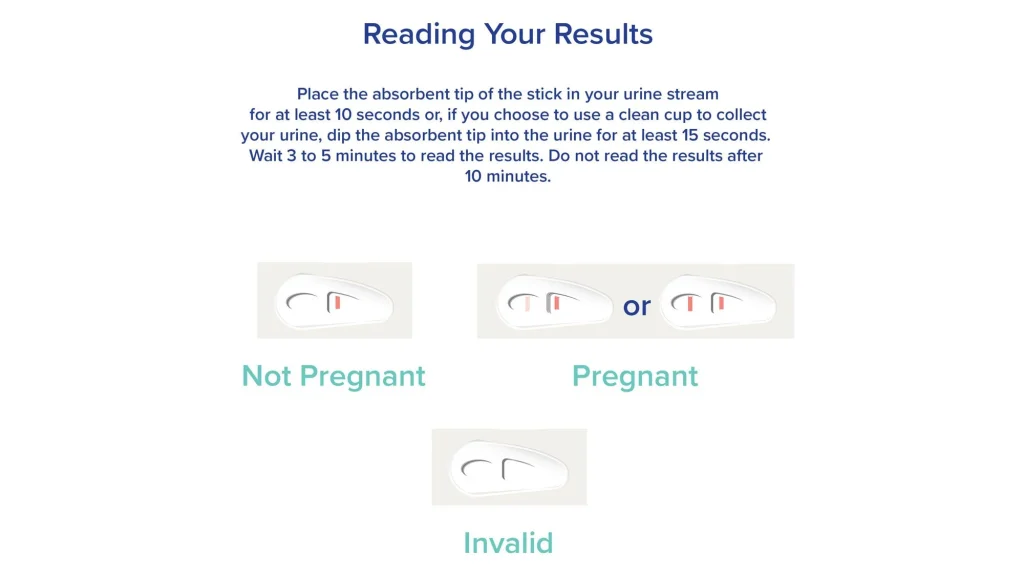
    Instructions for reading pregnancy test results with visual indicators for "Not Pregnant," "Pregnant," and "Invalid.

    The Link Between Cervical Mucus and Successful Conception: What Science Tells Us

    Factors Affecting Cervical Mucus Quality

    Many factors can affect the quality and quantity of cervical mucus, including hormonal imbalances, certain medications, infections, and lifestyle habits such as smoking and excessive alcohol consumption. These factors can cause a decrease in fertile cervical mucus, making it more difficult for sperm to reach the egg and decreasing the chances of conception.

    Improving Cervical Mucus Quality for Successful Conception

    If you are trying to conceive, it is essential to pay attention to your cervical mucus and take steps to improve its quality. To increase fertile cervical mucus, you can try using over-the-counter fertility-friendly lubricants, staying hydrated, and avoiding lifestyle habits that can affect cervical mucus quality.

    Additionally, certain supplements, such as evening primrose oil and guaifenesin, have been shown to improve cervical mucus quality. These supplements can be taken orally or applied directly to the cervix as a natural sperm-friendly lubricant.

    In some cases, medical interventions may be necessary to improve cervical mucus quality. These may include hormone therapy or procedures such as intrauterine insemination (IUI) or in vitro fertilization (IVF).

    Conclusion

    In conclusion, the link between cervical mucus and successful conception is undeniable. Cervical mucus not only helps sperm reach the egg but also plays a crucial role in predicting ovulation. It is essential to pay attention to your cervical mucus and take steps to improve its quality if you are trying to conceive. By understanding the role of cervical mucus in conception and taking necessary steps to improve its quality, you can increase your chances of successful conception.

    Summary:

    Cervical mucus, the fluid secreted by the cervix, plays a crucial role in the process of getting pregnant. It helps sperm travel through the cervix and uterus to reach the egg and also plays a role in predicting ovulation. Factors such as hormonal imbalances, medications, and lifestyle habits can affect cervical mucus quality, but steps can be taken to improve it, such as using fertility-friendly lubricants and supplements. Medical interventions may also be necessary in some cases. By understanding the link between cervical mucus and successful conception, couples can increase their chances of getting pregnant.

  • From Thick to Thin: The Changing Consistency of Cervical Mucus and What It Means for Sperm

    From Thick to Thin: The Changing Consistency of Cervical Mucus and What It Means for Sperm

    The human reproductive system is a complex and fascinating system that allows for the creation of new life. One important aspect of this system is cervical mucus, a substance produced by the cervix that plays a crucial role in fertility and conception. Cervical mucus is not a static substance; it changes throughout a woman’s menstrual cycle, from thick and sticky to thin and stretchy. In this blog post, we will explore the different consistencies of cervical mucus and how it affects sperm and fertility.

    Understanding Cervical Mucus

    Before we dive into the different consistencies of cervical mucus, it’s important to understand what it is and its role in the reproductive system. Cervical mucus is a fluid produced by the glands in the cervix, the narrow passage between the uterus and the vagina. Its main function is to provide lubrication for sexual intercourse and to protect the reproductive organs from bacteria and other harmful substances.

    But perhaps its most crucial role is in fertility. Cervical mucus plays a vital role in the process of fertilization by creating a conducive environment for sperm to survive and reach the egg. Without the right type of cervical mucus, it would be challenging for sperm to survive and fertilize an egg.

    The Changing Consistency of Cervical Mucus

    Cervical mucus is not a constant substance; it changes throughout a woman’s menstrual cycle, which is typically 28 days long. The consistency of cervical mucus is influenced by hormonal changes that occur during each phase of the menstrual cycle.

    During the first few days of the menstrual cycle, the cervical mucus is usually thick and sticky, similar to the consistency of glue. This type of mucus is not conducive for sperm survival, making it difficult for them to reach the egg.

    As a woman approaches ovulation, there is an increase in the levels of estrogen in the body. This hormone is responsible for thinning out the cervical mucus, making it more watery and stretchy. This type of mucus is known as “fertile” cervical mucus and is the most conducive for sperm survival. It acts as a medium for sperm to swim through and reach the egg.

    comparison of Mosie syringe opening versus standard syringe opening with text highlighting benefits

    From Thick to Thin: The Changing Consistency of Cervical Mucus and What It Means for Sperm

    After ovulation, the cervical mucus returns to a thicker and stickier consistency, making it more difficult for sperm to survive. This change in consistency is due to a decrease in estrogen levels and an increase in progesterone, which prepares the body for a potential pregnancy.

    What It Means for Sperm

    The changing consistency of cervical mucus has a significant impact on sperm and their ability to fertilize an egg. As mentioned earlier, the thick and sticky mucus at the beginning of the menstrual cycle makes it challenging for sperm to survive and reach the egg. This is because the mucus acts as a barrier, making it difficult for sperm to swim through.

    However, as ovulation approaches and the cervical mucus becomes thinner and stretchier, it creates a more hospitable environment for sperm. The mucus not only acts as a medium for sperm to swim through, but it also provides nourishment and protection for them. This environment increases the chances of sperm successfully fertilizing an egg.

    After ovulation, when the cervical mucus becomes thicker again, it becomes difficult for sperm to survive. This is nature’s way of preventing any further sperm from reaching the egg, as fertilization has already occurred. If pregnancy does not occur, the cycle repeats itself, and the cervical mucus will once again become thin and stretchy in preparation for potential fertilization.

    What It Means for Fertility

    Understanding the different consistencies of cervical mucus is crucial for those trying to conceive. Tracking changes in cervical mucus can help pinpoint the most fertile days of a woman’s cycle, making it easier to time intercourse and increase the chances of fertilization.

    For couples trying to avoid pregnancy, understanding the changes in cervical mucus can also be helpful. By avoiding intercourse during the fertile days when the mucus is thin and stretchy, the chances of pregnancy can be reduced.

    In some cases, women may experience changes in cervical mucus that do not follow the typical patterns, which may indicate an underlying issue with fertility. In these cases, it is essential to consult with a doctor for further evaluation and treatment.

    In conclusion, cervical mucus plays an essential role in fertility and conception. Its changing consistency throughout a woman’s cycle is a natural and necessary process that allows for the survival and transport of sperm. Understanding these changes can be beneficial for those trying to conceive or avoid pregnancy.

  • Understanding Cervical Mucus Changes and Their Impact on Fertility

    Understanding Cervical Mucus Changes and Their Impact on Fertility

    Cervical mucus plays a crucial role in a woman’s fertility. Many women may not realize the importance of their cervical mucus, but understanding its changes and how it affects fertility can greatly increase the chances of conceiving. In this blog post, we will dive into the details of cervical mucus and its impact on fertility.

    What is Cervical Mucus?

    Cervical mucus, also known as cervical fluid, is a natural secretion produced by the cells of the cervix. It is a clear or white sticky substance that is found in the cervix, the lower part of the uterus that connects to the vagina. The amount and consistency of cervical mucus can vary throughout a woman’s menstrual cycle. It is influenced by hormones and can provide important information about a woman’s fertility.

    Cervical Mucus and Fertility

    Cervical mucus plays a crucial role in fertility by creating a favorable environment for sperm to survive and travel through the reproductive tract. It also helps to protect the sperm from the acidic environment of the vagina, which can be hostile to sperm. Without the presence of cervical mucus, the sperm would not be able to survive long enough to reach the egg.

    Understanding Cervical Mucus Changes

    The quality and quantity of cervical mucus can change throughout a woman’s menstrual cycle. This is due to hormonal fluctuations that occur during different phases of the cycle. By observing and tracking these changes, women can gain valuable insight into their fertility and ovulation.

    At the beginning of a woman’s cycle, after menstruation, the cervical mucus is usually dry or sticky. As she approaches ovulation, the mucus becomes more abundant, clear, and stretchy, resembling the consistency of egg whites. This type of mucus, known as fertile cervical mucus, is the most conducive to sperm survival and movement, making it the most fertile time of the cycle.

    After ovulation, the cervical mucus becomes thicker and less abundant, making it more difficult for sperm to survive and travel. This is known as the infertile phase of the cycle. As the cycle progresses, the cervical mucus will eventually dry up again, indicating the onset of menstruation.

    hands using a blue syringe to extract contents from a clear container for a home insemination kit

    Understanding Cervical Mucus Changes and Their Impact on Fertility

    Tracking Cervical Mucus Changes for Fertility

    Tracking cervical mucus changes can be an effective way to determine the most fertile time of the menstrual cycle. This method is known as the cervical mucus method or the Billings Ovulation Method. Women can track changes in their cervical mucus by observing it visually or by using their fingers to feel the consistency and stretchiness.

    By tracking cervical mucus changes over several cycles, women can identify patterns and predict when ovulation is most likely to occur. This can be helpful for couples trying to conceive, as having intercourse during the fertile cervical mucus phase can greatly increase the chances of pregnancy.

    Cervical Mucus Changes and Infertility

    Abnormalities in cervical mucus can also have an impact on fertility. Some women may experience a lack of fertile cervical mucus, which can be caused by hormonal imbalances or certain medications. This can make it difficult for sperm to survive and travel, making it harder to conceive.

    On the other hand, some women may have too much cervical mucus, which can also affect fertility. This can be caused by conditions such as endometriosis or pelvic inflammatory disease. In these cases, the excess mucus can create a barrier for sperm, making it difficult for them to reach the egg.

    In addition, certain medications, such as antihistamines and some birth control pills, can also affect the production and quality of cervical mucus. It is important to discuss any concerns about cervical mucus changes with a healthcare provider.

    In Summary

    Cervical mucus is a vital component of a woman’s reproductive system and plays a crucial role in fertility. Understanding the changes in cervical mucus throughout the menstrual cycle can help women predict their most fertile time and increase their chances of conceiving. However, abnormalities in cervical mucus can also have an impact on fertility and should be discussed with a healthcare provider.

    SEO metadata:

  • Cervical Mucus and Sperm Transportation: A Match Made in Reproductive Heaven

    Summary:

    Cervical mucus and sperm transportation are two crucial components of the reproductive process in humans. The interaction between cervical mucus and sperm plays a major role in fertility and conception. In this blog post, we will explore the functions of cervical mucus, how it aids in the transportation of sperm, and the factors that can affect this process. We will also discuss how understanding this process can help individuals in their fertility journey.

    Firstly, let’s understand what cervical mucus is and its purpose in the female reproductive system. Cervical mucus is a fluid produced by the cervix, the narrow passage that connects the vagina to the uterus. It serves as a protective barrier for the reproductive organs and helps to keep them clean and moist. The consistency and quality of cervical mucus vary throughout the menstrual cycle due to hormonal changes.

    During ovulation, cervical mucus becomes thinner, clearer, and more stretchy, resembling raw egg whites. This type of mucus, known as fertile cervical mucus, creates an optimal environment for sperm survival and transportation. The watery consistency of fertile cervical mucus makes it easier for sperm to swim through, and its stretchiness helps them to move quickly towards the egg.

    But how does cervical mucus aid in sperm transportation? The cervix acts as a gatekeeper, only allowing sperm to pass through during the fertile window. The fertile cervical mucus helps to filter out damaged or weak sperm, allowing only the healthiest and most viable ones to reach the egg. Furthermore, the mucus creates a channel or “swimming lane” for sperm to travel through, increasing their chances of reaching the egg.

    Apart from aiding in sperm transportation, cervical mucus also plays a role in protecting sperm from the acidic environment of the vagina. The vagina is naturally acidic, which can be harmful to sperm. However, fertile cervical mucus contains alkaline substances that neutralize the acidic environment, creating a more suitable environment for sperm survival.

    sperm-ready insemination kit with a syringe and container, featuring a screw top lid and non-tip safety wall

    Cervical Mucus and Sperm Transportation: A Match Made in Reproductive Heaven

    Several factors can affect the quality and quantity of cervical mucus, thereby impacting sperm transportation. Hormonal imbalances, certain medications, and underlying health conditions can all affect the production and consistency of cervical mucus. For example, women with polycystic ovary syndrome (PCOS) often have thicker and stickier cervical mucus, making it difficult for sperm to travel through. In contrast, women with low estrogen levels may have less fertile cervical mucus, hindering sperm transportation.

    Now, let’s delve into the process of sperm transportation and how it works hand in hand with cervical mucus. Once the sperm enters the vagina, they must navigate through the cervix, up the uterus, and into the fallopian tubes, where fertilization takes place. This journey can take anywhere from a few minutes to several hours, depending on the quality and quantity of cervical mucus.

    One of the key factors that determine sperm transportation is the ability of sperm to swim effectively. Sperm with good motility can swim against the current of cervical mucus and reach the egg successfully. However, sperm with poor motility may struggle to swim through the thick and sticky cervical mucus, reducing their chances of reaching the egg.

    Furthermore, the timing of intercourse and ovulation also play a crucial role in sperm transportation. As sperm can survive in the female reproductive tract for up to five days, having intercourse a few days before ovulation can increase the chances of sperm reaching the egg when it is released. This is where tracking cervical mucus consistency and using ovulation predictor kits can be helpful in determining the fertile window.

    In addition to the natural process of sperm transportation, there are also medical interventions that can assist in this process. Intrauterine insemination (IUI) involves placing washed and concentrated sperm directly into the uterus, bypassing the cervix and cervical mucus. This method is often used in cases of cervical mucus abnormalities or male factor infertility.

    In vitro fertilization (IVF) is another option for individuals struggling with sperm transportation issues. In this procedure, sperm is directly injected into the egg, eliminating the need for sperm to travel through the reproductive tract. However, understanding the role of cervical mucus and its impact on sperm transportation can still be beneficial for couples undergoing IVF, as it can help optimize the chances of success.

    In conclusion, cervical mucus and sperm transportation go hand in hand, playing vital roles in the reproductive process. Cervical mucus not only aids in sperm transportation but also acts as a protective barrier and creates a conducive environment for sperm survival. Factors such as hormonal imbalances and underlying health conditions can affect cervical mucus quality, impacting sperm transportation. Understanding this process can help individuals in their fertility journey by optimizing their chances of conception.

  • The Role of Cervical Mucus in Natural Family Planning and Fertility Tracking

    Blog Post:

    Natural Family Planning (NFP) is a method of birth control that relies on tracking a woman’s menstrual cycle and identifying fertile days in order to prevent or achieve pregnancy. This method has gained popularity in recent years due to its non-invasive and hormone-free approach. One key aspect of NFP is understanding the role of cervical mucus in fertility tracking. In this blog post, we will dive into the details of cervical mucus and its importance in natural family planning.

    What is Cervical Mucus?

    Cervical mucus is a fluid secreted by the cervix, the lower part of the uterus, throughout a woman’s menstrual cycle. Its consistency, color, and amount can change depending on where a woman is in her cycle. It is also commonly known as vaginal discharge.

    The Role of Cervical Mucus in Natural Family Planning

    Understanding the role of cervical mucus is crucial in natural family planning as it is a natural indicator of a woman’s fertility. The consistency and quality of cervical mucus can help a woman determine where she is in her cycle and when she is most fertile.

    During a woman’s menstrual cycle, the cervix produces different types of mucus, which are influenced by the hormones estrogen and progesterone. These hormones are responsible for preparing the body for ovulation and pregnancy.

    Types of Cervical Mucus

    1. Dry/No Mucus: This type of cervical mucus is present just after menstruation and before ovulation. It is thick, sticky, and not conducive to sperm survival.

    2. Sticky Mucus: As a woman approaches ovulation, her cervical mucus starts to increase, but it is still thick and sticky. It is not the most fertile type of mucus but can indicate that ovulation is approaching.

    3. Creamy Mucus: This type of mucus is a mixture of sticky and watery mucus and is considered a transitional phase between non-fertile and fertile mucus. It may be present a few days before ovulation and is a sign of increased estrogen levels.

    4. Watery Mucus: As ovulation approaches, cervical mucus becomes more watery and slippery. This type of mucus is considered fertile as it helps sperm travel through the cervix and into the uterus.

    at-home insemination kit by Mosie Baby, featuring syringes, collection cups, and instructions on a pink background.

    The Role of Cervical Mucus in Natural Family Planning and Fertility Tracking

    5. Egg White Mucus: This type of mucus is the most fertile and is often described as resembling raw egg whites. It is clear, stretchy, and slippery, making it easier for sperm to swim through. This mucus is produced just before and during ovulation.

    After ovulation, the cervical mucus returns to a dry or sticky consistency, indicating that the fertile window has closed.

    How to Track Cervical Mucus for Natural Family Planning

    In order to track cervical mucus for natural family planning, a woman needs to be familiar with her own body and the changes in her mucus throughout her menstrual cycle. This can be done by regularly checking the mucus at the opening of the vagina and recording the observations in a chart or app.

    When tracking cervical mucus, it is important to note the color, consistency, and amount of mucus. Some women may also use descriptive terms such as “sticky,” “creamy,” or “egg white” to further specify the type of mucus.

    Benefits of Cervical Mucus Tracking in Natural Family Planning

    1. Non-Invasive and Hormone-Free: Unlike other forms of birth control, tracking cervical mucus is a non-invasive and hormone-free method. It allows women to understand their bodies and fertility without the use of external substances.

    2. Cost-Effective: Tracking cervical mucus for natural family planning is cost-effective as it does not require any expensive equipment or medications.

    3. Empowering for Women: By tracking their own cervical mucus, women become more in tune with their bodies and have a better understanding of their fertility. This can lead to a sense of empowerment and control over their reproductive health.

    4. Can Be Used to Achieve or Avoid Pregnancy: Cervical mucus tracking can be used to either achieve or avoid pregnancy. By understanding the changes in cervical mucus, a woman can determine her most fertile days and plan accordingly.

    5. Can Be Used in Conjunction with Other Methods: Cervical mucus tracking can be used in combination with other natural family planning methods, such as tracking basal body temperature or using fertility monitors, to increase accuracy and effectiveness.

    In conclusion, cervical mucus plays a crucial role in natural family planning and fertility tracking. By understanding the different types of cervical mucus and knowing how to track them, women can make informed decisions about their reproductive health. If you are interested in natural family planning, consider incorporating cervical mucus tracking into your routine.

  • The Incredible Journey of Sperm: How Cervical Mucus Helps Them Reach Their Destination

    Blog Post Title: The Incredible Journey of Sperm: How Cervical Mucus Helps Them Reach Their Destination

    Summary:

    Sperm. They are the tiny, yet mighty, cells responsible for fertilizing an egg and creating new life. But have you ever wondered how they actually make it to their destination? It turns out, cervical mucus plays a crucial role in helping sperm reach their final destination.

    In this blog post, we will take an in-depth look at the incredible journey of sperm and how cervical mucus assists them in their quest for fertilization. We will explore the anatomy and function of cervical mucus, as well as the various stages of a sperm’s journey through the female reproductive system. So let’s dive in and discover the amazing world of sperm and cervical mucus.

    Anatomy and Function of Cervical Mucus:

    Cervical mucus, also known as cervical fluid, is a substance produced by the cervix, the lower part of the uterus. It is a clear or slightly cloudy fluid that can vary in consistency throughout a woman’s menstrual cycle. The cervix produces different types of mucus, each with its own unique properties and functions.

    The main function of cervical mucus is to provide a protective barrier for the female reproductive system. It helps to keep harmful bacteria and other foreign particles from entering the uterus and fallopian tubes. But cervical mucus also plays a crucial role in the journey of sperm.

    Cervical mucus acts as a natural lubricant for sperm, helping them to swim through the female reproductive tract more easily. It also provides a nourishing environment for sperm, allowing them to survive for longer periods. This is especially important because sperm can only survive for a limited time in the female reproductive tract.

    Stages of a Sperm’s Journey:

    Now that we have an understanding of cervical mucus, let’s take a look at the different stages of a sperm’s journey through the female reproductive system.

    Stage 1: Ejaculation

    The journey begins with ejaculation. During sexual intercourse, the male ejaculates semen, which contains millions of sperm cells. These sperm cells are propelled into the vagina through the penis.

    hand holding a syringe with a blue plunger against a solid blue background

    The Incredible Journey of Sperm: How Cervical Mucus Helps Them Reach Their Destination

    Stage 2: Entering the Cervix

    Once inside the vagina, sperm must navigate their way through the cervix, which is the narrow opening at the bottom of the uterus. The cervix is usually closed, except during ovulation when it opens to allow sperm to pass through.

    Stage 3: Swimming through Cervical Mucus

    As mentioned earlier, cervical mucus acts as a barrier and a lubricant for sperm. During ovulation, the consistency of cervical mucus changes to a more watery and stretchy texture, making it easier for sperm to swim through. This is known as “fertile” cervical mucus, and it signals the most fertile time of a woman’s cycle.

    Stage 4: Entering the Uterus and Fallopian Tubes

    After passing through the cervix, sperm enter the uterus, which is a muscular organ that houses the fertilized egg. From there, they make their way towards the fallopian tubes, where fertilization takes place.

    Stage 5: Meeting the Egg

    The final stage of a sperm’s journey is meeting the egg. Only a few hundred sperm out of millions will make it this far, and the lucky one that reaches the egg will fertilize it, creating a zygote. The zygote will then travel down the fallopian tubes and implant itself in the uterus, resulting in pregnancy.

    Factors Affecting a Sperm’s Journey:

    While cervical mucus plays a significant role in the journey of sperm, there are other factors that can affect their success rate. These include the quality and quantity of sperm, the timing of intercourse, and the health of the female reproductive system. For example, certain factors such as hormonal imbalances, infections, and age can impact the production and quality of cervical mucus, making it more difficult for sperm to reach their destination.

    In some cases, couples may have difficulty conceiving due to issues with cervical mucus, such as a condition called hostile cervical mucus. This is when the mucus is too thick or acidic for sperm to survive and swim through. In such cases, fertility treatments or artificial insemination may be necessary.

    In conclusion, the journey of sperm is truly an incredible one, and cervical mucus plays a crucial role in making it possible. Without this natural lubricant and protective barrier, sperm would have a much harder time reaching their destination and fertilizing an egg. So the next time you think about sperm, remember the amazing role that cervical mucus plays in their journey.

  • Why Cervical Mucus Matters: The Connection Between Fertility and Mucus Quality

    Summary:

    Cervical mucus may not be a topic that is commonly discussed, but it plays a crucial role in a woman’s fertility. In fact, the quality and quantity of cervical mucus can have a significant impact on a woman’s ability to conceive. Many women are unaware of the connection between cervical mucus and fertility, but understanding this relationship can greatly improve their chances of getting pregnant.

    In this blog post, we will dive into the importance of cervical mucus and how it is linked to fertility. We will also discuss the different types of cervical mucus, how to track and monitor it, and what changes in mucus can indicate about a woman’s reproductive health.

    The Connection Between Cervical Mucus and Fertility:

    Cervical mucus is a fluid secreted by the cervix that helps sperm travel through the reproductive system to reach the egg. Without this mucus, sperm would not be able to survive and fertilize the egg. The quality and quantity of cervical mucus are closely linked to a woman’s fertility because it provides a hospitable environment for sperm to thrive.

    During a woman’s menstrual cycle, hormonal changes cause the cervix to produce different types of mucus. The consistency and appearance of cervical mucus can vary greatly throughout the cycle, and each type serves a different purpose in the fertility process.

    Types of Cervical Mucus:

    There are four main types of cervical mucus: dry, sticky, creamy, and egg white. Dry mucus is present during the early and late stages of the menstrual cycle when a woman is not fertile. Sticky mucus is slightly more hospitable to sperm, but it is still not conducive to fertilization.

    Creamy mucus is a sign that a woman is approaching her fertile window. It is thicker and more abundant than sticky mucus, and it can help sperm survive longer in the reproductive tract. However, the most fertile type of mucus is egg white mucus, also known as fertile mucus. It is clear, slippery, and stretchy, making it easier for sperm to swim through and reach the egg.

    At-home insemination kit with ovulation and pregnancy tests, promoting fertility and family planning.

    Why Cervical Mucus Matters: The Connection Between Fertility and Mucus Quality

    Tracking and Monitoring Cervical Mucus:

    Understanding the changes in cervical mucus can help women track their fertility and plan for pregnancy. By monitoring the type and quantity of mucus, women can determine when they are most fertile and time intercourse accordingly.

    The most common method of tracking cervical mucus is the Billings Ovulation Method, which involves observing and recording changes in the mucus throughout the cycle. Other methods, such as the Creighton Model and the Two-Day Method, also rely on monitoring cervical mucus to determine fertility.

    What Changes in Cervical Mucus Can Indicate:

    Changes in cervical mucus can also be an indicator of a woman’s reproductive health. For example, a lack of fertile mucus may signal an issue with ovulation, while abnormal mucus consistency or color can be a sign of an infection or hormonal imbalance.

    Women who are trying to conceive can use changes in cervical mucus as a way to track their reproductive health and identify any potential issues that may be affecting their fertility. In some cases, addressing these issues can lead to improved mucus quality and an increased chance of conception.

    Conclusion:

    Cervical mucus is an essential aspect of a woman’s fertility that is often overlooked. Its quality and quantity can greatly impact a woman’s chances of conceiving, and tracking and monitoring it can help women better understand their menstrual cycle and reproductive health.

    By understanding the connection between cervical mucus and fertility, women can take control of their reproductive health and increase their chances of getting pregnant. If you are trying to conceive, paying attention to changes in your cervical mucus can be a valuable tool in your fertility journey.

    SEO metadata:

  • Cervical Mucus: An Essential Element in the Journey to Conception

    Blog Post:

    Cervical mucus, also known as cervical fluid, is a crucial element in the journey to conception. While it may not be a topic that is commonly discussed, understanding the role of cervical mucus in fertility can greatly increase your chances of getting pregnant. In this blog post, we will explore the importance of cervical mucus, its role in conception, and ways to improve your cervical mucus for a successful pregnancy.

    What is Cervical Mucus?

    Cervical mucus is a fluid that is produced by the cervix, the lower part of the uterus that connects to the vagina. It is a natural and essential aspect of the female reproductive system. Cervical mucus is made up of water, electrolytes, proteins, and carbohydrates, and is secreted by special cells in the cervix called cervical glands. Its consistency, color, and amount can change throughout a woman’s menstrual cycle, and these changes are closely linked to ovulation and fertility.

    Role of Cervical Mucus in Conception

    The main role of cervical mucus is to help sperm reach and fertilize an egg. This is because sperm, once ejaculated into the vagina, need a medium to travel through in order to reach the egg in the fallopian tubes. Cervical mucus provides this medium by creating a pathway for sperm to swim through. Its texture and consistency also help to protect and nourish the sperm, increasing their chances of survival and successful fertilization.

    Cervical mucus also plays a critical role in timing intercourse for conception. As mentioned earlier, the consistency of cervical mucus changes throughout the menstrual cycle. During the fertile window, which is the time leading up to and including ovulation, cervical mucus becomes thin, slippery, and stretchy, resembling the texture of raw egg whites. This type of mucus, known as fertile cervical mucus, is the most conducive for sperm survival and transport. By tracking changes in cervical mucus, women can better predict when they are most fertile and increase their chances of conception.

    Improving Cervical Mucus for Conception

    For some women, cervical mucus may not be as abundant or of the optimal quality for conception. Factors such as hormonal imbalances, certain medications, and underlying health conditions can affect the production and quality of cervical mucus. However, there are several ways to improve cervical mucus and enhance your chances of getting pregnant.

    illustration of Mosie Baby home insemination kit highlighting seamless transfer and size features

    Cervical Mucus: An Essential Element in the Journey to Conception

    1. Stay hydrated: Cervical mucus is primarily made up of water, so it is important to stay hydrated to ensure its optimal production. Drinking at least 8 glasses of water a day is recommended for overall health and fertility.

    2. Consume healthy fats: Healthy fats, such as omega-3 fatty acids found in fish and plant-based sources like flaxseeds and chia seeds, can help improve the quality and quantity of cervical mucus.

    3. Avoid certain medications: Some over-the-counter and prescription medications, such as antihistamines and decongestants, can dry up cervical mucus. It is best to avoid these medications when trying to conceive.

    4. Consider supplements: Supplements like evening primrose oil and guaifenesin have been shown to improve cervical mucus production and consistency.

    5. Quit smoking: Smoking can negatively impact cervical mucus and fertility in general. It is important to quit smoking if you are trying to conceive.

    6. Consult with a healthcare provider: If you are having trouble with your cervical mucus, it is important to speak with your healthcare provider. They can help identify any underlying issues and provide appropriate treatment.

    The Takeaway

    Cervical mucus is an essential element in the journey to conception. Its role in providing a pathway for sperm and timing intercourse for fertilization cannot be underestimated. By understanding the changes in cervical mucus throughout the menstrual cycle and taking steps to improve its quality, women can increase their chances of getting pregnant. If you are struggling with fertility, be sure to consult with your healthcare provider for personalized advice and support.

    Summary:

    Cervical mucus, also known as cervical fluid, is a fluid produced by the cervix that plays a crucial role in conception. Its main function is to provide a medium for sperm to reach and fertilize an egg, and it also helps to time intercourse for optimal fertility. Women can improve their cervical mucus by staying hydrated, consuming healthy fats, avoiding certain medications, taking supplements, quitting smoking, and seeking guidance from a healthcare provider. Understanding the changes in cervical mucus and taking steps to improve its quality can greatly increase the chances of successful conception.





