Facing Male Factor Infertility? Non-Invasive Insemination Can Help
Infertility is a topic that affects millions of couples worldwide. While it is often believed that infertility is primarily a female issue, the reality is that male factor infertility accounts for about 40% of all infertility cases. This can be a difficult and emotionally trying situation for couples, especially for the male partner who may feel a sense of shame or inadequacy. However, with advancements in technology and medical procedures, there are now more options available for couples facing male factor infertility. One such option is non-invasive insemination, also known as artificial insemination, which can often be a successful solution for couples struggling to conceive. In this blog post, we will delve into the topic of male factor infertility and how non-invasive insemination can help couples overcome this challenge.
Understanding Male Factor Infertility
Before we discuss the role of non-invasive insemination in treating male factor infertility, it is important to understand what it is and how it can affect couples. Male factor infertility refers to any fertility issue that affects the male partner and can include a variety of conditions such as low sperm count, poor sperm motility (movement), or abnormal sperm shape. These conditions can be caused by a variety of factors including hormonal imbalances, genetic disorders, infections, and lifestyle choices. In some cases, the cause of male factor infertility may be unknown.
The emotional toll of male factor infertility can be significant for both partners. Men may feel a sense of guilt or shame for being unable to impregnate their partner, and women may experience feelings of disappointment, frustration, and even resentment towards their partner. This can put a strain on the relationship and make the journey to parenthood even more challenging.
Treating Male Factor Infertility with Non-Invasive Insemination
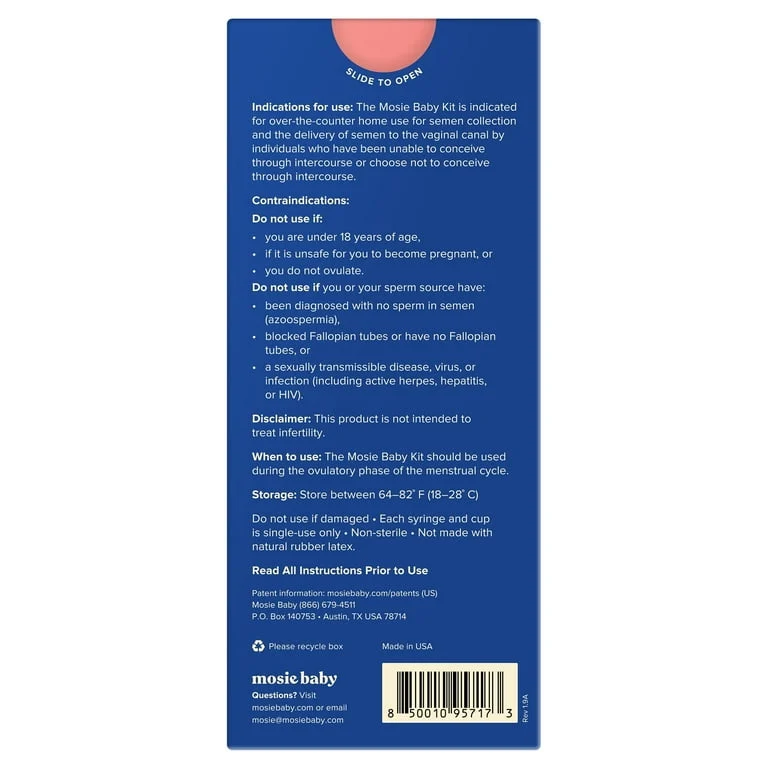
Non-invasive insemination, also known as artificial insemination, is a procedure that involves placing sperm directly into a woman’s uterus or cervix to increase the chances of conception. This procedure is often recommended for couples facing male factor infertility as it bypasses any issues with sperm quality or quantity and increases the chances of fertilization.
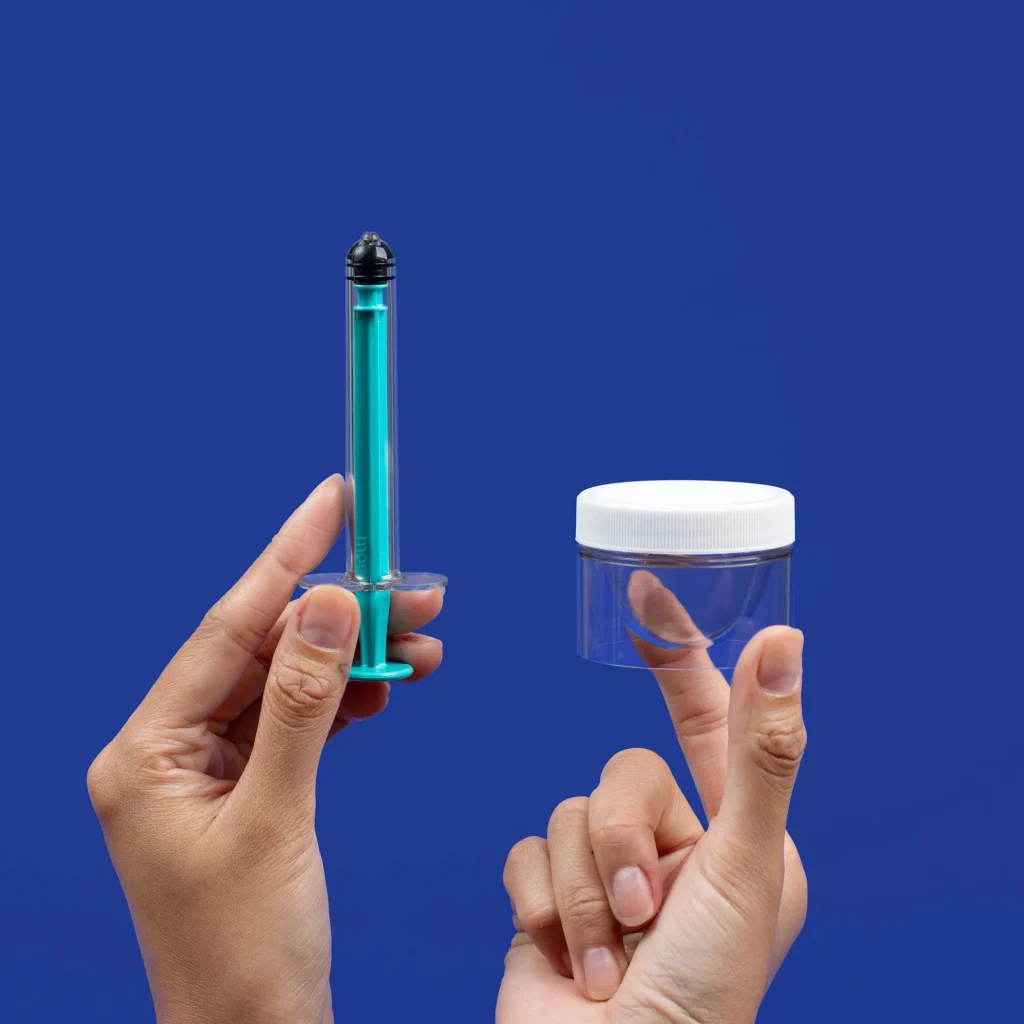
The process of non-invasive insemination typically involves the collection of sperm from the male partner. This can be done through masturbation or through a special condom that collects semen during intercourse. The sperm is then washed and concentrated to increase the chances of fertilization. The washed sperm is then placed into the female partner’s uterus or cervix using a thin, flexible catheter. This process is painless and can be done in a doctor’s office without the need for anesthesia.
The success rate of non-invasive insemination varies depending on the cause of male factor infertility and the age of the female partner. On average, the success rate ranges from 5-25% per cycle. However, with multiple cycles, the success rate can increase up to 60%. It is important to note that non-invasive insemination may not be suitable for all couples facing male factor infertility and it is best to consult with a fertility specialist to determine the most appropriate treatment plan.

and Facing Male Factor Infertility? Non-Invasive Insemination Can Help
Advantages of Non-Invasive Insemination
One of the main advantages of non-invasive insemination is that it is a relatively simple and non-invasive procedure. It does not require any major surgery or anesthesia, making it a less intimidating option for couples. Additionally, it is a cost-effective treatment compared to other advanced fertility treatments such as in-vitro fertilization (IVF).
Non-invasive insemination also allows for the use of donor sperm, which can be helpful for couples facing male factor infertility due to severe sperm quality issues. This option can give couples the chance to conceive and experience the joys of parenthood.
Furthermore, non-invasive insemination can also help couples who have unexplained infertility. In some cases, there may be no apparent cause for a couple’s inability to conceive. In these situations, non-invasive insemination can increase the chances of fertilization and help couples achieve their dream of parenthood.
Facing Male Factor Infertility: Coping and Support
Dealing with infertility can be a challenging and emotional experience for couples. It is important to seek support and coping mechanisms to help navigate through this difficult time. Couples can seek support from family and friends, attend support groups, or seek counseling from a therapist. It is also essential for couples to communicate openly and support each other throughout the process.
In addition, it is crucial to take care of one’s physical and emotional well-being during this time. This can include maintaining a healthy diet, exercising regularly, and finding healthy ways to cope with stress and anxiety.
Summary:
– Male factor infertility accounts for 40% of all infertility cases.
– Non-invasive insemination is a procedure that can help couples facing male factor infertility.
– This procedure involves placing washed sperm into the female partner’s uterus or cervix.
– The success rate ranges from 5-25% per cycle, with higher success rates after multiple cycles.
– Non-invasive insemination is a simple, cost-effective, and non-invasive option for couples.
– It can also be helpful for couples with unexplained infertility or those using donor sperm.
– Seeking support and taking care of physical and emotional well-being is essential for couples facing male factor infertility.