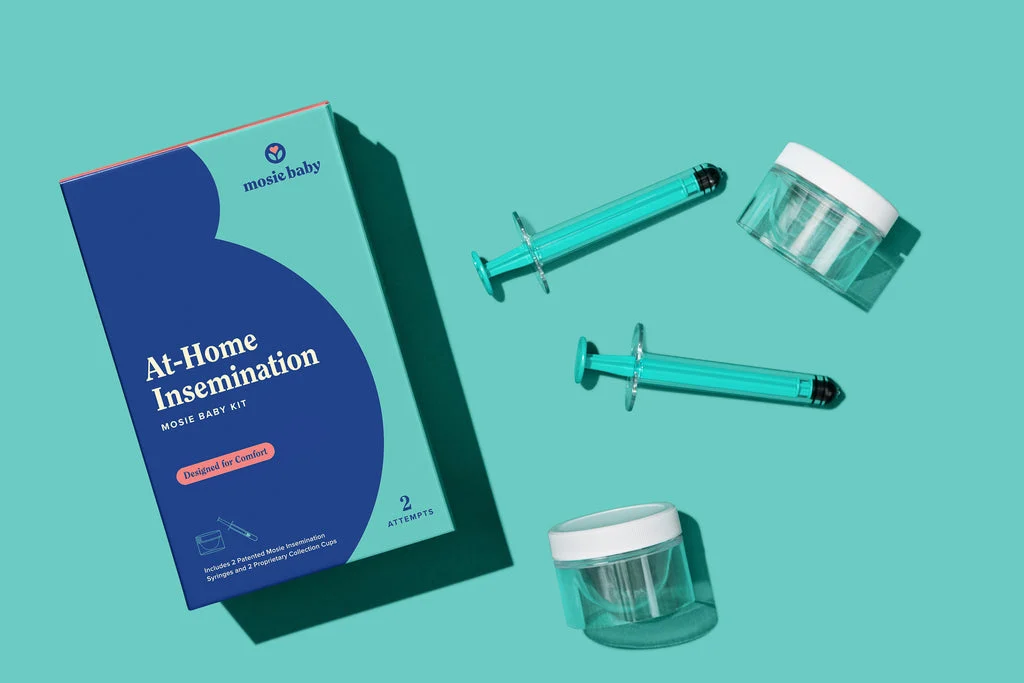
At-Home Conception 101: Understanding the Process
Conceiving a child is a natural and exciting part of life for many couples. However, for some, the process may not come as easily as expected. In such cases, couples may turn to assisted reproductive technologies or fertility treatments. But before jumping into these options, it is essential to understand the basics of at-home conception.
In this blog post, we will dive into the process of at-home conception, including the steps involved, factors that can affect fertility, and tips for increasing the chances of conception.
Step 1: Understanding the Menstrual Cycle
The menstrual cycle is a crucial factor in at-home conception. It is the monthly process that prepares a woman’s body for pregnancy. The cycle begins on the first day of a woman’s period and lasts until the first day of her next period. On average, a woman’s menstrual cycle is 28 days, but it can vary between 21 to 35 days.
During the menstrual cycle, the body goes through several changes, including the release of an egg from the ovaries, thickening of the uterine lining, and a rise in hormones. These changes are essential for successful conception.
Step 2: Tracking Ovulation
Ovulation is the process of an egg being released from the ovaries, making it available for fertilization. It usually occurs in the middle of the menstrual cycle, around day 14 for women with a 28-day cycle. However, it can vary from woman to woman.
Tracking ovulation is crucial for at-home conception, as it helps determine the most fertile days for a woman. Some methods for tracking ovulation include using ovulation predictor kits, tracking basal body temperature, or monitoring changes in cervical mucus.
Step 3: Timing Intercourse

At-Home Conception 101: Understanding the Process
The key to at-home conception is timing intercourse around the ovulation period. The most fertile days for a woman are the two days leading up to ovulation and the day of ovulation itself. Sperm can survive in a woman’s body for up to five days, so having intercourse before ovulation increases the chances of conception.
Step 4: Understanding Fertility Factors
Several factors can affect fertility and make it challenging to conceive at home. These include age, health conditions, lifestyle habits, and environmental factors.
Age plays a significant role in fertility, as a woman’s egg quantity and quality decline with age. Health conditions such as polycystic ovary syndrome (PCOS), endometriosis, and thyroid disorders can also affect fertility. Lifestyle habits like smoking, excessive alcohol consumption, and being overweight can also reduce the chances of conception.
Environmental factors such as exposure to toxins and radiation can also harm fertility. It is crucial to discuss any concerns about these factors with a healthcare provider to take the necessary precautions.
Step 5: Tips for Increasing the Chances of Conception
While there is no foolproof method for at-home conception, some steps can help increase the chances of conceiving. These include maintaining a healthy weight, quitting smoking, reducing alcohol consumption, and managing stress levels.
Eating a balanced diet, including foods rich in folic acid, iron, and antioxidants, can also improve fertility. Additionally, taking prenatal vitamins can help prepare the body for pregnancy.
Summary:
At-home conception is a natural and exciting process for many couples looking to start a family. Understanding the menstrual cycle, tracking ovulation, timing intercourse, and considering fertility factors are crucial steps in the process. It is also essential to maintain a healthy lifestyle and discuss any concerns with a healthcare provider. By following these steps, couples can increase their chances of successful at-home conception.