Blog Post: At-Home Conception and Natural Birth Control: Navigating the Options
Conception and birth control are two important aspects of reproductive health that can greatly impact an individual’s life. While traditional methods such as hormonal birth control and in-vitro fertilization (IVF) have been widely used, there has been a growing interest in at-home conception and natural birth control options. These alternatives offer a more holistic approach to reproductive health and empower individuals to take control of their bodies and fertility. In this blog post, we will explore the various options for at-home conception and natural birth control, their effectiveness, and how to navigate through them.
At-Home Conception Options:
1. Fertility Tracking: One of the most popular at-home conception methods is fertility tracking. This involves tracking the menstrual cycle to determine the most fertile days for conception. There are various methods for tracking fertility, including basal body temperature (BBT) charting, cervical mucus monitoring, and ovulation predictor kits. Tracking fertility can be an effective way to increase the chances of conception for couples trying to get pregnant.
2. Fertility Supplements: Another option for at-home conception is taking fertility supplements. These supplements often contain vitamins, minerals, and herbs that are believed to improve fertility. Some popular supplements include maca root, evening primrose oil, and CoQ10. While these supplements are generally considered safe, it is important to consult with a healthcare provider before taking them.
3. Acupuncture: Acupuncture, an ancient Chinese practice, has gained popularity as a natural way to increase fertility. This technique involves inserting thin needles into specific points on the body to stimulate energy flow. Some studies have shown that acupuncture can improve fertility by regulating hormones and reducing stress levels.
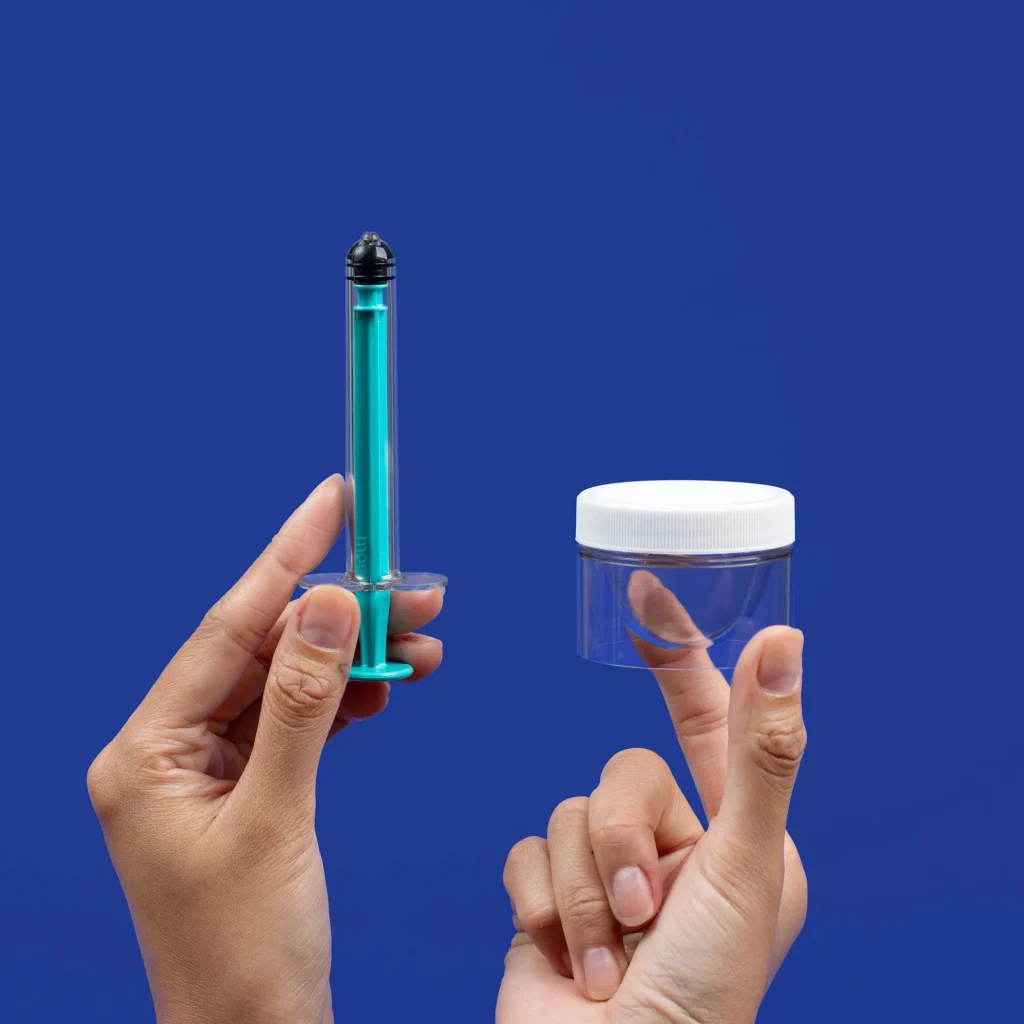
4. DIY Insemination: For same-sex couples or individuals who want to conceive on their own, DIY insemination is a viable option. This involves using a syringe or a cervical cap to insert semen into the vagina during the most fertile days. While this method may not be as effective as traditional insemination methods, it can still be a successful way to conceive.
Natural Birth Control Options:
1. Fertility Awareness Method (FAM): FAM, also known as the natural family planning method, is a natural birth control option that involves tracking fertility to avoid pregnancy. Similar to fertility tracking for conception, FAM involves charting BBT, monitoring cervical mucus, and using ovulation predictor kits. By avoiding intercourse on the most fertile days, couples can prevent pregnancy without the use of hormonal birth control.

At-Home Conception and Natural Birth Control: Navigating the Options
2. Withdrawal Method: The withdrawal method, also known as the “pull-out” method, is a form of natural birth control where the male partner withdraws his penis before ejaculation. While this method is widely used, it is not considered very effective as it relies on the male partner’s self-control and can still result in pregnancy.
3. Barrier Methods: Barrier methods such as condoms, diaphragms, and cervical caps are also considered natural birth control options. These methods work by creating a barrier to prevent sperm from reaching the egg. While they can be effective, they require proper use and may not protect against sexually transmitted infections.
4. Lactational Amenorrhea Method (LAM): For new mothers who are exclusively breastfeeding, LAM can be an effective natural birth control method. Breastfeeding can delay ovulation and prevent pregnancy for up to six months after giving birth. However, this method is only effective if the mother is breastfeeding exclusively and her periods have not returned.
Navigating the Options:
With so many at-home conception and natural birth control options available, it can be overwhelming to choose the right one. It is important to do thorough research and consult with a healthcare provider before making a decision. Factors such as effectiveness, personal health history, and preferences should be taken into consideration.
It is also important to note that at-home conception and natural birth control methods may not work for everyone. Factors such as age, underlying health conditions, and lifestyle habits can affect the success of these methods. It is always best to have an open and honest conversation with a healthcare provider to determine the best option for individual needs.
In conclusion, at-home conception and natural birth control options offer a more holistic approach to reproductive health. While they may not be suitable for everyone, they provide individuals with the opportunity to have more control over their fertility and make informed decisions about their reproductive health.
Summary:
At-home conception and natural birth control options are gaining popularity as individuals seek more holistic approaches to reproductive health. These options include fertility tracking, supplements, acupuncture, and DIY insemination for conception, and FAM, withdrawal method, barrier methods, and LAM for birth control. It is important to research and consult with a healthcare provider to choose the best option for individual needs.