Blog Post:
Breaking the Taboo: Talking About Non-Invasive Insemination and Fertility
The topic of fertility and reproduction can often be a sensitive and taboo subject. Many people struggle with fertility issues and the journey to parenthood can be a difficult and emotional one. However, there is one method of assisted reproduction that is often overlooked and not discussed enough – non-invasive insemination.
Non-invasive insemination, also known as artificial insemination, is a type of assisted reproduction that involves placing sperm directly into a woman’s reproductive tract, bypassing the cervix. This method is often used by couples who have difficulty conceiving due to male factor infertility, same-sex couples, and single individuals who want to become parents.
Despite its effectiveness and accessibility, non-invasive insemination is still surrounded by misconceptions and stigma. In this blog post, we will break the taboo and talk about non-invasive insemination and fertility, shedding light on this important topic.
The Basics of Non-Invasive Insemination
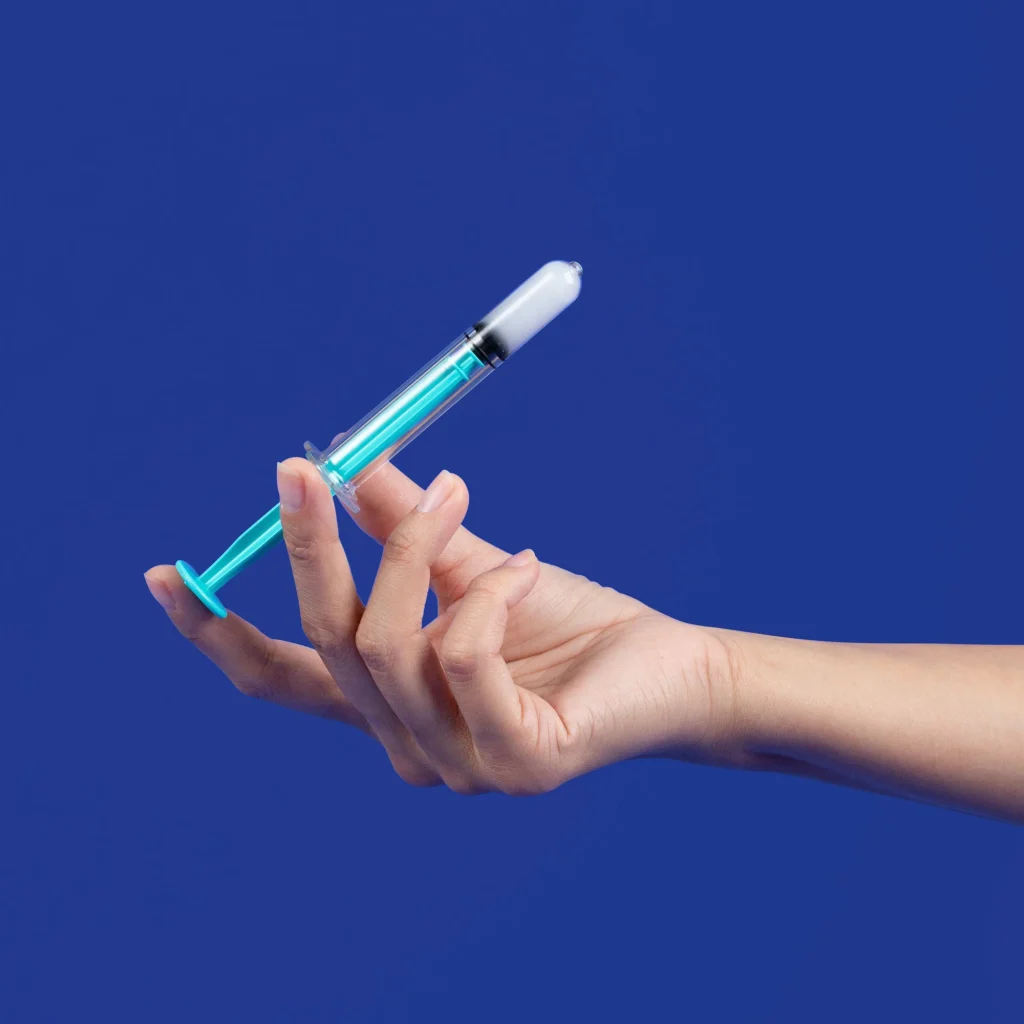
Non-invasive insemination can be performed using two different methods – intrauterine insemination (IUI) and intracervical insemination (ICI). IUI involves placing washed and concentrated sperm directly into the uterus through a thin catheter. On the other hand, ICI involves placing unwashed sperm into the cervix using a syringe or soft cup.
Both methods are minimally invasive and are usually painless. They can be performed in a doctor’s office or at home with the help of a donor or partner. Non-invasive insemination is a much simpler and less invasive process compared to other assisted reproduction techniques such as in vitro fertilization (IVF).
Who Can Benefit from Non-Invasive Insemination?
Non-invasive insemination can be a viable option for various groups of people, including heterosexual couples with male factor infertility, same-sex couples, and single individuals. It is also often recommended for women with certain medical conditions, such as hostile cervical mucus or endometriosis, which can make it difficult for sperm to reach the egg.
For heterosexual couples with male factor infertility, non-invasive insemination can be a more affordable and less invasive option compared to other assisted reproduction techniques. It also allows the couple to use the male partner’s sperm, maintaining a genetic connection to the child.
Same-sex couples and single individuals can also benefit from non-invasive insemination as it allows them to have a child without the need for a sexual partner. They can either use donor sperm from a sperm bank or choose a known donor, such as a friend or family member.
Breaking the Stigma and Misconceptions
Despite its benefits, non-invasive insemination is often surrounded by stigma and misconceptions. Many people still view it as a “last resort” option for couples who cannot conceive naturally. This can lead to feelings of shame and inadequacy for those who choose to use this method.

Breaking the Taboo: Talking About Non-Invasive Insemination and Fertility
Additionally, there is often a lack of understanding about the process and its success rates. Some people believe that non-invasive insemination is not an effective method and that it only has a low chance of success. However, the success rates of non-invasive insemination can be as high as 20% per cycle, depending on factors such as age and the reason for infertility.
Another misconception is that non-invasive insemination is only for same-sex couples or single individuals. This is not true as many heterosexual couples also use this method due to male factor infertility or other medical reasons.
Breaking the taboo and talking openly about non-invasive insemination can help to dispel these myths and misconceptions. It is important to educate ourselves and others about the process and its benefits, so that people can make informed decisions about their reproductive choices.
The Emotional and Psychological Impact
The journey to parenthood can be a rollercoaster of emotions for anyone, regardless of the method of conception. For those who choose non-invasive insemination, there may be additional emotional and psychological factors to consider.
For heterosexual couples, the male partner may experience feelings of inadequacy or frustration due to their infertility. This can also put a strain on the relationship, which is why it is important for both partners to have open and honest communication about their emotions and feelings.
For same-sex couples and single individuals, there may be feelings of loss and longing for a genetic connection to the child. This is where the use of a known donor can be beneficial, as it allows the child to have a connection to their biological family.
Support and Counseling
It is important for individuals and couples considering non-invasive insemination to seek support and counseling throughout the process. This can help to address any emotional and psychological issues that may arise and provide a safe space to talk about fears and concerns.
There are also support groups and online communities specifically for those who have used or are considering non-invasive insemination. These can be valuable resources for individuals and couples to connect with others who have gone through a similar experience.
In conclusion, non-invasive insemination is a viable and accessible option for individuals and couples who are struggling with fertility issues. By breaking the taboo and openly discussing this topic, we can help to reduce the stigma and misconceptions surrounding non-invasive insemination. It is important to educate ourselves and others about this method of assisted reproduction and provide support for those who choose to use it.
Summary:
Non-invasive insemination, also known as artificial insemination, is a type of assisted reproduction that is often overlooked and surrounded by stigma and misconceptions. This method involves placing sperm directly into a woman’s reproductive tract and can be performed at a doctor’s office or at home. Non-invasive insemination can benefit heterosexual couples with male factor infertility, same-sex couples, and single individuals. However, there is still a lack of understanding and support for those who choose this method. By breaking the taboo and openly discussing non-invasive insemination, we can help to reduce the stigma and provide support for those who choose to use it.
SEO metadata: