Blog Post: The Future of Insemination: How the Syringe Method is Changing the Game
Insemination, or the process of introducing sperm into the female reproductive tract, has been used for centuries to help couples struggling with infertility or same-sex couples wanting to start a family. However, the traditional methods of insemination, such as intrauterine insemination (IUI) and in vitro fertilization (IVF), can be costly and invasive. This has led to the emergence of a new and innovative method of insemination – the syringe method. In this blog post, we will explore how the syringe method is changing the game in the world of insemination and what the future holds for this revolutionary technique.
What is the Syringe Method?
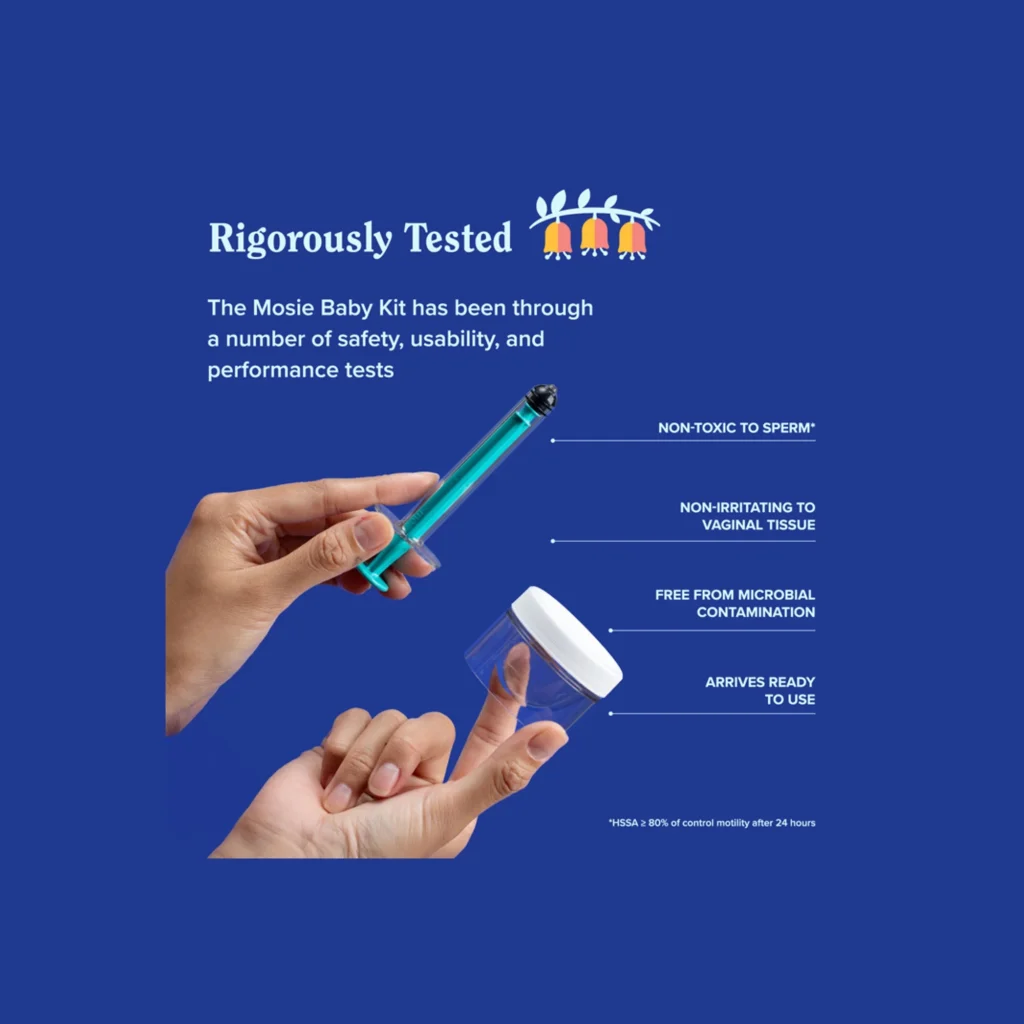
The syringe method, also known as intracervical insemination (ICI), is a simple and non-invasive method of insemination. It involves the use of a sterile syringe to deposit sperm directly into the cervix, bypassing the need for invasive procedures like IUI or IVF. This method can be done at home or in a clinical setting, making it a convenient and cost-effective option for many individuals and couples.
How is the Syringe Method Different from Traditional Methods?
One of the main differences between the syringe method and traditional methods of insemination is the cost. IUI and IVF can cost thousands of dollars, making it unaffordable for many people. On the other hand, the syringe method is relatively inexpensive and can be done at home, eliminating the need for expensive medical procedures.
Moreover, the syringe method is also less invasive compared to IUI and IVF. With IUI, a catheter is used to insert the sperm into the uterus, which can be uncomfortable and even painful for some. IVF, on the other hand, involves harvesting eggs and fertilizing them in a laboratory before transferring them into the uterus. This process can be physically and emotionally taxing for many individuals. The syringe method, on the other hand, only requires the insertion of a syringe into the cervix, making it a much less invasive option.
The syringe method also allows for more control and flexibility. With IUI and IVF, the timing of the insemination is crucial, and couples often have to schedule appointments around ovulation. This can be stressful and inconvenient. With the syringe method, couples can time the insemination themselves, giving them more control over the process.
Benefits of the Syringe Method
Apart from being cost-effective and less invasive, the syringe method has many other benefits that make it an attractive option for many individuals and couples. Some of these benefits include:

The Future of Insemination: How the Syringe Method is Changing the Game
1. Increased chances of success: Studies have shown that the syringe method has a similar success rate to IUI, with a pregnancy rate of around 20%. This makes it a viable option for those struggling with fertility issues.
2. Ease of use: The syringe method is simple and can be done at home with minimal training. This makes it accessible to a wider range of people, including same-sex couples and single individuals.
3. Privacy: For many couples, undergoing insemination procedures can be a private matter. With the syringe method, couples can perform the insemination in the comfort and privacy of their own home.
4. Lower risk of complications: Compared to traditional methods, the syringe method has a lower risk of complications. There is no risk of infection or damage to the reproductive organs, making it a safer option for many.
The Future of Insemination
With its many benefits, it is no surprise that the syringe method is gaining popularity and is seen as the future of insemination. As more and more people turn to this method, we can expect to see advancements in technology and techniques that will make the process even more efficient and successful.
One such advancement is the use of sperm sorting technology. This technology allows for the separation of sperm based on their gender, increasing the chances of conceiving a desired gender. This can be particularly beneficial for couples who have a preference for the gender of their child.
Another development in the syringe method is the use of frozen sperm. With traditional methods, fresh sperm is used for insemination, which can be a challenge for couples who do not have a partner or donor readily available. With the syringe method, frozen sperm can be used, providing a more convenient and accessible option for many.
Summary:
Insemination has come a long way since its inception, and the syringe method is revolutionizing the way it is done. With its cost-effectiveness, ease of use, and lower risk of complications, the syringe method is gaining popularity and is seen as the future of insemination. Advancements in technology and techniques will only make this method more successful and accessible, providing hope for many couples struggling with infertility or wanting to start a family.