Breaking Down Barriers: Accessibility and Inclusivity in At-Home Insemination
In recent years, there has been a growing trend towards at-home insemination as a method for individuals and couples to start or expand their families. However, this process can often be challenging and inaccessible for many people, particularly those in the LGBTQ+ community, people with disabilities, and those from marginalized communities. In this blog post, we will explore the barriers that exist for these individuals when it comes to at-home insemination and discuss ways to break them down through increased accessibility and inclusivity.
Understanding At-Home Insemination
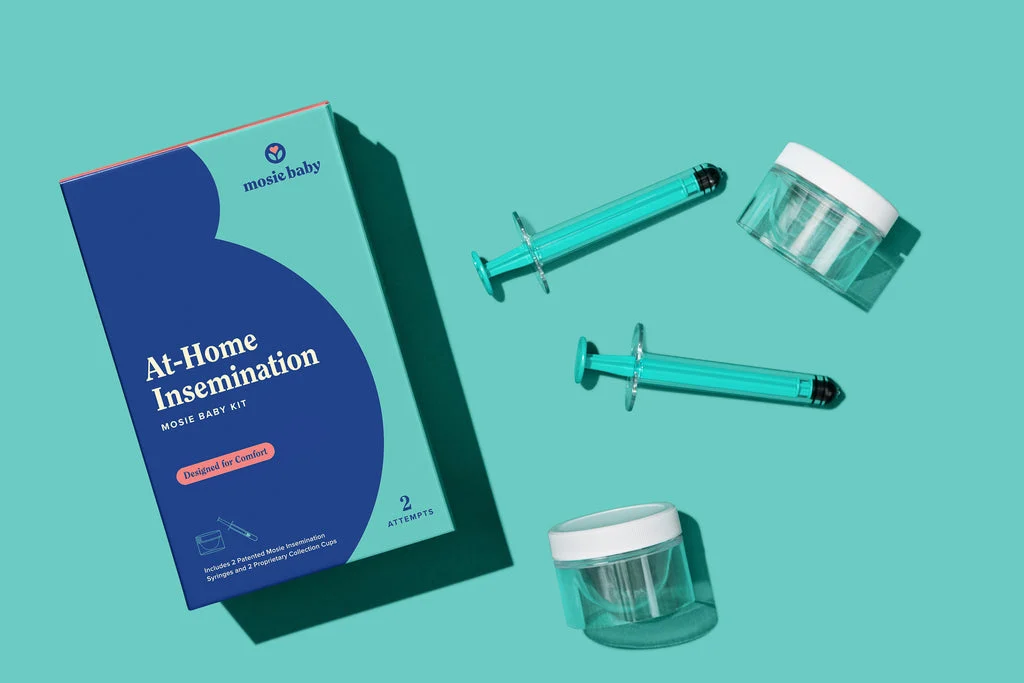
At-home insemination, also known as self-insemination, involves using a donor’s sperm to fertilize an egg at home, without the involvement of a medical professional. This method is often chosen by individuals and couples who are unable or choose not to conceive through traditional methods, such as sexual intercourse or in-clinic insemination. While at-home insemination can be an empowering and intimate process for many, it can also be daunting and inaccessible for others.
Barriers to At-Home Insemination
One of the main barriers to at-home insemination is the lack of access to reproductive healthcare for marginalized communities. For example, members of the LGBTQ+ community may face discrimination and barriers to accessing fertility treatments, including at-home insemination. This can be due to a lack of understanding and training among healthcare providers, as well as legal restrictions in some countries.
Another barrier is the high cost associated with at-home insemination. The process can involve purchasing sperm from a sperm bank, fertility drugs, and various supplies and equipment, all of which can quickly add up. This can make it difficult for low-income individuals and couples to afford at-home insemination, limiting their options for starting or expanding their families.
In addition to financial barriers, there are also physical and emotional barriers that can make at-home insemination difficult for some individuals. People with disabilities, for example, may face challenges in terms of mobility and dexterity, making it challenging to perform the necessary steps for at-home insemination. Similarly, people with mental health issues, such as anxiety or depression, may struggle with the emotional toll of the process.
Breaking Down Barriers: Accessibility and Inclusivity in At-Home Insemination
Breaking Down Barriers Through Accessibility
To make at-home insemination more accessible, it is essential to address these barriers and find ways to overcome them. One way to do this is by providing education and resources for marginalized communities, including the LGBTQ+ community, to understand their options and rights when it comes to fertility treatments. This can be achieved through partnerships with LGBTQ+ organizations and advocacy groups, as well as training for healthcare providers on how to provide inclusive and respectful care.
Another crucial aspect of accessibility is addressing the cost of at-home insemination. This can be achieved through lowering the cost of sperm donations and fertility drugs, as well as providing financial assistance programs for low-income individuals and couples. Additionally, increasing insurance coverage for at-home insemination can make it more accessible for those who may not be able to afford the process on their own.
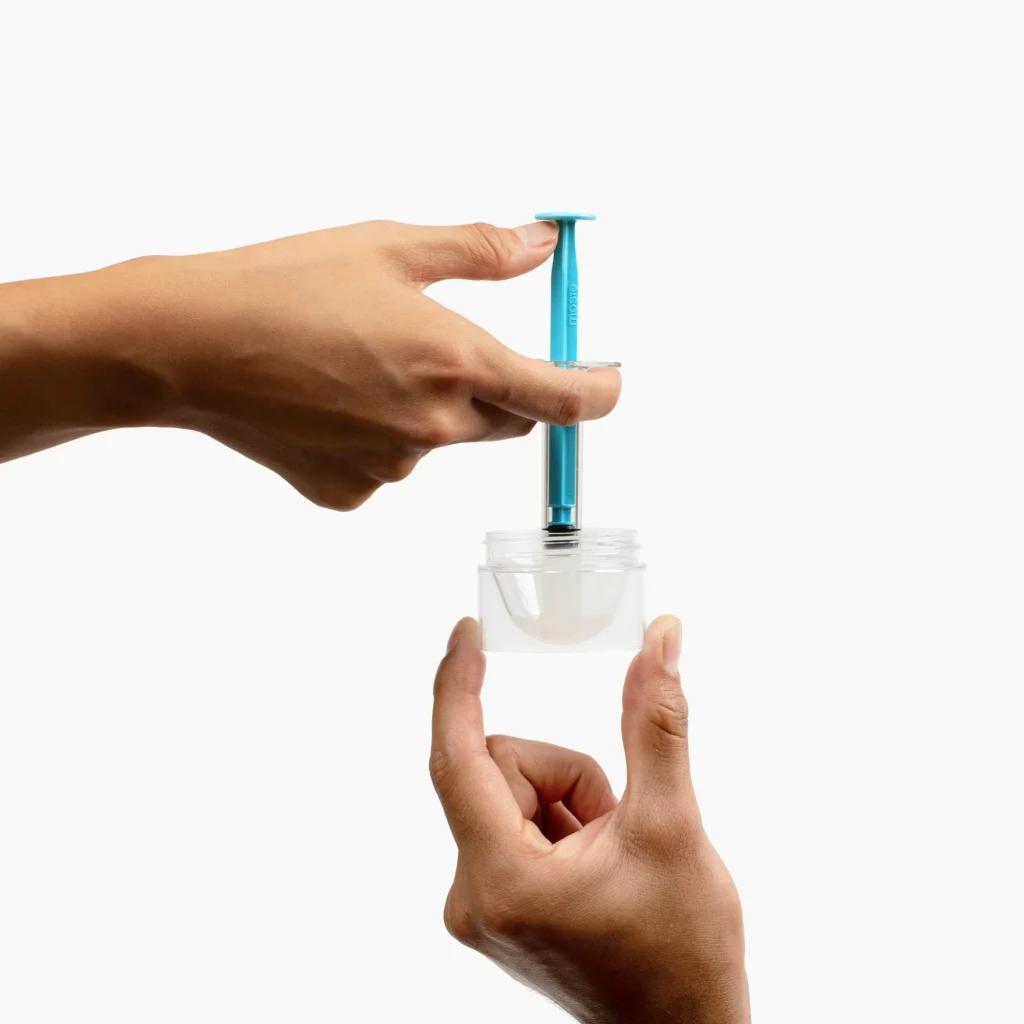
In terms of breaking down physical barriers, it is crucial to provide accessible and adaptive equipment for at-home insemination. For example, sperm banks can offer options for wheelchair users or individuals with limited hand mobility to safely and effectively perform at-home insemination. It is also essential to consider the emotional and mental toll of the process and provide support and resources for individuals and couples who may be struggling.
Promoting Inclusivity in At-Home Insemination
Inclusivity in at-home insemination means ensuring that all individuals and couples, regardless of their sexual orientation, gender identity, or ability, have equal access to the process. To promote inclusivity, it is essential to recognize and address the unique needs and challenges faced by different communities. This can include providing gender-neutral and inclusive language and imagery in educational materials and creating safe and welcoming spaces for individuals and couples to discuss their options.
Additionally, it is crucial to involve and include individuals from marginalized communities in the development and promotion of at-home insemination options. This can help to ensure that their needs and perspectives are considered and that the process is truly inclusive.
In conclusion, at-home insemination can be a powerful and meaningful way for individuals and couples to start or expand their families. However, it is essential to recognize and address the barriers that exist for many people, particularly those from marginalized communities. By promoting accessibility and inclusivity in at-home insemination, we can break down these barriers and make this process more accessible and empowering for all.