At-Home Insemination and the Role of the Male Partner: A Comprehensive Guide
In recent years, there has been a rise in the number of couples turning to at-home insemination as a means of achieving pregnancy. This method involves inseminating the female partner with the male partner’s sperm at home, rather than in a medical setting. While at-home insemination may seem like a simple and straightforward process, it is essential for both partners to understand the procedure and their individual roles in order to increase their chances of success.
What is At-Home Insemination?
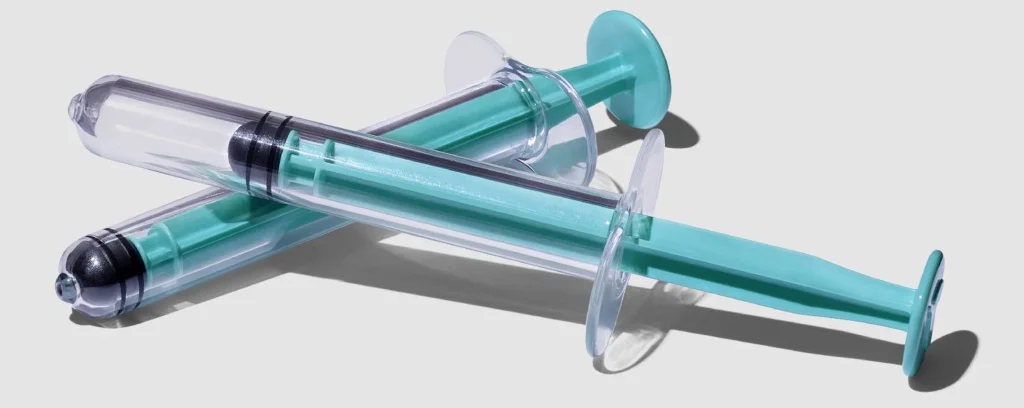
At-home insemination, also known as self-insemination, is a process where the male partner’s sperm is placed inside the female partner’s reproductive tract in order to achieve pregnancy. This can be done through various methods, such as using a syringe or a special device called a cervical cap, and can be performed in the comfort of the couple’s home.
The Role of the Male Partner in At-Home Insemination
Contrary to popular belief, the male partner plays a crucial role in the success of at-home insemination. While it may seem like the female partner takes on most of the responsibility, the male partner’s involvement is just as important.
1. Providing High-Quality Sperm
The first and most obvious role of the male partner is to provide high-quality sperm for the insemination process. This means maintaining a healthy lifestyle, avoiding substances that can harm sperm production (such as smoking and excessive alcohol consumption), and engaging in frequent sexual activity to ensure a fresh supply of sperm.
2. Understanding the Timing of Ovulation
Timing is crucial in at-home insemination, as the female partner must be ovulating for the procedure to be successful. The male partner should be aware of the female partner’s menstrual cycle and understand when she is most likely to ovulate. This can be determined through tracking her basal body temperature, using ovulation predictor kits, or monitoring changes in cervical mucus.

At-Home Insemination and the Role of the Male Partner
3. Preparing the Sperm for Insemination
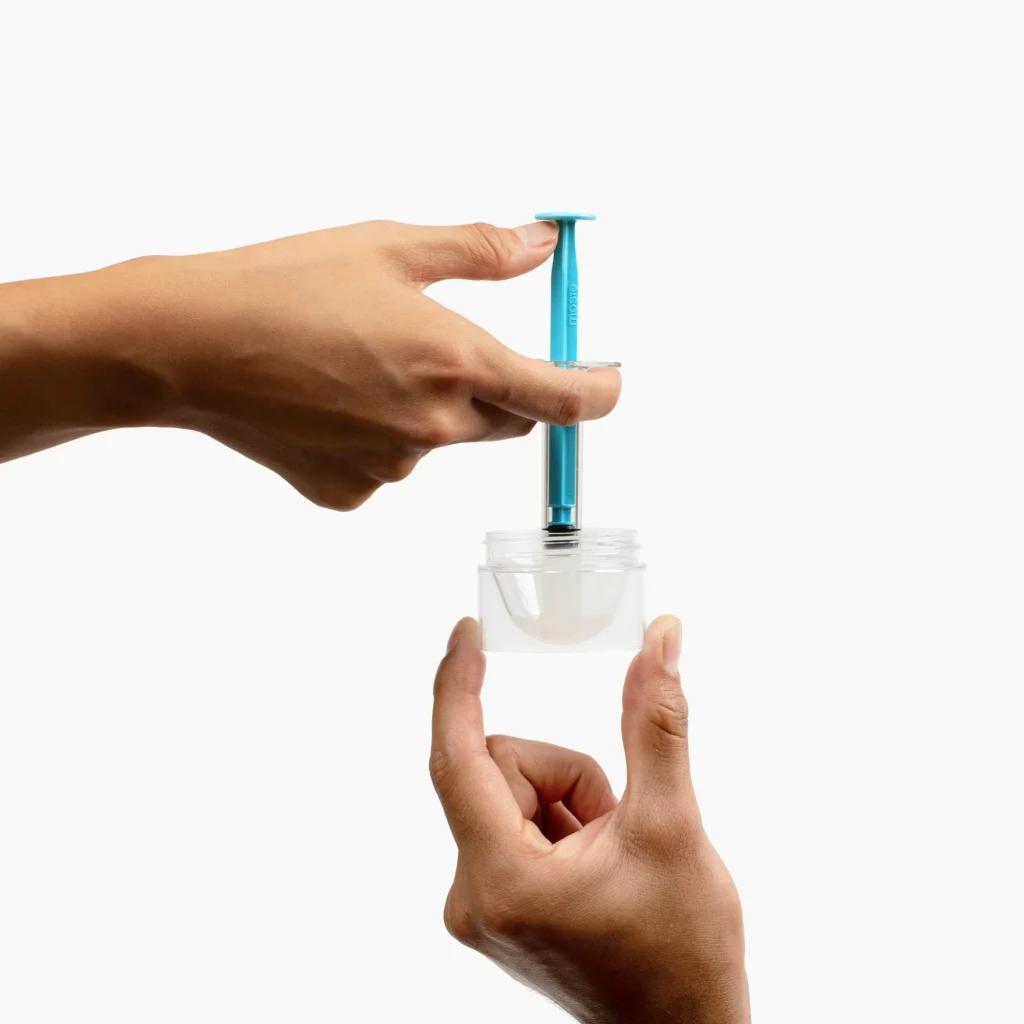
In order to increase the chances of success, the male partner should prepare the sperm for insemination. This involves abstaining from ejaculation for at least 2-3 days prior to the insemination, as this allows for a higher concentration of sperm in the semen. Additionally, the male partner can collect the sperm in a sterile container and allow it to liquefy for 20-30 minutes before the insemination.
4. Assisting with the Insemination Process
The male partner’s role in the actual insemination process may vary depending on the chosen method. In some cases, the male partner may be responsible for filling the syringe or cervical cap with the collected sperm, while in other cases, he may assist in placing the sperm into the female partner’s reproductive tract. It is important for both partners to communicate and work together during this step to ensure the process is done correctly.
5. Providing Emotional Support
At-home insemination can be a stressful and emotional process for both partners. The male partner should be understanding and supportive of the female partner throughout the process, as she may experience a range of emotions, including anxiety, frustration, and disappointment. Being there for emotional support can help alleviate some of the pressure and make the journey towards pregnancy more manageable.
Tips for a Successful At-Home Insemination
Here are some additional tips for a successful at-home insemination:
– Consider consulting with a fertility specialist before attempting at-home insemination to ensure it is the right option for you and your partner.
– Use high-quality sperm, either from a sperm bank or from a known donor who has undergone thorough testing.
– Follow the instructions of the chosen insemination method carefully to ensure the sperm is placed correctly.
– Stay relaxed and comfortable during the insemination process, as tension and stress can make it more difficult for the sperm to reach the egg.
– Be patient and don’t get discouraged if the first attempt is not successful. It may take multiple tries before achieving pregnancy.
In conclusion, at-home insemination can be an effective and affordable option for couples trying to conceive. The male partner’s role in the process is just as important as the female partner’s, and by understanding and fulfilling their responsibilities, both partners can increase their chances of success. With proper preparation and communication, at-home insemination can be a positive and empowering experience for couples looking to start a family.