Category: MosieBaby

Mosie baby at home insemination syringe kit

  • Maintaining a Healthy Relationship While Trying DIY Fertility Solutions

    Blog Post:

    Maintaining a Healthy Relationship While Trying DIY Fertility Solutions

    Trying to conceive can be an emotional and stressful journey for couples. And with the rising costs of fertility treatments, many couples are turning to DIY fertility solutions as a more affordable option. However, while these solutions may seem like a viable alternative, they can also put a strain on a relationship. In this blog post, we will discuss how to maintain a healthy relationship while trying DIY fertility solutions.

    1. Communicate openly and honestly

    The key to any successful relationship is communication. This is even more crucial when trying to conceive. It is important for both partners to openly and honestly communicate their feelings, fears, and expectations. This will help to establish a strong foundation and understanding between the couple, which will be essential during the DIY fertility journey.

    2. Set realistic expectations

    It is important for couples to have realistic expectations when trying DIY fertility solutions. With the rise of social media, many couples see success stories and may have high hopes for their own journey. However, it is important to remember that every couple’s journey is unique and what works for one may not work for another. It is important to have an open mind and be prepared for any challenges that may arise.

    3. Make time for each other

    Trying DIY fertility solutions can be time-consuming and stressful. It is important for couples to make time for each other outside of their fertility journey. This can include date nights, going for walks, or just spending quality time together. This will help to keep the relationship strong and reduce any added stress from the DIY fertility journey.

    4. Share responsibilities

    Baby with blue eyes wearing a light blue onesie that says "made with Love" on a soft white background.

    Maintaining a Healthy Relationship While Trying DIY Fertility Solutions

    During the DIY fertility journey, there may be many tasks that need to be done, such as tracking ovulation, taking medication, or attending appointments. It is important for both partners to share these responsibilities. This will not only ease the burden on one partner but also make the other feel included and supported.

    5. Seek professional help

    While DIY fertility solutions may seem like a more affordable option, it is important to seek professional help when needed. Trying to conceive can be a complex process, and it is important to have the guidance of a medical professional. Seeking professional help can also help to alleviate any added stress on the relationship.

    6. Take care of yourself

    It is easy to get caught up in the DIY fertility journey and neglect self-care. However, it is important for both partners to prioritize their own well-being. This can include eating a healthy diet, exercising regularly, and finding ways to relax and reduce stress. Taking care of yourself will not only benefit your physical and mental health but also your relationship.

    7. Be patient and supportive

    Trying DIY fertility solutions can be a rollercoaster of emotions, and it is important for both partners to be patient and supportive of each other. There may be setbacks, failures, and disappointments, but it is important to remember that you are in this together. Being patient and supportive will help to strengthen your relationship and make the journey more bearable.

    8. Consider counseling

    If the DIY fertility journey is putting a strain on your relationship, it may be beneficial to seek counseling. A professional counselor can help to improve communication, provide coping strategies, and strengthen the relationship. Counseling can also help to address any underlying issues that may be affecting the relationship.

    In summary, maintaining a healthy relationship while trying DIY fertility solutions requires open communication, realistic expectations, making time for each other, sharing responsibilities, seeking professional help when needed, prioritizing self-care, being patient and supportive, and considering counseling if necessary. It is important for couples to remember that their relationship is the foundation of their journey, and taking care of it is essential for success.


  • DIY Fertility Solutions: Exploring Alternative Therapies

    Blog Post: DIY Fertility Solutions: Exploring Alternative Therapies

    Infertility affects millions of couples worldwide and can be a frustrating and emotional journey. While modern medicine has made great advancements in fertility treatments, they can be expensive and come with potential side effects. This has led many couples to seek out alternative therapies for fertility. These DIY fertility solutions offer natural and holistic approaches to improving fertility and increasing the chances of conception. In this blog post, we will explore some of the most popular alternative therapies for fertility and discuss their potential benefits and risks.

    Acupuncture

    Acupuncture is an ancient Chinese practice that involves inserting thin needles into specific points in the body. It is believed to help balance the flow of energy, or qi, in the body. In terms of fertility, acupuncture has been shown to improve blood flow to the reproductive organs, regulate hormones, and reduce stress.

    Several studies have shown that acupuncture can increase the success rates of in vitro fertilization (IVF). In one study, women who received acupuncture before and after embryo transfer had a 42% pregnancy rate, compared to 26% in the control group. Acupuncture has also been found to be effective in treating conditions such as polycystic ovary syndrome (PCOS) and endometriosis, which can contribute to infertility.

    However, it is important to note that while acupuncture is generally safe, there is a risk of infection if the needles are not properly sterilized. It is crucial to seek out a licensed and experienced acupuncturist for fertility treatment.

    Herbal Remedies

    Herbal remedies have been used for centuries to treat various health conditions, including infertility. Some herbs, such as red clover and raspberry leaf, are believed to improve fertility by balancing hormones and increasing blood flow to the reproductive organs. Others, like chasteberry, are thought to regulate ovulation and improve the chances of conception.

    While there is limited scientific research on the effectiveness of herbal remedies for fertility, many women have reported positive results. However, it is essential to consult with a healthcare professional before trying any herbal remedies, as they can interact with medications and have potential side effects.

    Yoga

    Yoga is a mind-body practice that combines physical postures, breathing techniques, and meditation. It has been shown to reduce stress, improve blood flow, and balance hormones – all of which can impact fertility. Additionally, practicing yoga can help release tension in the pelvic area, which can increase blood flow to the reproductive organs.

    One study found that women who participated in a 12-week yoga program had higher conception rates and lower levels of stress and anxiety compared to the control group. Another study showed that women who practiced yoga had higher levels of the hormone progesterone, which is essential for maintaining a healthy pregnancy.

    While yoga is generally safe, it is crucial to consult with a certified instructor and inform them of any fertility issues before beginning any yoga practice.

    At-home insemination kit with syringes and collection cups on a teal background.

    DIY Fertility Solutions: Exploring Alternative Therapies

    Massage Therapy

    Massage therapy has been used for centuries to promote relaxation and improve overall health. In terms of fertility, massage can help reduce stress, increase blood flow, and balance hormones. One study showed that women who received massage therapy before embryo transfer had higher pregnancy rates compared to the control group.

    There are different types of massage therapy that may be beneficial for fertility, including Swedish massage, deep tissue massage, and fertility massage. Fertility massage specifically focuses on the reproductive organs and may help break down scar tissue, improve blood flow, and promote hormonal balance.

    It is essential to seek out a licensed massage therapist who has experience in treating fertility issues.

    Diet and Nutrition

    What we eat can have a significant impact on our overall health, including fertility. A diet rich in whole foods, healthy fats, and antioxidants can help support hormonal balance and improve egg quality. On the other hand, a diet high in processed foods, sugar, and unhealthy fats can lead to inflammation and hormonal imbalances that can affect fertility.

    Some specific foods and supplements that have been linked to improved fertility include omega-3 fatty acids, folic acid, and vitamin D. It is essential to consult with a healthcare professional before starting any new supplements and to make sure you are meeting your nutritional needs.

    Mind-Body Practices

    The mind and body are closely connected, and stress can have a significant impact on fertility. Mind-body practices, such as meditation, mindfulness, and hypnotherapy, can help reduce stress and promote relaxation. They can also help women cope with the emotional toll of infertility and increase feelings of control and empowerment.

    In one study, women who participated in a mind-body program had a higher pregnancy rate compared to the control group. Mind-body practices can also be beneficial for couples going through fertility treatments, as they can help reduce stress and improve the chances of success.

    Conclusion

    While there is no one-size-fits-all solution for fertility, these alternative therapies offer natural and holistic approaches to improving fertility and increasing the chances of conception. However, it is essential to consult with a healthcare professional before trying any new fertility treatments and to continue to work with your doctor to address any underlying medical issues.

    In summary, alternative therapies such as acupuncture, herbal remedies, yoga, massage therapy, diet and nutrition, and mind-body practices can all have potential benefits for fertility. However, it is crucial to seek out professional guidance and to understand the potential risks and limitations of these treatments.

  • Fertility-Boosting Foods and Recipes for DIY Solutions

    Blog Post:

    Fertility-Boosting Foods and Recipes for DIY Solutions

    Struggling with fertility can be a difficult and emotional journey for many individuals and couples. While there are medical treatments available, there are also natural ways to boost fertility through diet and nutrition. In this blog post, we will discuss some fertility-boosting foods and share delicious recipes for DIY solutions.

    1. Leafy Greens
    Leafy greens like spinach, kale, and Swiss chard are rich in folate, a B-vitamin that is essential for healthy ovulation and egg development. These greens are also high in iron, which helps to maintain a healthy menstrual cycle. Include leafy greens in your diet by making a refreshing spinach and strawberry salad or adding them to your morning smoothie.

    2. Avocado
    Avocados are a great source of healthy monounsaturated fats, which can help regulate hormone levels and increase fertility. They are also rich in vitamin E, an antioxidant that has been shown to improve sperm quality. Incorporate avocado into your diet by making avocado toast for breakfast or adding it to your salads and sandwiches.

    3. Salmon
    Salmon is loaded with omega-3 fatty acids, which can help regulate hormone levels and increase blood flow to the reproductive organs. These fatty acids are also important for healthy sperm production. Enjoy salmon by grilling or baking it and serving it with a side of quinoa and roasted vegetables.

    4. Berries
    Berries like blueberries, raspberries, and strawberries are rich in antioxidants and help fight against free radicals that can damage reproductive cells. They are also high in vitamin C, which can help improve sperm quality. Add berries to your diet by making a berry smoothie or topping your yogurt or oatmeal with them.

    5. Walnuts
    Walnuts are another great source of healthy fats and are also rich in antioxidants and omega-3 fatty acids. They have been shown to improve sperm quality and motility. Snack on a handful of walnuts or add them to your salads and baked goods.

    6. Lentils
    Lentils are a great source of plant-based protein, which is important for egg and sperm health. They are also rich in folate, iron, and other essential vitamins and minerals. Cook up a hearty lentil soup or add them to your salads and stir-fries.

    7. Eggs
    Eggs are a great source of protein and contain important nutrients like choline, which is essential for healthy fetal development. They are also high in vitamin D, which has been linked to improved fertility in women. Enjoy eggs for breakfast by making an omelette or frittata, or add them to your salads and sandwiches.

    8. Quinoa
    Quinoa is a nutrient-dense grain that is high in protein, iron, and other essential vitamins and minerals. It also has a low glycemic index, which can help regulate blood sugar levels and improve fertility. Use quinoa as a substitute for rice or pasta, or make a quinoa salad with vegetables and a lemon vinaigrette dressing.

    at-home insemination kit with syringes, collection cups, and instructions on a pink background

    Fertility-Boosting Foods and Recipes for DIY Solutions

    9. Citrus Fruits
    Citrus fruits like oranges, lemons, and grapefruits are high in vitamin C, which is important for healthy ovulation and sperm production. They are also rich in antioxidants and can help improve blood flow to the reproductive organs. Enjoy citrus fruits by making a refreshing fruit salad or squeezing fresh lemon juice over your meals.

    10. Pumpkin Seeds
    Pumpkin seeds are packed with zinc, an essential mineral for male and female fertility. They are also a great source of healthy fats and protein. Snack on pumpkin seeds or add them to your salads and smoothies for a nutrient boost.

    Recipes:

    1. Spinach and Strawberry Salad
    Ingredients:
    – 2 cups of spinach leaves
    – 1 cup of sliced strawberries
    – ¼ cup of crumbled feta cheese
    – ¼ cup of sliced almonds
    – 2 tablespoons of balsamic vinegar
    – 1 tablespoon of olive oil
    – 1 teaspoon of honey
    – Salt and pepper to taste

    Instructions:
    1. In a large bowl, combine the spinach, strawberries, feta cheese, and almonds.
    2. In a small bowl, whisk together the balsamic vinegar, olive oil, honey, and salt and pepper.
    3. Drizzle the dressing over the salad and toss to combine.
    4. Serve immediately.

    2. Avocado Toast
    Ingredients:
    – 2 slices of whole wheat bread
    – 1 ripe avocado
    – 1 small tomato, sliced
    – 2 tablespoons of crumbled goat cheese
    – Salt and pepper to taste

    Instructions:
    1. Toast the bread slices.
    2. In a small bowl, mash the avocado with a fork and season with salt and pepper.
    3. Spread the mashed avocado on the toast.
    4. Top with sliced tomatoes and crumbled goat cheese.
    5. Serve immediately.

    3. Quinoa and Salmon Bowl
    Ingredients:
    – ½ cup of cooked quinoa
    – 4 ounces of grilled or baked salmon
    – 1 cup of roasted vegetables (zucchini, bell peppers, and onions)
    – 2 tablespoons of lemon juice
    – 1 tablespoon of olive oil
    – Salt and pepper to taste

    Instructions:
    1. In a bowl, combine the cooked quinoa, grilled salmon, and roasted vegetables.
    2. In a small bowl, whisk together the lemon juice, olive oil, and salt and pepper.
    3. Drizzle the dressing over the bowl and toss to combine.
    4. Serve immediately.

    Summary:

    In this blog post, we discussed 10 fertility-boosting foods and shared delicious recipes for incorporating them into your diet. Leafy greens, avocado, salmon, berries, walnuts, lentils, eggs, quinoa, citrus fruits, and pumpkin seeds are all great options for improving fertility. These foods are rich in essential vitamins, minerals, and healthy fats that can help regulate hormone levels, improve blood flow, and increase sperm and egg health. By incorporating these foods into your diet, you can take a natural approach to boost your fertility and increase your chances of conceiving.

  • DIY Fertility Solutions: The Role of Acupuncture and Traditional Medicine

    Blog Post:

    According to the Centers for Disease Control and Prevention, 6.1 million women in the United States struggle with infertility. This number may come as a surprise to many, but for those experiencing it, the journey to parenthood can be a long and difficult one. While there are many medical interventions available, such as in vitro fertilization (IVF), they can be costly and come with potential risks and side effects. As a result, more and more people are turning to alternative and holistic approaches to fertility, including acupuncture and traditional medicine. In this blog post, we will explore the role of acupuncture and traditional medicine in DIY fertility solutions.

    Acupuncture, a form of traditional Chinese medicine, has been used for centuries to treat a variety of health conditions, including infertility. It involves the insertion of thin needles into specific points on the body to stimulate energy flow and promote healing. When it comes to fertility, acupuncture is believed to help regulate hormones, increase blood flow to the reproductive organs, and reduce stress and anxiety, all of which can impact a person’s ability to conceive.

    One study published in the Journal of Fertility and Sterility found that acupuncture may improve the success rates of IVF. The study showed that women who received acupuncture before and after embryo transfer had a significantly higher pregnancy rate than those who did not receive acupuncture. Another study published in the Journal of Obstetrics and Gynecology found that acupuncture may help improve ovarian function in women with polycystic ovary syndrome (PCOS), a common cause of infertility.

    In addition to acupuncture, traditional medicine has also been used for centuries to treat infertility. Traditional Chinese medicine (TCM) views infertility as an imbalance in the body, and therefore, seeks to restore balance through various techniques such as herbal remedies, dietary changes, and lifestyle modifications. TCM practitioners use a personalized approach to address each individual’s specific needs, taking into account factors such as age, menstrual cycle, and overall health.

    One study published in the Journal of Alternative and Complementary Medicine found that TCM may improve pregnancy rates in women undergoing IVF. The study showed that women who received TCM treatments alongside IVF had higher pregnancy rates compared to those who only received IVF. TCM may also help improve egg quality and increase the thickness of the uterine lining, both of which are important factors in successful conception.

    at-home insemination kit by Mosie Baby, featuring syringes and containers for comfort and convenience.

    DIY Fertility Solutions: The Role of Acupuncture and Traditional Medicine

    In addition to acupuncture and traditional medicine, there are other DIY fertility solutions that can be incorporated into one’s routine. These include stress management techniques such as yoga, meditation, and massage, as well as dietary changes and supplements. Stress can have a significant impact on fertility, as it can disrupt hormone balance and affect ovulation. Incorporating stress-reducing activities into one’s routine can help promote relaxation and improve overall well-being.

    Diet also plays a crucial role in fertility. A diet rich in whole foods, healthy fats, and antioxidants can help support reproductive health. On the other hand, a diet high in processed foods, sugar, and unhealthy fats can negatively impact fertility. Supplements such as folic acid, vitamin D, and omega-3 fatty acids may also be beneficial for fertility.

    It’s important to note that while these DIY fertility solutions may be helpful, they should not replace medical advice or treatment. It’s essential to consult with a healthcare professional before making any significant changes to your routine, especially if you are undergoing fertility treatments. Additionally, it may be beneficial to work with a licensed acupuncturist or TCM practitioner who specializes in fertility to ensure safe and effective treatment.

    In conclusion, DIY fertility solutions, such as acupuncture and traditional medicine, have shown promising results in helping couples conceive. These alternative approaches can help regulate hormones, improve reproductive function, and reduce stress, all of which can impact fertility. When combined with a healthy lifestyle and medical advice, these solutions can offer a holistic approach to fertility and support overall well-being.

    Summary:

    Infertility affects millions of people in the United States, leading many to seek alternative and holistic approaches to parenthood. Acupuncture and traditional medicine, such as TCM, have shown promising results in improving fertility. Studies have found that acupuncture may increase pregnancy rates in IVF and improve ovarian function in women with PCOS. TCM may also improve pregnancy rates in women undergoing IVF and support overall reproductive health. Other DIY fertility solutions, such as stress management techniques and dietary changes, can also be beneficial. However, it’s essential to consult with a healthcare professional before making any significant changes to one’s routine. When combined with medical advice, these DIY fertility solutions can offer a holistic approach to fertility and support overall well-being.

  • The Impact of Stress on Fertility and DIY Solutions to Manage It

    Summary:

    Stress has become a common factor in our fast-paced modern lives, and its impact on our health and well-being is well-documented. However, what many people are not aware of is the significant impact that stress can have on fertility. The constant pressure, anxiety, and worry can disrupt the delicate balance of hormones and bodily functions, making it difficult for couples to conceive.

    In this blog post, we will delve into the various ways in which stress affects fertility and explore some effective DIY solutions to manage stress and improve fertility.

    The Impact of Stress on Fertility:

    1. Disrupts Hormonal Balance: Stress triggers the release of the hormone cortisol, also known as the ‘stress hormone.’ High levels of cortisol can interfere with the production of other reproductive hormones like estrogen and progesterone, leading to irregular ovulation and menstrual cycles.

    2. Affects Sperm Quality: Stress can also affect male fertility by reducing sperm count and motility. Additionally, stress can also cause erectile dysfunction and decrease libido, making it difficult for couples to conceive.

    3. Increases Risk of Miscarriage: Chronic stress can increase the risk of miscarriage in women by causing uterine contractions and reducing blood flow to the uterus, making it difficult for the embryo to implant and develop properly.

    4. Disrupts IVF Success: In vitro fertilization (IVF) is a common fertility treatment for couples struggling to conceive. However, stress can impact the success of IVF by reducing the number and quality of retrieved eggs, making it difficult for couples to conceive.

    DIY Solutions to Manage Stress and Improve Fertility:

    at-home insemination kit by Mosie Baby, featuring syringes and containers for comfort and convenience.

    The Impact of Stress on Fertility and DIY Solutions to Manage It

    1. Practice Mindfulness: Mindfulness is a powerful stress management technique that involves being present in the moment and focusing on one’s thoughts and feelings without judgment. Regular mindfulness practice can help reduce stress levels and improve overall well-being.

    2. Exercise Regularly: Exercise has been proven to be an effective stress-reliever. It can also help regulate hormones and improve blood flow to reproductive organs, thereby enhancing fertility.

    3. Get Enough Sleep: Lack of sleep can increase stress levels and disrupt hormonal balance. Getting 7-8 hours of quality sleep each night can help reduce stress and improve fertility.

    4. Try Acupuncture: Acupuncture, an ancient Chinese healing practice, has been found to be beneficial in reducing stress and improving fertility. It involves inserting thin needles into specific points in the body to stimulate blood flow and promote relaxation.

    5. Eat a Healthy Diet: A well-balanced diet rich in fruits, vegetables, whole grains, and lean proteins can help reduce stress levels and improve fertility. It is also essential to limit or avoid caffeine, alcohol, and processed foods, which can increase stress and impact fertility.

    6. Seek Support: Dealing with fertility issues can be emotionally draining. It is crucial to seek support from loved ones, join support groups, or seek professional counseling to manage stress and emotions effectively.

    7. Consider Natural Remedies: Certain herbs and supplements like ashwagandha, maca root, and omega-3 fatty acids have been found to have stress-reducing properties and can help improve fertility. However, it is essential to consult with a healthcare provider before adding any supplements to your routine.

    Conclusion:

    Stress and fertility are closely linked, and managing stress levels is crucial for couples trying to conceive. By incorporating these DIY solutions into their routine, couples can reduce stress and improve their chances of conceiving. It is essential to remember that managing stress takes time and effort, but the results are worth it. So take care of yourself, stay positive, and don’t lose hope.

  • DIY Fertility Solutions: When to Seek Professional Help

    DIY Fertility Solutions: When to Seek Professional Help

    The journey to parenthood can be a rollercoaster of emotions, and for many couples, conceiving a child does not come easily. The desire to have a child is a strong one, and when faced with fertility challenges, many couples turn to do-it-yourself (DIY) fertility solutions in hopes of achieving their dream of becoming parents. While it is understandable to want to try every possible solution on your own, it is essential to know when it is time to seek professional help. In this blog post, we will discuss the various DIY fertility solutions available, their effectiveness, and when it is best to seek the guidance of a fertility specialist.

    DIY Fertility Solutions

    1. Tracking Ovulation

    One of the most common DIY fertility solutions is tracking ovulation. Many women use methods such as tracking their basal body temperature, cervical mucus, and ovulation predictor kits to determine their most fertile days. While these methods may be effective for some couples, they are not always accurate and can lead to frustration and disappointment when conception does not occur.

    2. Diet and Lifestyle Changes

    Another DIY fertility solution is making dietary and lifestyle changes. Some studies have shown that certain foods and supplements can improve fertility, such as foods rich in antioxidants and omega-3 fatty acids. Additionally, reducing stress levels, quitting smoking, and limiting alcohol consumption can also have a positive impact on fertility. While these changes can improve overall health and well-being, they may not necessarily resolve underlying fertility issues.

    3. Alternative Therapies

    Many couples turn to alternative therapies such as acupuncture, herbal supplements, and massage to boost fertility. While these methods may have some benefits, there is limited scientific evidence to support their effectiveness in improving fertility. It is essential to consult with a healthcare professional before trying any alternative therapies, as some may interfere with fertility treatments.

    When to Seek Professional Help

    While DIY fertility solutions may seem like a less intimidating and more affordable option than seeking professional help, there are instances where it is best to consult with a fertility specialist. Here are some signs that it may be time to seek professional help:

    Smiling baby in a blue onesie with "made with Love" text, lying on a light blue crocheted blanket.

    DIY Fertility Solutions: When to Seek Professional Help

    1. Age

    As women age, their fertility declines, and the chances of conceiving decrease significantly after the age of 35. If you have been trying to conceive for over a year and are over the age of 35, it is best to seek the guidance of a fertility specialist.

    2. Irregular Cycles

    If you have irregular menstrual cycles, it may be a sign of an underlying fertility issue. Irregular cycles can make it challenging to track ovulation and determine the best time to conceive.

    3. Previous Health Issues

    If you or your partner have a history of health issues that may affect fertility, such as endometriosis, polycystic ovarian syndrome (PCOS), or a previous sexually transmitted infection (STI), it is best to consult with a fertility specialist.

    4. Unsuccessful DIY Fertility Solutions

    If you have been trying DIY fertility solutions for an extended period with no success, it may be time to seek professional help. Fertility specialists have the expertise and resources to diagnose and treat underlying fertility issues that may be preventing conception.

    5. Emotional Toll

    The journey to parenthood can be emotionally draining, and trying DIY fertility solutions without success can add to the stress and anxiety. Seeking professional help can provide guidance and support throughout the process and alleviate some of the emotional burden.

    In summary, while DIY fertility solutions may seem like a promising option for couples struggling to conceive, there are instances where it is best to seek the guidance of a fertility specialist. Age, irregular cycles, previous health issues, unsuccessful DIY solutions, and the emotional toll are all signs that it may be time to seek professional help. Remember, it is essential to have patience and to be kind to yourself throughout the process. With the right support and guidance, you can increase your chances of achieving your dream of becoming a parent.

  • How to Involve Your Partner in DIY Fertility Solutions

    Blog Post:

    Infertility is a common struggle for many couples, affecting approximately 1 in 8 couples worldwide. While there are various medical treatments available, they can often be expensive and invasive. This is where DIY fertility solutions come in, offering a more natural and affordable approach to increasing fertility. But involving your partner in this journey is crucial for its success. In this blog post, we will discuss how to involve your partner in DIY fertility solutions, ensuring that you both work together towards achieving your dream of starting a family.

    1. Educate Your Partner

    The first step in involving your partner in DIY fertility solutions is to educate them about the process. Many couples struggle with infertility because they lack knowledge about their bodies and how to optimize their fertility. Take the time to sit down with your partner and explain the various factors that can affect fertility, such as diet, lifestyle, and stress. Share with them the research and studies that support the effectiveness of DIY fertility solutions, such as acupuncture, herbal remedies, and lifestyle changes.

    2. Plan Together

    One of the best ways to involve your partner in DIY fertility solutions is to plan together. This includes setting goals, creating a budget, and making a timeline. By involving your partner in the planning process, they will feel more invested in the journey and be more likely to stick to the plan. Sit down together and discuss what goals you want to achieve, whether it’s improving your diet, incorporating natural remedies, or trying different techniques like yoga or meditation. Set a budget for these changes and decide on a timeline for implementing them.

    3. Make it a Team Effort

    When it comes to DIY fertility solutions, teamwork is essential. Make sure to involve your partner in every step of the process, from grocery shopping for fertility-friendly foods to trying out different natural remedies together. By making it a team effort, you both can support and motivate each other to stick to the plan. This will also strengthen your bond as a couple and help you navigate through the emotional rollercoaster of trying to conceive.

    4. Communicate Openly

    at-home insemination kit by Mosie Baby, featuring syringes, collection cups, and instructions on a pink background.

    How to Involve Your Partner in DIY Fertility Solutions

    Communication is key in any relationship, especially when it comes to sensitive topics like fertility. Make sure to have open and honest conversations with your partner about your fertility journey. Share your feelings, fears, and hopes with each other. This will not only help you feel more connected as a couple but also help you understand each other’s perspective and support each other better. It’s essential to communicate openly and regularly to keep each other motivated and on track.

    5. Seek Professional Help Together

    While DIY fertility solutions can be effective, it’s crucial to seek professional help if you’re struggling to conceive. Involve your partner in this decision and make sure to go to appointments together. This will help your partner understand the medical aspect of your fertility journey and give them a chance to ask questions and get their doubts clarified. Moreover, it will also make them feel like they are a part of the process and that their support is crucial.

    6. Celebrate Small Victories

    Trying to conceive can be a long and challenging journey, filled with disappointments and setbacks. But it’s essential to celebrate the small victories along the way. Involve your partner in this by acknowledging and celebrating every milestone, whether it’s improving your diet, incorporating natural remedies, or achieving a positive pregnancy test. This will not only boost your motivation but also bring you closer as a couple.

    7. Be Patient and Supportive

    Lastly, it’s crucial to be patient and supportive of each other during this journey. Trying to conceive can be emotionally draining, and it’s essential to be there for each other every step of the way. Encourage your partner to take breaks and destress when needed, and be understanding when things don’t go as planned. Remember that you’re in this together, and with patience and support, you will be able to overcome any challenges that come your way.

    In summary, involving your partner in DIY fertility solutions is crucial for its success. By educating them, planning together, making it a team effort, communicating openly, seeking professional help together, celebrating small victories, and being patient and supportive, you can navigate through this journey together and increase your chances of conceiving naturally.

    SEO metadata:

  • DIY Fertility Solutions for LGBTQ+ Couples

    Blog Post Title: DIY Fertility Solutions for LGBTQ+ Couples: How to Start Your Family Journey

    Summary:

    For LGBTQ+ couples, starting a family can often come with unique challenges. One of the biggest hurdles is navigating the world of fertility options, which can be overwhelming and expensive. However, there are many DIY fertility solutions that can help LGBTQ+ couples achieve their dream of starting a family. In this blog post, we will discuss various DIY fertility options, including at-home insemination, sperm and egg donation, and fertility tracking apps. We will also provide tips and resources for LGBTQ+ couples to help them on their journey towards parenthood.

    At-Home Insemination:

    At-home insemination, also known as intrauterine insemination (IUI), is a popular DIY fertility solution for LGBTQ+ couples. This involves inserting sperm into the uterus using a syringe or a fertility kit, which can be purchased online or at a fertility clinic. This method is relatively inexpensive and can be done in the comfort of your own home. However, it is important to note that at-home insemination does not guarantee pregnancy and may require multiple attempts.

    Sperm and Egg Donation:

    For same-sex female couples, sperm donation is a necessary step in the fertility process. There are various options for finding a sperm donor, including using a known donor (a friend or family member) or using a sperm bank. Sperm banks offer a wide selection of donors with detailed profiles, making it easier for couples to find the perfect match. On the other hand, same-sex male couples will need to consider egg donation and surrogacy to start their family. Egg donation involves using a donor egg, which is fertilized with one partner’s sperm and then transferred into the other partner’s uterus. Surrogacy, on the other hand, involves using a gestational carrier to carry the pregnancy.

    Fertility Tracking Apps:

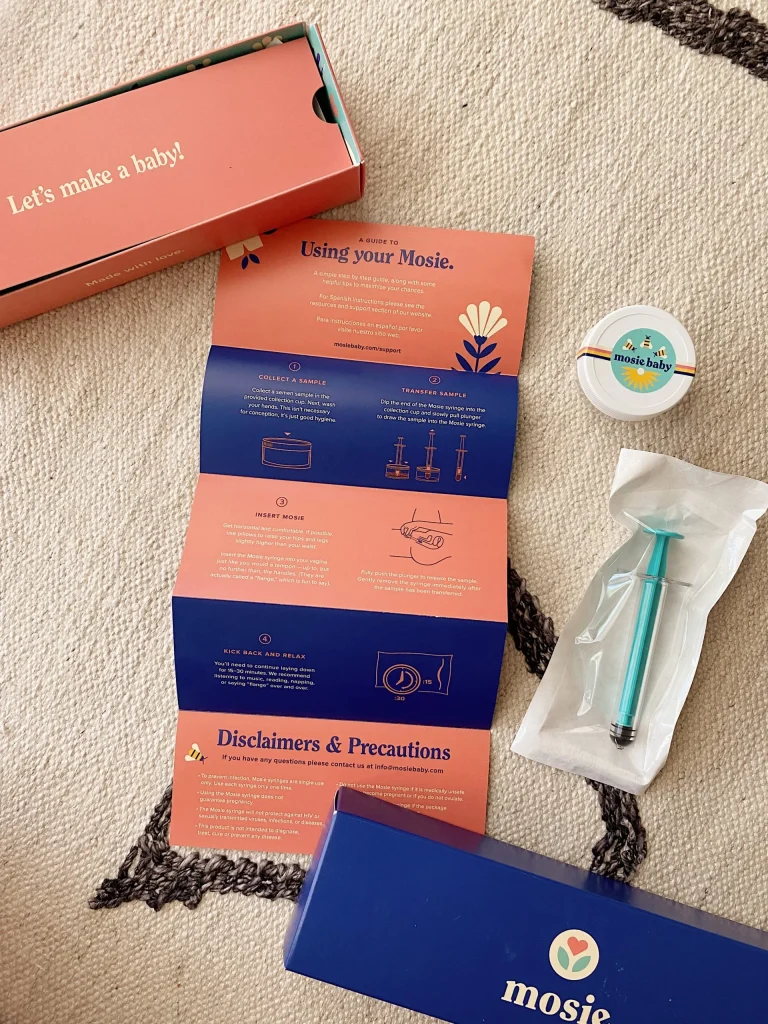
    guide and materials for using Mosie Baby fertility kit on a textured surface

    DIY Fertility Solutions for LGBTQ+ Couples

    Fertility tracking apps can be a helpful tool for LGBTQ+ couples trying to conceive. These apps allow users to track their menstrual cycle, ovulation, and fertility window. Some apps even offer features for tracking sperm donors and fertility treatments. By using these apps, couples can increase their chances of conception by timing their insemination or fertility treatments during their most fertile days.

    Tips for LGBTQ+ Couples:

    Starting a family as an LGBTQ+ couple can be a bit more complicated than for heterosexual couples. Here are some tips to help make the process smoother and more successful:

    1. Research and educate yourself: It is essential for LGBTQ+ couples to research and understand their options when it comes to fertility. There are many resources available online, including support groups and forums, where you can connect with other couples going through a similar journey.

    2. Find a supportive doctor: When seeking fertility treatments, it is crucial to find a doctor who is knowledgeable and supportive of LGBTQ+ couples. They will be able to guide you through the process and provide personalized care.

    3. Consider legal advice: LGBTQ+ couples may face unique legal challenges when it comes to starting a family. It is important to seek legal advice to ensure that your rights as parents are protected.

    4. Utilize support networks: The journey towards parenthood can be emotionally taxing, and it is helpful to have a support system in place. Reach out to LGBTQ+ support groups and organizations for guidance and support.

    In conclusion, starting a family as an LGBTQ+ couple may come with its challenges, but there are many DIY fertility solutions available that can help make the process more accessible. Whether it is at-home insemination, sperm and egg donation, or fertility tracking apps, there are options for every couple. With proper research, support, and guidance, LGBTQ+ couples can embark on their journey towards parenthood and create a loving and happy family.

  • Breaking Down the Stigma: Talking About DIY Fertility Solutions

    Blog Post Title: Breaking Down the Stigma: Talking About DIY Fertility Solutions

    Summary:

    In recent years, there has been a growing trend of individuals and couples turning to do-it-yourself (DIY) solutions for fertility issues. This includes using at-home methods such as tracking ovulation, taking supplements, and even attempting home insemination. However, there is still a significant stigma surrounding DIY fertility solutions, with many people feeling judged or ashamed for seeking alternative methods of conception.

    In this blog post, we will explore the reasons behind the stigma surrounding DIY fertility solutions and why it is important to break down these barriers. We will also discuss the benefits and risks of DIY fertility solutions and provide tips for safely and effectively using them.

    First, it is essential to understand the reasons behind the stigma surrounding DIY fertility solutions. One of the main factors is the societal pressure to follow traditional methods of conception, such as undergoing expensive medical treatments or adopting. Many people feel that seeking alternative methods is a sign of desperation or failure, leading to feelings of shame and guilt.

    Moreover, there is a lack of education and awareness surrounding DIY fertility solutions. Many individuals and couples do not know that these options exist or are unsure about their effectiveness and safety. This lack of understanding often leads to judgment and criticism from others, further perpetuating the stigma.

    However, it is crucial to break down the stigma surrounding DIY fertility solutions. One of the most significant benefits of these methods is that they offer a more affordable and accessible option for those struggling with fertility issues. Medical treatments can be costly and out of reach for many people, making DIY solutions a viable alternative.

    Informative card introducing the Mosie Baby Kit and its mission for at-home insemination.

    Breaking Down the Stigma: Talking About DIY Fertility Solutions

    Additionally, DIY fertility solutions allow individuals and couples to take control of their fertility journey and feel empowered in the process. It can be a daunting and emotional experience to rely solely on medical professionals and procedures, and DIY methods can help individuals feel more involved and in control of their bodies.

    Of course, there are risks associated with DIY fertility solutions, just like with any medical procedure. It is crucial to do thorough research and consult with a healthcare professional before attempting any DIY method. Some risks include incorrect use of tools or supplements, which can lead to injury or harm, and a lack of proper medical supervision, which may result in undetected underlying issues.

    To safely and effectively use DIY fertility solutions, it is essential to follow these tips:

    1. Do your research: Before attempting any DIY method, make sure to thoroughly research it and understand the risks and potential outcomes. Consult with a healthcare professional if possible.

    2. Use reliable sources: Be cautious of online sources and only trust information from reputable websites and organizations. Avoid relying on anecdotal evidence or personal experiences.

    3. Be mindful of your body: Pay attention to your body’s signals and stop any DIY method if you experience discomfort or pain.

    4. Seek support: Fertility struggles can be emotionally draining, so it is crucial to seek support from loved ones or join online communities of individuals going through similar experiences.

    In conclusion, it is time to break down the stigma surrounding DIY fertility solutions and open up conversations about alternative methods of conception. These options offer a more affordable and empowering choice for individuals and couples struggling with fertility issues. However, it is crucial to approach DIY methods with caution, do thorough research, and seek medical advice when needed.

  • DIY Fertility Solutions: The Importance of Tracking Ovulation

    Blog post:

    Fertility is a complex and deeply personal subject for many people. Whether you are trying to conceive or simply want to better understand your body and reproductive health, tracking ovulation is a crucial step in the process. While there are many DIY fertility solutions available, tracking ovulation is often overlooked and undervalued. In this blog post, we will discuss the importance of tracking ovulation and how it can help you take control of your fertility journey.

    What is ovulation?

    Ovulation is the process in which a mature egg is released from the ovary, ready to be fertilized by sperm. This usually occurs once a month, around day 14 of a 28-day menstrual cycle. However, every woman’s body is different and ovulation can occur at different times for different individuals. Tracking ovulation helps you determine when this process is happening in your body, which is crucial for understanding your fertility and planning for pregnancy.

    Why is tracking ovulation important?

    1. Understanding your menstrual cycle

    Tracking ovulation allows you to better understand your menstrual cycle. Many women are taught from a young age that a regular 28-day cycle is the norm, but the reality is that cycles can vary greatly from person to person. By tracking ovulation, you can determine the length of your cycle, how long your luteal phase (the time between ovulation and the start of your period) is, and whether your cycle is consistent or irregular. This information can be helpful in identifying potential fertility issues and seeking appropriate medical assistance if needed.

    2. Predicting your most fertile days

    Ovulation is the key to conception and tracking it can help you determine your most fertile days. The egg is only viable for around 12-24 hours after ovulation, while sperm can survive in the reproductive tract for up to 5 days. By tracking ovulation and knowing when it is likely to occur, you can plan to have intercourse during your most fertile days, increasing your chances of getting pregnant.

    3. Identifying potential fertility issues

    Tracking ovulation can also help identify potential fertility issues. For example, if you consistently have irregular cycles or do not ovulate at all, it could indicate an underlying issue such as polycystic ovary syndrome (PCOS) or a hormonal imbalance. By tracking ovulation and noting any irregularities, you can bring this information to your doctor and seek proper treatment.

    4. Avoiding unwanted pregnancy

    at-home insemination kit featuring a syringe and container for fresh or donor sperm conception

    DIY Fertility Solutions: The Importance of Tracking Ovulation

    On the flip side, tracking ovulation can also help you avoid unwanted pregnancy. By understanding your fertile window and avoiding intercourse during that time, you can prevent unintended pregnancies without relying solely on birth control methods. This can be especially beneficial for women who may have adverse reactions to hormonal birth control or are trying to conceive in the future.

    DIY fertility solutions for tracking ovulation

    Now that we understand the importance of tracking ovulation, let’s discuss some DIY fertility solutions that can help make this process easier and more accurate.

    1. Basal body temperature (BBT) charting

    BBT charting involves taking your temperature every morning before getting out of bed and charting it on a graph. Before ovulation, your BBT will be lower, but after ovulation, it rises slightly due to an increase in progesterone. By tracking your BBT over the course of a few months, you can determine when ovulation occurs in your cycle.

    2. Ovulation predictor kits (OPKs)

    OPKs work by detecting the presence of luteinizing hormone (LH) in your urine. LH levels surge just before ovulation, so by using an OPK, you can predict when you are about to ovulate. These kits can be purchased over the counter and are relatively easy to use.

    3. Cervical mucus monitoring

    The consistency and amount of cervical mucus changes throughout your menstrual cycle. During ovulation, it becomes thinner and stretchier, resembling the consistency of egg whites. By monitoring your cervical mucus, you can determine when you are most fertile.

    4. Fertility tracking apps

    In today’s digital age, there are many fertility tracking apps available for download. These apps allow you to input data such as your period start and end dates, BBT, and other fertility signs. They then use algorithms to predict when ovulation is likely to occur and when you are most fertile.

    In summary, tracking ovulation is an essential step in understanding your fertility and planning for pregnancy. By doing so, you can better understand your menstrual cycle, predict your most fertile days, identify potential fertility issues, and even avoid unwanted pregnancy. With the help of DIY fertility solutions such as BBT charting, OPKs, cervical mucus monitoring, and fertility tracking apps, tracking ovulation has never been easier or more accessible.