Blog Post: Fertility with a Twist: Exploring the Different Types of Insemination Kits Available
Fertility is a topic that has gained significant attention in recent years as more and more people are turning to assisted reproductive technologies to start or expand their families. Insemination, a process of introducing sperm into the reproductive tract, is a commonly used method for achieving pregnancy. With advancements in technology, there are now a variety of insemination kits available on the market, each with their own unique features and benefits. In this blog post, we will explore the different types of insemination kits available, how they work, and which one may be the best fit for your needs.
1. Traditional Insemination Kits
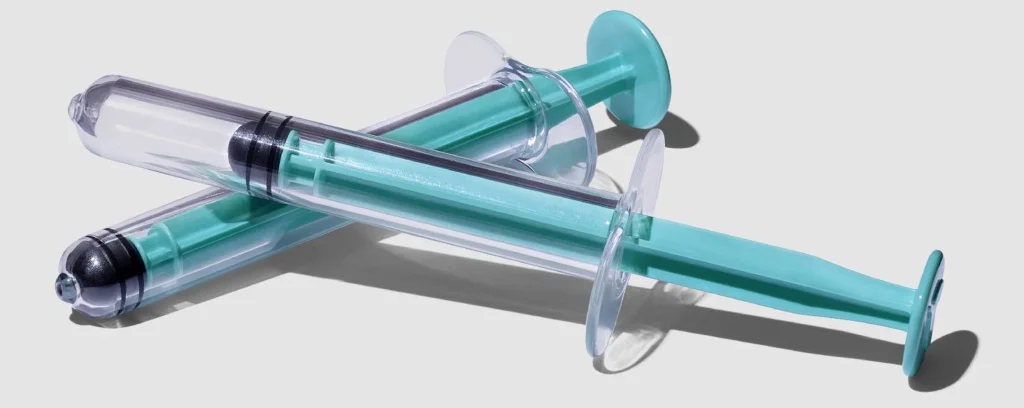
Traditional insemination kits, also known as at-home insemination kits, are one of the most commonly used methods for assisted reproduction. These kits typically include a syringe, a catheter, and a collection cup. The process involves collecting semen from a donor or partner, loading it into the syringe, and then inserting the catheter into the cervix to deposit the sperm.
One of the main benefits of traditional insemination kits is their affordability and accessibility. They can be purchased over the counter at most pharmacies or online without a prescription, making them a convenient option for those who prefer to perform the insemination process in the comfort of their own home.
However, traditional insemination kits do have some limitations. They require precise timing and proper technique for successful insemination, which can be challenging for some individuals. Additionally, the success rates of traditional insemination kits are lower compared to other assisted reproductive technologies, making them a less reliable option for those struggling with fertility.
2. Intrauterine Insemination (IUI) Kits
Intrauterine insemination (IUI) kits are a more advanced form of assisted insemination and involve the insertion of a thin, flexible catheter into the uterus to deposit the sperm directly. These kits are typically used in a clinical setting, under the supervision of a healthcare professional.
IUI kits have a higher success rate compared to traditional insemination kits because they allow for more precise placement of the sperm, bypassing any potential barriers in the cervix. They are also recommended for those with infertility issues such as low sperm count or poor sperm motility.
One of the main drawbacks of IUI kits is their cost. They usually require a prescription from a healthcare provider and can be quite expensive, especially when performed multiple times. Additionally, IUI kits may not be suitable for those with certain medical conditions or anatomical abnormalities.
3. Intracervical Insemination (ICI) Kits
Intracervical insemination (ICI) kits are similar to traditional insemination kits in that they involve the insertion of sperm into the cervix using a syringe and catheter. However, unlike traditional kits, ICI kits use a longer catheter that can reach deeper into the cervix, increasing the chances of successful insemination.

Fertility with a Twist: Exploring the Different Types of Insemination Kits Available
One of the main advantages of ICI kits is their ease of use and lower cost compared to IUI kits. They can be performed at home without the need for a prescription and are a more affordable option for those looking for assisted reproductive technologies.
However, ICI kits also have some limitations. As with traditional insemination kits, they require precise timing and proper technique for successful insemination. They also have a lower success rate compared to IUI kits, making them a less reliable option for those struggling with fertility.
4. Donor Insemination Kits
Donor insemination kits involve using donor sperm to achieve pregnancy. These kits can be used with traditional, IUI, or ICI methods and are typically purchased through sperm banks or fertility clinics. Donor insemination kits are recommended for those with male factor infertility or same-sex couples who require donor sperm to conceive.
One of the main benefits of donor insemination kits is the wide range of options available for choosing a donor. Sperm banks offer detailed profiles of donors, including physical characteristics, education, and medical history, allowing individuals to select the best fit for their family. Additionally, donor insemination kits have a higher success rate compared to traditional insemination kits, making them a more reliable option for those struggling with fertility.
However, donor insemination kits also have some potential drawbacks. They can be expensive, especially if multiple attempts are needed to achieve pregnancy. There is also the potential for emotional and legal complexities involved in using donor sperm.
5. In Vitro Fertilization (IVF) Kits
In vitro fertilization (IVF) kits are the most advanced form of assisted reproductive technologies and involve the fertilization of an egg with sperm in a laboratory setting. The resulting embryo is then transferred into the uterus for implantation.
IVF kits have a higher success rate compared to all other forms of insemination, making them a popular option for those struggling with fertility. They are also suitable for individuals with more complex fertility issues, such as blocked fallopian tubes or endometriosis.
However, IVF kits are the most expensive and invasive form of assisted reproductive technologies. They require multiple steps and procedures, making them a more time-consuming and emotionally taxing option for those trying to conceive.
Summary:
Insemination kits are a popular option for those seeking assisted reproductive technologies to achieve pregnancy. Traditional insemination kits, IUI kits, ICI kits, donor insemination kits, and IVF kits are some of the options available in the market. Each kit has its own unique features and benefits, along with potential limitations and drawbacks. Traditional and ICI kits offer affordability and accessibility, while IUI and donor insemination kits have higher success rates. IVF kits are the most advanced and successful but also the most expensive and invasive option. It is important to consult with a healthcare professional and consider individual needs and circumstances when choosing the right insemination kit.