Summary:
In recent years, non-invasive insemination has become a popular option for individuals and couples looking to start or expand their families. This method of assisted reproduction involves the placement of sperm directly into the reproductive tract without the need for a surgical procedure. While it may seem like a simple and straightforward process, there are important questions that should be considered before choosing a non-invasive insemination solution. In this blog post, we will discuss the top questions to ask to ensure that you are making an informed decision and selecting the best option for your individual needs.
Question 1: What is the success rate of the non-invasive insemination solution?
The success rate of a non-invasive insemination solution can vary depending on a number of factors, including the age and fertility of the individual or couple, the quality of the sperm used, and the specific method being used. It is important to have a realistic understanding of the success rate and to discuss any concerns with a medical professional before proceeding.
Question 2: What is the cost of the non-invasive insemination solution?
Cost is a major factor to consider when choosing a non-invasive insemination solution. It is important to not only consider the upfront costs, but also any potential additional costs such as medications or follow-up appointments. It is also worth researching if any insurance coverage is available for the chosen method.
Question 3: What are the potential risks and side effects?
Like any medical procedure, non-invasive insemination carries potential risks and side effects. It is important to discuss these with a medical professional and understand the potential impact on your health and well-being. Some methods may have a higher risk of infection or discomfort, while others may have a lower success rate.
Question 4: What is the recommended timing for the insemination?
Timing is crucial for successful insemination. It is important to understand the recommended timing for the chosen method and to follow any instructions or guidelines carefully. This may involve tracking ovulation or using hormonal medications to stimulate ovulation.
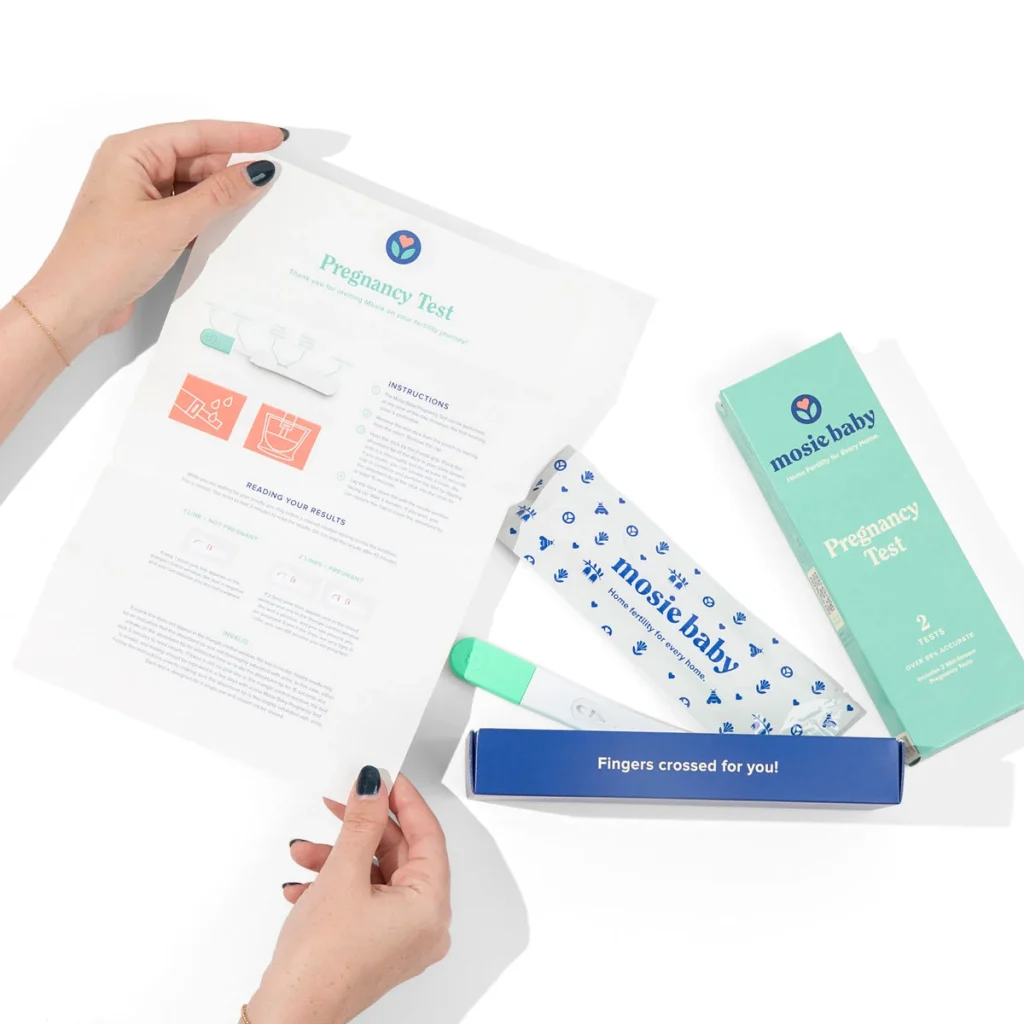
Questions to Ask Before Choosing a Non-Invasive Insemination Solution
Question 5: What are the requirements for sperm donation?
If using donor sperm, it is important to understand the requirements and processes involved. This may include screening and testing for any potential genetic or infectious diseases, as well as ensuring the donor’s consent and anonymity. It is also important to consider the availability and cost of donor sperm.
Question 6: What is the level of involvement from medical professionals?
Non-invasive insemination can be performed at home or in a medical setting, depending on the chosen method. It is important to understand the level of involvement from medical professionals and to ensure that you are comfortable with the process. Some individuals may prefer a more hands-on approach with guidance from a medical team, while others may prefer a more private and intimate experience at home.
Question 7: What are the success rates of different methods?
There are various methods of non-invasive insemination, including intrauterine insemination (IUI), intracervical insemination (ICI), and intravaginal insemination (IVI). Each method has its own success rates and may be more suitable for different individuals or couples. It is important to understand the differences between these methods and discuss with a medical professional to determine the best option for you.
Question 8: What is the emotional impact of non-invasive insemination?
Starting or expanding a family through non-invasive insemination can be an emotional journey. It is important to consider the potential emotional impact and to prepare for any challenges that may arise. Seeking support from a therapist or joining a support group can also be helpful for coping with any emotional difficulties.
Question 9: Are there any lifestyle changes or restrictions to consider?
Some non-invasive insemination methods may require certain lifestyle changes or restrictions, such as abstaining from intercourse or avoiding certain foods or activities. It is important to understand and adhere to these recommendations in order to increase the chances of success.
Question 10: What are the chances of multiple pregnancies?
Non-invasive insemination can increase the chances of multiple pregnancies, which may be a concern for some individuals or couples. It is important to discuss this possibility with a medical professional and understand the potential risks and challenges of carrying and caring for multiple babies.
In conclusion, non-invasive insemination can be a viable option for those looking to start or expand their families. However, it is important to ask the right questions and fully understand the process before making a decision. By considering factors such as success rates, cost, risks and side effects, timing, donor requirements, medical involvement, emotional impact, lifestyle changes, and multiple pregnancies, you can make an informed decision and choose the best non-invasive insemination solution for your individual needs.