Summary:
For many couples, starting a family is a deeply personal and emotional journey. However, not all couples are able to conceive naturally, and some may choose to explore other options such as assisted reproductive technology. One such option is DIY baby-making through at-home insemination solution sets. In this blog post, we will take a closer look at what these sets are, how they work, and if they are a viable option for couples looking to conceive at home.
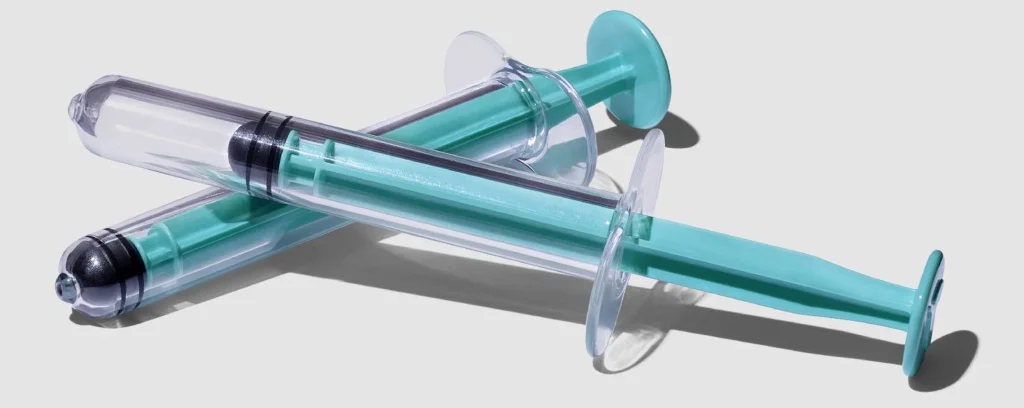
First, let’s define what DIY baby-making is. Essentially, it involves using at-home insemination kits to facilitate the process of sperm being placed into the female reproductive tract in order to increase the chances of fertilization. This can be done either with the help of a partner or through self-insemination. These kits typically include everything needed for the process, such as sperm collection cups, syringes, and sometimes even ovulation tests.
One of the main reasons couples may turn to DIY baby-making is due to fertility issues. While there are many possible causes of infertility, one common issue is low sperm count or poor sperm quality. In these cases, using an at-home insemination kit can help by increasing the concentration of sperm that reaches the cervix, giving it a better chance of reaching and fertilizing an egg.
Another reason couples may choose DIY baby-making is for privacy and convenience. Assisted reproductive technology, such as intrauterine insemination (IUI) or in vitro fertilization (IVF), can be costly and often require multiple doctor visits. Some couples may prefer to avoid the medical setting and the costs associated with it, and instead opt for the intimacy and privacy of their own home.

DIY Baby-Making: A Closer Look at At-Home Insemination Solution Sets
Now, let’s take a closer look at how these at-home insemination solution sets work. The process typically involves a few steps. First, the male partner will collect a semen sample in the provided cup. It is important to follow the instructions carefully to ensure the sample is not contaminated. Once the sample is collected, it is then transferred into a syringe and placed into the vagina near the cervix. This can be done either by the partner or through self-insemination using an applicator.
It is important to note that at-home insemination is not a guaranteed method of conception. While it can increase the chances of pregnancy, it is not as effective as other assisted reproductive technologies. Additionally, there are certain factors to consider before attempting DIY baby-making. For example, it may not be suitable for couples with certain medical conditions, such as endometriosis or blocked fallopian tubes. It is always best to consult with a healthcare provider before attempting at-home insemination.
Furthermore, it is crucial to ensure the sperm used in the process is healthy and viable. This can be achieved through purchasing sperm from a reputable sperm bank or using a known sperm donor. It is important to thoroughly screen the donor for any potential health risks and to have a legal agreement in place.
In addition to the physical process, there are also emotional and psychological aspects to consider when embarking on the journey of DIY baby-making. It is important for couples to have open and honest communication about their expectations, fears, and concerns. It can also be helpful to seek support from a therapist or support group to navigate any emotional challenges that may arise.
In conclusion, DIY baby-making through at-home insemination solution sets can be a viable option for couples looking to conceive at home. It offers privacy, convenience, and can increase the chances of pregnancy for couples facing fertility issues. However, it is important to carefully consider all factors and consult with a healthcare provider before attempting this method. With proper planning and communication, DIY baby-making can be a successful and fulfilling journey for couples.
SEO metadata: