Blog Post:
Fertility is a topic that many people struggle with, and it can be a difficult journey to navigate. However, there are DIY tools that you can use at home to take control of your fertility journey. These tools can help you track your ovulation, determine your most fertile days, and even improve your chances of conceiving. In this blog post, we will discuss some of the top DIY tools for fertility at home and how they can help you on your journey.
1. Ovulation Predictor Kits (OPKs)
One of the most popular DIY tools for fertility at home is the ovulation predictor kit (OPK). These kits use urine or saliva to detect the surge of luteinizing hormone (LH) that occurs right before ovulation. By tracking this surge, you can determine your most fertile days and time intercourse accordingly. OPKs are easily available at drugstores and are relatively inexpensive, making them a convenient option for at-home use.
2. Basal Body Temperature (BBT) Thermometer
Tracking your basal body temperature (BBT) is another way to pinpoint ovulation. Your BBT is your body’s lowest resting temperature, and it typically rises after ovulation due to the release of progesterone. By tracking your BBT every morning before getting out of bed, you can see a pattern of when ovulation occurred. There are many BBT thermometers available on the market, and some even come with fertility tracking apps to make it easier to chart your temperature.
3. Fertility Tracking Apps
Speaking of fertility tracking apps, these have become increasingly popular in recent years. These apps allow you to track your menstrual cycle, ovulation, and any other fertility signs you may be monitoring, such as cervical mucus or BBT. Some of these apps also use algorithms to predict your fertile days based on the data you input. With the convenience of having this information at your fingertips, fertility tracking apps can be a valuable tool for taking control of your fertility journey.

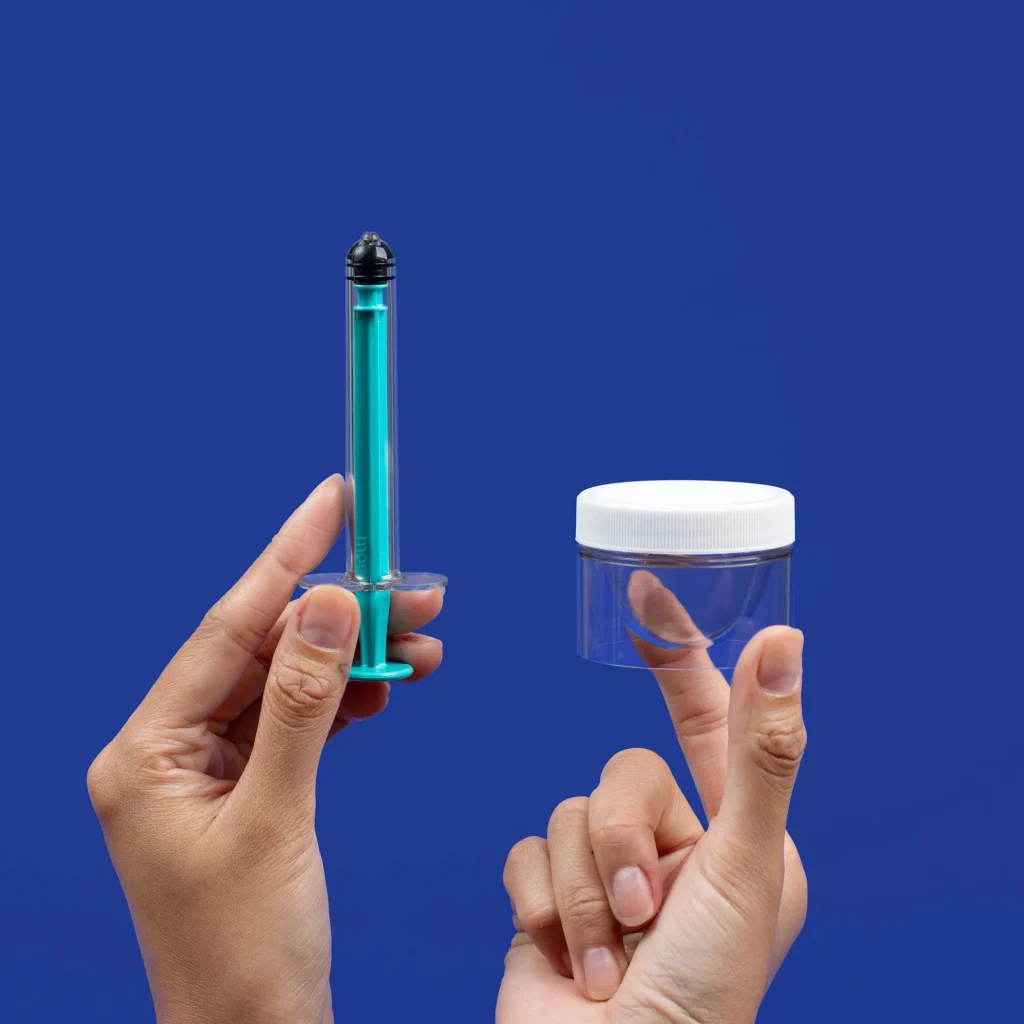
Fertility at Home: DIY Tools for Taking Control of Your Journey
4. Cervical Mucus Monitoring
Cervical mucus is a vital part of your fertility journey, as it plays a significant role in helping sperm reach the egg. By monitoring the changes in your cervical mucus throughout your cycle, you can determine when you are most fertile. During ovulation, your cervical mucus becomes thin, slippery, and stretchy, resembling the consistency of egg whites. By tracking these changes, you can increase your chances of conceiving.
5. Fertility Supplements
While not a DIY tool per se, fertility supplements can be an essential addition to your at-home fertility journey. These supplements often contain vitamins, minerals, and herbs that can help regulate hormones, improve egg quality, and increase sperm count. Some popular supplements for fertility include CoQ10, prenatal vitamins, and maca root. However, it is crucial to consult with your doctor before starting any new supplements.
6. Fertility-Friendly Lubricants
Many couples use lubricants during intercourse to make it more comfortable and enjoyable. However, some lubricants can harm sperm and decrease your chances of conceiving. That’s why there are now fertility-friendly lubricants available on the market, specifically designed to be sperm-friendly. These lubricants do not contain any harmful ingredients and can even mimic the consistency of cervical mucus, making it easier for sperm to reach the egg.
7. Yoga and Meditation
Stress can have a significant impact on fertility, so it is essential to find ways to relax and de-stress during your fertility journey. Yoga and meditation are great DIY tools that you can do at home to reduce stress and anxiety. Certain yoga poses, such as the legs-up-the-wall pose, can also help increase blood flow to the pelvic area, which can improve fertility. Additionally, meditation can help you release negative thoughts and emotions, allowing you to focus on your journey with a clear and positive mindset.
Taking control of your fertility journey can be overwhelming, but with the help of these DIY tools, you can feel more empowered and in tune with your body. Remember to consult with your doctor if you have any concerns or questions, and trust the process. With patience, perseverance, and these at-home tools, you can increase your chances of conceiving and starting the family you’ve always dreamed of.
In summary, fertility at home is possible with the help of DIY tools. Ovulation predictor kits, basal body temperature thermometers, fertility tracking apps, cervical mucus monitoring, fertility supplements, fertility-friendly lubricants, and yoga and meditation are all excellent tools that you can use at home to take control of your fertility journey. With these tools, you can track your cycle, determine your most fertile days, and improve your chances of conceiving. Remember to always consult with your doctor, stay positive, and trust the process.