Blog Post:
For many couples trying to conceive, the cost of insemination can be a major barrier. Traditional methods of insemination, such as intrauterine insemination (IUI) or in vitro fertilization (IVF), can be expensive and often require multiple attempts before success. However, there is a more affordable and accessible option available – the syringe method for at-home insemination.
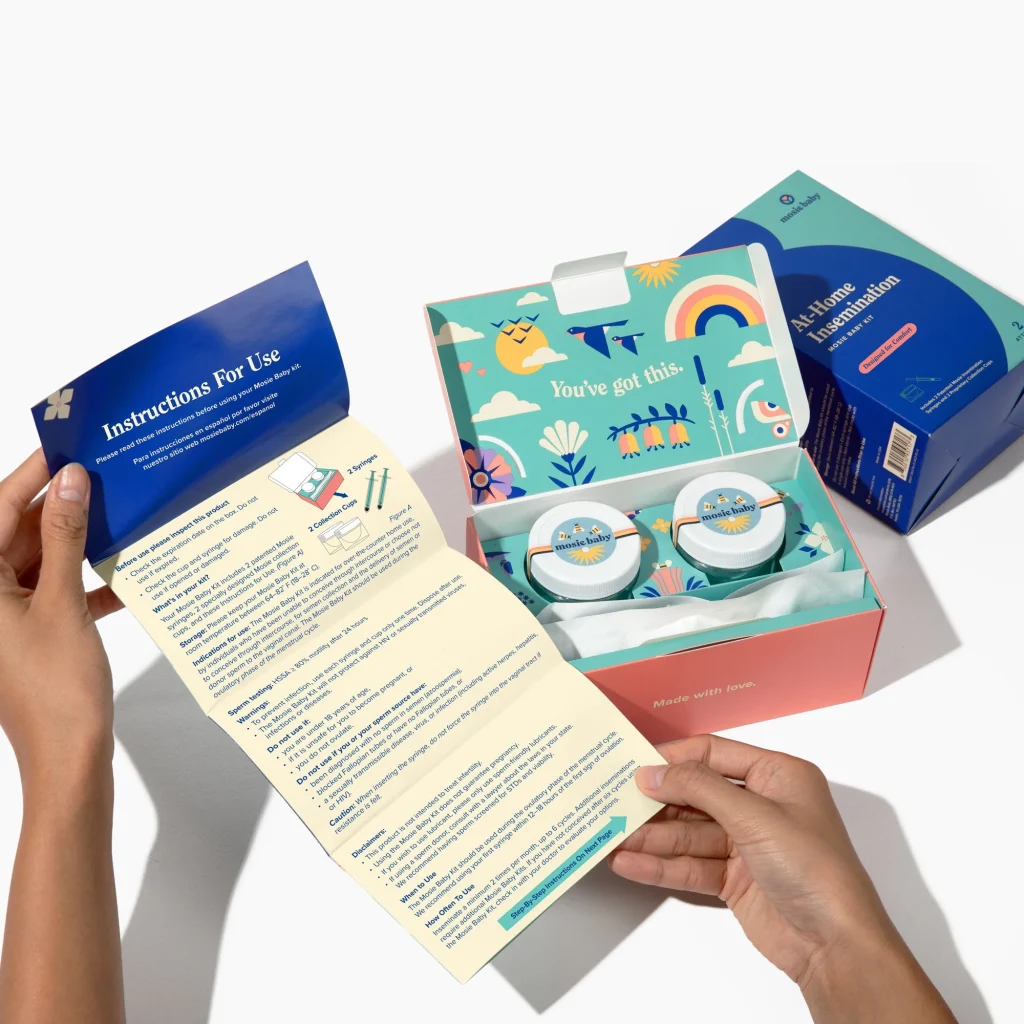
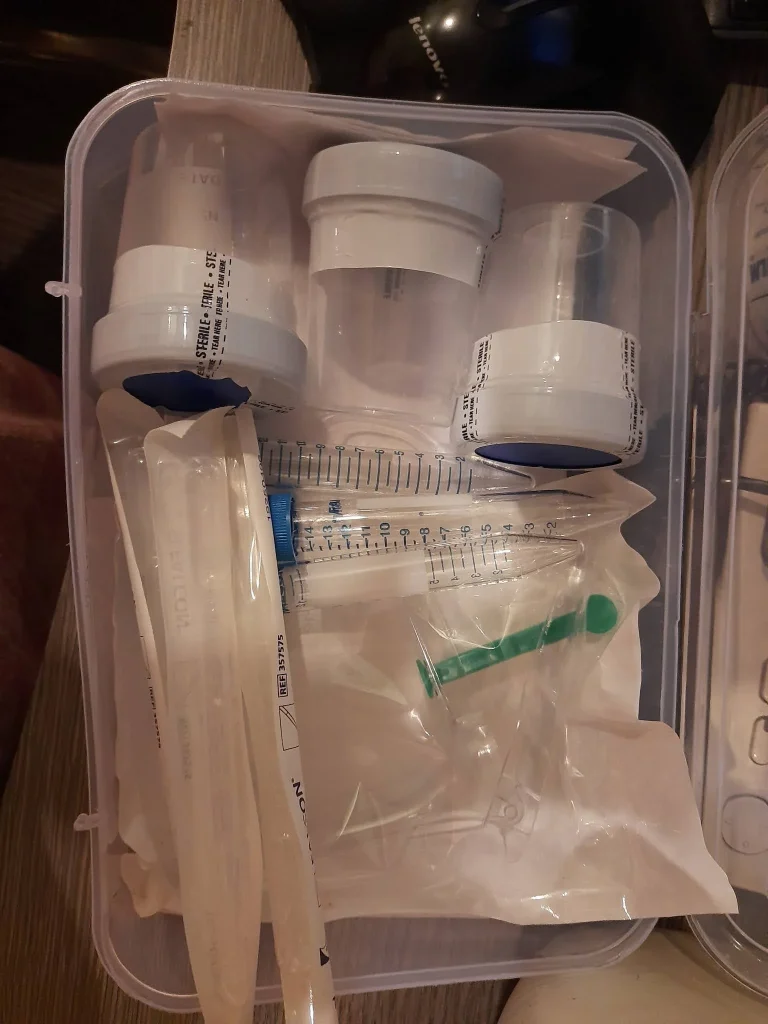
The syringe method involves collecting semen in a sterile cup or condom and then using a syringe to deposit it into the vagina near the cervix. This method can be done at home, eliminating the need for expensive medical procedures and appointments. But just how cost-effective is this method? In this blog post, we will explore the cost-effectiveness of using the syringe method for at-home insemination.
Firstly, let’s compare the cost of the syringe method to traditional methods such as IUI and IVF. The average cost of IUI can range from $300 to $1000 per cycle, and IVF can cost anywhere from $12,000 to $15,000 per cycle. On the other hand, the syringe method only requires the cost of purchasing a sterile syringe, which can range from $5 to $20. This significant difference in cost makes the syringe method a much more affordable option for those on a budget.
Another advantage of the syringe method is that it can be done at home, eliminating the need for costly medical appointments. With traditional methods, couples often have to make multiple trips to the doctor’s office, which can add up in terms of time and money. Additionally, the syringe method can be done on your own time, making it more convenient and less disruptive to your schedule.
Moreover, the syringe method allows for more control and involvement in the insemination process. With traditional methods, couples have to rely on a doctor or healthcare professional to perform the insemination. This not only adds to the cost but also takes away from the intimate and personal experience of trying to conceive. With the syringe method, couples can take a more hands-on approach and feel more connected to the process.

The Cost-Effectiveness of Using the Syringe Method for At-Home Insemination
Furthermore, the syringe method can also save couples money in the long run. Traditional methods of insemination often require multiple attempts before success, which can be financially draining. With the syringe method, couples can try multiple times without breaking the bank. This can be especially beneficial for same-sex couples or single individuals who may not have insurance coverage for fertility treatments.
In addition to being cost-effective, the syringe method also has a high success rate. Studies have shown that the success rate of at-home insemination using the syringe method is comparable to that of IUI and IVF. This means that couples can save money without compromising their chances of conceiving.
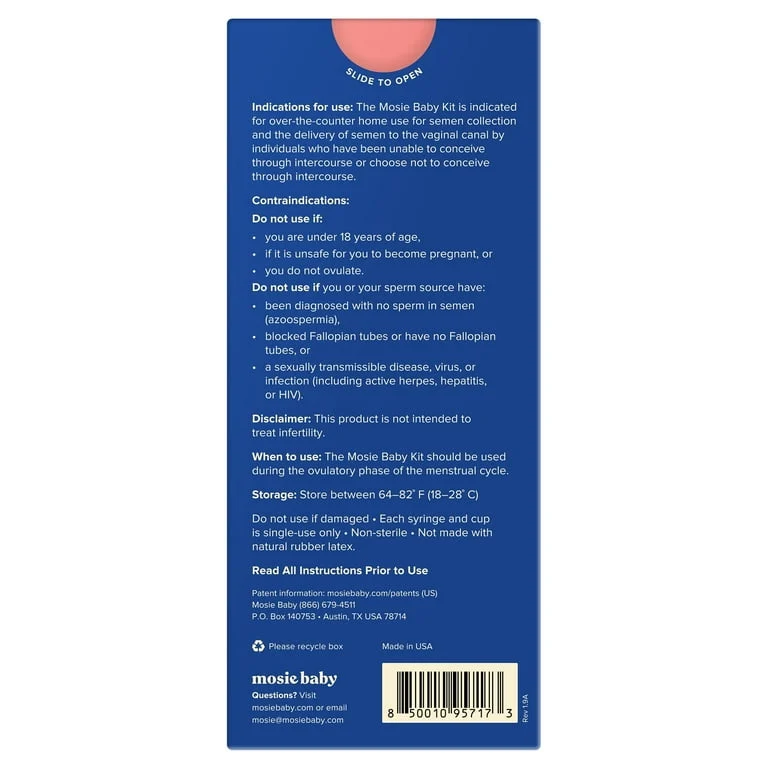
It is essential to note that the syringe method may not be suitable for everyone. Couples with fertility issues or those who have been trying to conceive for an extended period may require medical assistance. It is always recommended to consult with a healthcare professional before attempting at-home insemination.
In conclusion, the syringe method for at-home insemination is a highly cost-effective option for couples trying to conceive. It eliminates the need for expensive medical procedures and appointments while still offering a high success rate. It also allows for more control and involvement in the process, making the journey to conception more personal and intimate. However, it is crucial to consider individual circumstances and consult with a healthcare professional before attempting this method.
Summary:
The cost of traditional methods of insemination, such as IUI and IVF, can be a barrier for many couples trying to conceive. However, the syringe method for at-home insemination offers a more affordable and accessible option. By using a sterile syringe to deposit semen near the cervix, couples can eliminate the need for expensive medical procedures and appointments. This method also allows for more control and involvement in the process and has a high success rate comparable to traditional methods. However, it is essential to consult with a healthcare professional before attempting the syringe method.