Category: MosieBaby

Mosie baby at home insemination syringe kit

  • and Facing Male Factor Infertility? Non-Invasive Insemination Can Help

    Facing Male Factor Infertility? Non-Invasive Insemination Can Help

    Infertility is a topic that affects millions of couples worldwide. While it is often believed that infertility is primarily a female issue, the reality is that male factor infertility accounts for about 40% of all infertility cases. This can be a difficult and emotionally trying situation for couples, especially for the male partner who may feel a sense of shame or inadequacy. However, with advancements in technology and medical procedures, there are now more options available for couples facing male factor infertility. One such option is non-invasive insemination, also known as artificial insemination, which can often be a successful solution for couples struggling to conceive. In this blog post, we will delve into the topic of male factor infertility and how non-invasive insemination can help couples overcome this challenge.

    Understanding Male Factor Infertility

    Before we discuss the role of non-invasive insemination in treating male factor infertility, it is important to understand what it is and how it can affect couples. Male factor infertility refers to any fertility issue that affects the male partner and can include a variety of conditions such as low sperm count, poor sperm motility (movement), or abnormal sperm shape. These conditions can be caused by a variety of factors including hormonal imbalances, genetic disorders, infections, and lifestyle choices. In some cases, the cause of male factor infertility may be unknown.

    The emotional toll of male factor infertility can be significant for both partners. Men may feel a sense of guilt or shame for being unable to impregnate their partner, and women may experience feelings of disappointment, frustration, and even resentment towards their partner. This can put a strain on the relationship and make the journey to parenthood even more challenging.

    Treating Male Factor Infertility with Non-Invasive Insemination

    Non-invasive insemination, also known as artificial insemination, is a procedure that involves placing sperm directly into a woman’s uterus or cervix to increase the chances of conception. This procedure is often recommended for couples facing male factor infertility as it bypasses any issues with sperm quality or quantity and increases the chances of fertilization.

    The process of non-invasive insemination typically involves the collection of sperm from the male partner. This can be done through masturbation or through a special condom that collects semen during intercourse. The sperm is then washed and concentrated to increase the chances of fertilization. The washed sperm is then placed into the female partner’s uterus or cervix using a thin, flexible catheter. This process is painless and can be done in a doctor’s office without the need for anesthesia.

    The success rate of non-invasive insemination varies depending on the cause of male factor infertility and the age of the female partner. On average, the success rate ranges from 5-25% per cycle. However, with multiple cycles, the success rate can increase up to 60%. It is important to note that non-invasive insemination may not be suitable for all couples facing male factor infertility and it is best to consult with a fertility specialist to determine the most appropriate treatment plan.

    mosie baby logo featuring a heart and leaves in blue, pink, and green colors.

    and Facing Male Factor Infertility? Non-Invasive Insemination Can Help

    Advantages of Non-Invasive Insemination

    One of the main advantages of non-invasive insemination is that it is a relatively simple and non-invasive procedure. It does not require any major surgery or anesthesia, making it a less intimidating option for couples. Additionally, it is a cost-effective treatment compared to other advanced fertility treatments such as in-vitro fertilization (IVF).

    Non-invasive insemination also allows for the use of donor sperm, which can be helpful for couples facing male factor infertility due to severe sperm quality issues. This option can give couples the chance to conceive and experience the joys of parenthood.

    Furthermore, non-invasive insemination can also help couples who have unexplained infertility. In some cases, there may be no apparent cause for a couple’s inability to conceive. In these situations, non-invasive insemination can increase the chances of fertilization and help couples achieve their dream of parenthood.

    Facing Male Factor Infertility: Coping and Support

    Dealing with infertility can be a challenging and emotional experience for couples. It is important to seek support and coping mechanisms to help navigate through this difficult time. Couples can seek support from family and friends, attend support groups, or seek counseling from a therapist. It is also essential for couples to communicate openly and support each other throughout the process.

    In addition, it is crucial to take care of one’s physical and emotional well-being during this time. This can include maintaining a healthy diet, exercising regularly, and finding healthy ways to cope with stress and anxiety.

    Summary:

    – Male factor infertility accounts for 40% of all infertility cases.
    – Non-invasive insemination is a procedure that can help couples facing male factor infertility.
    – This procedure involves placing washed sperm into the female partner’s uterus or cervix.
    – The success rate ranges from 5-25% per cycle, with higher success rates after multiple cycles.
    – Non-invasive insemination is a simple, cost-effective, and non-invasive option for couples.
    – It can also be helpful for couples with unexplained infertility or those using donor sperm.
    – Seeking support and taking care of physical and emotional well-being is essential for couples facing male factor infertility.

  • Non-Invasive Insemination: A Less Invasive and More Affordable Fertility Option

    Non-invasive insemination, also known as intrauterine insemination (IUI), is a fertility treatment option that has gained popularity in recent years due to its less invasive nature and affordability. This method involves placing sperm directly into the woman’s uterus, increasing the chances of fertilization and pregnancy. Compared to other assisted reproductive technologies, non-invasive insemination offers a more natural approach to conception and can be a viable option for couples struggling with fertility issues.

    The Process of Non-Invasive Insemination
    Non-invasive insemination involves the insertion of sperm into the woman’s uterus using a thin, flexible catheter. This is usually done around the time of ovulation to increase the chances of successful conception. Prior to the procedure, the sperm is washed and prepared in a laboratory to remove any non-motile or unhealthy sperm, ensuring that only the strongest and healthiest sperm are used for insemination. This process also helps to increase the sperm count, making it more likely for fertilization to occur.

    Reasons to Choose Non-Invasive Insemination
    There are several reasons why couples may choose non-invasive insemination as a fertility treatment option. One of the main reasons is that it is less invasive compared to other assisted reproductive technologies such as in vitro fertilization (IVF). IVF involves extracting eggs from the woman’s ovaries and fertilizing them with sperm in a laboratory before transferring the embryos back into the uterus. This process can be physically and emotionally demanding, making non-invasive insemination a more appealing option for couples.

    Additionally, non-invasive insemination is also more affordable compared to IVF and other fertility treatments. IVF can cost thousands of dollars, and it may not be covered by insurance. On the other hand, non-invasive insemination is a simpler procedure that can be done in a doctor’s office without the need for expensive equipment or facilities. This makes it a more accessible option for couples who may not be able to afford other fertility treatments.

    Mosie Baby At-Home Insemination Kit instructions and storage guidelines on a blue background.

    Non-Invasive Insemination: A Less Invasive and More Affordable Fertility Option

    Non-invasive insemination is also a more natural approach to conception compared to other assisted reproductive technologies. It does not involve the use of hormones or drugs, making it a safer option for some women who may have health conditions that prevent them from using these treatments. It also allows for a closer connection between the couple, as the sperm is directly inserted into the woman’s uterus by the partner or donor.

    Who Can Benefit from Non-Invasive Insemination?
    Non-invasive insemination can be a suitable option for couples who have been trying to conceive for a year or more without success. It is also a viable option for same-sex couples and single women who want to have a child. In some cases, non-invasive insemination may also be recommended for couples with mild fertility issues, such as low sperm count or cervical mucus problems.

    Risks and Success Rates of Non-Invasive Insemination
    As with any medical procedure, there are some risks associated with non-invasive insemination. The most common risk is multiple pregnancies, as the procedure increases the chances of releasing more than one egg during ovulation. This can lead to a higher risk of complications during pregnancy and delivery. Other risks may include infection or discomfort during the procedure, but these are rare.

    The success rate of non-invasive insemination varies depending on factors such as age, health, and fertility issues. On average, the success rate is around 10-20% per cycle, but this can increase with multiple cycles. It is important to discuss the chances of success with a fertility specialist before deciding on this treatment option.

    In conclusion, non-invasive insemination is a less invasive and more affordable fertility option that can be a viable choice for couples struggling with fertility issues. It offers a more natural approach to conception and can be a less stressful option compared to other assisted reproductive technologies. However, it is important to consult with a fertility specialist to determine if this treatment is suitable for your specific situation.

  • An Introduction to Non-Invasive Insemination: What You Need to Know

    Summary:

    Non-invasive insemination, also known as artificial insemination, is a widely used assisted reproductive technology that involves the placement of sperm directly into the female reproductive tract without the need for sexual intercourse. This technique has been used for decades and has helped many couples and individuals achieve their dream of starting a family. In this blog post, we will provide a comprehensive introduction to non-invasive insemination, covering everything you need to know about this procedure.

    We will begin by discussing the different types of non-invasive insemination, including intrauterine insemination (IUI) and intracervical insemination (ICI). We will explain the differences between these two procedures, as well as their success rates and suitable candidates. Additionally, we will delve into the process of non-invasive insemination, from the initial consultation to the insemination procedure itself.

    Next, we will discuss the various reasons why people may opt for non-invasive insemination, such as male or female infertility, same-sex couples, or single individuals. We will also address the common myths and misconceptions surrounding this procedure and provide accurate information to help you make an informed decision.

    We will then explore the screening and testing process that individuals and couples must undergo before undergoing non-invasive insemination. This includes testing for sexually transmitted infections, genetic disorders, and fertility evaluations. We will also discuss the importance of choosing a reputable and experienced fertility clinic for the procedure.

    two teal and clear syringes positioned on a white background

    An Introduction to Non-Invasive Insemination: What You Need to Know

    In the following sections, we will cover the potential risks and complications associated with non-invasive insemination, as well as the side effects that may occur. It is essential to be aware of these potential risks, although they are relatively rare, to make an informed decision about this procedure.

    We will also provide information on the success rates of non-invasive insemination, as they can vary depending on individual factors such as age, overall health, and fertility issues. We will also discuss the factors that may affect the success of non-invasive insemination, such as sperm quality, timing of the procedure, and the use of fertility medications.

    Additionally, we will address the emotional and psychological aspects of non-invasive insemination. Starting a family through assisted reproductive technology can be a rollercoaster of emotions, and we will provide tips and resources to help you cope with the process.

    Finally, we will discuss the cost of non-invasive insemination and provide information on insurance coverage and financial assistance options. We understand that this procedure can be expensive, and we want to ensure that everyone has access to accurate information on the financial aspects of non-invasive insemination.

    In conclusion, non-invasive insemination is a safe, effective, and widely used assisted reproductive technology that has helped many individuals and couples achieve their dream of starting a family. It is essential to be well-informed about the procedure, its success rates, and potential risks before making a decision. We hope that this blog post has provided you with a comprehensive introduction to non-invasive insemination and has answered any questions you may have.

  • Non-Invasive Insemination and the Single Woman: Making Motherhood Possible

    Blog Post: Non-Invasive Insemination and the Single Woman: Making Motherhood Possible

    Becoming a mother is a dream for many women, but for some, it may seem out of reach. In the past, single women who wanted to have a child had limited options, but with advancements in technology, there is now a way for them to become mothers without the need for a partner or sexual intercourse. This method is known as non-invasive insemination, and it has opened up a new world of possibilities for single women who want to fulfill their maternal desires.

    What is Non-Invasive Insemination?

    Non-invasive insemination, also known as artificial insemination or donor insemination, is the process of placing sperm into a woman’s reproductive tract without sexual intercourse. This procedure is a form of assisted reproductive technology (ART) and is often used by couples who are struggling with fertility issues. However, it has also become a popular option for single women who want to have a child on their own.

    How Does Non-Invasive Insemination Work?

    There are two types of non-invasive insemination: intrauterine insemination (IUI) and intracervical insemination (ICI). In both methods, the sperm is collected from a donor and then inserted into the woman’s reproductive tract.

    In IUI, the sperm is placed directly into the uterus using a thin catheter, which increases the chances of fertilization as the sperm is closer to the egg. This method is usually done in a doctor’s office and requires the woman to be closely monitored for ovulation.

    On the other hand, ICI involves inserting the sperm into the cervix using a syringe or soft cup. This can be done at home by the woman herself or with the help of a medical professional. ICI is a less invasive and more affordable option compared to IUI, but it also has a lower success rate.

    Both IUI and ICI can be done with fresh or frozen sperm from a donor. The donor can be someone the woman knows, such as a friend or family member, or an anonymous donor from a sperm bank. Many single women prefer to use a sperm bank as it offers a wider selection of donors and provides thorough medical and genetic screenings.

    The Advantages of Non-Invasive Insemination for Single Women

    sperm-ready insemination kit with a syringe and container, featuring a screw top lid and non-tip safety wall

    Non-Invasive Insemination and the Single Woman: Making Motherhood Possible

    One of the main advantages of non-invasive insemination for single women is that it allows them to have a child without the need for a partner or sexual intercourse. This gives them the freedom and independence to make their own choices about motherhood.

    Non-invasive insemination also offers a safe and controlled environment for conception, as it eliminates the risk of sexually transmitted infections (STIs) and unwanted pregnancies. It also allows women to plan their pregnancies and have a better understanding of their fertility through the monitoring process.

    In addition, using a sperm donor through a sperm bank gives single women the opportunity to choose the genetic traits they want in their child, such as physical appearance, education, and health history. This can be appealing for those who have specific preferences and want to have a biological connection to their child.

    Challenges and Considerations

    While non-invasive insemination offers an alternative path to motherhood for single women, it is not without challenges and considerations. One of the main challenges is the cost, as the process can be expensive and may require multiple attempts before successful conception. The cost can vary depending on factors such as the type of insemination, the clinic or sperm bank used, and any additional medical procedures needed.

    Another important consideration is the emotional and psychological impact of raising a child as a single parent. This decision should not be taken lightly, and it is essential for single women to seek counseling and support from friends and family before embarking on this journey.

    In addition, some countries and states have laws and regulations surrounding non-invasive insemination, such as restrictions on using a known donor or requiring the child to have access to the donor’s identity. It is crucial for single women to research and understand these laws before proceeding with the process.

    Conclusion

    Non-invasive insemination has opened up new possibilities for single women who want to become mothers. It allows them to have a child without the need for a partner or sexual intercourse, giving them control and independence over their reproductive choices. However, it is essential to carefully consider the emotional, financial, and legal aspects before embarking on this journey. With proper planning and support, non-invasive insemination can make motherhood possible for single women.

    Summary:

    Non-invasive insemination, also known as artificial insemination, is a form of assisted reproductive technology that allows single women to have a child without the need for a partner or sexual intercourse. There are two types of non-invasive insemination (IUI and ICI) that involve inserting sperm into the woman’s reproductive tract. This method offers many advantages, such as freedom and control over reproductive choices, safety, and the ability to choose a sperm donor with specific genetic traits. However, it also comes with challenges and considerations, such as cost, emotional impact, and legal regulations. By carefully considering these factors, single women can make motherhood possible through non-invasive insemination.

  • The Benefits of Non-Invasive Insemination for Women Over 30

    Title: The Benefits of Non-Invasive Insemination for Women Over 30

    Insemination, also known as artificial insemination, is a widely used fertility treatment method that involves placing sperm directly into a woman’s reproductive tract. While traditional insemination methods require invasive procedures such as laparoscopy or intrauterine insemination (IUI), advancements in medical technology have led to the development of non-invasive insemination techniques. These methods offer numerous benefits, particularly for women over the age of 30 who may face fertility challenges. In this blog post, we will explore the benefits of non-invasive insemination for women over 30.

    1. Less Invasive and Less Time-Consuming

    Traditional insemination methods involve invasive procedures that can be uncomfortable and time-consuming. For instance, laparoscopy requires a small incision in the abdomen to insert a tiny camera to locate the fallopian tubes and ovaries. On the other hand, IUI involves inserting a catheter through the cervix to deliver the sperm directly into the uterus. These procedures can be daunting for women, especially those over 30 who may have a lower tolerance for invasive treatments. Non-invasive insemination methods, such as intracervical insemination (ICI) or intravaginal insemination (IVI), do not require any special equipment or invasive procedures. These techniques are simple and can be done in the comfort of a doctor’s office or at home, making them less daunting and less time-consuming for women over 30.

    2. Lower Risk of Infection and Complications

    Invasive procedures carry a higher risk of infection and complications, particularly for women over 30, who may have a weaker immune system. In contrast, non-invasive insemination methods do not require any incisions or catheters, significantly reducing the risk of infection and complications. These procedures are also less likely to cause damage to the reproductive organs, making them a safer option for women over 30.

    3. More Affordable

    Invasive fertility treatments can be expensive, especially for women over 30 who may have already exhausted their savings on other fertility treatments. Non-invasive insemination methods are a more affordable option, as they do not require any special equipment or invasive procedures. These procedures can be done at a fraction of the cost, making them a more accessible option for women over 30 who want to start a family without breaking the bank.

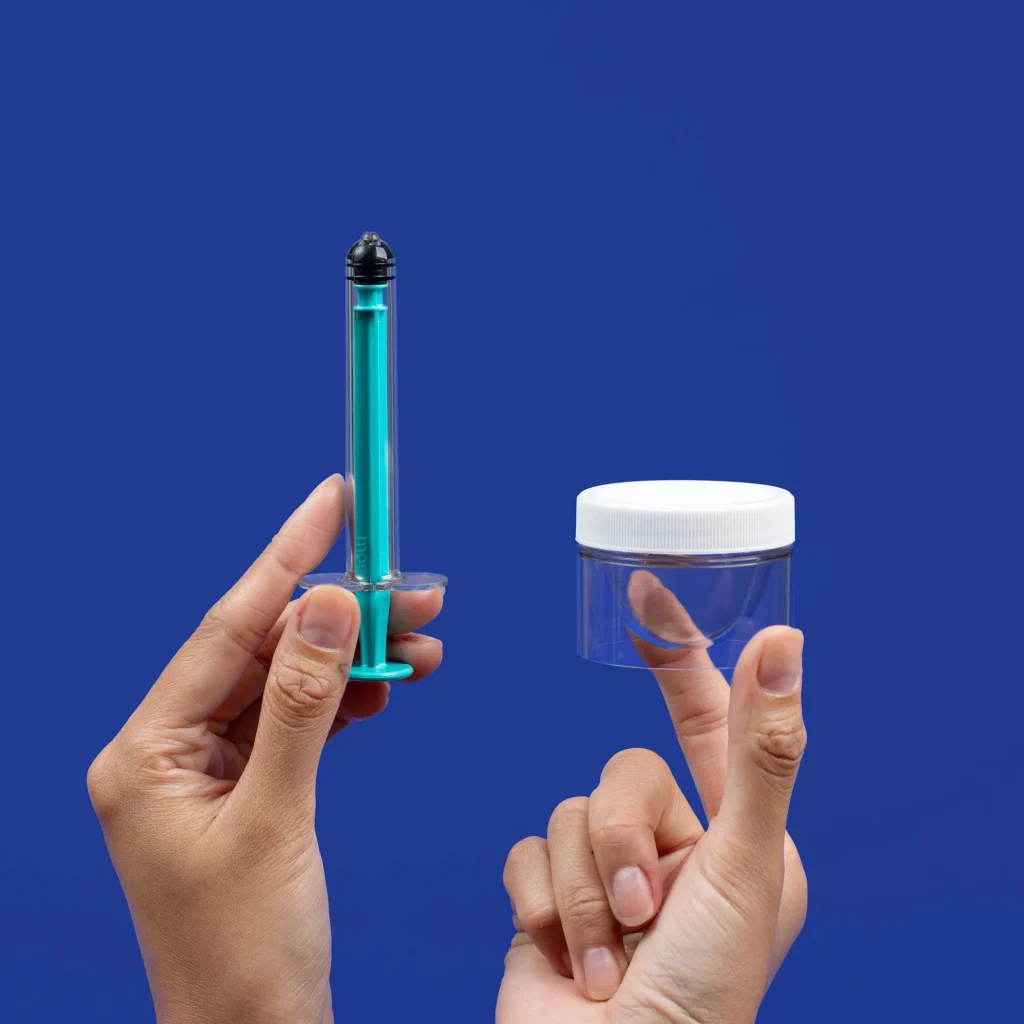
    home insemination kit components: a syringe and a collection container against a blue background.

    The Benefits of Non-Invasive Insemination for Women Over 30

    4. Can Be Combined with Fertility Medications

    Non-invasive insemination methods can be combined with fertility medications, such as Clomid, to increase the chances of pregnancy. Clomid is a commonly prescribed fertility medication that stimulates ovulation, making it easier for women over 30 to conceive. Combining this medication with non-invasive insemination can significantly increase the chances of pregnancy, making it an attractive option for women over 30 who may have lower fertility levels.

    5. Can Be Done at Home

    In addition to being less invasive and more affordable, non-invasive insemination methods can also be done at home. This means that women over 30 can perform the procedure in the comfort and privacy of their own home, without having to visit a doctor’s office. This can be a more comfortable option for women, particularly those who may feel self-conscious or anxious about undergoing the procedure in a medical setting.

    6. Can Be Repeated Multiple Times

    Unlike other fertility treatments that can only be done once or twice, non-invasive insemination methods can be repeated multiple times. This is because these procedures are less invasive and do not affect the reproductive organs, making them safe to repeat. This is especially beneficial for women over 30, who may need to try multiple times before achieving a successful pregnancy.

    7. Can Be Used for Same-Sex Couples and Single Women

    Non-invasive insemination methods are not limited to heterosexual couples. Same-sex couples and single women can also benefit from these procedures, as they do not require sperm from a male partner. This makes non-invasive insemination a viable option for women over 30 who may not have a male partner but still want to start a family.

    In conclusion, non-invasive insemination methods offer numerous benefits for women over 30 who may face fertility challenges. These procedures are less invasive, less time-consuming, and more affordable compared to traditional insemination methods. They can also be combined with fertility medications, done at home, and repeated multiple times. Additionally, non-invasive insemination is a viable option for same-sex couples and single women. If you are a woman over 30 who is struggling with fertility, consider exploring non-invasive insemination as a possible solution.

  • and Ready for a Baby? Non-Invasive Insemination Can Help You Conceive

    Becoming a parent is a life-changing experience that many people dream of. However, for some, the journey to parenthood can be a difficult one. Infertility, whether due to medical reasons or personal choice, can be a significant hurdle for couples trying to conceive. In recent years, advancements in technology have made it possible for couples to have a baby through non-invasive insemination, providing a glimmer of hope for those struggling to conceive. In this blog post, we will discuss what non-invasive insemination is, how it works, and how it can help you in your journey towards parenthood.

    Non-invasive insemination, also known as artificial insemination or intrauterine insemination, is a fertility treatment that involves placing sperm directly into a woman’s uterus to increase the chances of fertilization. The procedure is relatively simple and is usually performed in a doctor’s office. It is a popular choice for couples who have been trying to conceive for a while and have not had any success.

    There are two types of non-invasive insemination – intracervical insemination (ICI) and intrauterine insemination (IUI). In ICI, the sperm is placed at the entrance of the cervix, while in IUI, it is placed directly into the uterus. IUI is considered to be more effective than ICI as it bypasses the cervix and places the sperm closer to the fallopian tubes, where fertilization occurs.

    One of the main benefits of non-invasive insemination is that it is a less invasive and less expensive option compared to other fertility treatments such as in vitro fertilization (IVF). It also has a higher success rate than natural conception for couples who have been trying to conceive for a while. Non-invasive insemination is also a viable option for same-sex couples and single women who wish to have a baby.

    So, how does non-invasive insemination work? The process begins with a consultation with a fertility specialist, who will assess your medical history and perform some tests to determine the best course of treatment for you. During the woman’s ovulation period, the male partner or a donor will provide a semen sample, which will be washed and prepared in the laboratory. The prepared sperm will then be placed into the woman’s uterus using a thin catheter. The entire process takes only a few minutes and is relatively painless.

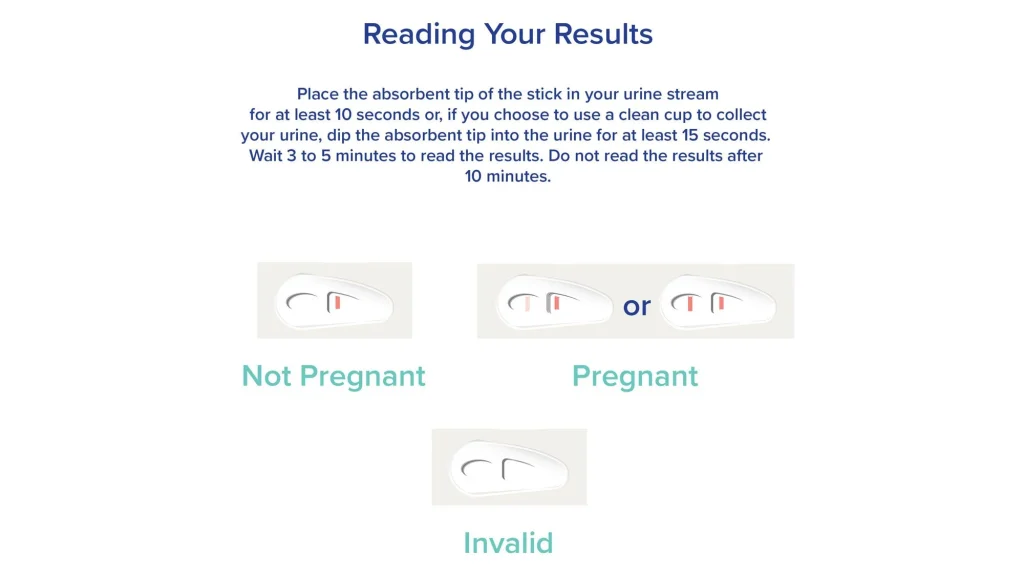
    Mosie Baby ovulation test kit with packaging and instructions on a pink background.

    and Ready for a Baby? Non-Invasive Insemination Can Help You Conceive

    The success rate of non-invasive insemination depends on various factors such as the age of the woman, the quality of sperm, and any underlying fertility issues. On average, the success rate of IUI is around 10-20% per cycle, but it can increase significantly with multiple cycles. It is essential to have realistic expectations and understand that it may take a few attempts before achieving a successful pregnancy.

    Non-invasive insemination is a safe and relatively painless procedure, and most women experience no side effects. Some may experience mild cramping or spotting, but these usually go away within a day or two. It is recommended to rest for a little while after the procedure, but you can resume your normal activities afterward.

    Non-invasive insemination can also be combined with fertility medications to stimulate ovulation, which can further increase the chances of pregnancy. However, it is essential to consult with your doctor before taking any medications and to follow their instructions carefully.

    In conclusion, non-invasive insemination is a viable option for couples struggling to conceive. It is a less invasive and more affordable alternative to other fertility treatments and has a higher success rate than natural conception. It is imperative to consult with a fertility specialist to determine if this is the right option for you and to understand the process thoroughly.

    If you are ready to start your journey towards parenthood, non-invasive insemination may be the solution you have been looking for. With advancements in technology, it is now possible for many couples to conceive and start a family. So, don’t lose hope, and consult with a fertility specialist to see if non-invasive insemination is the right choice for you.

  • Non-Invasive Insemination: A Breakthrough for Couples Facing Male Infertility

    Non-Invasive Insemination: A Breakthrough for Couples Facing Male Infertility

    Infertility is a deeply personal and often emotionally challenging experience for couples who are struggling to conceive. While there are various causes of infertility, male factor infertility accounts for about 40% of all infertility cases. Male infertility can be caused by a variety of factors such as low sperm count, poor sperm motility, or abnormal sperm function. In the past, these issues were often treated with invasive and expensive procedures, but with advancements in technology, there is now a breakthrough solution for couples facing male infertility – non-invasive insemination.

    Non-invasive insemination, also known as intracervical insemination or ICI, is a fertility treatment that involves placing washed and concentrated sperm directly into the cervix, bypassing the cervix and uterus. This method is less invasive and less expensive than other forms of assisted reproduction techniques, making it an attractive option for couples struggling with male factor infertility.

    How Non-Invasive Insemination Works

    Non-invasive insemination is a simple and painless procedure that can be completed in the comfort of a doctor’s office or at home with the use of a home insemination kit. Before the insemination, the male partner will provide a semen sample, which is then washed and concentrated to remove any impurities and to increase the number of healthy sperm. The sperm is then placed into a soft, flexible catheter, which is inserted into the woman’s vagina and guided through the cervix to deposit the sperm near the opening of the fallopian tubes. This process mimics the natural process of conception, where sperm travels through the cervix and uterus to reach the egg in the fallopian tubes.

    Benefits of Non-Invasive Insemination

    Mosie Baby ovulation test kit with packaging and instructions on a pink background.

    Non-Invasive Insemination: A Breakthrough for Couples Facing Male Infertility

    One of the main benefits of non-invasive insemination is that it is a simple and low-risk procedure. Unlike other assisted reproduction techniques, there is no need for anesthesia or surgical procedures. This makes it a more accessible option for couples, as it does not require a visit to a specialized fertility clinic. Non-invasive insemination is also less expensive compared to other fertility treatments, which is a significant factor for many couples who are already facing financial stress due to infertility.

    Another advantage of non-invasive insemination is that it can be done at home with a home insemination kit. This provides couples with a more private and intimate experience, which can be more comfortable for some. Home insemination kits are also more convenient, as they do not require multiple visits to a doctor’s office. However, it is essential to consult with a fertility specialist before attempting home insemination to ensure that it is the right option for you and your partner.

    Is Non-Invasive Insemination Right for You?

    Non-invasive insemination may be a suitable option for couples facing male factor infertility, but it is not suitable for everyone. It is essential to consult with a fertility specialist to determine the underlying cause of infertility and to discuss the best treatment options for you and your partner. If male factor infertility is the only issue, and the female partner has no other fertility concerns, non-invasive insemination may be a viable solution. However, if there are additional fertility issues, such as blocked fallopian tubes or ovulation problems, other fertility treatments may be recommended.

    In conclusion, non-invasive insemination is a breakthrough fertility treatment that offers hope to couples facing male factor infertility. It is a simple, low-risk, and less expensive option compared to other assisted reproduction techniques. With advancements in technology, non-invasive insemination has become a more accessible and convenient option for couples, whether done in a doctor’s office or at home with a home insemination kit. However, it is crucial to consult with a fertility specialist to determine if non-invasive insemination is the right option for you and your partner.

    SEO Metadata:

  • and Wanting to Preserve Your Fertility? Consider Non-Invasive Insemination

    Summary:

    In today’s society, more and more individuals are choosing to delay starting a family due to various reasons such as career goals, financial stability, or simply not finding the right partner. However, as age can greatly impact fertility, many individuals, especially women, are concerned about their ability to conceive later in life. Fortunately, advances in technology have made it possible for individuals to preserve their fertility through non-invasive insemination methods.

    Non-invasive insemination, also known as artificial insemination, is a procedure that involves placing sperm directly into the reproductive tract of a woman in order to facilitate fertilization. Unlike traditional methods of insemination, which require surgical procedures or invasive techniques, non-invasive insemination is a safe and minimally invasive option that can be done in the comfort of a doctor’s office.

    There are several reasons why individuals may choose non-invasive insemination as a means of preserving their fertility. One of the main reasons is age. As women age, their egg quality and quantity decrease, making it more difficult to conceive naturally. By preserving their fertility through non-invasive insemination, women can increase their chances of getting pregnant later in life.

    Another reason for choosing non-invasive insemination is medical conditions that may impact fertility. For example, individuals with endometriosis, a condition where tissue similar to the lining of the uterus grows outside of it, may experience difficulty getting pregnant. Non-invasive insemination can help bypass the affected areas and increase the chances of fertilization.

    Baby wearing a blue shirt with "made with Love" text, surrounded by colorful floral and butterfly designs.

    and Wanting to Preserve Your Fertility? Consider Non-Invasive Insemination

    Furthermore, non-invasive insemination can also be a viable option for same-sex couples and single individuals who wish to start a family. In these cases, donor sperm can be used in the insemination process, allowing individuals to have a biological connection to their child.

    One of the main benefits of non-invasive insemination is its simplicity and convenience. The procedure does not require anesthesia or any surgical incisions, making it less invasive and more comfortable for the patient. In addition, the procedure can be done quickly and does not require a long recovery time, allowing individuals to resume their daily activities shortly after the procedure.

    Moreover, non-invasive insemination is a cost-effective option compared to other fertility preservation methods such as in vitro fertilization (IVF). IVF involves retrieving eggs, fertilizing them in a laboratory, and then transferring them into the uterus, which can be a lengthy and expensive process. Non-invasive insemination, on the other hand, is a simpler and more affordable option for those looking to preserve their fertility.

    However, it is important to note that non-invasive insemination may not be suitable for everyone. It is best to consult with a fertility specialist to determine if this method is the right option for your individual situation.

    In conclusion, non-invasive insemination is a safe, convenient, and affordable method for preserving fertility. Whether you are looking to delay starting a family, have a medical condition that impacts fertility, or are a same-sex couple or single individual, non-invasive insemination can help increase your chances of conceiving. Consult with a fertility specialist to see if this method is right for you and take a step towards preserving your fertility.

  • The Role of Non-Invasive Insemination in Modern Fertility Treatments

    The Role of Non-Invasive Insemination in Modern Fertility Treatments

    In the world of fertility treatments, there are a variety of options available for individuals and couples struggling to conceive. One of the most popular and effective methods is non-invasive insemination, also known as artificial insemination or intrauterine insemination (IUI). This method has been used for decades and has evolved significantly, becoming a highly successful and affordable option for many individuals and couples. In this blog post, we will discuss the role of non-invasive insemination in modern fertility treatments, its benefits, and how it has revolutionized the way we approach fertility.

    Understanding Non-Invasive Insemination

    Non-invasive insemination is a procedure that involves placing sperm directly into a woman’s uterus during her ovulation period. The sperm can come from a partner, a donor, or a sperm bank. Unlike other fertility treatments, non-invasive insemination does not require any surgical procedures or complex medical interventions. Instead, it involves a simple and painless process that can be completed in a doctor’s office.

    The Evolution of Non-Invasive Insemination

    Non-invasive insemination has been around for many years, but it has undergone significant advancements in recent years. In the past, the success rate of this procedure was relatively low, making it a less popular option among couples struggling with fertility issues. However, with advancements in technology and techniques, the success rate of non-invasive insemination has increased significantly.

    One of the key developments in non-invasive insemination is the use of fertility drugs to stimulate ovulation. These drugs help to increase the chances of successful insemination by producing more eggs during a woman’s ovulation period. Additionally, the introduction of advanced sperm washing techniques has also improved the success rate of this procedure. Sperm washing involves separating the most active and healthy sperm from the semen, reducing the risk of infection and increasing the chances of successful insemination.

    The Benefits of Non-Invasive Insemination

    at-home insemination kit by Mosie Baby, featuring syringes, collection cups, and instructions on a pink background.

    The Role of Non-Invasive Insemination in Modern Fertility Treatments

    Non-invasive insemination offers several benefits that make it a popular choice among individuals and couples seeking fertility treatments. One of the main benefits is that it is a relatively simple and affordable procedure compared to other fertility treatments. It does not require any anesthesia or surgery, making it a less invasive option, and it can be performed in a doctor’s office.

    Moreover, non-invasive insemination is a less time-consuming procedure, with most appointments lasting only a few minutes. The success rate of this procedure is also significantly higher than in the past, with studies showing a success rate of up to 20% per cycle. This means that couples can try multiple times, increasing their chances of successful conception.

    Non-invasive insemination also offers a more natural approach to fertility treatments, as it does not involve any complex medical interventions. This makes it a popular choice for individuals and couples who prefer a more holistic approach to their fertility journey.

    Who Can Benefit from Non-Invasive Insemination?

    Non-invasive insemination is a suitable option for a wide range of individuals and couples struggling with fertility issues. It can be used for individuals with unexplained infertility, mild male factor infertility, and cervical factor infertility. It is also a viable option for same-sex couples and single women who wish to have a child.

    Additionally, non-invasive insemination can also be used by couples who are undergoing in vitro fertilization (IVF) treatments. It can be used alongside IVF to increase the chances of successful conception or as a backup option if IVF is not successful.

    In Summary

    Non-invasive insemination has come a long way in the world of fertility treatments. With advancements in technology and techniques, it has become a highly successful and affordable option for individuals and couples struggling with fertility issues. Its benefits, including its simplicity, affordability, and relatively high success rate, make it a popular choice among many. Non-invasive insemination offers a more natural and less invasive approach to fertility treatments, making it a viable option for a wide range of individuals and couples.

  • and Beyond: Non-Invasive Insemination for Women in Their 40s and 50s

    Summary:

    In today’s society, women are choosing to have children later in life for various reasons such as career advancement, financial stability, and personal choice. However, as women age, their fertility declines, making it more difficult to conceive naturally. This has led to an increase in the use of assisted reproduction techniques, one of which is non-invasive insemination.

    Non-invasive insemination, also known as intrauterine insemination (IUI), is a procedure where sperm is placed directly into a woman’s uterus during ovulation. This method is less invasive and less expensive than other assisted reproductive techniques such as in-vitro fertilization (IVF). It has been a popular choice for women in their 40s and 50s who are trying to conceive.

    The main reason for the popularity of non-invasive insemination among women in their 40s and 50s is that it can help overcome age-related fertility issues. As women age, their ovarian reserve decreases, and the quality of their eggs declines, making it harder to conceive naturally. Non-invasive insemination bypasses the need for fertilization to happen in the fallopian tubes, where many age-related fertility issues arise. This increases the chances of successful fertilization and pregnancy.

    Moreover, non-invasive insemination is a less stressful and more comfortable option for women who have been trying to conceive for a long time. Many women in their 40s and 50s may have undergone several unsuccessful fertility treatments, causing physical and emotional strain. Non-invasive insemination offers a less invasive and more relaxed procedure, making it a more appealing option for women in their advanced maternal age.

    Mosie Baby kit with two jars, a syringe, and a supportive message card inside a colorful box.

    and Beyond: Non-Invasive Insemination for Women in Their 40s and 50s

    Another advantage of non-invasive insemination is that it allows women to use donor sperm if necessary. As women reach their 40s and 50s, their partners may also be in the same age bracket, and their sperm quality may have declined. In such cases, using donor sperm can increase the chances of successful fertilization and pregnancy. Non-invasive insemination allows for the use of donor sperm, making it a viable option for women who want to conceive later in life.

    Non-invasive insemination also has a higher success rate compared to natural conception in women over 40. According to the American Society for Reproductive Medicine, the success rate for non-invasive insemination in women aged 41-42 is around 6-8% per cycle, which is higher than the 3-5% chance of conceiving naturally. This success rate increases to 10-20% for women aged 43-44 and up to 30-40% for women aged 45-49.

    While non-invasive insemination has its advantages, it is not suitable for everyone. Women who have blocked fallopian tubes, severe endometriosis, or a history of pelvic infections may not benefit from this procedure. Also, women with a low ovarian reserve or those who have experienced early menopause may not be good candidates for non-invasive insemination.

    It is essential to consult with a fertility specialist to determine if non-invasive insemination is the right option for you. The specialist will assess your medical history, perform a fertility evaluation, and discuss the potential risks and success rates of the procedure. They will also provide guidance on how to increase your chances of success, such as tracking ovulation and following a healthy lifestyle.

    In conclusion, non-invasive insemination is a viable option for women in their 40s and 50s who are trying to conceive. It offers a less invasive and more comfortable procedure, increases the chances of successful fertilization, and allows for the use of donor sperm. However, it is essential to understand that each woman’s fertility journey is unique, and what may work for one may not work for another. Consulting with a fertility specialist is crucial in making an informed decision about the best treatment option for you.

    In summary, non-invasive insemination is a popular option for women in their 40s and 50s who are trying to conceive. It offers numerous advantages, including overcoming age-related fertility issues, being less invasive and more comfortable, and allowing for the use of donor sperm. However, it is not suitable for everyone, and consulting with a fertility specialist is crucial in determining if it is the right treatment option for you.