Blog Post:
In recent years, there has been a growing trend towards home insemination as a more affordable and accessible option for individuals and couples looking to start a family. With the high costs associated with traditional fertility treatments, many people are turning to home insemination as a more budget-friendly alternative. However, while home insemination may seem like a more affordable option, there are still financial considerations to keep in mind. In this blog post, we will explore the financial aspect of home insemination and provide a starter pack for budgeting.
Understanding the Costs of Home Insemination
Before diving into the budgeting aspect, it’s important to have a basic understanding of the costs associated with home insemination. The main expenses include purchasing donor sperm, ovulation kits, and any necessary medical supplies. Additionally, some people may opt to use at-home insemination kits or consult with a fertility specialist, which can also add to the overall cost.
Purchasing Donor Sperm
One of the primary expenses when it comes to home insemination is purchasing donor sperm. The cost of donor sperm can vary greatly depending on the source and quality of the sperm. On average, a vial of donor sperm can cost anywhere from $500 to $1,000. It’s important to do thorough research and compare prices from different sperm banks to find the best deal for your budget.
Ovulation Kits
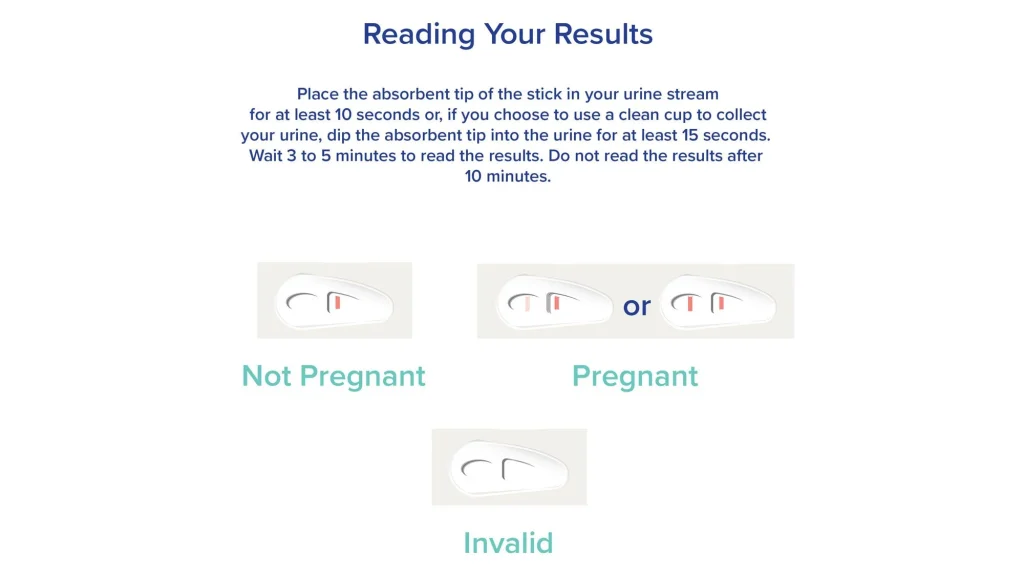
Another necessary expense for home insemination is ovulation kits. These kits are used to track ovulation and determine the best time for insemination. A basic ovulation kit can cost around $20 to $40, but more advanced kits with additional features can cost up to $100. It’s important to note that ovulation kits may need to be purchased multiple times, depending on how long the insemination process takes.
Medical Supplies
Depending on the home insemination method chosen, there may also be the need to purchase medical supplies such as syringes, catheters, and speculums. These supplies can typically be purchased at a medical supply store and may cost around $20 to $50.
At-Home Insemination Kits
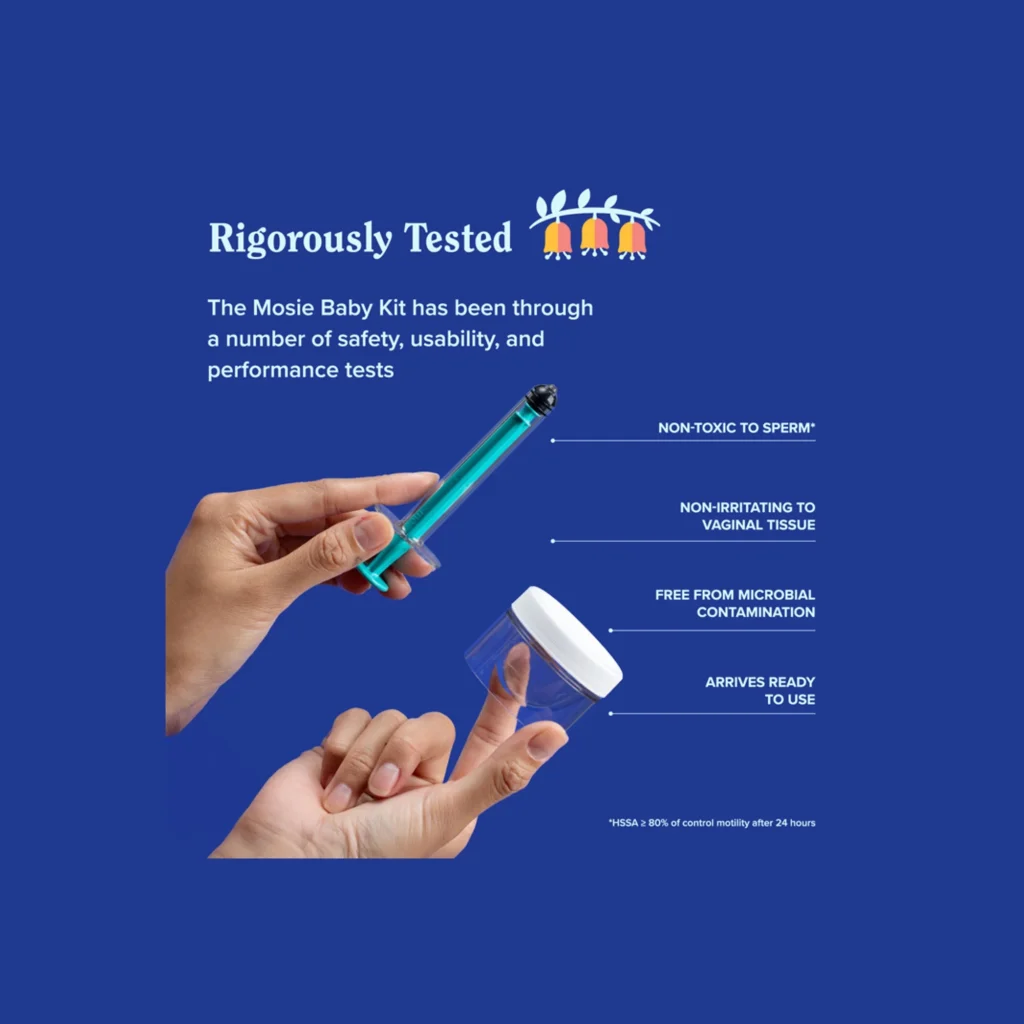
For those who are new to home insemination, at-home insemination kits may seem like a convenient and cost-effective option. These kits typically include all the necessary supplies for insemination, such as a syringe, catheter, and ovulation predictor kit. However, these kits can be quite expensive and may cost upwards of $200. It’s important to weigh the convenience against the cost and determine if purchasing individual supplies would be a more budget-friendly option.

The Financial Aspect of Home Insemination: A Starter Pack for Budgeting
Consulting with a Fertility Specialist
Some individuals or couples may choose to consult with a fertility specialist for guidance on the home insemination process. While this can be a helpful resource, it can also add to the overall cost. The cost of a consultation with a fertility specialist can range from $100 to $500, depending on the location and the specialist’s fees.
Budgeting Tips for Home Insemination
Now that we have a better understanding of the potential costs associated with home insemination, let’s explore some budgeting tips to help keep expenses in check.
1. Plan Ahead
Planning ahead is crucial when it comes to budgeting for home insemination. Take the time to research and compare prices for donor sperm and ovulation kits. Additionally, consider looking for sales or discounts, which may help lower the overall costs.
2. Consider Alternative Sources for Donor Sperm
Sperm banks are not the only source for donor sperm. Some individuals or couples may choose to use a known donor, which can significantly lower the costs. However, it’s important to keep in mind the potential legal and emotional implications of using a known donor.
3. Explore DIY Methods
While at-home insemination kits may seem like the most convenient option, it’s important to consider if purchasing individual supplies and assembling a DIY kit would be a more budget-friendly option. Additionally, some medical supplies can be purchased at a lower cost from online retailers.
4. Look into Financing Options
For those who may not have the funds available to cover the full cost of home insemination, there are financing options available. Some sperm banks offer financing plans or payment options, and there are also organizations and grants that provide financial assistance for those undergoing fertility treatments.
5. Keep Detailed Records
Keeping detailed records of all expenses related to home insemination can help with budgeting and ensure that no costs are overlooked. This can also be helpful for tax purposes, as some expenses may be tax-deductible.
Summary:
Home insemination can be a more affordable option for individuals and couples looking to start a family. However, there are still financial considerations to keep in mind. The main expenses include purchasing donor sperm, ovulation kits, and any necessary medical supplies. To budget effectively for home insemination, it’s important to plan ahead, consider alternative sources for donor sperm, explore DIY methods, look into financing options, and keep detailed records of expenses.