Category: MosieBaby

Mosie baby at home insemination syringe kit

  • Syringe Method vs. Medical Insemination: Which is the Better Option for You?

    Syringe Method vs. Medical Insemination: Which is the Better Option for You?

    When it comes to trying to conceive, there are various methods that individuals and couples can explore. Two popular options are the syringe method and medical insemination. Both involve the insertion of semen into the vagina, but the processes and circumstances surrounding them are quite different. In this blog post, we will take a closer look at these two methods and discuss their pros and cons, as well as which one may be the better option for you.

    Understanding the Syringe Method

    The syringe method, also known as the “turkey baster” method, involves using a syringe without a needle to insert semen into the vagina. This method can be done at home, without the need for medical assistance. It is often used by same-sex couples or individuals who are trying to conceive without a partner.

    The process of the syringe method is fairly simple. The semen is collected in a sterile cup or condom and then drawn into a syringe. The syringe is then inserted into the vagina and the semen is released. Some people prefer to lie down with their hips elevated for a few minutes after the insemination to increase the chances of sperm reaching the cervix.

    Benefits of the Syringe Method

    One of the main benefits of the syringe method is that it can be done at home, in the comfort and privacy of one’s own space. There is no need to schedule appointments or involve medical professionals. It is also a more affordable option compared to medical insemination.

    Another advantage is that the syringe method allows for more control over the timing of the insemination. Couples can choose to inseminate during the most fertile days of the woman’s cycle, increasing the chances of conception. This method also allows for the use of fresh semen, which may have a higher sperm count compared to frozen samples used in medical insemination.

    Drawbacks of the Syringe Method

    While the syringe method may seem like a convenient and affordable option, there are some potential drawbacks to consider. One of the main concerns is the risk of infection. Without proper medical guidance and equipment, there is a higher chance of introducing bacteria into the vagina, which can lead to infections.

    Another drawback is the lack of medical supervision. In case of any complications or difficulties, there is no medical professional present to provide assistance. This can be particularly concerning for individuals or couples with underlying fertility issues.

    mosie baby logo featuring a heart and leaves in blue, pink, and green colors.

    Syringe Method vs. Medical Insemination: Which is the Better Option for You?

    Understanding Medical Insemination

    Medical insemination, also known as intrauterine insemination (IUI), is a fertility treatment performed by a medical professional. It involves the insertion of washed and concentrated sperm directly into the uterus, bypassing the cervix. This method is often used for individuals or couples with fertility issues, such as low sperm count or motility.

    The process of medical insemination involves monitoring the woman’s cycle and timing the insemination to coincide with ovulation. The sperm is prepared in a laboratory and then inserted into the uterus using a catheter. Medical insemination can be done with the partner’s sperm or donor sperm.

    Benefits of Medical Insemination

    One of the main advantages of medical insemination is the higher success rates compared to the syringe method. The sperm is placed directly into the uterus, increasing the chances of fertilization. This method also allows for the use of donor sperm, which may be necessary for individuals or couples with fertility issues.

    Another benefit of medical insemination is the medical supervision. A trained professional is present during the procedure and can provide guidance and support throughout the fertility treatment process. This can be particularly beneficial for those with underlying fertility issues.

    Drawbacks of Medical Insemination

    One of the main drawbacks of medical insemination is the cost. It is a more expensive option compared to the syringe method, and insurance coverage may vary. The process also involves multiple appointments and can be time-consuming. Additionally, there is a risk of multiple pregnancies with medical insemination, which may not be desired by some individuals or couples.

    Which Option is Right for You?

    Both the syringe method and medical insemination have their own set of pros and cons. Ultimately, the right option for you will depend on your individual circumstances and preferences. Couples who are trying to conceive without fertility issues may find the syringe method to be a more convenient and affordable option. However, for those with fertility issues, medical insemination may be the better choice for higher success rates.

    It is also important to consider the risks and benefits of each method and consult with a medical professional before making a decision. They can provide personalized guidance and recommendations based on your specific situation.

    In summary, the syringe method and medical insemination are two viable options for individuals and couples looking to conceive. Each has its own set of benefits and drawbacks, and the right choice will depend on individual circumstances. It is important to carefully consider all factors and consult with a medical professional before deciding on a method.

  • Surprising Facts About At-Home Insemination with the Syringe Method

    Summary:

    At-home insemination with the syringe method is an alternative option for individuals and couples who are looking to conceive without the use of traditional medical procedures. This method involves manually inserting sperm into the vagina using a syringe, and while it may seem unconventional, it has been found to be effective and safe for many families. In this blog post, we will explore some surprising facts about at-home insemination with the syringe method, including its success rates, benefits, and potential challenges. We hope that this information will help individuals and couples make informed decisions about their family planning journey.

    Fact 1: The Success Rates are Similar to Medical Procedures

    One of the most surprising facts about at-home insemination with the syringe method is that it has similar success rates to traditional medical procedures. Studies have found that the success rates for at-home insemination range from 10-15% per cycle, which is comparable to the success rates of intrauterine insemination (IUI) and in vitro fertilization (IVF). This is good news for individuals and couples who are looking for a more affordable and less invasive option for conception.

    Fact 2: It Can Be Done With or Without a Partner

    Another surprising fact about at-home insemination with the syringe method is that it can be done with or without a partner. While many couples choose to do the procedure together, it is also a great option for single individuals or same-sex couples who may not have a male partner. In these cases, sperm can be obtained from a sperm bank or a known donor, and the procedure can be done at home with the help of a friend or a fertility specialist.

    Fact 3: Timing is Crucial for Success

    Timing is crucial for any method of conception, and the same goes for at-home insemination with the syringe method. In order for sperm to have the best chance of fertilizing an egg, it needs to be inserted into the vagina as close to ovulation as possible. This means tracking ovulation using methods such as basal body temperature charting or ovulation predictor kits. It is recommended to do the procedure within 12-24 hours of ovulation for the best chances of success.

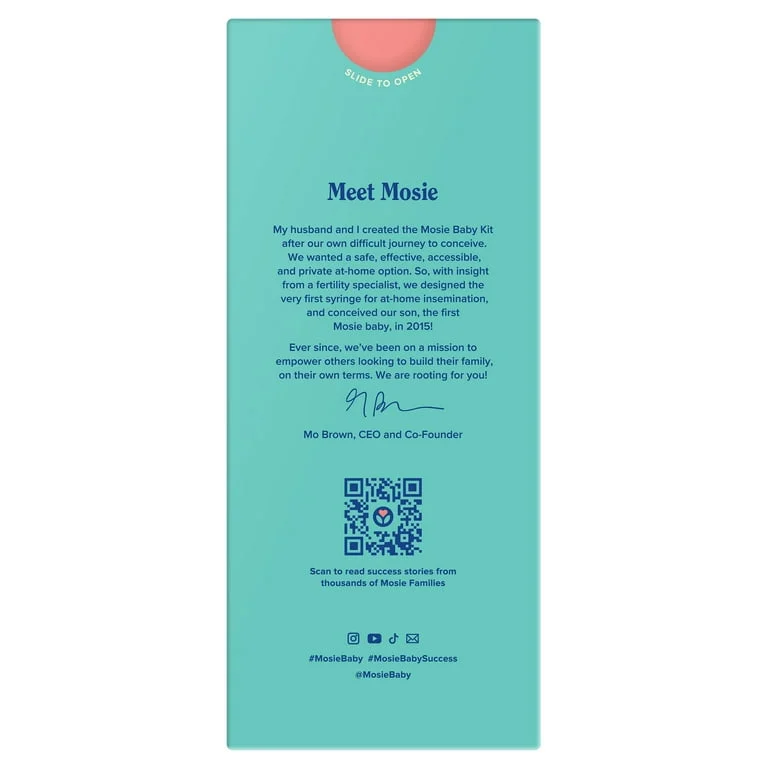
    Informative card introducing the Mosie Baby Kit and its mission for at-home insemination.

    Surprising Facts About At-Home Insemination with the Syringe Method

    Fact 4: It Can Be Done With Fresh or Frozen Sperm

    Another surprising fact about at-home insemination with the syringe method is that it can be done with either fresh or frozen sperm. Fresh sperm can be obtained from a known donor or a fertility clinic, while frozen sperm can be purchased from a sperm bank. Both options have been found to be effective, but frozen sperm may have a slightly lower success rate due to the freezing and thawing process. It is important to discuss the pros and cons of each option with a fertility specialist before making a decision.

    Fact 5: It Can Be More Affordable Than Traditional Medical Procedures

    One of the biggest benefits of at-home insemination with the syringe method is that it can be more affordable than traditional medical procedures. While the cost of sperm and fertility supplies may add up, it is still significantly less expensive than IUI or IVF. This makes it a more accessible option for individuals and couples who may not have the financial means to undergo traditional medical procedures.

    Fact 6: It Can Be More Private and Comfortable

    Another surprising fact about at-home insemination with the syringe method is that it can be a more private and comfortable experience for individuals and couples. Some people may feel uncomfortable with the idea of undergoing medical procedures for conception, and at-home insemination allows for a more intimate and private experience. This can also be beneficial for individuals or couples who may have experienced trauma or discomfort in medical settings.

    Fact 7: It May Not Be Suitable for Everyone

    While at-home insemination with the syringe method can be a great option for many families, it may not be suitable for everyone. It is important to consult with a fertility specialist or reproductive endocrinologist to determine if this method is a good fit for your specific situation. Factors such as fertility issues, underlying medical conditions, and age may impact the success rates of at-home insemination.

    In conclusion, at-home insemination with the syringe method is a viable and effective option for individuals and couples who are looking to conceive. Its success rates, affordability, and comfort make it an attractive alternative to traditional medical procedures. However, it is important to do thorough research and consult with a fertility specialist before embarking on this journey. With the right information and support, at-home insemination can be a successful and fulfilling path to parenthood.

  • The Importance of Self-Care During At-Home Insemination with the Syringe Method

    Blog post:

    With the rise of at-home insemination methods, more and more people are turning to the syringe method as a cost-effective and accessible way to start a family. However, while the process may seem straightforward, it is important to prioritize self-care during this journey.

    At-home insemination with the syringe method involves using a sterile syringe to deposit sperm into the vagina, bypassing the need for intercourse. This method can be used by same-sex couples, single individuals, or heterosexual couples dealing with fertility issues. It offers a sense of control and privacy, but it can also bring about emotional and physical challenges. That’s why taking care of oneself is crucial for a successful and positive experience.

    Here are some reasons why self-care is important during at-home insemination with the syringe method:

    1. Emphasizes mindfulness and relaxation
    The process of at-home insemination can be stressful and overwhelming, especially for those who are doing it for the first time. This is why self-care practices such as mindfulness and relaxation techniques can be beneficial. Taking deep breaths, practicing meditation or yoga, or simply taking a break from the process can help reduce anxiety and promote a sense of calmness.

    2. Promotes physical well-being
    At-home insemination with the syringe method can be physically demanding. It involves tracking ovulation, preparing the sperm, and inserting the syringe correctly. It is essential to prioritize physical well-being during this process to avoid exhaustion and injuries. This can include getting enough rest, eating a balanced diet, and staying hydrated. It is also important to listen to your body and take breaks when needed.

    Home insemination kit by Mosie Baby with instructions and colorful packaging.

    The Importance of Self-Care During At-Home Insemination with the Syringe Method

    3. Encourages emotional support
    The journey of at-home insemination can bring about a range of emotions, from excitement and hope to frustration and disappointment. It is important to have emotional support during this time, whether it be from a partner, family or friends, or a therapist. It is also helpful to join online support groups or forums to connect with others who are going through a similar experience. Having a strong support system can help manage emotions and provide a sense of comfort and understanding.

    4. Reduces stress and anxiety
    The process of at-home insemination can be stressful, and stress can have a negative impact on fertility. It is crucial to find ways to reduce stress and anxiety during this time. This can include practicing relaxation techniques, talking to a therapist, or engaging in activities that bring joy and relaxation. Reducing stress can also help improve the success rate of at-home insemination.

    5. Fosters self-compassion and acceptance
    At-home insemination can bring about feelings of disappointment and self-doubt, especially if the process is not successful. It is important to practice self-compassion and acceptance during this time. Acknowledge that this process can be challenging and that it is okay to feel a range of emotions. Be kind to yourself and remember that it is not a reflection of your worth or capabilities. Self-care practices such as positive affirmations and self-care rituals can help foster self-compassion and acceptance.

    6. Enhances the overall experience
    Prioritizing self-care during at-home insemination can enhance the overall experience. It can help individuals feel more in control and empowered, reduce stress and anxiety, and promote a sense of well-being. It can also make the process more enjoyable and help individuals feel more connected to their bodies and their partner.

    In conclusion, self-care is crucial during at-home insemination with the syringe method. It promotes physical and emotional well-being, reduces stress and anxiety, and enhances the overall experience. Remember to take breaks, practice relaxation techniques, seek emotional support, and be kind to yourself throughout the process.

    Summary:

    At-home insemination with the syringe method is a popular option for starting a family, but it can bring about emotional and physical challenges. That’s why self-care is crucial during this journey. Prioritizing mindfulness, physical well-being, emotional support, stress reduction, self-compassion, and enhancing the overall experience are all important aspects of self-care during at-home insemination.

  • Syringe Method for At-Home Insemination: A Step Towards Gender Equality in Reproductive Rights

    Blog Post:

    In a world where reproductive rights are still heavily skewed towards cisgender heterosexual couples, the Syringe Method for At-Home Insemination offers a glimmer of hope for gender equality. This method allows individuals or couples to perform insemination at home, without the need for expensive medical procedures or the involvement of a third-party donor. By reclaiming control over their reproductive choices, individuals and couples can take a step towards equal access to reproductive rights.

    The Syringe Method, also known as the “Turkey Baster Method,” involves using a sterile syringe to deposit semen into the vagina or cervix. This can be done with fresh or frozen sperm, either from a known donor or a sperm bank. While it may sound simple, there are important steps that need to be followed to ensure the best chances of success.

    Step 1: Understanding Ovulation

    The first step in the Syringe Method is to understand the ovulation cycle. Ovulation is the release of an egg from the ovary, which typically occurs around day 14 of a 28-day menstrual cycle. However, ovulation can vary from person to person, and tracking one’s ovulation using methods such as basal body temperature or ovulation predictor kits can help determine the best time for insemination.

    Step 2: Preparing the Sperm

    Before insemination, the sperm needs to be prepared for optimal motility. This can be done by thawing frozen sperm or obtaining fresh semen from a donor. If using frozen sperm, it is important to follow the instructions provided by the sperm bank for thawing and preparing the sample.

    Step 3: Preparing the Syringe

    The syringe used for insemination should be sterile and free of any air bubbles. It is important to choose the correct size of the syringe, as a larger syringe may cause discomfort during insertion. The syringe should also be filled with sperm and kept at room temperature for about 20 minutes to allow the sperm to adjust to the temperature of the body.

    Step 4: Insertion

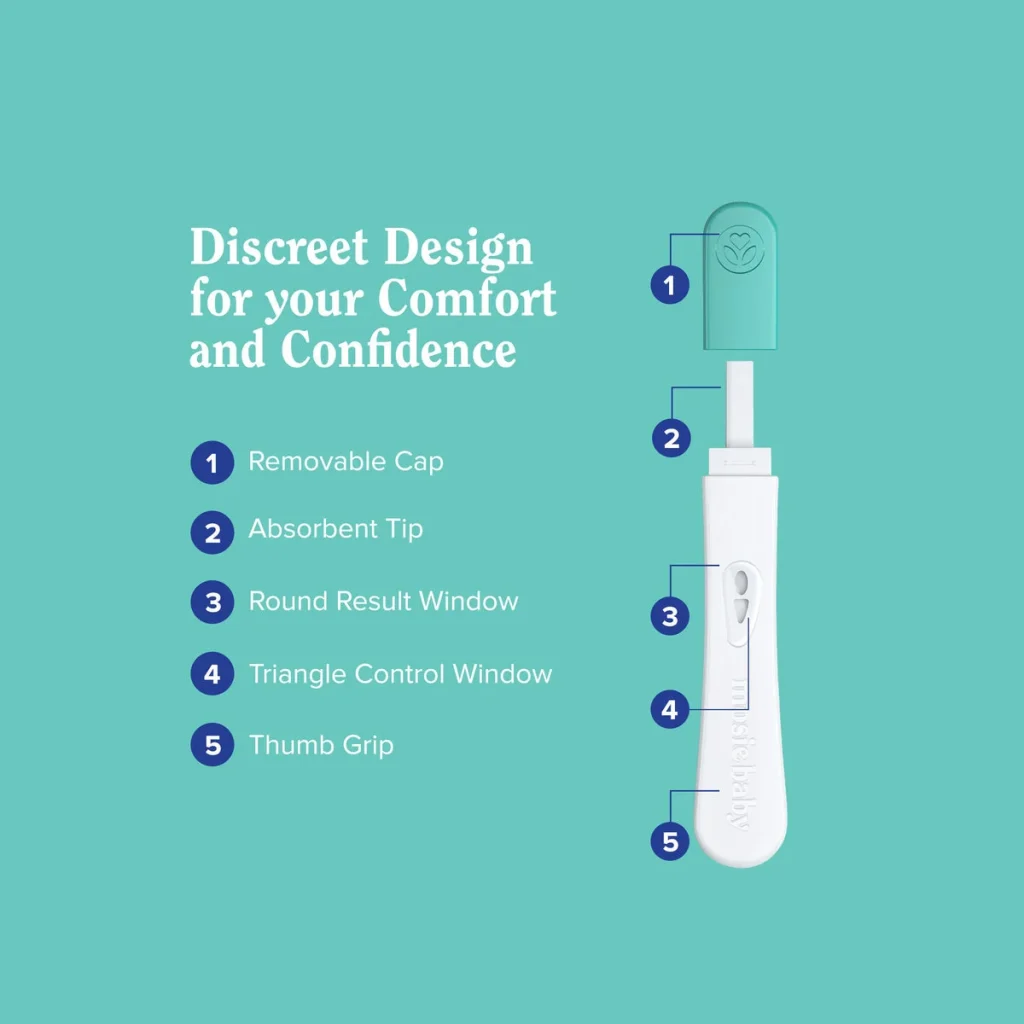
    pregnancy test kit features labeled for comfort and confidence on a teal background

    Syringe Method for At-Home Insemination: A Step Towards Gender Equality in Reproductive Rights

    Once the syringe and sperm are prepared, it is time for insertion. The person receiving the insemination can choose whether to insert the syringe into the vagina or directly into the cervix. It is recommended to do this in a comfortable position, such as lying down with the hips elevated. The syringe should be inserted slowly and gently, and the sperm should be released slowly to avoid any discomfort.

    Step 5: Post-Insemination Care

    After insemination, it is important to remain lying down for at least 15 minutes to allow the sperm to reach the cervix. It is also recommended to use a menstrual cup or soft cup to keep the sperm close to the cervix for a longer period of time. Some people also choose to use a fertility-friendly lubricant to aid in the process. It is important to avoid any activities that may cause the sperm to leak out, such as standing, walking, or using the bathroom.

    Success Rates and Considerations

    While the Syringe Method has been shown to be successful for many individuals and couples, it is important to note that success rates may vary. Factors such as age, fertility status, and timing of insemination can all play a role in the success of the method. It is also important to keep in mind that the Syringe Method does not offer the same level of medical support and monitoring as a clinical insemination, and it may not be suitable for everyone.

    The Syringe Method and Gender Equality

    One of the most significant benefits of the Syringe Method is the control it gives individuals and couples over their reproductive choices. By performing insemination at home, they can avoid the costly and often invasive procedures involved in clinical insemination. This method also eliminates the need for a third-party donor, allowing individuals and couples to use the sperm of their choosing.

    Moreover, the Syringe Method can be particularly empowering for LGBTQ+ individuals and couples who may face discrimination or barriers when seeking reproductive assistance. It offers a more accessible and affordable option for those who want to start or expand their families.

    In conclusion, the Syringe Method for At-Home Insemination is a step towards gender equality in reproductive rights. It allows individuals and couples to reclaim control over their reproductive choices and offers a more accessible and affordable option for starting or expanding their families. While it may not be suitable for everyone, this method offers hope for a more inclusive and equal future in the realm of reproductive rights.

    Summary:

    The Syringe Method for At-Home Insemination, also known as the “Turkey Baster Method,” is a simple and affordable way for individuals and couples to perform insemination at home. It involves using a sterile syringe to deposit sperm into the vagina or cervix, and it has been shown to be successful for many people. By understanding ovulation, preparing the sperm and syringe, and following post-insemination care, individuals and couples can increase their chances of success. This method also offers a more accessible and empowering option for LGBTQ+ individuals and couples, and it is a step towards gender equality in reproductive rights.

  • Tips for Finding Support and Resources for At-Home Insemination with the Syringe Method

    Blog Post:

    At-home insemination with the syringe method can be an affordable and convenient option for individuals and couples looking to start a family. However, it can also be a confusing and overwhelming process, especially when it comes to finding support and resources. In this blog post, we will discuss some tips for finding the necessary support and resources for at-home insemination with the syringe method.

    1. Research and Educate Yourself

    The first step in finding support and resources for at-home insemination is to research and educate yourself on the process. There are many online resources, such as blogs, forums, and educational websites, that can provide valuable information on the syringe method and how to properly perform it. Additionally, reading books or articles written by experts can be beneficial in understanding the process and any potential risks or precautions.

    2. Join Online Communities

    Joining online communities can be a great way to find support and connect with others who have experience with at-home insemination. There are various forums and social media groups dedicated to individuals and couples going through the same process. These communities can provide a safe space to ask questions, share experiences, and receive support and advice from others who have been through or are currently going through the same journey.

    3. Consult with a Doctor

    While at-home insemination can be done without the help of a doctor, it is always best to consult with a medical professional before starting the process. They can provide guidance on the proper techniques and also perform necessary tests to ensure the process is safe for both the donor and recipient. Doctors can also provide resources and referrals to reputable sperm banks if needed.

    4. Find a Sperm Donor

    pregnancy test kit with instructions, test device, and packaging on a white background

    Tips for Finding Support and Resources for At-Home Insemination with the Syringe Method

    Finding a suitable sperm donor is a crucial step in the at-home insemination process. There are various options for finding a donor, such as using a known donor, using a sperm bank, or finding a donor through online communities or forums. It is important to thoroughly research and vet any potential donors to ensure they are healthy and have undergone necessary testing.

    5. Seek Counseling

    Insemination can be an emotional and stressful process, and it is essential to seek counseling if needed. Counseling can provide a safe space to discuss any fears, concerns, or doubts and can also help prepare for the emotional journey of parenthood. Additionally, some clinics or sperm banks may offer counseling services as part of their support for at-home insemination.

    6. Attend Workshops or Support Groups

    Attending workshops or support groups specifically designed for at-home insemination can be beneficial in finding support and resources. These events often include educational sessions, group discussions, and the opportunity to connect with others going through the same process. They can also provide valuable information on the latest techniques and advancements in the field.

    7. Consider Legal Advice

    Before starting the insemination process, it is essential to consider the legal implications and seek legal advice if needed. This is especially important for same-sex couples or single individuals who may have different legal rights and regulations regarding parenthood. Consulting with a lawyer can help ensure that all parties involved are legally protected.

    Summary:

    At-home insemination with the syringe method can be a daunting process, but with the right support and resources, it can be a successful and rewarding journey. By researching and educating yourself, joining online communities, consulting with a doctor, finding a suitable sperm donor, seeking counseling, attending workshops or support groups, and considering legal advice, you can find the necessary support and resources for at-home insemination with the syringe method.

  • Syringe Method for At-Home Insemination: A Natural Alternative to Medical Procedures

    Are you and your partner trying to conceive, but facing barriers to traditional medical procedures? Have you considered the syringe method for at-home insemination as a natural alternative? This method has been gaining popularity as a safe and effective way to increase the chances of conception without the need for expensive treatments or invasive procedures. In this blog post, we will discuss the syringe method, its benefits, and how to properly use it for at-home insemination.

    What is the Syringe Method?

    The syringe method, also known as the “turkey baster” method, is a simple and natural way of insemination at home. It involves using a sterile syringe to collect semen from the male partner and then inserting it into the female partner’s vagina in order to fertilize the egg. This method mimics the natural process of sperm entering the cervix during intercourse, but without the need for penetration.

    Benefits of the Syringe Method

    One of the biggest benefits of the syringe method is its affordability. Medical procedures such as intrauterine insemination (IUI) or in vitro fertilization (IVF) can cost thousands of dollars, making them inaccessible for many couples. The syringe method, on the other hand, only requires the purchase of a sterile syringe, which can be found at most pharmacies for a fraction of the cost.

    Another benefit is the privacy and comfort of performing the insemination at home. For some couples, medical procedures can be intimidating and uncomfortable. With the syringe method, the process can be done in the comfort and privacy of one’s own home, allowing for a more relaxed and intimate experience.

    Additionally, the syringe method is a natural alternative that does not involve the use of hormones or other medications. This can be appealing for couples who prefer a more holistic approach to conception.

    How to Use the Syringe Method

    Baby with blue eyes wearing a light blue onesie that says "made with Love" on a soft white background.

    Syringe Method for At-Home Insemination: A Natural Alternative to Medical Procedures

    Before attempting the syringe method, it is important to consult with a healthcare provider to ensure that both partners are healthy and capable of conceiving. It is also recommended to track ovulation and have intercourse a few days before and after ovulation to increase the chances of conception.

    To perform the syringe method, follow these steps:

    1. Collect the semen. The male partner can collect semen either through masturbation or by using a sterile condom during intercourse.

    2. Prepare the syringe. Make sure to use a new, sterile syringe for each attempt. Remove the needle and attach a sterile catheter tip or cut off the tip of the syringe to create a smooth, rounded edge.

    3. Insert the syringe into the vagina. The female partner can lie on her back with her hips slightly elevated to make it easier to insert the syringe. Slowly insert the syringe into the vagina and deposit the semen near the cervix.

    4. Remain in position for a few minutes. After depositing the semen, the female partner can remain lying down for a few minutes to allow the sperm to travel towards the cervix.

    It is important to note that the success rate of the syringe method is lower than medical procedures, but the chances of conception can increase with multiple attempts.

    In summary, the syringe method for at-home insemination is a natural and affordable alternative to traditional medical procedures. Its benefits include privacy, comfort, and a more holistic approach to conception. With proper preparation and technique, this method can be a safe and effective way for couples to increase their chances of conceiving without the need for invasive procedures.

  • The Future of Insemination: How the Syringe Method is Changing the Game

    Blog Post: The Future of Insemination: How the Syringe Method is Changing the Game

    Insemination, or the process of introducing sperm into the female reproductive tract, has been used for centuries to help couples struggling with infertility or same-sex couples wanting to start a family. However, the traditional methods of insemination, such as intrauterine insemination (IUI) and in vitro fertilization (IVF), can be costly and invasive. This has led to the emergence of a new and innovative method of insemination – the syringe method. In this blog post, we will explore how the syringe method is changing the game in the world of insemination and what the future holds for this revolutionary technique.

    What is the Syringe Method?

    The syringe method, also known as intracervical insemination (ICI), is a simple and non-invasive method of insemination. It involves the use of a sterile syringe to deposit sperm directly into the cervix, bypassing the need for invasive procedures like IUI or IVF. This method can be done at home or in a clinical setting, making it a convenient and cost-effective option for many individuals and couples.

    How is the Syringe Method Different from Traditional Methods?

    One of the main differences between the syringe method and traditional methods of insemination is the cost. IUI and IVF can cost thousands of dollars, making it unaffordable for many people. On the other hand, the syringe method is relatively inexpensive and can be done at home, eliminating the need for expensive medical procedures.

    Moreover, the syringe method is also less invasive compared to IUI and IVF. With IUI, a catheter is used to insert the sperm into the uterus, which can be uncomfortable and even painful for some. IVF, on the other hand, involves harvesting eggs and fertilizing them in a laboratory before transferring them into the uterus. This process can be physically and emotionally taxing for many individuals. The syringe method, on the other hand, only requires the insertion of a syringe into the cervix, making it a much less invasive option.

    The syringe method also allows for more control and flexibility. With IUI and IVF, the timing of the insemination is crucial, and couples often have to schedule appointments around ovulation. This can be stressful and inconvenient. With the syringe method, couples can time the insemination themselves, giving them more control over the process.

    Benefits of the Syringe Method

    Apart from being cost-effective and less invasive, the syringe method has many other benefits that make it an attractive option for many individuals and couples. Some of these benefits include:

    pregnancy test kit features labeled for comfort and confidence on a teal background

    The Future of Insemination: How the Syringe Method is Changing the Game

    1. Increased chances of success: Studies have shown that the syringe method has a similar success rate to IUI, with a pregnancy rate of around 20%. This makes it a viable option for those struggling with fertility issues.

    2. Ease of use: The syringe method is simple and can be done at home with minimal training. This makes it accessible to a wider range of people, including same-sex couples and single individuals.

    3. Privacy: For many couples, undergoing insemination procedures can be a private matter. With the syringe method, couples can perform the insemination in the comfort and privacy of their own home.

    4. Lower risk of complications: Compared to traditional methods, the syringe method has a lower risk of complications. There is no risk of infection or damage to the reproductive organs, making it a safer option for many.

    The Future of Insemination

    With its many benefits, it is no surprise that the syringe method is gaining popularity and is seen as the future of insemination. As more and more people turn to this method, we can expect to see advancements in technology and techniques that will make the process even more efficient and successful.

    One such advancement is the use of sperm sorting technology. This technology allows for the separation of sperm based on their gender, increasing the chances of conceiving a desired gender. This can be particularly beneficial for couples who have a preference for the gender of their child.

    Another development in the syringe method is the use of frozen sperm. With traditional methods, fresh sperm is used for insemination, which can be a challenge for couples who do not have a partner or donor readily available. With the syringe method, frozen sperm can be used, providing a more convenient and accessible option for many.

    Summary:

    Insemination has come a long way since its inception, and the syringe method is revolutionizing the way it is done. With its cost-effectiveness, ease of use, and lower risk of complications, the syringe method is gaining popularity and is seen as the future of insemination. Advancements in technology and techniques will only make this method more successful and accessible, providing hope for many couples struggling with infertility or wanting to start a family.

  • Key Factors for Choosing the Right Donor for At-Home Insemination with the Syringe Method

    Blog Post:

    At-home insemination has become a popular choice for individuals and couples who want to start a family but face fertility challenges or prefer a non-traditional method of conception. One of the most widely used methods for at-home insemination is the syringe method, which involves using a syringe to transfer sperm into the vagina. However, choosing the right donor for this process is crucial for a successful and safe insemination. In this blog post, we will discuss the key factors to consider when choosing the right donor for at-home insemination with the syringe method.

    1. Health History:

    The health history of the donor is the most important factor to consider when choosing the right donor for at-home insemination. It is crucial to ensure that the donor does not have any hereditary diseases or conditions that can be passed on to the child. It is recommended to choose a donor who has undergone thorough medical screening and has a clean bill of health. Some at-home insemination kits provide a detailed health history of the donor, which can be helpful in the selection process.

    2. Genetic Compatibility:

    Another important factor to consider is the genetic compatibility of the donor. It is essential to choose a donor whose genetic makeup is compatible with the recipient’s to reduce the risk of genetic disorders or complications. This is especially important for same-sex couples or individuals using donor sperm to conceive. Some at-home insemination kits offer a genetic compatibility testing option, which can help in selecting the right donor.

    3. Personal Preferences:

    Everyone has their own preferences when it comes to choosing a donor for at-home insemination. Some may prefer a donor with similar physical characteristics or personality traits, while others may prioritize educational background or career. It is essential to discuss and prioritize personal preferences with your partner or support system before making a decision. This will ensure that you choose a donor who aligns with your values and beliefs.

    4. Donor’s Motivation:

    Mosie Baby Kit features a syringe and container, highlighting safety and usability tests on a blue background.

    Key Factors for Choosing the Right Donor for At-Home Insemination with the Syringe Method

    It is essential to understand the donor’s motivation for donating sperm before selecting them for at-home insemination. Some donors may be motivated by financial gain, while others may want to help individuals or couples fulfill their dream of starting a family. Understanding the donor’s motivation can help in building a relationship and trust with them. It is recommended to choose a donor who has a genuine desire to help and is committed to the process.

    5. Legal Considerations:

    Before selecting a donor, it is crucial to understand the legal implications involved in at-home insemination. The laws and regulations regarding at-home insemination vary from state to state, and it is essential to research and understand the legalities involved in your state. It is also recommended to have a written agreement between the donor and the recipient to ensure all parties are aware of their rights and responsibilities.

    6. Reputation and Reviews:

    When choosing a donor for at-home insemination, it is vital to research their reputation and read reviews from other recipients. This can help in understanding the donor’s character and their success rate in previous donations. It is recommended to choose a donor with positive reviews and a good reputation to increase the chances of a successful insemination.

    7. Availability:

    The availability of the donor is another crucial factor to consider. Some donors may only be available for a limited time, while others may have a strict schedule for donations. It is essential to discuss and plan with the donor to ensure they are available during the ovulation period. Choosing a donor who is flexible and willing to work with your schedule can increase the chances of a successful insemination.

    In conclusion, choosing the right donor for at-home insemination with the syringe method is a crucial decision that requires careful consideration. It is essential to prioritize health history, genetic compatibility, personal preferences, the donor’s motivation, legal considerations, reputation and reviews, and availability. By taking these key factors into account, you can increase the chances of a successful and safe at-home insemination using the syringe method.

    Summary:

    At-home insemination with the syringe method is a popular choice for those who want to start a family. However, choosing the right donor is crucial for a successful and safe insemination. When selecting a donor, it is essential to consider factors such as health history, genetic compatibility, personal preferences, the donor’s motivation, legal considerations, reputation and reviews, and availability. By prioritizing these key factors, you can increase the chances of a successful at-home insemination.

  • The Role of Mindfulness in At-Home Insemination with the Syringe Method

    Blog Post: The Role of Mindfulness in At-Home Insemination with the Syringe Method

    In recent years, many couples and individuals have turned to at-home insemination as a way to start or expand their families. While there are multiple methods for at-home insemination, one of the most popular and accessible options is the syringe method. This involves using a syringe to collect sperm from a donor and then inserting it into the vagina or cervix of the intended recipient. While this method may seem simple, there are many factors that can affect its success. One key factor that is often overlooked is the role of mindfulness in the process.

    Mindfulness, defined as the practice of being fully present and aware of one’s thoughts, emotions, and surroundings, can play a significant role in the success of at-home insemination with the syringe method. In this blog post, we will explore the various ways in which mindfulness can impact this process and provide tips for incorporating mindfulness into your insemination journey.

    The Importance of Mindfulness in At-Home Insemination

    At-home insemination can be a stressful and emotional experience, especially for those who have been struggling with fertility issues or have experienced previous unsuccessful attempts. This can lead to feelings of anxiety, fear, and even self-doubt, all of which can have a negative impact on the success of the insemination. By practicing mindfulness, individuals can learn to manage these emotions and reduce the stress and tension that can hinder the process.

    Additionally, mindfulness can help individuals stay focused and present during the insemination process. This can be particularly helpful during the actual insemination, as it requires precision and accuracy to ensure the sperm reaches its intended destination. By remaining mindful and in the present moment, individuals can increase their chances of success.

    Preparing for At-Home Insemination with Mindfulness

    The first step in incorporating mindfulness into the at-home insemination process is to prepare oneself mentally and emotionally. This can involve setting intentions, creating a positive and calm mindset, and addressing any fears or anxieties that may arise. Some helpful practices for preparing for at-home insemination include meditation, journaling, and deep breathing exercises.

    It is also essential to create a comfortable and relaxing atmosphere for the insemination. This can involve playing soothing music, lighting candles, or incorporating any other calming elements that help promote a sense of mindfulness and relaxation.

    guide and materials for using Mosie Baby fertility kit on a textured surface

    The Role of Mindfulness in At-Home Insemination with the Syringe Method

    During the Insemination Process

    When it comes to the actual insemination process, there are several ways to incorporate mindfulness. Firstly, it is crucial to stay present and focused while handling the sperm and syringe. This can be achieved by taking deep breaths, visualizing the success of the insemination, and staying connected to one’s body and emotions.

    It can also be helpful to communicate openly and honestly with your partner or donor during the process. This can help alleviate any tension or anxiety and foster a sense of connection and mindfulness between all parties involved.

    After the Insemination

    After the insemination has taken place, it is essential to continue practicing mindfulness. This can involve maintaining a positive and hopeful mindset, staying in tune with one’s body and tracking any potential pregnancy symptoms, and practicing self-care. It is also crucial to remember that the insemination process may not be successful on the first try, and it is essential to approach each attempt with a mindful and positive attitude.

    Conclusion

    In conclusion, the role of mindfulness in at-home insemination with the syringe method cannot be overstated. By incorporating mindfulness practices into the preparation, actual insemination, and aftermath, individuals can increase their chances of success and create a more positive and fulfilling experience. While the process may still come with its challenges and uncertainties, mindfulness can help individuals navigate these obstacles with a sense of calm and clarity.

    Remember, each person’s insemination journey is unique, and it is essential to find what mindfulness practices work best for you. Whether it’s through meditation, journaling, or simply taking deep breaths, incorporating mindfulness into your at-home insemination process can make a world of difference.

    Summary:

    At-home insemination with the syringe method is a popular and accessible option for starting or expanding a family. However, one often overlooked factor in its success is the role of mindfulness. Mindfulness, defined as being fully present and aware, can help individuals manage emotions, stay focused, and create a positive and calm atmosphere during the insemination process. Preparing mentally and emotionally, staying present during the insemination, and practicing self-care afterwards are all key ways to incorporate mindfulness. By doing so, individuals can increase their chances of success and create a more positive and fulfilling experience.

  • Syringe Method for At-Home Insemination: A Safe and Effective Option for Single Women

    Blog post title: Syringe Method for At-Home Insemination: A Safe and Effective Option for Single Women

    In today’s society, there are many different paths to parenthood. For single women who are looking to start a family on their own, one option to consider is at-home insemination using the syringe method. This method has been used by single women and same-sex couples for decades and has proven to be a safe and effective way to conceive. In this blog post, we will discuss what the syringe method is, how to properly perform it, and the benefits it offers for single women.

    What is the Syringe Method?

    The syringe method, also known as the “turkey baster” method, is a form of at-home insemination where sperm is inserted into the vagina using a syringe. It is a simple and cost-effective way for single women to conceive without the need for medical intervention or a partner. This method has been used successfully by many single women, and it offers a sense of control and empowerment for those wanting to start a family on their own.

    How to Properly Perform the Syringe Method

    Before attempting the syringe method, it is crucial to understand the proper steps and precautions to take. Here is a step-by-step guide on how to perform the syringe method for at-home insemination:

    1. Know Your Fertile Window: The first step in the process is to determine your fertile window. This is the period during your menstrual cycle when you are most likely to conceive. You can track your ovulation through methods such as tracking your basal body temperature or using ovulation predictor kits.

    2. Obtain Donor Sperm: The next step is to obtain donor sperm from a sperm bank or a known donor. It is essential to choose a reputable sperm bank or donor to ensure the safety and quality of the sperm.

    3. Prepare the Syringe: Once you have obtained the sperm, it is time to prepare the syringe. Make sure to use a sterile, single-use syringe. Remove the plunger and attach a sterile catheter to the end, making sure it is securely attached.

    4. Insert the Sperm: Lie on your back with your hips elevated using pillows. Fill the syringe with the donor sperm, leaving a small amount of air at the top. Gently insert the catheter into the vagina and slowly push the plunger to release the sperm near the cervix.

    5. Rest: After the sperm has been inserted, remain lying down for at least 15-20 minutes to allow the sperm to swim towards the cervix.

    6. Repeat if Needed: If you are using frozen sperm, you may need to repeat the process for a few consecutive days to increase the chances of conception.

    Informative card introducing the Mosie Baby Kit and its mission for at-home insemination.

    Syringe Method for At-Home Insemination: A Safe and Effective Option for Single Women

    The Benefits of the Syringe Method for Single Women

    1. Cost-Effective: The syringe method is a cost-effective option for single women who may not be able to afford other fertility treatments such as intrauterine insemination (IUI) or in vitro fertilization (IVF).

    2. Control and Privacy: For many single women, the syringe method offers a sense of control and privacy when it comes to starting a family. They can choose the timing, location, and method of insemination without the need for a partner or medical intervention.

    3. Natural and Non-Invasive: The syringe method is a natural and non-invasive way to conceive. It does not involve any drugs or medical procedures, making it a safe option for those who prefer a more natural approach.

    4. Bonding with the Baby: Many single women who have used the syringe method report feeling a strong bond with their baby, knowing that they were actively involved in the conception process.

    Safety Precautions to Take

    While the syringe method is generally considered safe, it is essential to take certain precautions to ensure a successful and safe insemination process. These include:

    1. Use Sterile Equipment: Make sure to use a sterile, single-use syringe and catheter to avoid any risk of infection.

    2. Perform a Pregnancy Test: If you have not conceived after a few attempts, it is essential to perform a pregnancy test before attempting the syringe method again.

    3. Consult with a Doctor: It is always a good idea to consult with a doctor before attempting the syringe method, especially if you have any underlying medical conditions or concerns.

    In conclusion, the syringe method for at-home insemination is a safe and effective option for single women looking to start a family on their own. It offers a sense of control, privacy, and a more natural approach to fertility. However, it is crucial to take the necessary precautions and consult with a doctor before attempting this method. With proper preparation and understanding, the syringe method can be a successful way for single women to achieve their dream of motherhood.

    Summary:

    The syringe method, also known as the “turkey baster” method, is a form of at-home insemination where sperm is inserted into the vagina using a syringe. This method has been used successfully by many single women and offers a sense of control and empowerment for those wanting to start a family on their own. To properly perform the syringe method, it is essential to determine your fertile window, obtain donor sperm, prepare the syringe, insert the sperm, rest, and repeat if needed. The benefits of this method for single women include cost-effectiveness, control and privacy, natural and non-invasive, and bonding with the baby. However, it is crucial to take safety precautions such as using sterile equipment, performing a pregnancy test, and consulting with a doctor. With proper preparation and understanding, the syringe method can be a safe and effective option for single women to conceive.