Category: MosieBaby

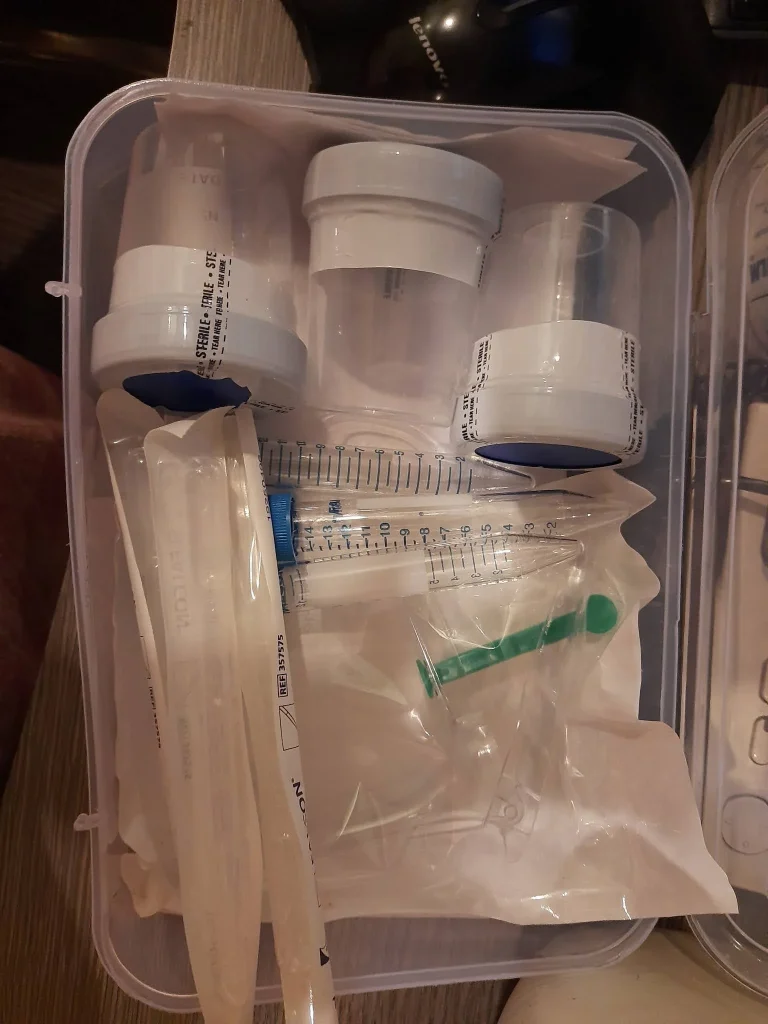
Mosie baby at home insemination syringe kit

  • DIY Baby-Making: Essential Tools for Tracking Cervical Mucus

    Blog Post: DIY Baby-Making: Essential Tools for Tracking Cervical Mucus

    Are you and your partner trying to conceive? One of the most important factors in successful baby-making is understanding your monthly cycle and monitoring your cervical mucus. This may seem like a daunting task, but with the right tools and knowledge, you can easily track your cervical mucus and increase your chances of getting pregnant. In this blog post, we will discuss the essential tools for tracking cervical mucus and how to use them effectively.

    Understanding Cervical Mucus

    Before we dive into the tools, let’s first understand what cervical mucus is and why it is important for conception. Cervical mucus is a fluid produced by your cervix that changes in consistency and color throughout your menstrual cycle. It is an essential part of the female reproductive system, as it helps sperm travel through the cervix to reach the egg.

    During your menstrual cycle, your cervical mucus goes through different stages, which can indicate your most fertile days. In the days leading up to ovulation, your cervical mucus becomes thin, stretchy, and clear, resembling the consistency of egg whites. This type of mucus is ideal for sperm to swim through and fertilize an egg. Tracking your cervical mucus can help you determine when you are most fertile and increase your chances of getting pregnant.

    1. Ovulation Predictor Kits

    Ovulation predictor kits (OPKs) are one of the most popular tools for tracking cervical mucus. These kits work by detecting the surge of luteinizing hormone (LH) in your urine, which occurs 24-36 hours before ovulation. OPKs are available in various forms, such as strips, sticks, and digital readers. They are easy to use and can provide accurate results.

    To use an OPK, you will need to start testing a few days before your predicted ovulation date. Follow the instructions carefully and test at the same time each day. When the test line appears as dark or darker than the control line, it means that you are about to ovulate.

    2. Basal Body Temperature Thermometer

    Basal body temperature (BBT) is your body’s lowest temperature when at rest. Tracking your BBT can help you determine when you have ovulated, as your BBT rises slightly after ovulation. For this method, you will need a basal body temperature thermometer, which is more sensitive than a regular thermometer.

    To use a BBT thermometer, you will need to take your temperature at the same time every morning before getting out of bed. It is best to keep a chart or use an app to track your temperatures, as it will help you see a pattern and determine when you have ovulated.

    pregnancy test kit with instructions, test device, and packaging on a white background

    DIY Baby-Making: Essential Tools for Tracking Cervical Mucus

    3. Cervical Mucus Chart

    A cervical mucus chart is a visual tool that allows you to track the changes in your cervical mucus throughout your menstrual cycle. It can be as simple as a handwritten chart or a more detailed one using an app or online tool. A cervical mucus chart can help you see the patterns in your mucus and determine when you are most fertile.

    To use a cervical mucus chart, you will need to observe your mucus every day and record it on the chart. This will help you determine your most fertile days and increase your chances of getting pregnant.

    4. Fertility Tracking Apps

    In this digital age, there are many fertility tracking apps available that can make tracking your cervical mucus and menstrual cycle much more manageable. These apps allow you to record your mucus, BBT, and other fertility signs, such as cervical position and ovulation pain. They also provide personalized predictions for your most fertile days and can sync with your calendar to help you plan for pregnancy.

    Some popular fertility tracking apps include Clue, Flo, and Glow. These apps are user-friendly and can be a great tool for tracking your cervical mucus and increasing your chances of conception.

    5. Saliva Ovulation Microscopes

    Saliva ovulation microscopes are another tool for tracking cervical mucus that uses your saliva to predict ovulation. These microscopes work by detecting changes in your saliva that occur due to an increase in estrogen levels before ovulation. When you observe your saliva under the microscope, you will see a fern-like pattern if you are about to ovulate.

    To use a saliva ovulation microscope, you will need to place a small amount of saliva on the lens, let it dry, and then observe it under the microscope. These microscopes are reusable and do not require any replacement kits, making them a cost-effective option for tracking your cervical mucus.

    In conclusion, tracking your cervical mucus is an essential aspect of trying to conceive. By using the right tools and methods, you can determine your most fertile days and increase your chances of getting pregnant. Ovulation predictor kits, basal body temperature thermometers, cervical mucus charts, fertility tracking apps, and saliva ovulation microscopes are all effective tools for tracking cervical mucus. Remember to be patient and consistent with your tracking, and consult with your doctor if you have any concerns or difficulties.

    Summary:

    Tracking cervical mucus is crucial for couples trying to conceive. Understanding what cervical mucus is and how it changes throughout the menstrual cycle is essential. Ovulation predictor kits, basal body temperature thermometers, cervical mucus charts, fertility tracking apps, and saliva ovulation microscopes are all effective tools for tracking cervical mucus. These tools help determine the most fertile days and increase the chances of getting pregnant. Be consistent and consult with a doctor if needed.


  • The Importance of Mental Health in DIY Baby-Making: Essential Practices for Reducing Stress

    Summary:

    Smiling baby in a blue onesie with "made with Love" text, lying on a light blue crocheted blanket.

    The Importance of Mental Health in DIY Baby-Making: Essential Practices for Reducing Stress

    Mental health is a crucial aspect of the DIY baby-making process that is often overlooked. The journey to parenthood can be filled with stress, anxiety, and uncertainty, and it’s essential to prioritize your mental well-being during this time. In this blog post, we will discuss the importance of mental health in DIY baby-making and provide essential practices for reducing stress. From managing expectations to seeking support, these practices will help you navigate the emotional rollercoaster of trying to conceive and increase your chances of success.

  • DIY Baby-Making: Essential Strategies for Conceiving with Endometriosis

    Blog Post: DIY Baby-Making: Essential Strategies for Conceiving with Endometriosis

    Endometriosis is a condition that affects 1 in 10 women of reproductive age, making it one of the most common gynecological disorders. It occurs when the tissue that lines the uterus, called the endometrium, grows outside of the uterus and can cause many challenges for women trying to conceive. The good news is that with the right strategies, it is possible to overcome these challenges and successfully conceive with endometriosis. In this blog post, we will discuss essential strategies for DIY baby-making for women with endometriosis.

    1. Educate Yourself: The first step in successfully conceiving with endometriosis is to educate yourself about the condition. Understanding how endometriosis affects your body can help you make informed decisions and take the necessary steps to improve your chances of conceiving. Research the latest treatments and speak to your doctor to learn more about your options.

    2. Know Your Cycle: Tracking your menstrual cycle is crucial when trying to conceive, especially for women with endometriosis. Endometriosis can cause irregular periods, making it challenging to predict ovulation. Using an ovulation predictor kit or tracking your basal body temperature can help you determine the best time to try to conceive.

    3. Maintain a Healthy Weight: Being overweight or underweight can affect your hormone levels and make it difficult to conceive. Women with endometriosis should aim to maintain a healthy weight to optimize their chances of conceiving. Speak to your doctor or a nutritionist if you need help developing a healthy diet and exercise plan.

    4. Try Natural Supplements: Certain natural supplements have been shown to improve fertility in women with endometriosis. These include omega-3 fatty acids, vitamin D, and Coenzyme Q10. Consult with your doctor before adding any supplements to your diet, as they may interact with any medications you are taking.

    Baby wearing a blue shirt with "made with Love" text, surrounded by colorful floral and butterfly designs.

    DIY Baby-Making: Essential Strategies for Conceiving with Endometriosis

    5. Consider Acupuncture: Acupuncture is an ancient Chinese practice that involves the insertion of thin needles into specific points on the body to improve health and wellbeing. Studies have shown that acupuncture can increase the success rate of IVF treatments in women with endometriosis. It may also help regulate hormones and improve blood flow to the reproductive organs, making it an excellent option for women trying to conceive.

    6. Reduce Stress: Stress can negatively impact fertility, making it essential to find ways to manage stress when trying to conceive. Women with endometriosis may experience higher levels of stress due to the challenges of the condition. Finding relaxation techniques such as meditation, yoga, or talking to a therapist can help reduce stress levels and improve your chances of conceiving.

    7. Consider Surgery: In some cases, surgery may be necessary for women with endometriosis who are struggling to conceive. Surgery can help remove scar tissue, lesions, and cysts that may be blocking the fallopian tubes or affecting the quality of the eggs. It is essential to discuss the risks and benefits of surgery with your doctor before making a decision.

    8. Explore Fertility Treatments: If natural methods and lifestyle changes are not successful, it may be time to explore fertility treatments. Intrauterine insemination (IUI) and in vitro fertilization (IVF) are two common options for women with endometriosis. Consult with your doctor to determine the best course of action for your individual situation.

    9. Don’t Give Up: It’s easy to feel discouraged when trying to conceive with endometriosis, but it’s essential not to give up. Remember that every woman’s journey is different, and what works for one may not work for another. Stay positive, keep trying, and don’t be afraid to seek support from your partner, family, and friends.

    Summarizing DIY Baby-Making: Essential Strategies for Conceiving with Endometriosis

    – Endometriosis is a common gynecological disorder that can make conceiving challenging.
    – Educate yourself about the condition and understand how it affects your body.
    – Track your menstrual cycle to determine the best time for conception.
    – Maintain a healthy weight and consider natural supplements to improve fertility.
    – Explore alternative treatments like acupuncture to regulate hormones and reduce stress.
    – Surgery and fertility treatments may be necessary in some cases.
    – Don’t lose hope and seek support from your loved ones.

  • Overcoming Male Infertility: DIY Baby-Making Essentials for Men

    Blog Post Title: Overcoming Male Infertility: DIY Baby-Making Essentials for Men

    Summary:

    Infertility is a common issue that affects both men and women. However, there is often a lack of information and resources available for men who are struggling with infertility. In this blog post, we will discuss male infertility and provide essential DIY tips for men to improve their fertility and increase their chances of conceiving.

    Firstly, it is important to understand the causes of male infertility. This can include low sperm count, poor sperm motility, and structural abnormalities in the reproductive organs. Other factors such as age, lifestyle habits, and underlying medical conditions can also contribute to male infertility.

    The good news is that there are many natural and DIY methods that men can incorporate into their daily routine to improve their fertility. These methods are cost-effective, non-invasive, and can be easily done at home.

    1. Healthy Diet and Lifestyle Habits

    A healthy diet and lifestyle are crucial for improving male fertility. A diet rich in antioxidants, vitamins, and minerals can help improve sperm quality and motility. Foods such as leafy greens, nuts, seeds, and fruits are all excellent sources of these essential nutrients.

    In addition, avoiding harmful substances such as alcohol, tobacco, and drugs can significantly improve sperm health and fertility. Regular exercise, managing stress levels, and getting enough sleep are also important lifestyle habits that can positively impact male fertility.

    2. Supplements and Herbs

    Supplements and herbs can also be beneficial for men struggling with infertility. Zinc, folic acid, and vitamin C are known to improve sperm quality and quantity. Other herbs such as maca root, ginseng, and ashwagandha have also been shown to increase sperm count and motility.

    Before incorporating any supplements or herbs into your routine, it is crucial to consult with a healthcare professional to ensure they are safe and appropriate for you.

    3. Avoiding Heat Exposure

    Colorful promotional image for Mosie Baby, featuring home insemination kit and encouraging text.

    Overcoming Male Infertility: DIY Baby-Making Essentials for Men

    The testicles function best when they are at a slightly lower temperature than the rest of the body. Exposing the testicles to high temperatures for extended periods can negatively impact sperm production. This can be avoided by wearing loose-fitting underwear, avoiding hot tubs and saunas, and not placing laptops or mobile phones directly on the lap.

    4. Exercise and Yoga

    Regular exercise and yoga can also be beneficial for male fertility. Exercise helps to regulate hormone levels, improve blood flow, and reduce stress, all of which can impact fertility. Yoga, in particular, has been shown to improve sperm quality and quantity.

    5. Mind-Body Techniques

    Stress and anxiety can have a significant impact on male fertility. Mind-body techniques such as meditation, mindfulness, and deep breathing can help reduce stress levels and promote relaxation. These techniques can also improve overall well-being and increase the chances of conception.

    6. Acupuncture

    Acupuncture is an ancient Chinese practice that involves inserting thin needles into specific points on the body. It has been used for centuries to treat various health conditions, including male infertility. Studies have shown that acupuncture can improve sperm quality and increase sperm count in men.

    7. Ayurvedic Medicine

    Ayurveda is a traditional Indian system of medicine that uses natural remedies to promote overall health and well-being. Ayurvedic herbs and treatments have been used for centuries to improve fertility in both men and women. Some popular herbs used in Ayurvedic medicine for male infertility include shatavari, gokshura, and ashwagandha.

    In addition to these DIY methods, it is also essential for men struggling with infertility to seek professional help. A fertility specialist can help identify the underlying cause of infertility and provide appropriate treatment options.

    In conclusion, male infertility is a common issue that can be challenging and emotionally distressing for men. However, by incorporating these DIY essentials into their daily routine, men can improve their fertility and increase their chances of conceiving. Remember, every individual is unique, and what works for one may not work for another. It is crucial to consult with a healthcare professional before trying any new methods to improve fertility.

    SEO metadata:

  • DIY Baby-Making: Essential Tools for Tracking Your Basal Body Temperature

    Blog Post Title: DIY Baby-Making: Essential Tools for Tracking Your Basal Body Temperature

    Summary:

    Many couples struggle with fertility issues and turn to expensive medical procedures to conceive a child. However, there are natural and cost-effective ways to increase your chances of getting pregnant, such as tracking your basal body temperature (BBT). BBT tracking is a simple and effective method of predicting ovulation and timing intercourse for optimal chances of conception. In this blog post, we will discuss the essential tools you need for tracking your BBT, including a basal body thermometer, charting system, and other helpful tips for successful DIY baby-making.

    Introduction:

    Before diving into the essential tools for BBT tracking, let’s first understand what BBT is and how it can help in conceiving a baby. BBT is the lowest body temperature that is reached during rest. It is usually measured first thing in the morning before getting out of bed. BBT is affected by the hormone changes in a woman’s body throughout her menstrual cycle. By tracking BBT, you can determine when you ovulate, which is the most fertile time of your cycle. This information is crucial for couples trying to conceive and can also help identify any underlying fertility issues.

    Essential Tools for Tracking Your BBT:

    1. Basal Body Thermometer:

    The first and most crucial tool for BBT tracking is a basal body thermometer. Unlike a regular thermometer, a basal body thermometer is more sensitive and can detect even the slightest changes in your body temperature. It is essential to use the same thermometer every day to ensure accuracy in your readings. You can purchase a basal body thermometer at your local drugstore or online. Look for one that has a memory function and displays the temperature in two decimal places for precise tracking.

    2. Charting System:

    The next essential tool for tracking your BBT is a charting system. This can be a paper chart, a fertility tracking app, or a spreadsheet. Your charting system will help you record and track your daily BBT readings. It also allows you to track other fertility signs such as cervical mucus, ovulation test results, and intercourse timing. There are many charting systems available online, and it’s best to choose one that is user-friendly and has features that suit your needs.

    sperm-ready insemination kit with a syringe and container, featuring a screw top lid and non-tip safety wall

    DIY Baby-Making: Essential Tools for Tracking Your Basal Body Temperature

    3. Ovulation Predictor Kit (OPK):

    While BBT tracking can help determine your fertile window, it may not be accurate for every woman. That’s where an ovulation predictor kit (OPK) comes in handy. An OPK measures the levels of luteinizing hormone (LH) in your urine, which surges 24-36 hours before ovulation. You can use an OPK in addition to BBT tracking to confirm when you are about to ovulate and time intercourse accordingly.

    4. Cervical Mucus Monitoring:

    Another natural indicator of ovulation is cervical mucus. As your body prepares for ovulation, your cervical mucus becomes clear, slippery, and stretchy, resembling raw egg whites. This type of mucus helps sperm travel through the cervix and into the fallopian tubes, increasing the chances of conception. By monitoring your cervical mucus, you can identify your most fertile days and time intercourse accordingly.

    5. Tips for Successful BBT Tracking:

    To ensure accurate and consistent BBT readings, here are some helpful tips to keep in mind:

    – Take your temperature at the same time every morning, preferably before 8 am.
    – Make sure to get at least three hours of uninterrupted sleep before taking your temperature.
    – Avoid taking your temperature after consuming alcohol or using a heating pad.
    – Record your temperature immediately after taking it, preferably before getting out of bed.
    – Use a separate alarm or reminder to take your temperature every morning.
    – Be patient and consistent with tracking your BBT. It may take a few cycles to understand your body’s patterns and ovulation timing accurately.

    Conclusion:

    Tracking your BBT is a simple and cost-effective way to increase your chances of conceiving a child. With the essential tools mentioned above and consistent tracking, you can identify your fertile window and time intercourse accordingly. It’s important to remember that BBT tracking is not a foolproof method and may not work for everyone. If you have been actively trying to conceive for over a year (or six months if you are over 35), it’s best to consult a doctor for further fertility testing.

    In summary, tracking your BBT is a natural and effective way to increase your chances of conceiving a child. The essential tools for BBT tracking include a basal body thermometer, charting system, OPK, and cervical mucus monitoring. By following the tips mentioned above and being consistent with tracking, you can improve your chances of successful DIY baby-making.

  • The Role of Exercise in DIY Baby-Making: Essential Workouts for Fertility

    Blog Post:

    When it comes to trying to conceive, many couples turn to various methods and techniques to increase their chances of success. While there are many factors that can affect fertility, one often overlooked aspect is exercise. In fact, incorporating specific workouts into your routine can greatly improve your chances of DIY baby-making. In this blog post, we will explore the role of exercise in fertility and highlight some essential workouts that can boost your chances of conceiving.

    Exercise has been proven to have numerous benefits for overall health and well-being, and fertility is no exception. Regular physical activity can help regulate hormones, reduce stress, improve blood flow and circulation, and maintain a healthy weight – all of which are crucial for fertility. In women, exercise can also help regulate the menstrual cycle and improve ovulation. In men, it can improve sperm quality and quantity. With all these benefits in mind, it’s clear that exercise should play a significant role in your journey towards parenthood.

    So, what are the essential workouts for fertility? Here are some that you should incorporate into your exercise routine:

    1. Yoga
    Yoga is a gentle and low-impact form of exercise that has been linked to improved fertility. It helps reduce stress and anxiety, promotes relaxation, and balances hormones. Certain poses, such as the butterfly pose, can also improve blood flow to the pelvic region and stimulate the reproductive organs. Additionally, yoga can increase the production of the hormone progesterone, which is essential for healthy ovulation.

    2. Walking
    Walking is a simple and accessible form of exercise that can have significant benefits for fertility. It helps to maintain a healthy weight, reduce stress, and improve overall cardiovascular health. Walking also increases blood flow to the pelvic region, which can enhance fertility by improving the health of the reproductive organs and increasing the chances of fertilization.

    3. Pilates
    Pilates is an excellent form of exercise for those trying to conceive. It focuses on strengthening the core, which can help support the uterus and prepare the body for pregnancy. Pilates also helps to improve posture, which can alleviate any discomfort or pain in the lower back and pelvic area. Additionally, it can improve blood flow to the pelvic region and promote relaxation.

    Mosie Baby At-Home Insemination Kit instructions and storage guidelines on a blue background.

    The Role of Exercise in DIY Baby-Making: Essential Workouts for Fertility

    4. High-Intensity Interval Training (HIIT)
    While low-impact exercises are generally recommended for fertility, incorporating some high-intensity interval training into your routine can also be beneficial. HIIT involves short bursts of intense exercise followed by periods of rest. This type of workout has been shown to improve insulin sensitivity and regulate hormones, which can boost fertility. However, it’s essential to listen to your body and not overdo it with high-intensity exercises, as too much stress on the body can have the opposite effect on fertility.

    5. Swimming
    Swimming is a great form of exercise for those trying to conceive, as it is a low-impact activity that can improve cardiovascular health and reduce stress. The buoyancy of the water also takes the pressure off the joints, making it a suitable workout for women with conditions such as endometriosis or pelvic pain. Additionally, swimming can improve blood flow to the pelvic region and help regulate hormones.

    In addition to these essential workouts, it’s also crucial to maintain a healthy and balanced diet when trying to conceive. Make sure to include plenty of fruits, vegetables, whole grains, and lean proteins in your meals, and limit processed and sugary foods. Staying hydrated is also essential for fertility, so make sure to drink plenty of water throughout the day.

    It’s also important to note that every person’s body is different, and what may work for one couple may not necessarily work for another. Consult with your doctor before starting any exercise routine, especially if you have any underlying health conditions or are undergoing fertility treatments. And remember, fertility is a journey, so be patient and kind to yourself, and don’t put too much pressure on yourself to conceive.

    In conclusion, exercise plays a crucial role in fertility, and incorporating specific workouts into your routine can greatly improve your chances of DIY baby-making. Yoga, walking, Pilates, HIIT, and swimming are all great forms of exercise that can benefit both men and women trying to conceive. Remember to also maintain a healthy diet and consult with your doctor before starting any new exercise routine. With patience, perseverance, and the right workouts, you can increase your chances of conceiving and embark on the journey of parenthood.

    Summary:

    Exercise is often overlooked when it comes to fertility, but it can have numerous benefits for both men and women trying to conceive. Regular physical activity can help regulate hormones, reduce stress, improve blood flow and circulation, and maintain a healthy weight. Essential workouts for fertility include yoga, walking, Pilates, high-intensity interval training, and swimming. It’s crucial to consult with your doctor before starting any exercise routine, maintain a healthy diet, and be patient and kind to yourself during this journey.

  • DIY Baby-Making: Essential Strategies for Conceiving with PCOS

    Blog post: DIY Baby-Making: Essential Strategies for Conceiving with PCOS

    Polycystic Ovarian Syndrome (PCOS) is a common hormonal disorder that affects many women of reproductive age. One of the main challenges of PCOS is difficulty in conceiving due to irregular ovulation and hormonal imbalances. This can be frustrating for women who are trying to start a family. However, with the right strategies and lifestyle changes, it is possible to conceive naturally even with PCOS. In this blog post, we will discuss essential DIY strategies for conceiving with PCOS.

    1. Understand your cycle and track ovulation

    The first step in trying to conceive with PCOS is to understand your menstrual cycle and track your ovulation. Women with PCOS often have irregular periods, making it difficult to pinpoint ovulation. Keeping track of your cycles and monitoring your basal body temperature can help you identify when you are most likely to ovulate. You can also use ovulation predictor kits to track your ovulation.

    2. Maintain a healthy weight

    Obesity and PCOS often go hand in hand, and excess weight can make it more challenging to conceive. Women with PCOS are at a higher risk of insulin resistance, which can lead to weight gain. Maintaining a healthy weight through a balanced diet and regular exercise can improve insulin sensitivity and help regulate ovulation.

    3. Follow a PCOS-friendly diet

    A PCOS-friendly diet should focus on whole foods, including lean proteins, complex carbohydrates, and healthy fats. Avoiding processed and sugary foods can help manage insulin levels and regulate hormones. Foods rich in antioxidants, such as fruits and vegetables, can also help reduce inflammation in the body and improve fertility.

    4. Consider supplements

    Supplements can be a helpful addition to a healthy diet when trying to conceive with PCOS. Inositol, a B vitamin, has been shown to improve insulin sensitivity and regulate ovulation in women with PCOS. Other supplements that may be beneficial include vitamin D, omega-3 fatty acids, and CoQ10.

    Mosie Baby ovulation test kit with packaging and instructions on a pink background.

    DIY Baby-Making: Essential Strategies for Conceiving with PCOS

    5. Manage stress

    High levels of stress can disrupt hormone balance and make it more difficult to conceive. It is essential to find ways to manage stress, such as practicing relaxation techniques, exercising, and getting enough sleep. Consider incorporating activities like yoga, meditation, or journaling into your daily routine to help reduce stress levels.

    6. Try acupuncture

    Acupuncture has been used for centuries to treat various health conditions, including infertility. Studies have shown that acupuncture can help improve ovulation and regulate menstrual cycles in women with PCOS. It may also reduce stress and improve blood flow to the reproductive organs, increasing the chances of conception.

    7. Discuss medication options with your doctor

    In some cases, lifestyle changes may not be enough to regulate ovulation and achieve pregnancy. Your doctor may prescribe medications such as clomiphene or letrozole to help stimulate ovulation. Metformin, a medication commonly used to treat diabetes, can also help regulate insulin levels and improve ovulation in women with PCOS.

    8. Consider assisted reproductive technologies

    If natural conception does not work, assisted reproductive technologies (ART) may be an option. Intrauterine insemination (IUI) and in vitro fertilization (IVF) are two common ART procedures that can help women with PCOS conceive. These procedures involve fertilizing eggs outside of the body and then transferring them into the uterus for implantation.

    In conclusion, conceiving with PCOS may require a bit more effort and patience, but it is possible. By understanding your cycle, maintaining a healthy lifestyle, and seeking medical help when needed, you can increase your chances of getting pregnant. Remember to be kind to yourself and seek support from loved ones during this journey.

    Summary:

    Conceiving with PCOS can be challenging, but with the right strategies, it is possible to achieve a successful pregnancy. Understanding your cycle, maintaining a healthy weight and diet, managing stress, and considering supplements and alternative therapies can all help regulate hormones and improve ovulation. If natural conception does not work, ART procedures may be an option. Remember to seek support from loved ones and be patient with yourself during this journey.

  • Preparing Your Body for Pregnancy: Essential DIY Baby-Making Techniques

    Preparing Your Body for Pregnancy: Essential DIY Baby-Making Techniques

    Are you and your partner planning to start a family? Congratulations! The journey to parenthood is a beautiful and exciting one, but it also requires some preparation. One crucial aspect of preparing for pregnancy is ensuring that your body is ready for the journey ahead. This means taking care of your physical health, making lifestyle changes, and implementing essential DIY techniques that can boost your chances of conceiving. In this blog post, we will discuss some essential DIY baby-making techniques that you can incorporate into your routine to prepare your body for pregnancy.

    1. Eat a Healthy and Balanced Diet
    The food you eat plays a significant role in your overall health and fertility. It is essential to consume a well-balanced diet that includes a variety of fruits, vegetables, whole grains, lean proteins, and healthy fats. These foods provide essential nutrients that support reproductive health and increase your chances of conceiving. Additionally, maintaining a healthy weight is crucial for fertility, as being underweight or overweight can affect your hormone levels and ovulation.

    2. Exercise Regularly
    Regular exercise is not only beneficial for your physical health but also for your fertility. It helps maintain a healthy weight, reduces stress, and improves blood flow to the reproductive organs. However, it is essential to avoid excessive or intense exercise, as it can have a negative impact on ovulation. It is best to consult with a doctor or fertility specialist to determine a suitable exercise routine for your body.

    3. Quit Unhealthy Habits
    Smoking, excessive alcohol consumption, and recreational drug use can significantly affect your fertility. These habits can lower sperm count, decrease egg quality, and increase the risk of miscarriage. It is crucial to quit these habits before trying to conceive to give your body the best chance of a healthy pregnancy.

    4. Take Prenatal Vitamins
    Prenatal vitamins are specially formulated to provide essential nutrients needed for a healthy pregnancy. They contain folic acid, which is crucial in preventing birth defects in the baby’s brain and spine. It is recommended to start taking prenatal vitamins at least three months before trying to conceive.

    5. Track Your Ovulation
    Knowing when you are ovulating is crucial for pregnancy. Ovulation is the process of releasing an egg from the ovary, which is the most fertile time in a woman’s menstrual cycle. You can track your ovulation using various methods, such as tracking your basal body temperature, cervical mucus, or using ovulation predictor kits. Understanding your ovulation cycle can help you time intercourse and increase your chances of conception.

    various medical supplies and containers organized in a clear plastic box on a wooden surface

    Preparing Your Body for Pregnancy: Essential DIY Baby-Making Techniques

    6. Try Natural Fertility Supplements
    Some natural supplements can help improve fertility in both men and women. These include Coenzyme Q10, zinc, vitamin D, and omega-3 fatty acids. However, it is essential to consult with a doctor before taking any supplements to ensure they are safe for you and will not interfere with any medications you may be taking.

    7. Reduce Stress
    Stress can have a significant impact on your reproductive health. It can affect hormone levels, ovulation, and sperm production. Therefore, it is crucial to find ways to reduce stress in your life. This can include practicing relaxation techniques such as yoga or meditation, getting enough sleep, and engaging in activities you enjoy.

    8. Use Natural Lubricants
    Some lubricants can interfere with sperm motility and decrease your chances of conceiving. It is best to use natural lubricants, such as coconut oil, olive oil, or Pre-Seed, which are safe for sperm and can even aid in conception.

    9. Try Acupuncture
    Acupuncture is an ancient Chinese healing technique that involves inserting thin needles into specific points on the body. It has been found to be beneficial in improving fertility by reducing stress, balancing hormones, and increasing blood flow to the reproductive organs.

    10. Have Regular Sex
    The most crucial DIY technique for conceiving is to have regular sex. It is recommended to have intercourse every two to three days throughout your cycle to ensure sperm is present when ovulation occurs. Trying to conceive can sometimes become stressful, but it is essential to keep the spark alive and not make it feel like a chore.

    In conclusion, preparing your body for pregnancy is essential to increase your chances of conceiving and having a healthy pregnancy. Incorporating these DIY baby-making techniques into your routine can help boost your fertility and prepare your body for the journey of motherhood. Remember to consult with a doctor or fertility specialist if you have any concerns or questions about your fertility.

    Summary:
    Preparing your body for pregnancy is crucial for increasing your chances of conceiving and having a healthy pregnancy. Some essential DIY baby-making techniques include eating a healthy and balanced diet, exercising regularly, quitting unhealthy habits, taking prenatal vitamins, tracking ovulation, trying natural fertility supplements, reducing stress, using natural lubricants, trying acupuncture, and having regular sex. These techniques can help boost your fertility and prepare your body for the journey of motherhood. Consult with a doctor or fertility specialist for any concerns or questions about your fertility.

  • Navigating the Emotional Rollercoaster of DIY Baby-Making: Essential Tips for Coping

    Navigating the Emotional Rollercoaster of DIY Baby-Making: Essential Tips for Coping

    DIY baby-making, also known as at-home insemination, is becoming a more popular option for couples and individuals who are trying to conceive. While it can be an exciting and empowering journey, it can also bring about its fair share of emotional ups and downs. The uncertainty, disappointment, and stress that can come with DIY baby-making can take a toll on one’s mental and emotional well-being. Therefore, it is essential to be equipped with coping strategies to navigate the emotional rollercoaster of DIY baby-making. Here are some essential tips to help you cope with the emotional challenges of this journey.

    1. Acknowledge your feelings

    The first step in coping with any emotional challenge is to acknowledge your feelings. Understand that it is normal to experience a range of emotions, including excitement, hope, anxiety, frustration, and even sadness. Trying to suppress these emotions or pretend that everything is fine will only make things worse. Instead, allow yourself to feel what you are feeling and know that it is okay to have these emotions.

    2. Communicate with your partner

    If you are going through the DIY baby-making journey with a partner, it is crucial to communicate openly and honestly with them. Share your feelings, concerns, and fears with each other. Talking about your emotions can help you feel supported and connected to your partner. It can also help you both understand each other’s perspectives and find ways to support each other through this journey.

    3. Seek support from loved ones

    Apart from your partner, it is essential to seek support from your loved ones. Let your close friends and family know about your DIY baby-making journey and how you are feeling. They can offer a listening ear, words of encouragement, and practical support, such as helping with household chores or accompanying you to doctor’s appointments. Having a supportive network can make a significant difference in coping with the emotional rollercoaster of DIY baby-making.

    at-home insemination kit with syringes, collection cups, and instructions on a pink background

    Navigating the Emotional Rollercoaster of DIY Baby-Making: Essential Tips for Coping

    4. Set realistic expectations

    It is crucial to set realistic expectations for yourself and your DIY baby-making journey. Understand that conception may not happen as quickly as you hope, and there may be bumps along the way. It is also essential to be prepared for the possibility of not achieving pregnancy through DIY baby-making. Keeping these expectations in mind can help you manage disappointment and stay positive throughout the process.

    5. Take care of yourself

    Taking care of your physical and emotional well-being is vital during this journey. Make sure to eat well, exercise, and get enough rest. Engage in activities that bring you joy and help you relax, such as reading, listening to music, or practicing mindfulness. Taking care of yourself can help you cope with stress and maintain a positive outlook.

    6. Educate yourself

    Another useful coping strategy is to educate yourself about DIY baby-making and the process of conception. Knowing the facts can help you understand what to expect and make informed decisions. It can also help you feel more in control of the situation and reduce any anxiety or fear you may have.

    7. Seek professional help

    If you find yourself struggling to cope with the emotional toll of DIY baby-making, do not hesitate to seek professional help. A therapist or counselor can provide you with the necessary support and guidance to navigate this journey. They can also help you develop coping strategies that work for you and address any underlying issues that may be affecting your emotional well-being.

    In summary, DIY baby-making can be an emotional rollercoaster, but with the right coping strategies, you can navigate the journey with more ease. Remember to acknowledge your feelings, communicate with your partner and loved ones, and take care of yourself. Set realistic expectations and educate yourself about the process. And if needed, seek professional help. With these tips, you can cope with the emotional challenges of DIY baby-making and stay positive throughout the journey.

  • DIY Baby-Making: Essential Supplements for Boosting Fertility

    Blog Post Title: DIY Baby-Making: Essential Supplements for Boosting Fertility

    Introduction:

    Starting a family is one of the most exciting and rewarding experiences in life. However, for some couples, conceiving a child may not come as easily as they had hoped. Infertility is a common issue that affects many couples worldwide, with approximately 12% of women in the United States struggling to get pregnant. While there are various factors that can contribute to infertility, one aspect that is often overlooked is the role of nutrition and supplementation in promoting fertility.

    In this blog post, we will discuss the essential supplements that can help boost fertility and increase your chances of conceiving naturally. These supplements are not only beneficial for women but also for men, as they can improve sperm quality and increase sperm count. So, if you are trying to conceive and looking for natural ways to boost your fertility, keep reading to find out more!

    1. Folic Acid:

    Folic acid, also known as folate, is a B vitamin that is crucial for fetal development and preventing birth defects. It is recommended that women who are trying to conceive take a daily supplement of 400-800 micrograms of folic acid. This essential vitamin helps the body produce and maintain new cells and DNA, making it an important nutrient for pregnancy. Studies have also shown that folic acid can improve ovulation and increase the chances of getting pregnant.

    2. Vitamin D:

    Vitamin D is an essential nutrient that is vital for overall health and well-being. It plays a crucial role in the regulation of hormones, including estrogen and progesterone, which are essential for fertility. Studies have shown that women with vitamin D deficiency may have a lower chance of conceiving and a higher risk of pregnancy complications. Therefore, it is recommended to maintain adequate levels of vitamin D, either through sun exposure or supplementation, to enhance fertility and promote a healthy pregnancy.

    3. Coenzyme Q10 (CoQ10):

    Coenzyme Q10, or CoQ10, is a powerful antioxidant that is naturally produced by the body. It plays a crucial role in energy production and is essential for egg and sperm health. As we age, our CoQ10 levels naturally decline, which can affect fertility. Supplementing with CoQ10 can improve egg quality and increase the chances of fertilization. It is also beneficial for men as it can improve sperm motility and DNA integrity.

    4. Omega-3 Fatty Acids:

    at-home insemination kit by Mosie Baby, featuring syringes and containers for comfort and convenience.

    DIY Baby-Making: Essential Supplements for Boosting Fertility

    Omega-3 fatty acids, particularly EPA and DHA, are essential for reproductive health. They help regulate hormones, improve blood flow to reproductive organs, and promote healthy ovulation. Studies have also shown that omega-3 fatty acids can improve sperm quality and increase sperm count in men. Adding a fish oil supplement to your daily routine can be beneficial for both men and women trying to conceive.

    5. Zinc:

    Zinc is an essential mineral that plays a vital role in fertility and pregnancy. It is involved in the production of hormones, egg and sperm development, and DNA synthesis. Low levels of zinc have been linked to fertility issues in both men and women. Supplementing with zinc can help improve sperm quality, increase sperm count, and regulate ovulation. It is recommended to take a daily dose of 15-30 milligrams of zinc to boost fertility.

    6. Maca Root:

    Maca root is a popular herbal supplement that has been used for centuries to enhance fertility and libido. It is rich in antioxidants and important nutrients like iron, iodine, and vitamin C, which are essential for reproductive health. Studies have shown that maca root can improve sperm quality and increase sperm count in men. It is also beneficial for women as it can regulate hormones and improve ovulation.

    7. L-arginine:

    L-arginine is an amino acid that plays a crucial role in fertility. It is involved in the production of nitric oxide, which helps improve blood flow to the reproductive organs. This can enhance egg quality and promote healthy sperm production. L-arginine is also beneficial for women with polycystic ovary syndrome (PCOS) as it can help regulate menstrual cycles and improve ovulation.

    Conclusion:

    In conclusion, taking the right supplements can be a natural and effective way to boost fertility and increase your chances of conceiving. From essential vitamins like folic acid and vitamin D to powerful antioxidants like CoQ10 and maca root, these supplements can improve egg and sperm quality, regulate hormones, and enhance reproductive health in both men and women. However, it is essential to consult with your doctor before starting any new supplements, as they may interact with any medications you are currently taking.

    Remember, while supplements can be beneficial, they should not be used as a replacement for a healthy diet and lifestyle. Eating a well-balanced diet, staying physically active, and managing stress are also crucial for promoting fertility. By incorporating these supplements into your daily routine and making healthy lifestyle choices, you can increase your chances of conceiving and start your journey towards parenthood.

    SEO Metadata: