Menopause is a natural and inevitable phase in a woman’s life, signaling the end of her reproductive years. While most women are familiar with the physical and emotional changes that come with menopause, many are not aware of the changes in cervical mucus that occur during this time. Cervical mucus is a fluid secreted by the cervix that plays a crucial role in fertility and overall vaginal health. In this blog post, we will discuss the relationship between menopause and cervical mucus, and how women can stay informed and empowered during this transitional phase.
Understanding Menopause and Cervical Mucus
Menopause typically occurs between the ages of 45 and 55, with the average age being 51. It is a natural process that marks the end of a woman’s menstrual cycle and her ability to conceive. During menopause, the ovaries stop producing estrogen and progesterone, the hormones responsible for regulating the menstrual cycle. As a result, the body goes through various physical and emotional changes, including hot flashes, night sweats, mood swings, and vaginal dryness.
One of the lesser-known changes that occur during menopause is a decrease in cervical mucus production. Cervical mucus is a fluid secreted by the cervix that helps sperm travel through the reproductive system to fertilize an egg. It also acts as a protective barrier, preventing bacteria and other harmful substances from entering the vagina. As women approach menopause, the levels of estrogen and progesterone decrease, causing changes in the cervical mucus.
The Role of Cervical Mucus in Menopause
Cervical mucus is an essential component of the female reproductive system. It not only facilitates fertilization but also helps maintain overall vaginal health. As women go through menopause, the decrease in estrogen and progesterone levels affects the quality and quantity of cervical mucus. This can have several implications, including a higher risk of vaginal infections and discomfort during sexual intercourse.
Women may also experience changes in the consistency and color of their cervical mucus during menopause. Normally, cervical mucus is clear, slippery, and stretchy, resembling raw egg whites. However, as estrogen levels decline, the mucus may become thicker, cloudier, and less abundant. This can make it difficult for sperm to reach the egg, making it harder for women to conceive during this phase.
Staying Informed and Empowered During Menopause
While menopause and its effects on cervical mucus are a natural part of a woman’s life, it is essential to stay informed and empowered during this time. By understanding the changes in cervical mucus, women can better manage any discomfort and maintain their overall vaginal health. Here are a few tips to help you stay informed and empowered during menopause:
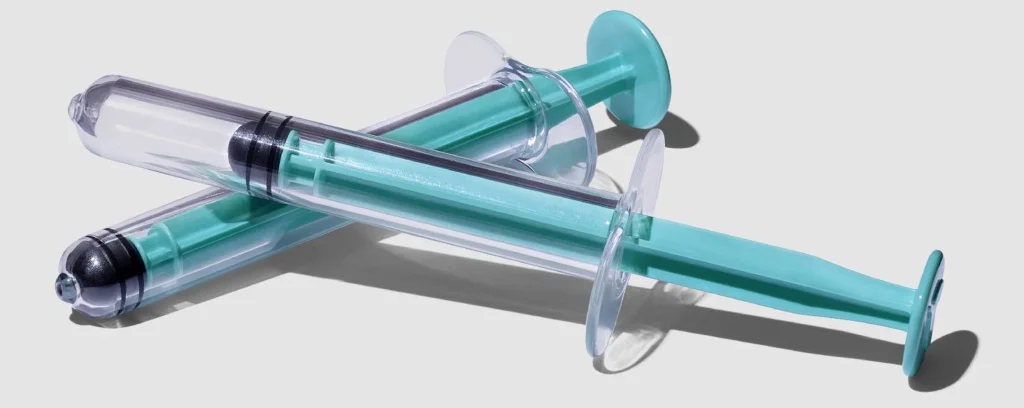
Menopause and Cervical Mucus: How to Stay Informed and Empowered
– Educate yourself: The more you know about menopause and its effects, the better prepared you will be to handle it. Take the time to learn about the changes in your body and how to manage them.
– Talk to your doctor: If you have any concerns or questions about menopause, don’t hesitate to speak to your doctor. They can provide you with personalized advice and recommend any necessary treatments.
– Keep track of your cervical mucus: It can be helpful to track your cervical mucus to understand how it changes during menopause. This can also help you identify any abnormalities and bring them to your doctor’s attention.
– Use vaginal moisturizers: As estrogen levels decrease, vaginal dryness is a common symptom during menopause. Using a vaginal moisturizer can help keep the vaginal tissues healthy and alleviate discomfort.
– Maintain good hygiene: As the risk of vaginal infections increases during menopause, it is essential to maintain good hygiene. This includes washing the genital area with mild, fragrance-free soap and avoiding douching.
– Stay sexually active: While the decrease in estrogen levels may affect libido and sexual desire, it is important to stay sexually active during menopause. This can help maintain vaginal health and improve symptoms of vaginal dryness.
In summary, menopause can cause significant changes in cervical mucus, affecting fertility and vaginal health. It is crucial for women to stay informed and empowered during this time by educating themselves, talking to their doctor, and taking steps to maintain overall vaginal health.