Blog Post: Reasons to Choose Non-Invasive Insemination Over Traditional IVF
In vitro fertilization (IVF) has been a popular option for couples struggling with infertility for decades. However, traditional IVF can be a costly and invasive process, which has led to the rise of non-invasive insemination as an alternative option. Non-invasive insemination, also known as non-IVF or natural cycle IVF, has gained popularity due to its lower cost and less invasive nature. In this blog post, we will explore the reasons why couples may choose non-invasive insemination over traditional IVF.
1. Lower Cost
One of the primary reasons couples choose non-invasive insemination over traditional IVF is the cost. Traditional IVF can be a significant financial burden, with an average cost of $12,000 per cycle. In contrast, non-invasive insemination can cost significantly less, with an average cost of $3,000 per cycle. This difference in cost can make a significant impact on couples who may have limited financial resources but still want to try fertility treatments.
2. Less Invasive
Traditional IVF involves stimulating the ovaries with hormones to produce multiple eggs, which are then retrieved and fertilized in a laboratory. This process can be physically and emotionally taxing for women. In contrast, non-invasive insemination uses a woman’s natural ovulation cycle, without the use of hormones. This approach is less invasive and can be a more comfortable and less stressful option for women.
3. Fewer Risks and Side Effects
The use of hormones in traditional IVF can lead to side effects such as headaches, bloating, and mood swings. Additionally, the process of egg retrieval can carry risks such as infection and bleeding. In contrast, non-invasive insemination does not involve the use of hormones or invasive procedures, reducing the risks and side effects associated with traditional IVF.
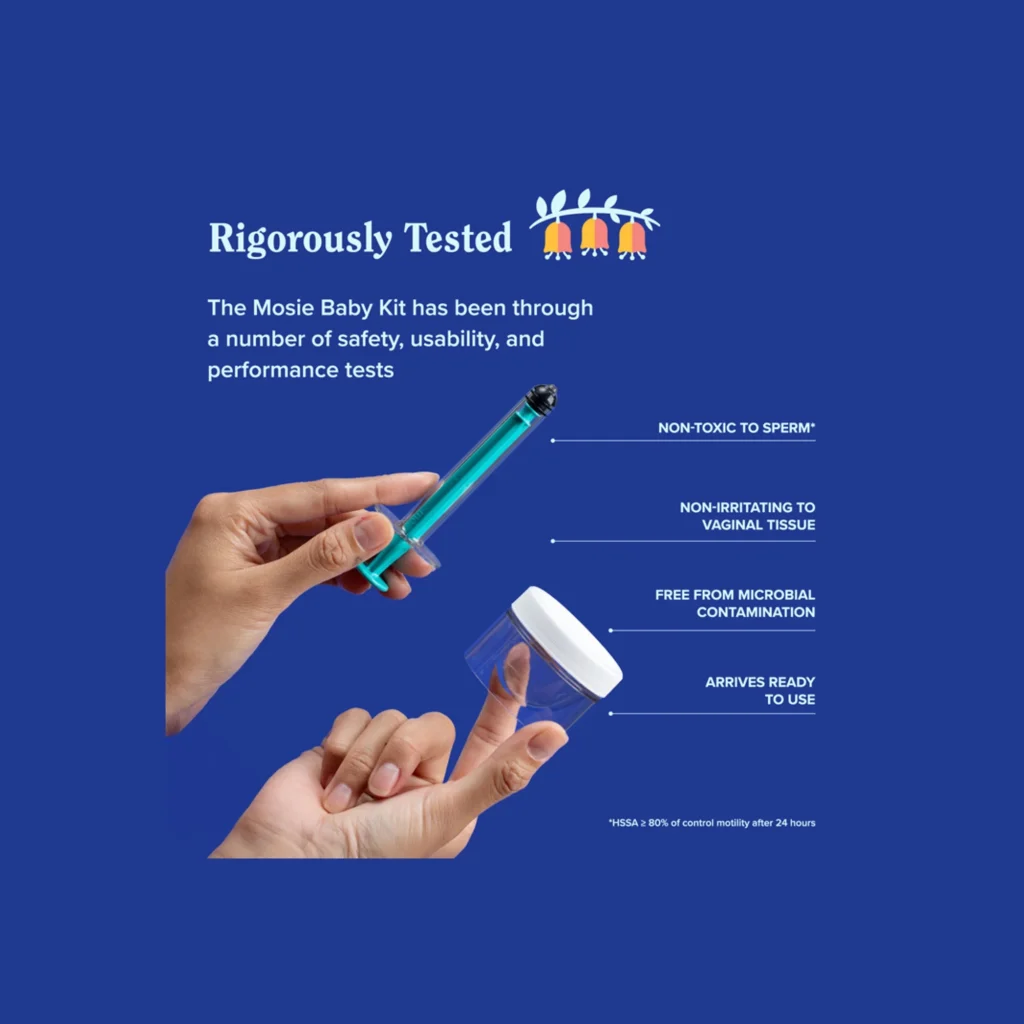
Reasons to Choose Non-Invasive Insemination Over Traditional IVF
4. More Natural Approach
Non-invasive insemination is a more natural approach to fertility treatment, as it works with a woman’s natural ovulation cycle. This approach can be appealing to couples who want to avoid the use of medications and laboratory procedures involved in traditional IVF. It can also be a good option for those who may have religious or ethical concerns about traditional IVF.
5. Suitable for Women with Certain Medical Conditions
Traditional IVF may not be a suitable option for women with certain medical conditions, such as polycystic ovary syndrome (PCOS) or endometriosis. These conditions can make it difficult for women to respond to the hormonal stimulation needed for traditional IVF. In contrast, non-invasive insemination can be a suitable option for women with these conditions, as it does not involve the use of hormones.
6. Higher Success Rates for Certain Groups
While traditional IVF has higher success rates overall, non-invasive insemination may have higher success rates for certain groups of women. For example, women under 35 years old and those with good ovarian reserve may have similar success rates with both traditional IVF and non-invasive insemination. Additionally, women with previous successful pregnancies may also have similar success rates with both options.
7. More Affordable to Try Multiple Cycles
Due to the lower cost of non-invasive insemination, couples may have the option to try multiple cycles if the first one is unsuccessful. This can be a significant advantage for couples who may not have the financial resources to afford multiple traditional IVF cycles.
In summary, non-invasive insemination can be a more affordable, less invasive, and more natural option for couples struggling with infertility. It may also be a suitable option for women with certain medical conditions and may have comparable success rates for certain groups. However, it is essential to consult with a fertility specialist to determine the best treatment option for each individual case.
Leave a Reply