Facing Secondary Infertility? Non-Invasive Insemination Could Be the Answer
For many couples, starting a family is a dream that comes with hopes, excitement, and anticipation. However, for those who have experienced secondary infertility, the dream can quickly turn into a difficult and emotionally taxing journey. Secondary infertility refers to the inability to conceive or carry a pregnancy to term after successfully having one or more children. This condition can be just as devastating as primary infertility, and it often goes unnoticed and unaddressed. In this blog post, we will explore the struggles of facing secondary infertility and how non-invasive insemination could be the answer for those trying to expand their families.
Understanding Secondary Infertility
Secondary infertility affects millions of couples around the world, and yet it is rarely talked about. It is often seen as a taboo subject, and many couples suffer in silence, feeling alone and isolated. Unlike primary infertility, where couples have never been able to conceive, secondary infertility can come as a shock to those who have already experienced the joy of parenthood. Many people assume that if you have successfully had a child before, you will have no problems getting pregnant again. However, the reality is that secondary infertility can affect anyone, regardless of their previous fertility history.
There are many possible causes of secondary infertility, including hormonal imbalances, endometriosis, uterine fibroids, and age-related factors. In some cases, it can also be linked to previous pregnancies, such as scar tissue from a C-section or complications during childbirth. Secondary infertility can also affect both men and women, making it a shared struggle for couples.
The Emotional Toll of Secondary Infertility
The journey of secondary infertility can take a significant emotional toll on couples. Many people find it challenging to talk about their struggles with family and friends, as they may not understand the complexity of the issue. This can lead to feelings of isolation, guilt, and shame. Those experiencing secondary infertility may also feel a sense of loss and grief for the family they had envisioned for themselves. The constant disappointment and frustration of not being able to conceive can also cause strain on a couple’s relationship, leading to feelings of resentment and blame.
Finding a Solution: Non-Invasive Insemination
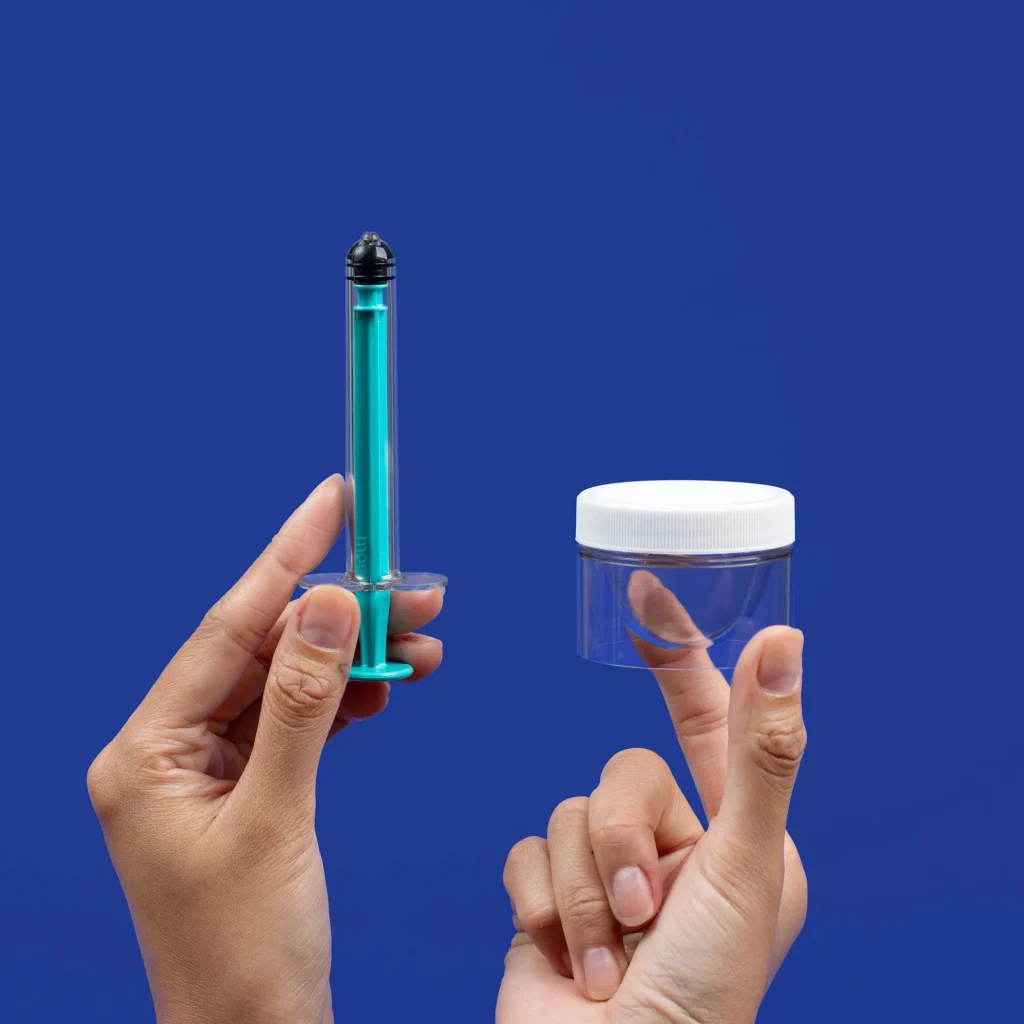
and Facing Secondary Infertility? Non-Invasive Insemination Could Be the Answer
While there are many fertility treatments available for primary infertility, such as IVF or IUI, these options may not be necessary for those facing secondary infertility. In many cases, non-invasive insemination can be a successful and less invasive option. Non-invasive insemination, also known as intrauterine insemination (IUI), is a procedure where sperm is inserted directly into the uterus during ovulation. This method can be used with a partner’s sperm or donor sperm, depending on the individual’s circumstances.
One of the significant benefits of non-invasive insemination is that it is a relatively simple and painless procedure. It does not require any surgery or anesthesia, making it a less intimidating option for couples. Additionally, non-invasive insemination has a higher success rate compared to natural conception, making it a more viable solution for couples struggling with secondary infertility.
The Process of Non-Invasive Insemination
The first step of non-invasive insemination is to determine the timing of ovulation. This can be done through at-home ovulation predictor kits or through monitoring by a healthcare professional. The next step is to prepare the sperm sample, which can be either from a partner or a donor. The sample is then washed and prepared in a laboratory to separate the sperm from the semen, increasing the chances of fertilization.
During the insemination procedure, a thin catheter is inserted into the uterus, and the prepared sperm is injected directly into the uterus. This process is relatively quick and painless, with minimal discomfort for the patient. Afterward, the patient can resume their normal activities, and a pregnancy test can be taken about two weeks later to confirm the procedure’s success.
Final Thoughts
Facing secondary infertility can be a difficult and isolating experience for couples. However, it is essential to know that there are options available, such as non-invasive insemination, that can provide hope and a chance for a successful pregnancy. While it may not be the solution for everyone, it is worth considering for couples struggling with secondary infertility. Most importantly, it is essential to seek support and talk about your struggles with loved ones or a professional to help navigate this challenging journey.
In conclusion, secondary infertility is a common yet often overlooked issue that affects many couples. It can take a significant emotional toll on individuals and their relationships. However, non-invasive insemination offers a simpler, less invasive, and more successful option for those trying to conceive. If you are facing secondary infertility, know that you are not alone and that there are options available to help you on your journey to expand your family.
Leave a Reply