Summary:
Bringing a new life into the world is a beautiful and exciting experience. For many couples, trying to conceive can be a challenging and emotional journey. While medical interventions are available, some couples prefer to take a more natural approach to conception. That’s where DIY baby-making comes in.
DIY baby-making is the process of using various methods and techniques to increase fertility and support the body’s natural ability to conceive. One crucial aspect of this process is having an at-home conception support kit. In this blog post, we will explore the components of an at-home conception support kit and their role in helping couples achieve their dream of starting a family.
1. Ovulation Predictor Kits
The first component of an at-home conception support kit is ovulation predictor kits (OPKs). These kits help determine the most fertile days of a woman’s menstrual cycle by detecting the surge of luteinizing hormone (LH) that happens before ovulation. By tracking ovulation, couples can time intercourse correctly and increase their chances of conception.
2. Fertility Supplements
Another essential component of an at-home conception support kit is fertility supplements. These supplements contain a blend of vitamins, minerals, and herbs that are known to support fertility and reproductive health. Some common ingredients in fertility supplements include folic acid, zinc, and CoQ10. These supplements can help balance hormones, improve egg quality, and enhance the overall health of the reproductive system.
3. Basal Body Thermometer
A basal body thermometer (BBT) is a sensitive thermometer that measures a woman’s body temperature upon waking up. Tracking BBT can help determine the time of ovulation, as a slight increase in temperature indicates that ovulation has occurred. BBT charting can also provide valuable information about the length and regularity of a woman’s cycle, which can be helpful in identifying any underlying fertility issues.
DIY Baby-Making: Exploring the Components of an At-Home Conception Support Kit
4. Conception-friendly Lubricant
During ovulation, the cervical mucus becomes thinner and more alkaline to help sperm reach the egg. However, some couples may have trouble producing enough fertile cervical mucus, making it challenging for sperm to survive and reach the egg. That’s where conception-friendly lubricants come in. These lubricants mimic the properties of fertile cervical mucus and can improve sperm motility and survival.
5. Stress-Relieving Items
Trying to conceive can be a stressful experience for many couples. High levels of stress can affect hormone levels and interfere with ovulation. Therefore, it’s essential to include stress-relieving items in an at-home conception support kit. These can include meditation apps, essential oils, or even a calming tea to help relax the mind and body.
6. Fertility Tracking Apps
In today’s digital age, there are numerous fertility tracking apps available that can be used to monitor menstrual cycles, ovulation, and other fertility-related information. These apps can also be used to track symptoms and moods, providing a comprehensive overview of a woman’s cycle. By using a fertility tracking app, couples can identify patterns and make informed decisions about their fertility journey.
7. Pregnancy Tests
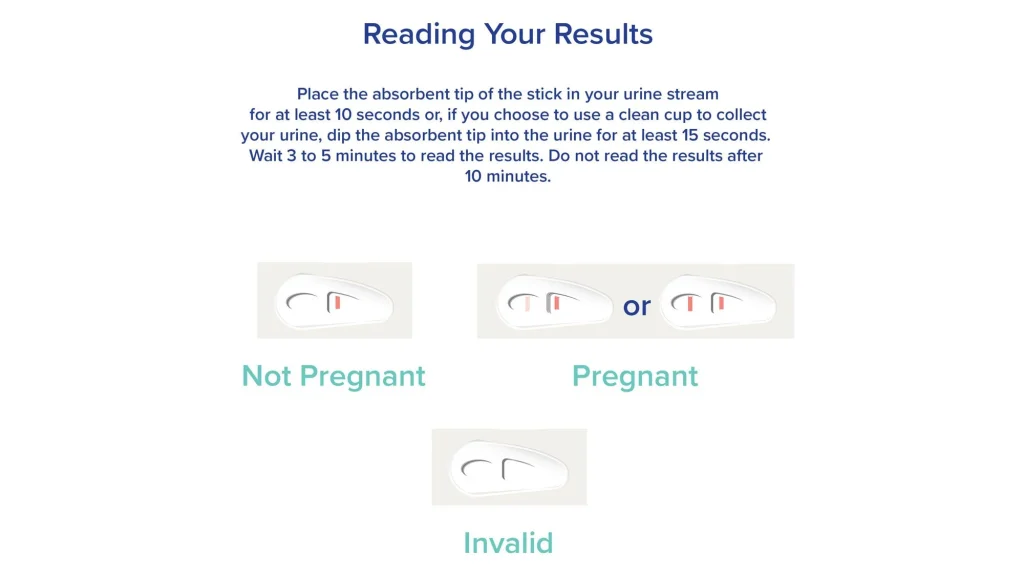
Finally, no at-home conception support kit would be complete without pregnancy tests. These tests can help determine if a couple has been successful in their baby-making efforts. It’s essential to have a few pregnancy tests on hand to avoid any unnecessary stress and to be prepared for the exciting news of a positive result.
In conclusion, an at-home conception support kit is a valuable tool for couples who are trying to conceive naturally. By including these essential components in their kit, couples can track ovulation, improve fertility, reduce stress, and increase their chances of conceiving. However, it’s essential to remember that every couple’s fertility journey is unique, and it’s crucial to consult with a healthcare professional for personalized advice and guidance.
SEO metadata:
Leave a Reply