Blog Post Title: The Science Behind Fertility Boosting Insemination Sets: Understanding How They Work
Fertility is a complex process that involves various factors, and for some couples, conceiving a child can be a challenging journey. Insemination sets, also known as at-home insemination kits, have become popular among couples trying to conceive. These kits provide a more affordable and convenient option for artificial insemination compared to traditional medical procedures. But how exactly do these insemination sets work and what is the science behind their effectiveness? In this blog post, we will delve into the science behind fertility boosting insemination sets and how they can increase the chances of conceiving.
Understanding Fertility and Insemination
Before we dive into the science behind insemination sets, it’s essential to understand how fertility and insemination work. Fertility is the ability to conceive and carry a child to full term. Insemination, on the other hand, refers to the process of introducing sperm into the female reproductive system. In traditional medical procedures, insemination is typically done in a clinical setting, where a doctor will insert sperm directly into the uterus or cervix. However, with the advancement of technology, at-home insemination kits have become available, making the process more accessible and affordable for couples.
The Role of Sperm in Fertility
Sperm plays a crucial role in the process of conception. During sexual intercourse, millions of sperm are ejaculated into the female reproductive system. These sperm then swim through the cervix and into the fallopian tubes, where they meet the egg. Only one sperm can fertilize the egg, and this fertilized egg then implants itself in the uterus, resulting in pregnancy.
Factors Affecting Fertility
Several factors can affect fertility, including age, health conditions, and lifestyle choices. As a woman ages, her fertility declines due to a decrease in the number and quality of eggs. Health conditions such as endometriosis, polycystic ovary syndrome (PCOS), and sexually transmitted infections (STIs) can also affect fertility. Lifestyle choices such as smoking, excessive alcohol consumption, and poor nutrition can also decrease fertility.
How Insemination Sets Work
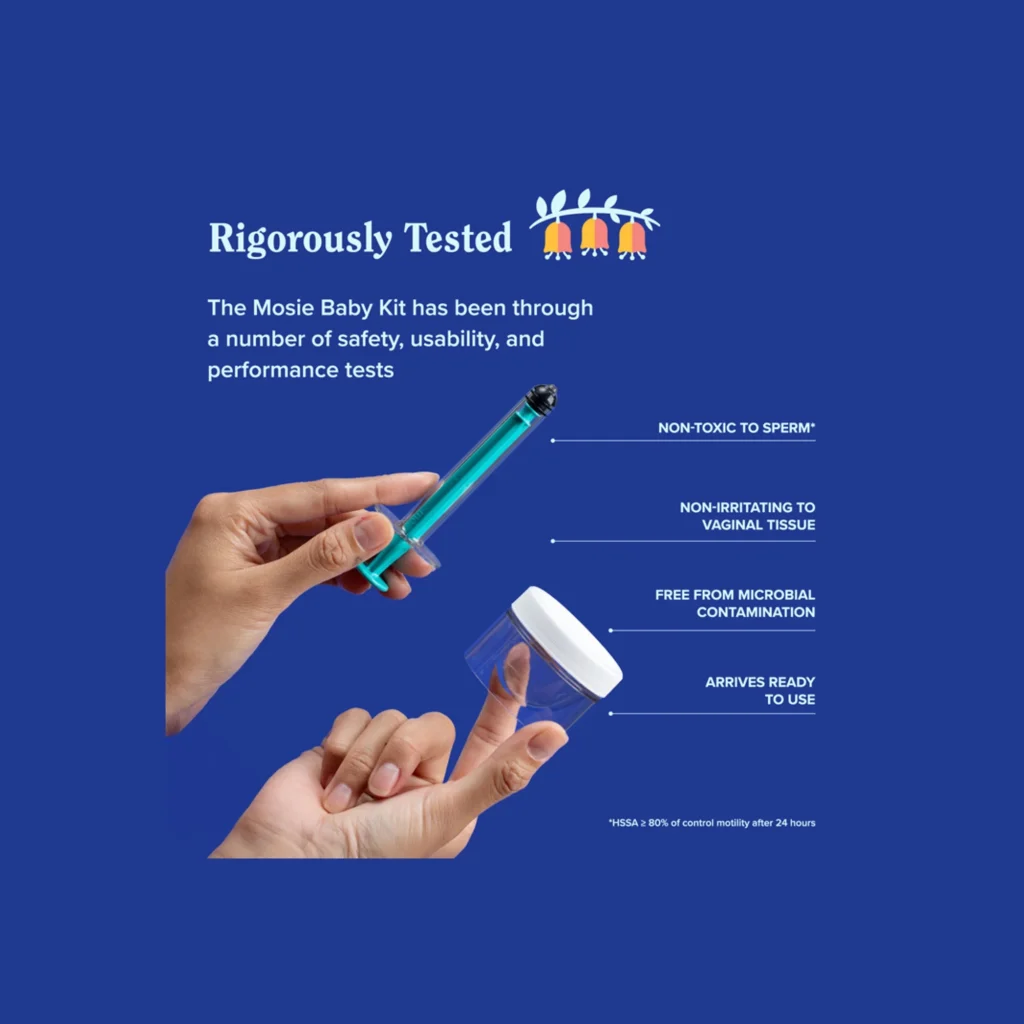
Insemination sets work by providing a method for introducing sperm into the female reproductive system, bypassing the need for sexual intercourse. These kits typically come with a syringe or a soft cup, along with a vial of sperm. The sperm can either be fresh or frozen and is often provided by a sperm bank. The couple can then use the syringe or soft cup to deposit the sperm near the cervix, increasing the chances of fertilization.
The Science Behind Fertility Boosting Insemination Sets
Now that we understand the basics of fertility and insemination let’s delve into the science behind how insemination sets can boost fertility. There are two main ways in which insemination sets can increase the chances of conceiving.
1. Timing is Everything
The Science Behind Fertility Boosting Insemination Sets
For conception to occur, sperm must be present in the female reproductive system when the egg is released from the ovary. This is known as the fertile window, which is typically five days before ovulation and on the day of ovulation itself. Insemination sets can help couples time intercourse more accurately by depositing sperm directly near the cervix, increasing the chances of fertilization during the fertile window.
2. Increasing Sperm Count
For conception to occur, an adequate number of sperm must reach the egg. Insemination kits can help increase sperm count by providing a concentrated dose of sperm near the cervix. This is especially beneficial for men with a low sperm count, as the concentrated dose increases the chances of one sperm reaching and fertilizing the egg.
Additional Factors to Consider
While insemination sets can be an effective method for increasing fertility, there are a few additional factors to consider.
1. Sperm Quality
The success of insemination sets also depends on the quality of the sperm being used. Sperm quality can be affected by various factors, such as age, health, and lifestyle choices. It’s essential to ensure that the sperm being used is of good quality to increase the chances of conception.
2. Medical Conditions
Insemination sets may not be suitable for couples with certain medical conditions that can affect fertility. It’s crucial to consult with a doctor before using these kits, especially if you or your partner have any underlying health conditions.
3. Success Rates
The success rates of insemination sets vary and can depend on various factors, such as age and sperm quality. While it can be a more affordable option compared to traditional medical procedures, it’s essential to manage expectations and be prepared for multiple attempts.
In conclusion, fertility boosting insemination sets can be an effective option for couples trying to conceive. By understanding the science behind how they work, couples can make informed decisions and increase their chances of conceiving. However, it’s essential to consult with a doctor and consider all factors before using these kits. With the right timing, sperm quality, and expectations, insemination sets can be a valuable tool in the journey towards parenthood.
Summary:
Fertility is a complex process, and for some couples, conceiving a child can be a challenging journey. Insemination sets, also known as at-home insemination kits, have become a popular option for artificial insemination. These kits provide a more affordable and convenient option compared to traditional medical procedures. The science behind how these kits work lies in their ability to time intercourse accurately and increase sperm count, ultimately boosting fertility. However, it’s crucial to consider factors such as sperm quality, medical conditions, and success rates before using insemination sets.
Leave a Reply