Blog Post:
In today’s world, many couples struggle with fertility issues. For some, the solution may come in the form of insemination sets. These sets, also known as artificial insemination kits, are a popular method of assisted reproduction that can help couples conceive. However, there is often confusion and misinformation surrounding these sets and their impact on fertility. In this blog post, we will take a closer look at the research surrounding insemination sets and their impact on fertility.
What are Insemination Sets?
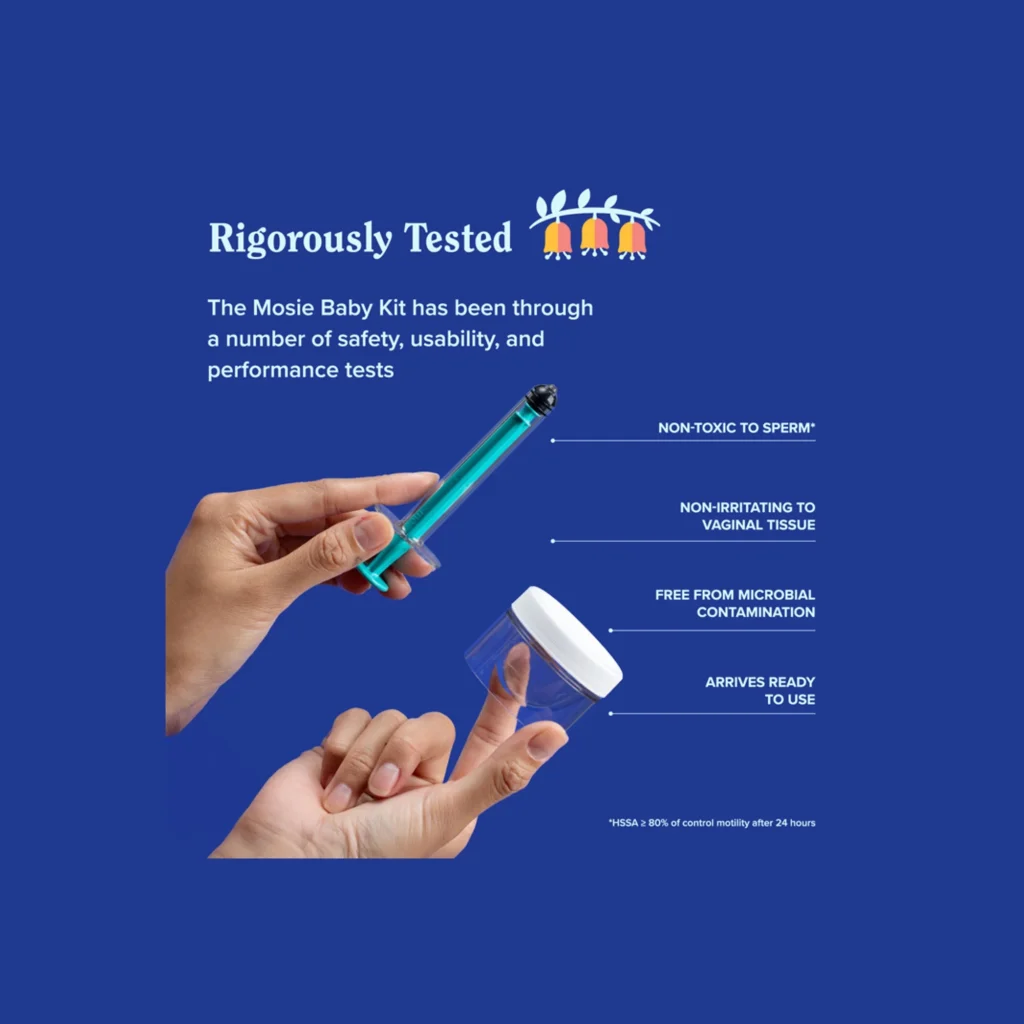
Insemination sets are kits that contain all the necessary tools and materials for artificial insemination. This process involves placing sperm directly into a woman’s reproductive tract to increase the chances of fertilization. Insemination sets typically include a syringe, a speculum, a catheter, and a collection cup for the sperm. These kits are widely available and can be used at home or in a medical setting.
The Impact of Insemination Sets on Fertility
The use of insemination sets has been a topic of debate and controversy in the medical community. Some experts argue that these sets can increase the chances of pregnancy, while others suggest that they may not be as effective as other fertility treatments. To better understand the impact of insemination sets on fertility, let’s take a look at some of the recent research on the topic.
1. Success Rates
One of the biggest concerns with insemination sets is their success rates. According to recent studies, the success rates of insemination sets vary greatly. Some studies have shown success rates as high as 25%, while others have reported rates as low as 5%. These discrepancies may be due to various factors such as the age and health of the couple, the quality of the sperm, and the timing of the insemination.
2. Timing of Insemination
The Impact of Insemination Sets on Fertility: What the Research Says
Timing plays a crucial role in the effectiveness of insemination sets. Research suggests that the success rates of insemination sets are higher when performed within 24 hours of ovulation. This is because the egg has a limited lifespan, and if insemination is not done at the right time, the sperm may not have a chance to fertilize the egg. It is important to track ovulation carefully and perform insemination at the optimal time for the best chances of success.
3. Sperm Quality
Another important factor that can impact the success of insemination sets is the quality of the sperm. Studies have shown that the use of fresh, washed sperm can significantly increase the chances of pregnancy compared to using frozen or unwashed sperm. This is because fresh sperm is more mobile and has a higher concentration, making it easier for them to reach and fertilize the egg.
4. Medical vs. Home Insemination
One of the biggest debates surrounding insemination sets is whether they should be used in a medical setting or at home. Some couples prefer the convenience and privacy of using the kits at home, while others believe that medical insemination is more effective. Research suggests that the success rates of home insemination are comparable to those of medical insemination. However, medical insemination may offer additional benefits such as the use of more advanced techniques and the expertise of medical professionals.
5. Risks and Side Effects
Like any medical procedure, there are risks and potential side effects associated with the use of insemination sets. These can include infection, discomfort, and even allergic reactions. It is essential to carefully follow the instructions provided with the kit and consult with a medical professional if you experience any adverse effects.
In summary, the impact of insemination sets on fertility is a complex and individualized matter. While the success rates may vary, research suggests that when used correctly, these sets can be an effective option for couples struggling with fertility issues. However, it is crucial to carefully consider factors such as timing, sperm quality, and the potential risks before deciding to use insemination sets.
In conclusion, the use of insemination sets can be a helpful tool for couples trying to conceive. However, it is important to do thorough research and consult with a medical professional before using these kits. Factors such as timing, sperm quality, and the potential risks should be carefully considered. With the right approach and proper use, insemination sets can be a valuable option for couples on their fertility journey.
SEO Metadata:
Leave a Reply