Blog Post: DIY Fertility: Tools for Tracking Your Cycle and Ovulation
Are you and your partner trying to start a family but struggling to conceive? Or perhaps you’re planning for the future and want to understand your fertility better. Tracking your menstrual cycle and ovulation is an essential step in understanding your body and maximizing your chances of conception. In this blog post, we will discuss the importance of tracking your cycle and ovulation, and provide you with some DIY tools to make the process easier.
Why Track Your Cycle and Ovulation?
Your menstrual cycle is a crucial aspect of your reproductive health. It is the monthly process of your body preparing for a potential pregnancy, and it is controlled by hormones. Understanding your cycle and being able to predict when you will ovulate can significantly increase your chances of conceiving. Ovulation is when the ovaries release an egg, and it is the most fertile time of your cycle. If you are trying to get pregnant, having sex during this time maximizes your chances of conceiving.
Tracking your cycle and ovulation can also help you identify any irregularities in your cycle, which could be a sign of an underlying health issue. It can also help you determine the best time to try for a baby. For example, if you have a regular 28-day cycle, you will likely ovulate around day 14. But if you have a longer cycle, you may ovulate later, and tracking can help you pinpoint the exact time.
Now that we understand the importance of tracking our cycle and ovulation let’s look at some DIY tools that can help us do so effectively.
Basal Body Temperature (BBT) Charting
Basal Body Temperature (BBT) charting involves taking your temperature first thing in the morning before getting out of bed. Your BBT is your body’s temperature at rest, and it can help you identify when you have ovulated. Before ovulation, your BBT is lower, and it increases after ovulation due to the release of the hormone progesterone. By tracking your BBT every day, you can identify when your temperature rises, indicating that you have ovulated.
To track your BBT, you will need a basal thermometer, which is more sensitive and accurate than a regular thermometer. You can also use a BBT chart or an app to record your daily temperature and track your cycle. It’s essential to note that BBT charting requires consistency and should be done every day at the same time to get accurate results.
Cervical Mucus Monitoring
DIY Fertility: Tools for Tracking Your Cycle and Ovulation
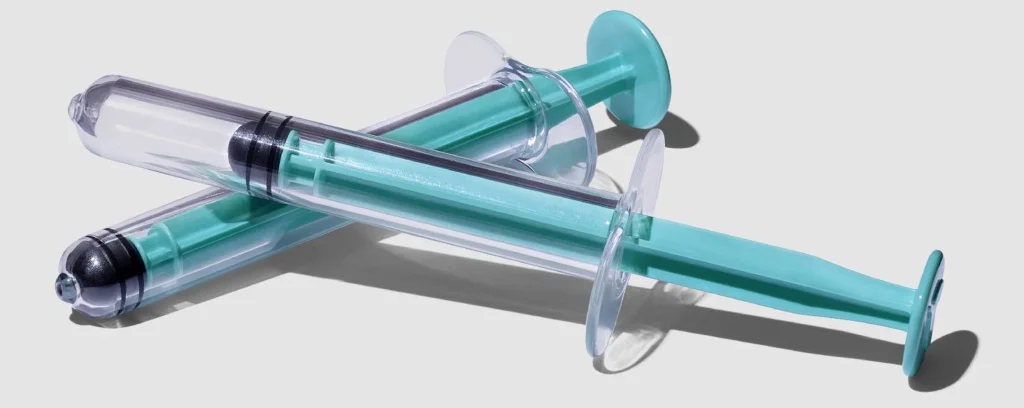
Monitoring your cervical mucus is another DIY tool for tracking your ovulation. The cervix produces mucus throughout your menstrual cycle, and the texture and consistency of the mucus change depending on where you are in your cycle. During your fertile window, the mucus becomes thin, slippery, and clear, similar to the consistency of egg whites. This type of mucus helps sperm swim through the cervix and survive longer in the reproductive tract, increasing your chances of conceiving.
To track your cervical mucus, you can use a clean finger to collect a sample of mucus from your vaginal opening and observe its texture and consistency. You can also use a chart or an app to record your observations and determine your fertile days.
Ovulation Predictor Kits (OPKs)
Ovulation Predictor Kits (OPKs) are another useful tool for tracking your ovulation. They work by detecting the surge of luteinizing hormone (LH) in your urine, which happens a day or two before ovulation. The LH surge triggers the release of the egg from the ovary, and OPKs can help you determine your most fertile days.
OPKs are easy to use and are available over-the-counter at most drugstores. They come with test strips that you dip in your urine, and the results are usually ready within a few minutes. It’s essential to follow the instructions carefully and test at the same time each day to get accurate results.
Menstrual Cycle Tracking Apps
In this digital age, there are many apps available that can help you track your menstrual cycle and ovulation. These apps allow you to record your period start and end dates, BBT, cervical mucus observations, and other relevant information. They also use algorithms to predict your fertile days and notify you when you are most likely to ovulate. Some apps also allow you to track other factors such as intercourse, ovulation symptoms, and even your mood.
While these apps are convenient, it’s essential to choose a reliable and accurate one. Look for apps with good reviews and ratings, and make sure they are backed by medical professionals. It’s also crucial to remember that these apps are not a substitute for professional medical advice and should be used as a supplement to other tracking methods.
In conclusion, tracking your menstrual cycle and ovulation is crucial for understanding your fertility and increasing your chances of conception. Whether you choose to use BBT charting, cervical mucus monitoring, OPKs, or a combination of these methods, consistency is key. By tracking your cycle and ovulation, you can take control of your reproductive health and make informed decisions about your fertility journey.
Summary:
Tracking your menstrual cycle and ovulation is crucial for understanding your fertility and increasing your chances of conception. By tracking your BBT, cervical mucus, using OPKs, or a menstrual cycle tracking app, you can determine your fertile days and take control of your reproductive health. These DIY tools require consistency and are not a substitute for professional medical advice.
Leave a Reply