Blog Post: The Importance of Documentation in Insemination on Your Own Terms
Insemination, also known as artificial insemination, is a method of assisted reproduction where sperm is placed into the reproductive tract of a female in order to fertilize an egg. While traditionally used by heterosexual couples struggling with infertility, insemination has become a popular option for single individuals and same-sex couples who want to start a family on their own terms. However, with this shift in societal norms comes the need for proper documentation in the insemination process.
Documentation may not be the first thing that comes to mind when considering insemination, but it is a crucial aspect that should not be overlooked. In this blog post, we will explore the importance of documentation in insemination on your own terms and why it should not be taken lightly.
1. Legal Protection
One of the primary reasons why documentation is crucial in insemination is for legal protection. In many countries, the laws surrounding assisted reproduction are still evolving, and there may be gray areas when it comes to the rights and responsibilities of donors, recipients, and children born through insemination. Without proper documentation, there may be confusion and potential legal issues in the future. By having written agreements and records of the insemination process, all parties involved can have a clear understanding of their roles and responsibilities, ensuring a smoother process and avoiding any legal complications.
2. Medical History
Another critical aspect of documentation in insemination is the recording of medical history. When using a sperm donor, it is essential to have a thorough understanding of their medical history to ensure the health and well-being of the recipient and any potential offspring. Proper documentation of the donor’s health history, including any genetic conditions or diseases, can help make informed decisions and avoid potential health risks. Furthermore, having medical records can also be helpful in the case of any medical emergencies or complications that may arise during or after the insemination process.
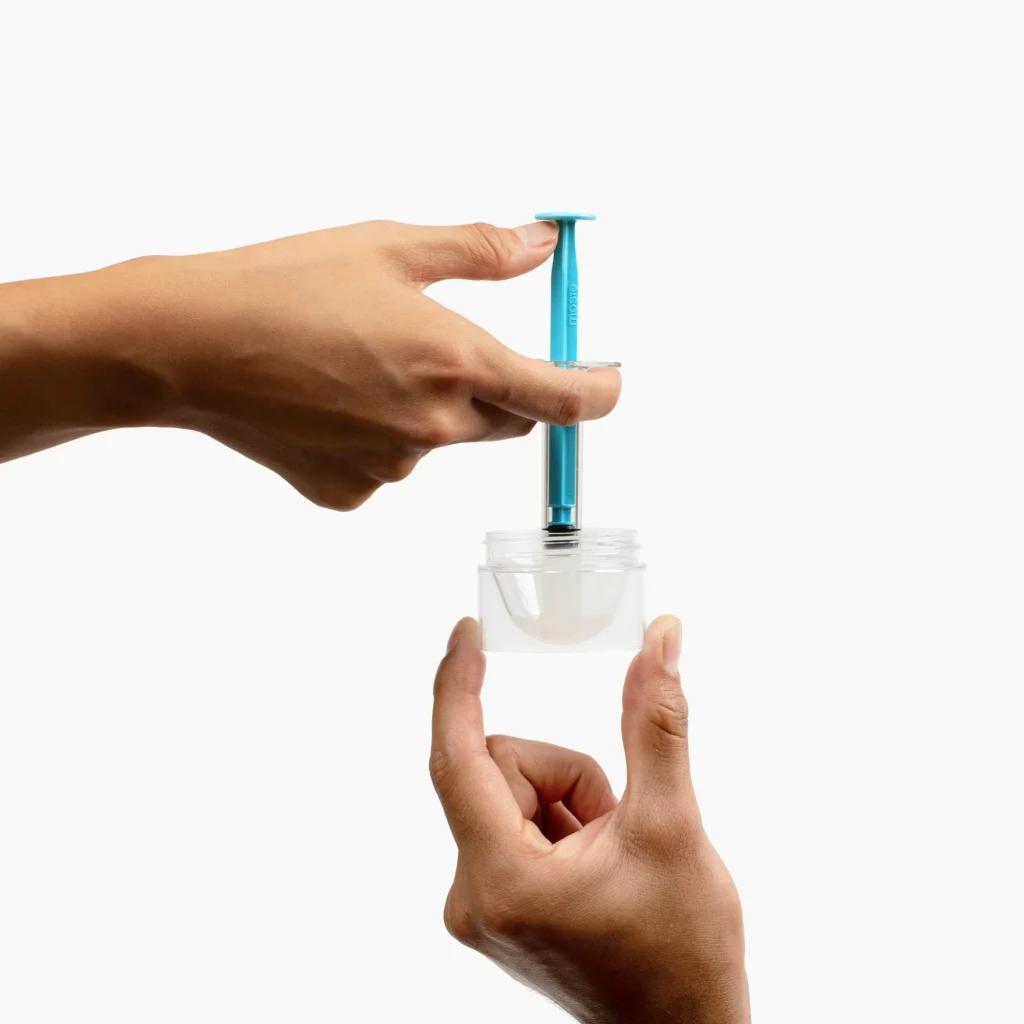
The Importance of Documentation in Insemination on Your Own Terms
3. Donor Anonymity
For those using a sperm donor, documentation is crucial in maintaining donor anonymity. Many donors choose to remain anonymous, and it is essential to respect their wishes. Proper documentation, such as written agreements and records, can help maintain anonymity and confidentiality for both the donor and recipient. It also ensures that the donor’s identity is protected in case of any legal disputes or requests for information in the future.
4. Financial Agreements
Insemination can be a costly process, and it is essential to have proper documentation of any financial agreements between the donor and recipient. This includes any expenses incurred during the insemination process, such as medical procedures, travel costs, or compensation for the donor. Having written agreements and records can help avoid any misunderstandings or disputes regarding financial obligations and ensure a fair and transparent process for all parties involved.
5. Emotional Considerations
Insemination can be an emotionally charged process, and having proper documentation can help manage expectations and avoid any emotional complications. Written agreements can outline the roles and responsibilities of all parties involved, ensuring that everyone is on the same page and there are no misunderstandings. It can also help manage any potential emotional attachments between the donor and recipient, as well as any future relationships between the donor and the child.
In conclusion, documentation is a crucial aspect of insemination on your own terms. It provides legal protection, ensures donor anonymity, records medical history, manages financial agreements, and considers emotional factors. By having proper documentation, all parties involved can have a clear understanding of their roles and responsibilities, making the insemination process smoother and more successful.
In summary, insemination on your own terms is a significant decision that requires careful consideration and proper documentation. From legal protection and medical history to donor anonymity and emotional considerations, documentation plays a crucial role in ensuring a smooth and successful process. So, if you are considering insemination, make sure to prioritize documentation to avoid any potential issues in the future.
Leave a Reply