At-Home Insemination: A Cost-Effective Option for Growing Families
As the cost of fertility treatments continues to rise, many couples and individuals are turning to at-home insemination as a more affordable option for starting or growing their families. This method involves using donor sperm to inseminate the female partner at home, without the need for expensive medical procedures. While it may not be the right choice for everyone, at-home insemination offers a cost-effective and accessible way for many individuals and couples to achieve their dream of having a child.
Understanding At-Home Insemination
At-home insemination is a form of artificial insemination that can be done in the comfort and privacy of one’s own home. It involves using a syringe or other device to insert donor sperm into the female partner’s vagina or cervix. This method can be used by both heterosexual and same-sex couples, as well as single individuals who are trying to conceive.
One of the main advantages of at-home insemination is the cost. Fertility treatments such as in vitro fertilization (IVF) can cost tens of thousands of dollars, making it unaffordable for many people. On the other hand, at-home insemination can cost as little as a few hundred dollars, depending on the cost of the sperm and any additional supplies needed.
Another benefit of at-home insemination is the ability to choose the donor. Many couples and individuals prefer to use a known donor, such as a friend or family member, to provide the sperm. This can be a more comfortable and personal option for some, and it also eliminates the cost of purchasing sperm from a sperm bank.
Steps to At-Home Insemination
Before starting the at-home insemination process, it is important to consult with a healthcare provider to ensure that there are no underlying fertility issues. Once you have the green light, there are a few steps to follow to increase the chances of success.
First, you will need to choose a donor. This can be a known donor or sperm purchased from a sperm bank. It is important to thoroughly research the donor and ensure that they have undergone thorough medical and genetic screening. Purchasing sperm from a reputable sperm bank also ensures the quality and safety of the sperm.
At-Home Insemination: A Cost-Effective Option for Growing Families
Next, you will need to prepare the sperm for insemination. If using a known donor, the sperm can be collected in a sterile container and then inserted into the female partner’s body immediately. If using sperm from a sperm bank, it will need to be shipped to your home and kept at room temperature until it is ready to use.
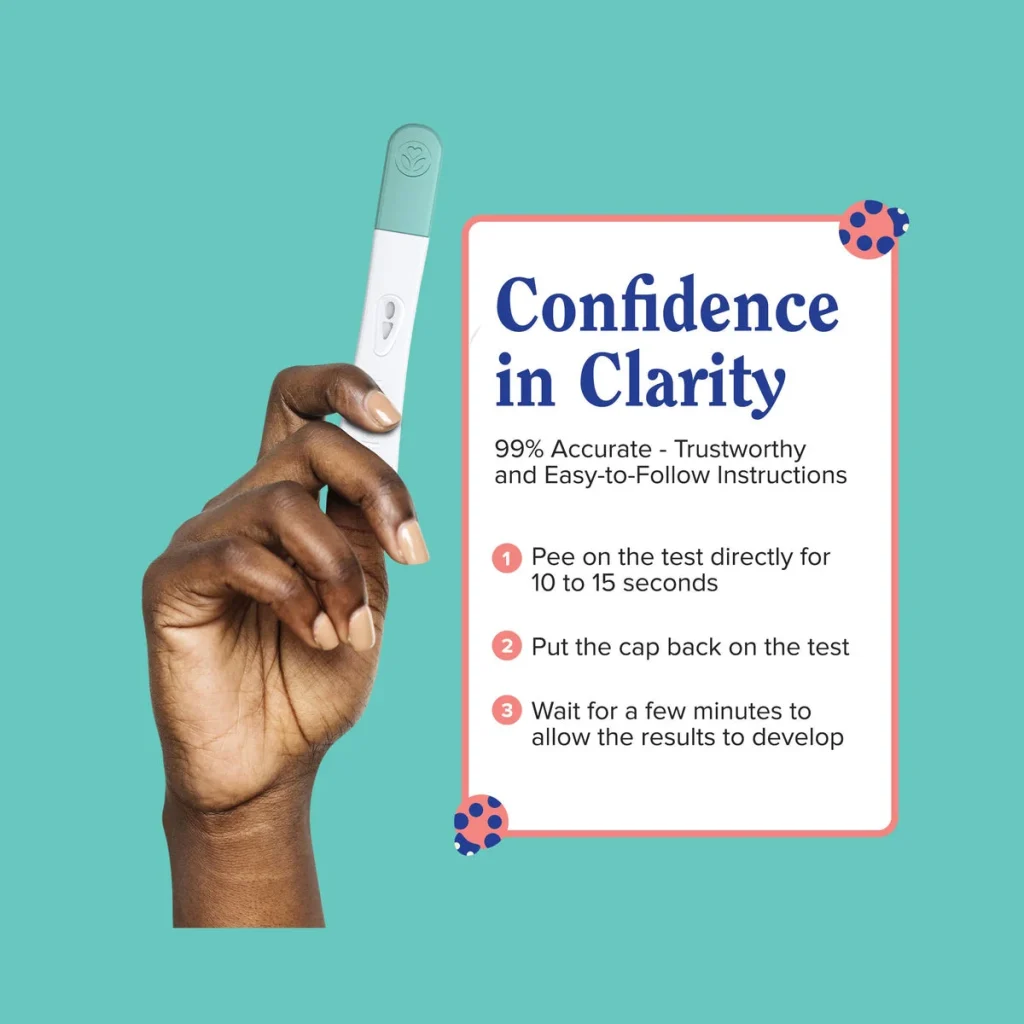
The third step is to track ovulation to determine the best time for insemination. This can be done using ovulation predictor kits or tracking basal body temperature. Once ovulation is detected, the sperm can be inserted into the vagina or cervix using a syringe or other device.
Success Rates and Risks
The success rates of at-home insemination vary, but it is generally lower than other fertility treatments such as IVF. Factors such as age, fertility issues, and timing can all affect the success rate. However, many couples and individuals have successfully conceived using at-home insemination.
As with any medical procedure, there are also some risks involved with at-home insemination. These include the risk of infection and the possibility of allergic reactions to the sperm. It is important to follow proper hygiene and safety precautions to minimize these risks.
Is At-Home Insemination Right for You?
While at-home insemination may be a cost-effective option for many, it is not the right choice for everyone. Individuals and couples should carefully consider their options and consult with a healthcare provider to determine if this method is suitable for their specific situation. It is also important to have a support system in place, as the emotional and physical journey of trying to conceive can be challenging.
Summary:
At-home insemination is a cost-effective option for individuals and couples looking to start or grow their families. This method involves using donor sperm to inseminate the female partner in the comfort and privacy of their own home. At-home insemination offers several advantages, including cost savings and the ability to choose a known donor. However, it is important to consult with a healthcare provider and carefully consider the risks and success rates before deciding if this method is right for you.
Leave a Reply