At-home insemination, also known as self-insemination, is a method used by individuals or couples who are trying to conceive without the assistance of a medical professional. The syringe method, in particular, involves using a sterile syringe to deposit semen into the vagina or cervix. This method has gained popularity in recent years due to its convenience and cost-effectiveness compared to other forms of assisted reproductive technology. While it may seem like a simple process, the psychological impact of at-home insemination with the syringe method should not be overlooked.
One of the most significant psychological impacts of at-home insemination is the emotional rollercoaster that individuals or couples may experience. The process of trying to conceive can be emotionally taxing, and at-home insemination adds another layer of pressure and stress. The anticipation and hope of a successful insemination can quickly turn into disappointment and frustration when it does not result in pregnancy. This emotional turmoil can take a toll on an individual’s mental health and strain the relationship between couples.
Another psychological impact of at-home insemination is the feeling of isolation. Unlike traditional methods of assisted reproductive technology, such as intrauterine insemination (IUI) or in vitro fertilization (IVF), at-home insemination is done in the privacy of one’s home. This can lead to feelings of being alone in the process, especially for single individuals or couples who choose not to share their journey with others. The lack of support and understanding from friends and family can also contribute to a sense of isolation.
Moreover, at-home insemination can also bring about feelings of inadequacy and self-doubt. Individuals or couples struggling with infertility may already have insecurities and feelings of failure. The pressure to successfully conceive through at-home insemination can exacerbate these feelings, especially if it takes several attempts or does not result in pregnancy. It is essential for individuals and couples to address these emotions and seek support from therapists or support groups to cope with these feelings.
The Psychological Impact of At-Home Insemination with the Syringe Method
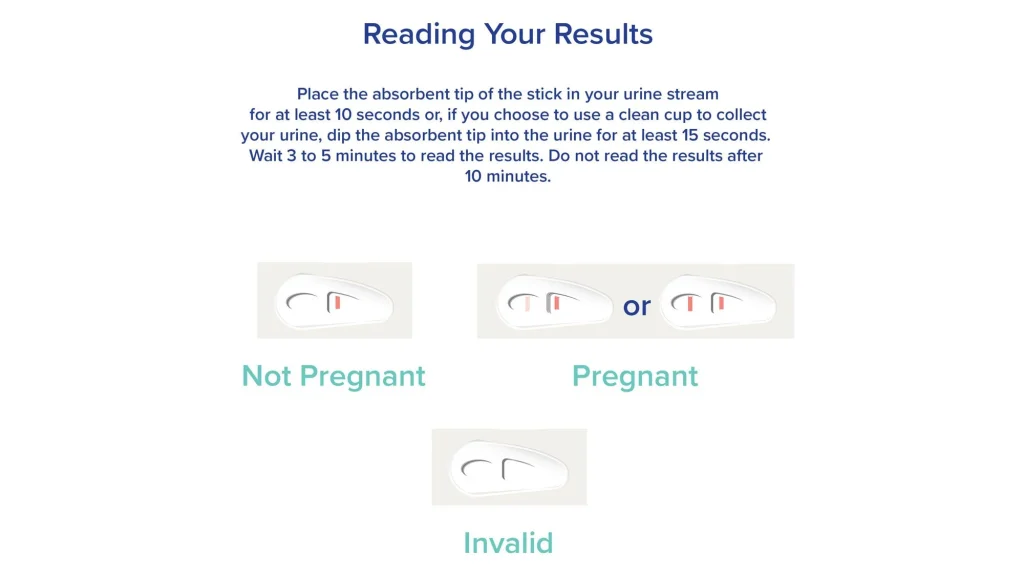
Another aspect of the psychological impact of at-home insemination is the lack of control and uncertainty. Unlike medical procedures done by professionals, at-home insemination relies solely on the individuals or couples performing the procedure. This can lead to anxiety and doubts about whether the process was done correctly. Additionally, the uncertainty of whether the insemination was successful or not can cause significant stress and anxiety during the waiting period before taking a pregnancy test.
On the other hand, at-home insemination can also have a positive psychological impact on individuals or couples. For some, the ability to take control of their fertility journey and perform the insemination themselves can be empowering. It can also bring a sense of intimacy and bonding for couples who choose to do the procedure together. The cost-effectiveness of at-home insemination can also alleviate financial stress and provide a sense of relief for those who may not be able to afford other forms of assisted reproductive technology.
Despite the potential psychological impacts, at-home insemination with the syringe method has helped many individuals and couples achieve their dream of starting a family. However, it is crucial to acknowledge and address the psychological challenges that come with this process. Seeking support from a therapist or joining online support groups can help individuals and couples navigate the emotional aspects of at-home insemination.
In conclusion, at-home insemination with the syringe method can have significant psychological impacts on individuals or couples trying to conceive. It can bring about a range of emotions, from hope and excitement to disappointment and stress. It is essential for individuals and couples to be aware of these potential impacts and seek support to cope with the emotional challenges. Ultimately, with the right support and mindset, at-home insemination can be a successful and rewarding journey towards parenthood.
Leave a Reply