Blog Post Title: Everything You Need to Know About Home Insemination: A Starter Pack
Summary:
Home insemination, also known as at-home insemination, is a method of assisted reproduction that allows individuals and couples to conceive in the comfort of their own home. This option has become increasingly popular due to its affordability and convenience. In this blog post, we will provide a comprehensive guide to home insemination, including the basics, the process, and important considerations.
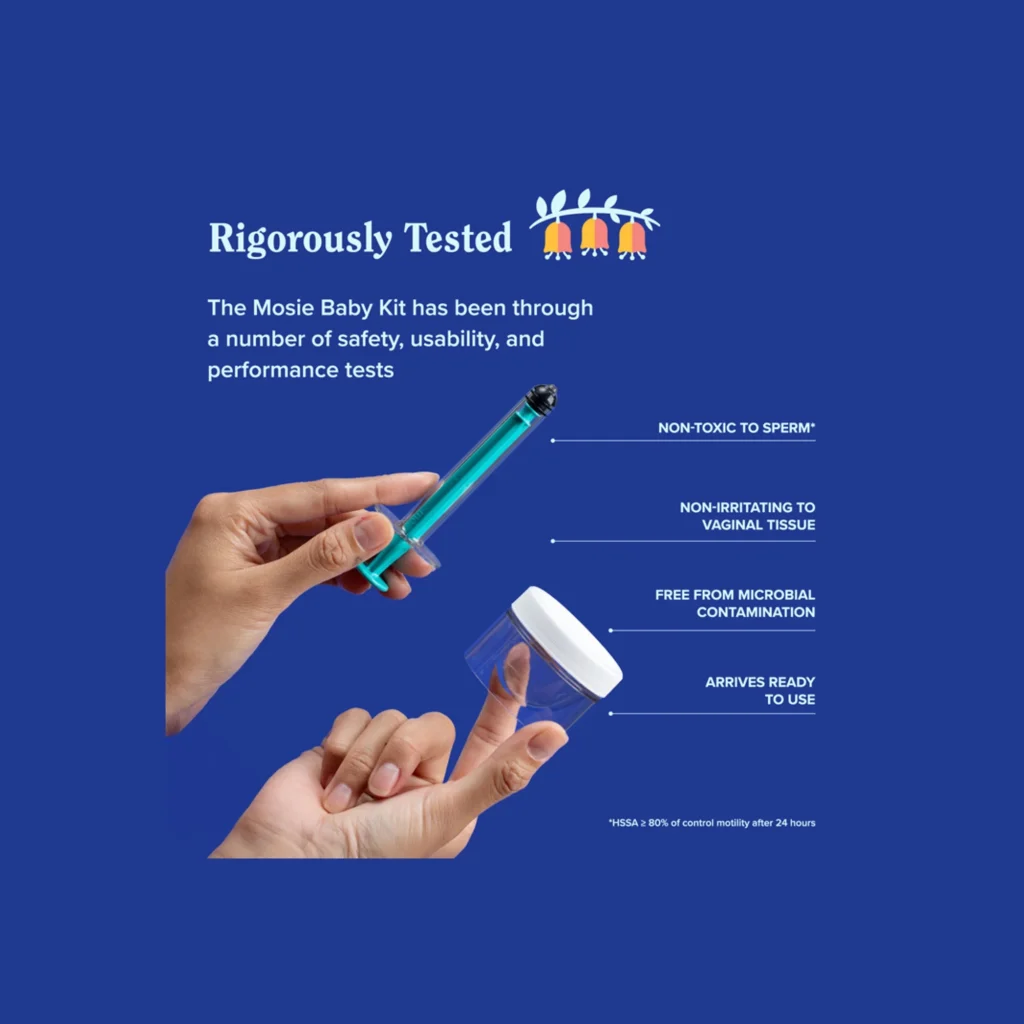
First, let’s start with the basics. Home insemination is a form of artificial insemination where sperm is introduced into the reproductive tract of a woman in order to fertilize an egg. This can be done using a variety of methods, such as using a syringe, a cervical cap, or a menstrual cup. The goal is to bring the sperm as close to the cervix as possible to increase the chances of conception.
Everything You Need to Know About Home Insemination: A Starter Pack
The process of home insemination involves several steps. The first step is to purchase donor sperm, which can be obtained from a sperm bank or through known donors. It is important to choose a reputable sperm bank and to thoroughly screen any known donors to ensure the health and quality of the sperm. Next, you will need to prepare the sperm for insemination. This may involve thawing frozen sperm or preparing fresh sperm. Then, using a sterile syringe or other method, the sperm is inserted into the vagina and directed towards the cervix. It is recommended to use an ovulation predictor kit to determine the most fertile days for insemination.
There are several important considerations to keep in mind when considering home insemination. First, it is important to have a clear understanding of the legal implications, as laws regarding home insemination can vary by country and state. It is also crucial to have open and honest communication with your partner or any known donors involved in the process. Additionally, it is important to seek the guidance of a healthcare professional to ensure that you are following proper procedures and to monitor your progress.
One of the main benefits of home insemination is the affordability. Compared to other assisted reproductive techniques, home insemination is significantly less expensive. It also allows for privacy and control over the entire process. However, it is important to note that there are no guarantees of success, and it may take multiple attempts before achieving pregnancy.
While home insemination is a viable option for many individuals and couples, it is not suitable for everyone. Factors such as age, fertility issues, and medical conditions may make it necessary to seek medical assistance. It is important to consult with a healthcare professional to determine the best course of action for your specific situation.
In conclusion, home insemination can be a successful and cost-effective option for those looking to conceive. However, it is important to research and understand the process, as well as to seek the guidance of a healthcare professional. With careful planning and consideration, home insemination can be a fulfilling and rewarding experience.
Leave a Reply