Blog Post: Insemination Syringe Systems vs Traditional Methods: Which Is Right for You?
Artificial insemination is a popular method for people who are struggling with fertility issues or who are in same-sex relationships. It involves inserting sperm into the uterus to increase the chances of fertilization. However, there are different methods of artificial insemination, with the most common being traditional insemination and insemination syringe systems. In this blog post, we will discuss the differences between these two methods and help you determine which one is right for you.
Traditional Insemination:
Traditional insemination, also known as intracervical insemination (ICI), has been used for decades and involves a healthcare professional inserting prepared sperm into the cervix. The process typically takes place in a doctor’s office or fertility clinic, and the sperm used is usually washed and concentrated to increase the chances of fertilization.
Pros of Traditional Insemination:
1. Performed by a professional: One of the main advantages of traditional insemination is that it is performed by a healthcare professional, ensuring that the sperm is inserted into the correct location for optimal results.
2. Suitable for couples with fertility issues: Traditional insemination is a suitable option for couples who are struggling with fertility issues, as it bypasses any potential obstacles in the reproductive system.
3. Available in medical settings: Since traditional insemination is performed in a medical setting, it is a more accessible option for individuals who may not feel comfortable performing the process at home.
Cons of Traditional Insemination:
1. Costly: Traditional insemination can be expensive, especially if multiple treatments are needed.
2. Time-consuming: The process of traditional insemination can be time-consuming, as it requires multiple visits to a doctor’s office or fertility clinic.
3. Limited privacy: For some individuals, the lack of privacy in a medical setting can be uncomfortable and may affect the success of the insemination process.
Insemination Syringe Systems:
Insemination syringe systems, also known as at-home insemination or intracervical insemination (ICI), are gaining popularity as a more convenient and cost-effective alternative to traditional insemination. This method involves using a sterile syringe to insert sperm into the cervix at home.
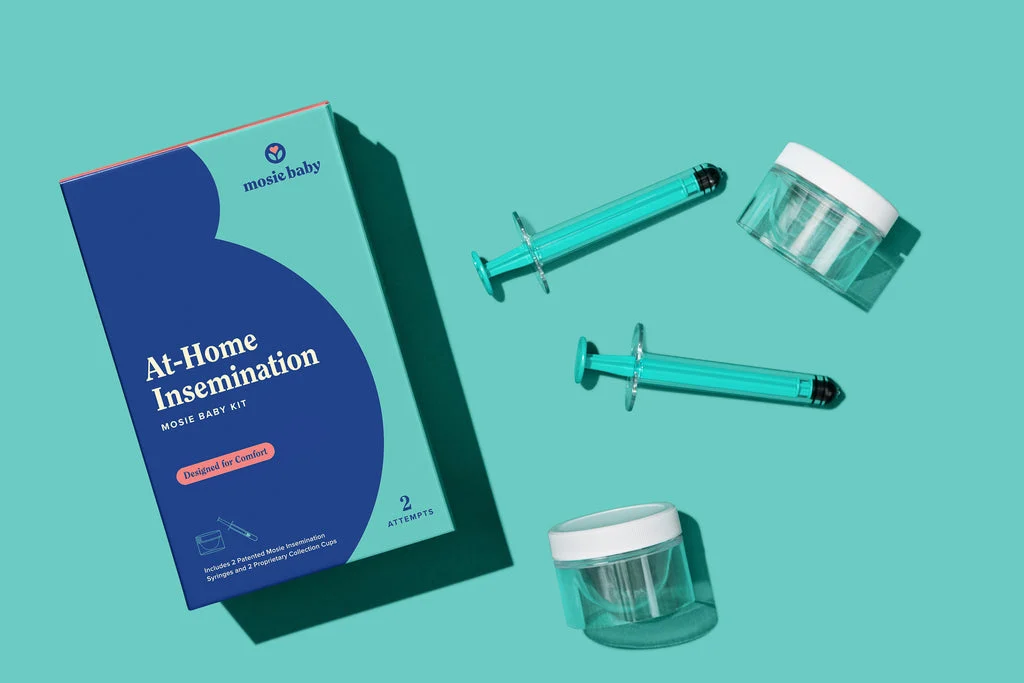
Insemination Syringe Systems vs Traditional Methods: Which Is Right for You?
Pros of Insemination Syringe Systems:
1. Cost-effective: Insemination syringe systems are more affordable than traditional insemination, making it a more accessible option for individuals or couples who cannot afford expensive medical treatments.
2. Convenient: Since the process can be done at home, it eliminates the need for multiple visits to a doctor’s office or fertility clinic, saving time and effort.
3. Increased privacy: Insemination syringe systems allow for more privacy and intimacy during the insemination process, which can be beneficial for some individuals or couples.
Cons of Insemination Syringe Systems:
1. Requires preparation: Unlike traditional insemination, which is performed by a healthcare professional, insemination syringe systems require the individual or couple to prepare the sperm themselves. This may be a challenge for some individuals or couples.
2. Increased risk of infection: If not done correctly, at-home insemination can increase the risk of infection. It is essential to follow proper hygiene and safety procedures when using insemination syringe systems.
3. Not suitable for all fertility issues: Insemination syringe systems may not be the best option for individuals or couples with certain fertility issues, as it does not bypass any potential obstacles in the reproductive system.
Which Method is Right for You?
Choosing the right method of artificial insemination depends on your individual circumstances and preferences. If you are comfortable with the cost and the process of traditional insemination and have fertility issues, it may be the best option for you. However, if cost and convenience are a concern and you do not have any fertility issues, insemination syringe systems may be a more suitable option.
It is essential to consult with a healthcare professional to determine which method is right for you and to ensure that you follow proper safety procedures when using insemination syringe systems.
In conclusion, both traditional insemination and insemination syringe systems have their pros and cons, and the right method for you will depend on your individual needs and preferences. It is crucial to weigh these factors and consult with a healthcare professional before making a decision. With the advancements in technology and the increasing popularity of at-home insemination, more options are available for individuals or couples looking to start or expand their families.
Summary:
Insemination syringe systems and traditional insemination are two methods of artificial insemination. Traditional insemination is performed by a healthcare professional in a medical setting, while insemination syringe systems can be done at home. Traditional insemination is suitable for couples with fertility issues, while insemination syringe systems are more cost-effective and convenient. The right method for an individual or couple will depend on their personal circumstances and preferences, and it is essential to consult with a healthcare professional before making a decision.
Leave a Reply