Insemination Syringe Systems 101: Everything You Need to Know
Insemination is the process of introducing sperm into the female reproductive tract to fertilize an egg and achieve pregnancy. It can be done through natural intercourse or through assisted reproductive techniques such as artificial insemination. One method of artificial insemination that is gaining popularity is the use of insemination syringe systems. In this blog post, we will discuss everything you need to know about this method, including what it is, how it works, and its benefits and limitations.
What is an Insemination Syringe System?
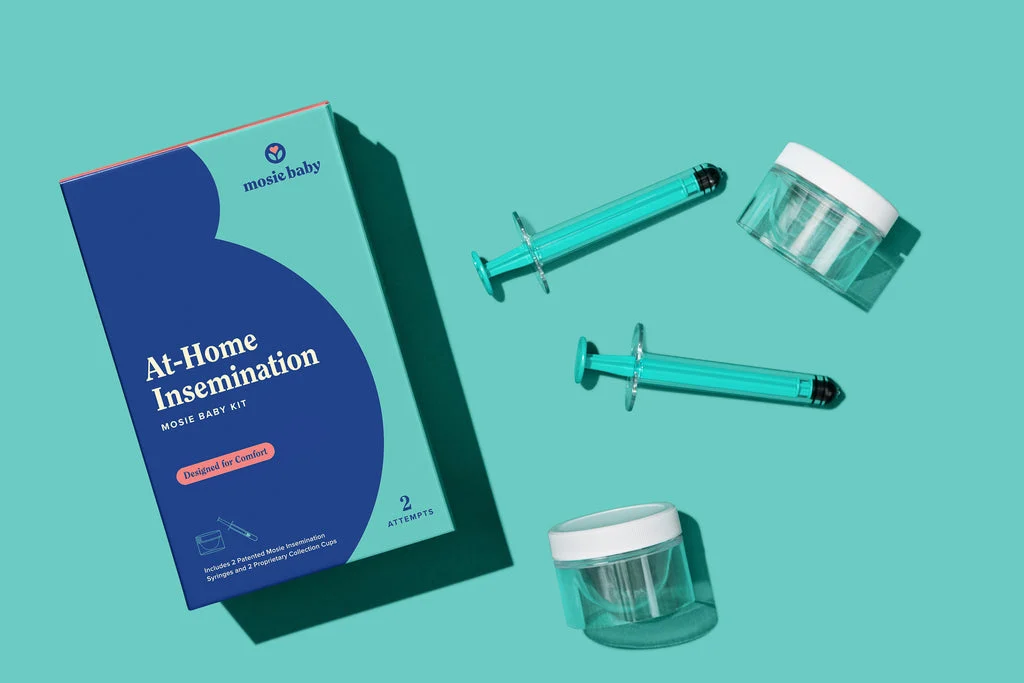
An insemination syringe system is a simple and affordable device used to deliver sperm into the female reproductive tract for the purpose of fertilization. It consists of a syringe, a catheter, and a collection cup. The syringe is used to collect the semen, which is then transferred into the catheter. The catheter has a flexible tip that allows for easy insertion into the cervix. The collection cup is used to catch any excess semen that may be left in the syringe after insemination.
How Does it Work?
The first step in using an insemination syringe system is to collect the semen. This can be done through masturbation or by using a special condom during intercourse. Once the semen is collected, it is transferred into the syringe. The catheter is then inserted into the vagina and guided through the cervix into the uterus. The sperm is then injected into the uterus using the syringe. The entire process is quick and can be done at home without the need for medical assistance.
Benefits of Insemination Syringe Systems
1. Cost-effective: Insemination syringe systems are relatively inexpensive compared to other assisted reproductive techniques such as in vitro fertilization (IVF). This makes it a more accessible option for couples who are trying to conceive.
2. Convenience: Insemination syringe systems can be used in the comfort of your own home, eliminating the need for frequent visits to a fertility clinic. This also gives couples more control over the timing of insemination, making it easier to plan around ovulation.
3. Non-invasive: Unlike other assisted reproductive techniques, insemination syringe systems do not require any invasive procedures or medications. This makes it a more natural and less stressful option for couples.
Insemination Syringe Systems 101: Everything You Need to Know
4. Suitable for low sperm count: Insemination syringe systems are a viable option for couples with male factor infertility, where the male partner has a low sperm count. The concentrated sperm can be directly injected into the uterus, increasing the chances of fertilization.
5. Can be used with donor sperm: Insemination syringe systems can also be used with donor sperm, making it an option for single women or same-sex couples who want to start a family.
Limitations of Insemination Syringe Systems
1. Lower success rates: The success rates of insemination syringe systems are lower compared to other assisted reproductive techniques, such as IVF. This is because the sperm has to travel a longer distance to reach the egg, and there is no guarantee that it will fertilize the egg.
2. Requires accurate timing: Insemination syringe systems must be done at the right time, around the time of ovulation. If the timing is off, it may decrease the chances of fertilization.
3. Limited to certain fertility issues: Insemination syringe systems are most effective for couples with minor fertility issues, such as low sperm count or cervical mucus problems. It may not be suitable for more complex fertility issues.
4. No control over the quality of sperm: Unlike IVF, where the quality of sperm can be assessed and selected, insemination syringe systems use the sperm as it is, without any control over its quality.
In Conclusion
Insemination syringe systems are a simple and affordable option for couples trying to conceive. It is a convenient and non-invasive method that can be done at home without the need for medical assistance. However, it may not be suitable for all fertility issues, and success rates may be lower compared to other assisted reproductive techniques. It is important to consult with a fertility specialist to determine if this method is right for you.
In summary, insemination syringe systems are a cost-effective, convenient, and non-invasive method of artificial insemination. It involves using a syringe, catheter, and collection cup to deliver sperm into the female reproductive tract. While it may have limitations, it is a viable option for couples with minor fertility issues and can also be used with donor sperm. Overall, it provides an accessible and natural way for couples to achieve pregnancy.
Leave a Reply