Summary:
When it comes to artificial insemination, choosing the right syringe system is crucial for success. This process can be done at home with a DIY approach or with the help of a professional. In this blog post, we will discuss the different types of insemination syringe systems available, their pros and cons, and which one may be the best fit for you.
First, we will delve into the DIY approach. This method involves using a disposable plastic syringe, which can be easily purchased at a pharmacy or online. These syringes are affordable and readily available, making them a popular choice for at-home insemination. However, they may not be the most effective option as they are not specifically designed for this purpose. The lack of precision and control in the measurements can lead to inaccurate insemination, reducing the chances of success.
On the other hand, professional insemination syringe systems are specifically designed for this purpose and offer more precision and control. These systems usually consist of a syringe, a catheter, and a speculum. The syringe is designed to accurately measure and deliver the sperm into the cervix, while the catheter helps guide the sperm to the desired location. The speculum allows for better visualization and access to the cervix, making the process easier.
There are two types of professional insemination syringe systems: intrauterine insemination (IUI) and intracervical insemination (ICI). IUI involves placing the sperm directly into the uterus, while ICI involves placing the sperm into the cervix. Both methods have their own advantages and disadvantages.
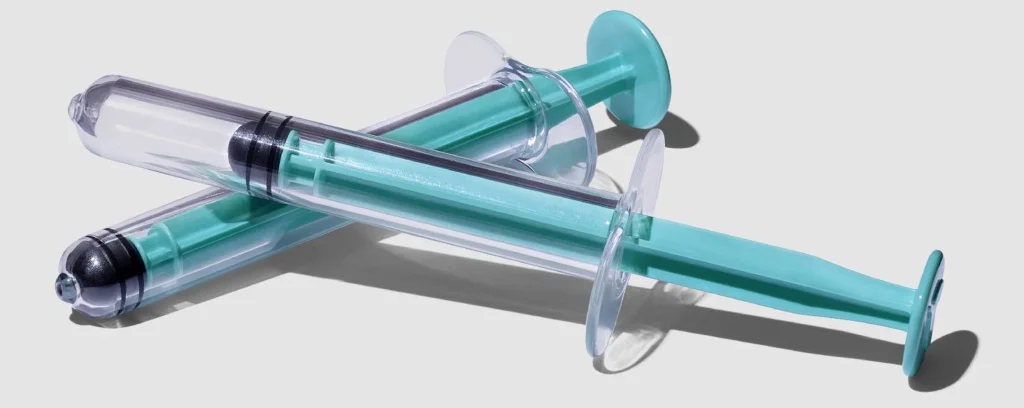
From DIY to Professional: Choosing the Right Insemination Syringe System for You
IUI is more commonly used by fertility clinics and has a higher success rate compared to ICI. This is because the sperm is placed closer to the egg, increasing the chances of fertilization. However, IUI requires a trained medical professional to perform the procedure, making it a more expensive option.
On the other hand, ICI can be done at home with the help of a partner or a donor. It is a more affordable option and does not require any special training. However, the success rate of ICI is lower compared to IUI, as the sperm has to travel a longer distance to reach the egg.
In addition to these factors, there are also different types of catheters and syringes within each professional system. The most common types of catheters are the soft catheter and the rigid catheter. Soft catheters are more flexible and are usually used for IUI, while rigid catheters are stiffer and are typically used for ICI. The type of catheter used depends on personal preference and what works best for the individual’s body.
When it comes to syringes, there are different sizes and designs available. Some syringes have a curved tip, making it easier to reach the cervix, while others have a plunger that can be easily pulled back for accurate measurement. It is important to choose a syringe that feels comfortable and easy to use for the individual.
In conclusion, choosing the right insemination syringe system depends on personal preference, budget, and the individual’s body. DIY syringes may be a more affordable option, but they may not offer the precision and control needed for successful insemination. Professional systems, on the other hand, offer more accurate measurements and guidance, but they may come at a higher cost. It is important to research and consider all factors before making a decision.
SEO Metadata:
Leave a Reply