DIY Baby-Making: Essential Tools for Tracking Ovulation
Making the decision to start a family is an exciting and life-changing journey. For many couples, conceiving a child may not happen as easily as they had hoped. In fact, 1 in 8 couples in the United States struggle with fertility issues. Fortunately, with advancements in technology and a better understanding of the human body, there are several tools available for tracking ovulation and increasing the chances of conception. In this blog post, we will discuss the essential tools for tracking ovulation, empowering couples to take control of their fertility journey and increase their chances of successfully conceiving a baby.
Understanding Ovulation
Before diving into the essential tools for tracking ovulation, it’s important to have a basic understanding of the ovulation process. Ovulation is the release of an egg from the ovary, which then travels down the fallopian tube and is ready to be fertilized by a sperm. This typically occurs once a month, around day 14 of a 28-day menstrual cycle. However, every woman’s body is different, and ovulation may occur at different times for different individuals.
Tracking Ovulation Through Basal Body Temperature
One of the most common and reliable methods for tracking ovulation is by monitoring basal body temperature (BBT). This involves taking your temperature every morning before getting out of bed and recording it on a chart. A slight increase in temperature, usually around 0.5 to 1 degree Fahrenheit, indicates that ovulation has occurred. This is due to the rise in progesterone levels after ovulation. BBT tracking requires consistency and can be done with a regular thermometer or a specialized BBT thermometer.
Using Ovulation Predictor Kits
Ovulation predictor kits (OPKs) are another popular tool for tracking ovulation. These kits detect the presence of luteinizing hormone (LH) in the urine, which surges just before ovulation. This surge indicates that an egg is about to be released, and the couple can then time intercourse accordingly. OPKs are easy to use and can be purchased over-the-counter, making them a convenient option for many couples.
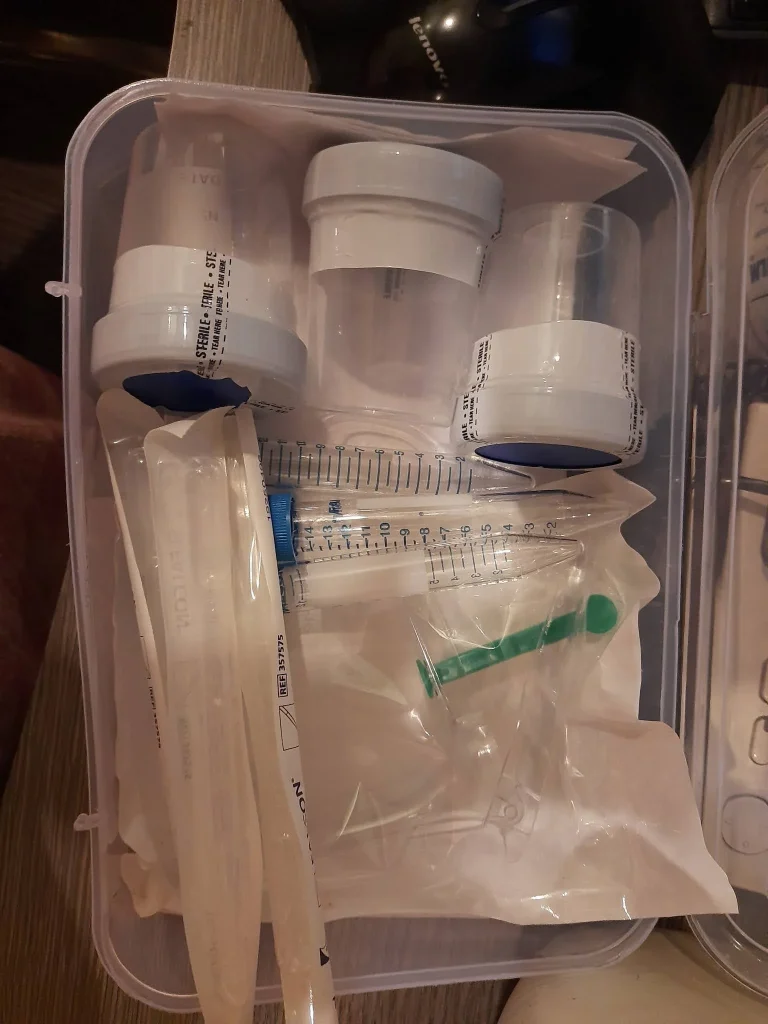
DIY Baby-Making: Essential Tools for Tracking Ovulation
Tracking Cervical Mucus
Another way to track ovulation is by monitoring changes in cervical mucus. Cervical mucus is a fluid secreted by the cervix that helps sperm travel through the reproductive system. As ovulation approaches, cervical mucus becomes more thin, slippery, and stretchy, resembling the consistency of egg whites. This type of mucus is ideal for sperm to survive and travel through, increasing the chances of fertilization. Couples can track changes in cervical mucus by observing it daily and noting any changes in consistency and appearance.
Using Fertility Apps
In today’s digital age, there are several fertility apps available that can help track ovulation and other important factors related to conception. These apps use data input by the user, such as BBT, menstrual cycle, and symptoms, to predict ovulation and fertile days. Some apps also offer additional features, such as tracking ovulation tests and providing educational resources. Fertility apps are a convenient and accessible option for couples who want to track their fertility journey on-the-go.
Tracking Ovulation Through Ultrasound
For couples who may be struggling with fertility issues, tracking ovulation through ultrasound may be a helpful tool. This involves undergoing an ultrasound at a fertility clinic to monitor the growth and development of follicles in the ovaries. Follicles contain the eggs and can be seen through the ultrasound. This method allows for more accurate tracking of ovulation and can help identify any potential issues with ovulation.
Incorporating Natural Remedies and Supplements
In addition to the essential tools for tracking ovulation, couples can also incorporate natural remedies and supplements to increase their chances of conception. These may include traditional herbs and supplements, such as evening primrose oil, maca root, and chasteberry, which are believed to support hormonal balance and fertility. Couples can also make dietary and lifestyle changes to promote overall health and fertility, such as reducing stress, exercising regularly, and eating a balanced diet.
In conclusion, tracking ovulation is an essential step for couples who are trying to conceive. By using a combination of the tools mentioned above, couples can have a better understanding of their ovulation cycle and increase their chances of successfully conceiving a baby. Whether it’s through tracking BBT, using ovulation predictor kits, monitoring cervical mucus, or incorporating natural remedies, taking control of the fertility journey can be empowering for couples.
Leave a Reply