The Impact of Hormones on Cervical Mucus and Ovulation
Hormones play a crucial role in the female reproductive system, including the process of ovulation and fertility. One of the key factors in this process is cervical mucus, which is often overlooked but can have a significant impact on a woman’s ability to conceive. In this blog post, we will explore the relationship between hormones and cervical mucus, and how it affects ovulation and fertility.
Understanding Cervical Mucus
Before we dive into the role of hormones, it’s essential to understand what cervical mucus is and its function in the female reproductive system. Cervical mucus is a fluid produced by the cells in the cervix, the lower part of the uterus. It is a clear or slightly milky substance that changes in consistency and appearance throughout a woman’s menstrual cycle.
The primary function of cervical mucus is to help sperm travel through the cervix into the uterus and fallopian tubes, where fertilization occurs. It also protects the sperm from the acidic environment of the vagina, providing a more hospitable environment for them to survive and reach the egg.
The Role of Hormones
Hormones are chemical messengers produced by the endocrine glands and released into the bloodstream, regulating various bodily functions. In the female reproductive system, hormones play a vital role in the menstrual cycle, including the production and maintenance of cervical mucus.
Estrogen is the hormone responsible for the production of cervical mucus. As estrogen levels rise during the first half of the menstrual cycle, the cervical mucus becomes thin, watery, and stretchy, resembling the consistency of egg whites. This type of mucus is known as fertile cervical mucus and is crucial for sperm to survive and reach the egg for fertilization.
On the other hand, progesterone, another hormone, is responsible for maintaining the quality of cervical mucus after ovulation. As progesterone levels increase, the mucus becomes thicker, stickier, and less hospitable to sperm, acting as a natural barrier to prevent pregnancy.
The Impact on Ovulation
Ovulation is the process of releasing an egg from the ovaries, which occurs in the middle of a woman’s menstrual cycle. It is a crucial step in the conception process, and the quality of cervical mucus plays a significant role in this process.
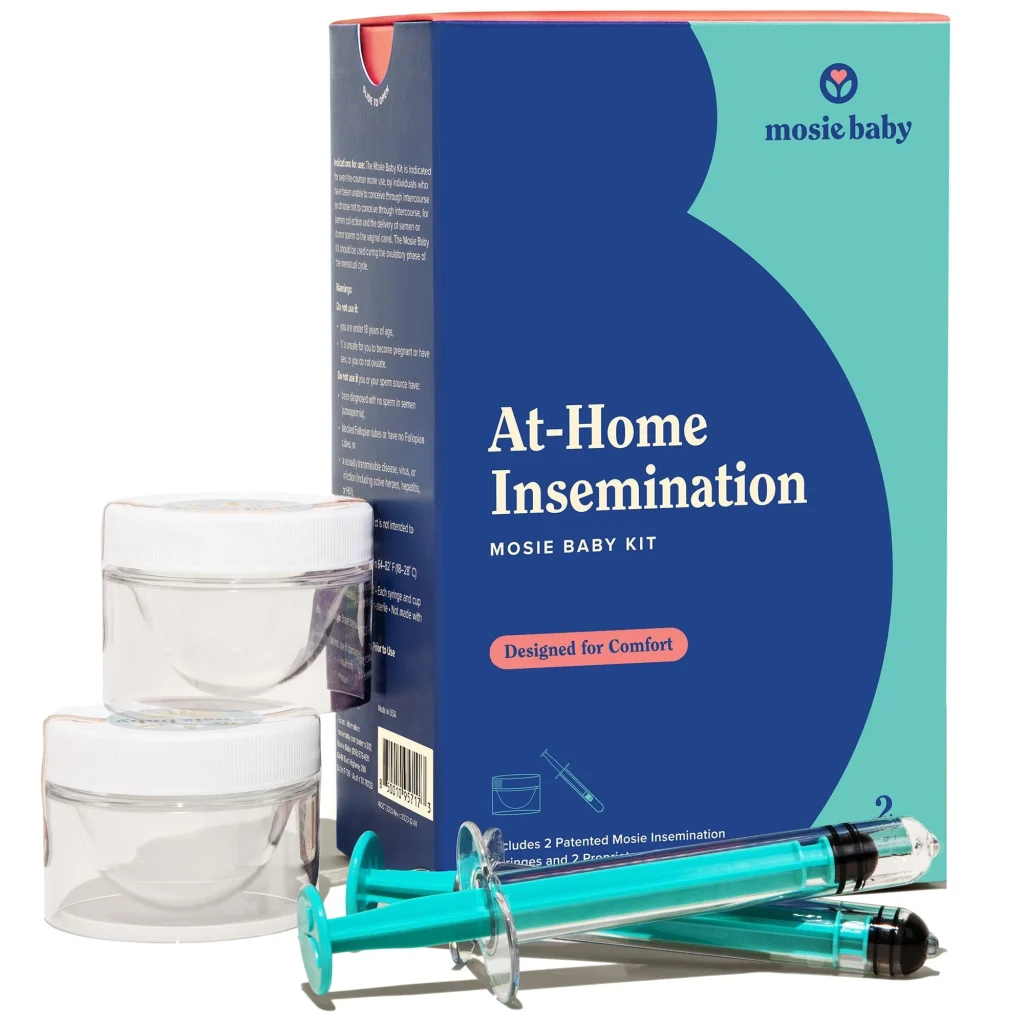
The Impact of Hormones on Cervical Mucus and Ovulation
As mentioned earlier, fertile cervical mucus is essential for sperm to survive and reach the egg. If a woman’s cervical mucus is not of good quality, it can hinder sperm’s ability to travel through the cervix, making it difficult to conceive. Additionally, if there is no fertile cervical mucus present around the time of ovulation, the sperm may not survive long enough to fertilize the egg.
Furthermore, the changes in cervical mucus consistency can also serve as an indicator of ovulation. As estrogen levels rise and fertile cervical mucus is produced, it can indicate that ovulation is near. This information can be helpful for couples trying to conceive, as it can help them time intercourse during the woman’s most fertile window.
The Impact on Fertility
Cervical mucus also plays a crucial role in fertility. If a woman’s cervical mucus is of poor quality, it can make it challenging to conceive, even if the couple has timed intercourse correctly. Poor cervical mucus can be caused by various factors, such as hormonal imbalances, medications, and certain health conditions.
Additionally, hormonal imbalances can also affect ovulation and fertility. For example, conditions like polycystic ovary syndrome (PCOS) can cause an imbalance in estrogen and progesterone levels, leading to irregular or absent ovulation and poor quality cervical mucus.
Furthermore, the use of hormonal birth control methods, such as the pill, can also impact cervical mucus and fertility. These methods work by preventing ovulation, and therefore, no fertile cervical mucus is produced. It can take some time for a woman’s natural hormone levels to regulate after stopping birth control, which can affect cervical mucus production and fertility.
Improving Cervical Mucus
If a woman is struggling with poor quality cervical mucus, there are some steps she can take to improve it. Staying hydrated and consuming a healthy, balanced diet can help maintain proper hydration levels and support hormone production. Additionally, certain supplements, such as evening primrose oil, can also help improve cervical mucus production and quality.
Furthermore, seeking medical advice from a healthcare provider can help identify and address any underlying hormonal imbalances or health conditions that may be affecting cervical mucus and fertility.
In conclusion, hormones have a significant impact on cervical mucus and ovulation. The production and quality of cervical mucus are tightly regulated by hormones, and any imbalances can affect a woman’s ability to conceive. By understanding the role of hormones in cervical mucus and fertility, women can take steps to improve their reproductive health and increase their chances of conceiving.
Summary:
Hormones play a critical role in the female reproductive system, including the process of ovulation and fertility. Cervical mucus, a fluid produced by the cervix, is essential for sperm to reach the egg for fertilization. Hormones, particularly estrogen and progesterone, regulate the production and quality of cervical mucus. Changes in cervical mucus consistency can also serve as an indicator of ovulation, and poor quality cervical mucus can make it difficult to conceive. Factors like hormonal imbalances, medications, and certain health conditions can affect cervical mucus and fertility. Taking steps such as staying hydrated, consuming a healthy diet, and seeking medical advice can help improve cervical mucus production and quality. Understanding the impact of hormones on cervical mucus and ovulation can help women take control of their reproductive health and increase their chances of conceiving.