Hormonal birth control has been a popular method of contraception for women since its introduction in the 1960s. It works by altering the levels of hormones in a woman’s body, preventing ovulation and thus, pregnancy. However, for women with polycystic ovary syndrome (PCOS), a common hormonal disorder, the use of birth control can have a significant impact on the quality of their cervical mucus, making it difficult for them to conceive when they decide to start a family.
PCOS is a condition that affects about 10% of women of reproductive age and is characterized by an imbalance of hormones, particularly an excess of androgens (male hormones) such as testosterone. This hormonal imbalance can result in irregular or absent ovulation, making it challenging for women with PCOS to get pregnant. In addition to difficulties with ovulation, PCOS can also cause changes in the quality of cervical mucus, further complicating the process of conception.
Cervical mucus, also known as cervical fluid, plays a crucial role in the reproductive process. It is a fluid produced by the cervix that changes in consistency and texture throughout a woman’s menstrual cycle. During ovulation, the cervical mucus becomes thin, stretchy, and clear, creating a hospitable environment for sperm to swim through and reach the egg. However, in women with PCOS, the hormonal imbalances can lead to changes in the production and quality of cervical mucus, which can have a negative impact on their fertility.
One of the most common treatments for PCOS is hormonal birth control, which can include oral contraceptives, patches, rings, and injections. These methods work by suppressing ovulation and thickening the cervical mucus, making it difficult for sperm to reach the egg. While this is an effective way to prevent pregnancy, it can also make it challenging for women with PCOS to conceive when they are ready.
The hormones in birth control pills can cause the cervical mucus to become thicker and stickier, creating a barrier for sperm and making it difficult for them to swim through. This can significantly reduce the chances of fertilization, even when a woman is ovulating. Furthermore, the synthetic hormones in birth control can also alter the pH balance of the cervix, making it less hospitable for sperm.
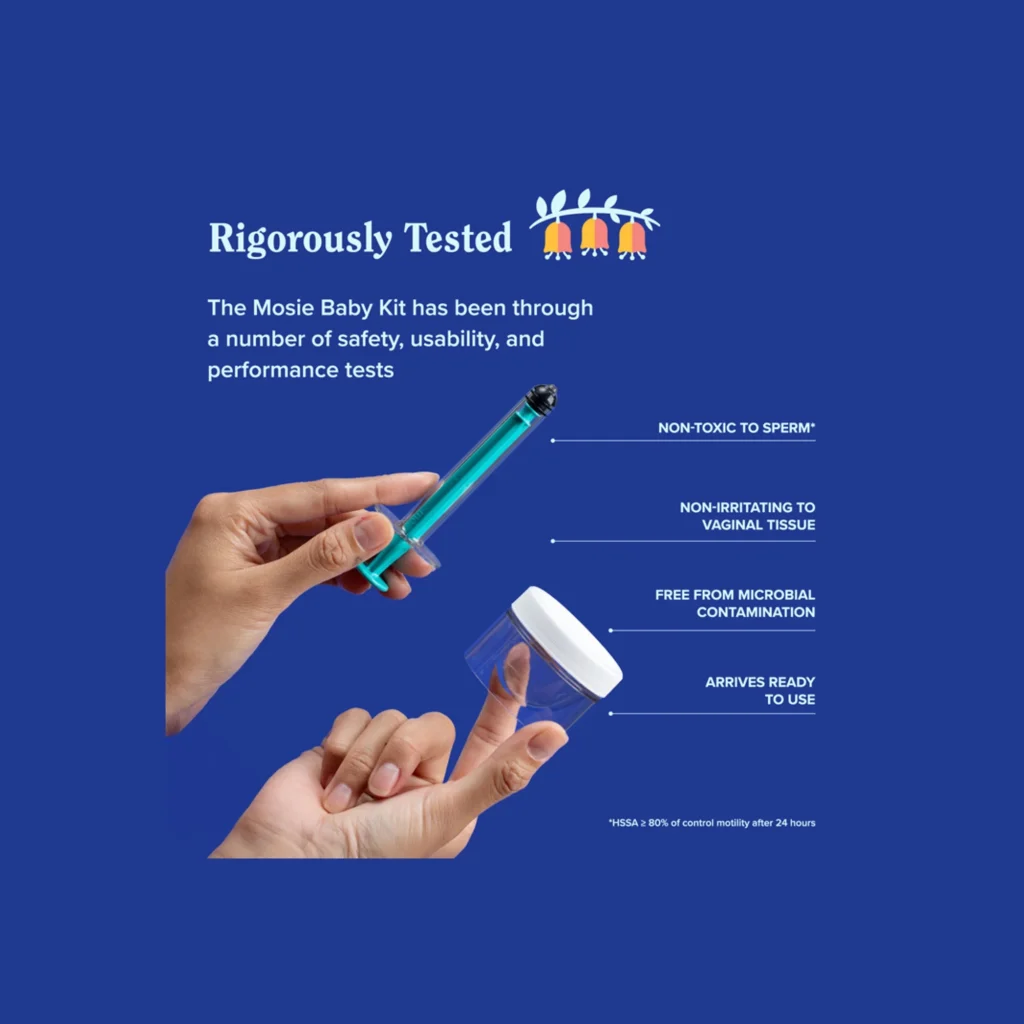
How Hormonal Birth Control Affects the Quality of Cervical Mucus for Conception in Women with PCOS
In addition to affecting the quality of cervical mucus, hormonal birth control can also impact the overall health of the reproductive system in women with PCOS. The hormones in birth control pills can suppress the production of follicle-stimulating hormone (FSH), a hormone that plays a crucial role in follicle development and ovulation. This can further disrupt the ovulation process and lead to irregular or absent periods, making it even more challenging for women with PCOS to conceive.
Moreover, the use of hormonal birth control can also mask the symptoms of PCOS, making it difficult for women to know when they are ovulating and when they have a chance of getting pregnant. This can cause a delay in seeking medical help and can prolong the time it takes for a woman with PCOS to conceive.
So, what can women with PCOS do if they want to use birth control for contraception but also plan to start a family in the future? One option is to switch to a non-hormonal birth control method, such as a copper IUD or barrier methods like condoms or diaphragms. These methods do not affect the quality of cervical mucus and do not interfere with ovulation, making them a better option for women with PCOS who want to preserve their fertility.
Another option is to use a fertility tracking method, such as tracking basal body temperature or monitoring cervical mucus to determine ovulation and time intercourse accordingly. This can be a more natural and non-invasive way to prevent pregnancy while still keeping track of ovulation for future conception attempts.
It is essential for women with PCOS to have open and honest discussions with their healthcare provider about their fertility goals and the impact of hormonal birth control on their reproductive health. By understanding how birth control affects the quality of cervical mucus and overall fertility, women can make informed decisions about their contraception and future family planning.
In conclusion, hormonal birth control can have a significant impact on the quality of cervical mucus in women with PCOS. The synthetic hormones in birth control pills can make the cervical mucus thicker and stickier, creating a barrier for sperm and making it difficult to conceive. It is crucial for women with PCOS to explore non-hormonal birth control options or consider fertility tracking methods if they plan to start a family in the future. By understanding the impact of birth control on their fertility, women can make the best choices for their reproductive health.