Cervical mucus and vaginal pH are two key factors in women’s health that are often overlooked but play a crucial role in maintaining a healthy reproductive system. Understanding these factors can help women monitor their overall health and identify potential issues early on. In this blog post, we will discuss the importance of cervical mucus and vaginal pH, how they are related, and ways to maintain a healthy balance for optimal women’s health.
Cervical mucus, also known as cervical fluid, is a fluid produced by the cells in the cervix. Its main function is to help sperm travel towards the egg for fertilization. However, cervical mucus also plays a significant role in keeping the vagina clean and healthy. It acts as a barrier, preventing harmful bacteria and substances from entering the uterus and causing infections. It also helps to flush out any dead cells and bacteria, keeping the vagina clean and free from irritation.
The consistency and amount of cervical mucus can vary throughout a woman’s menstrual cycle. During the follicular phase, which is the first half of the cycle, estrogen levels increase, causing the cervical mucus to become thin, watery, and stretchy. This type of mucus is ideal for sperm to swim through and reach the egg. As ovulation approaches, the amount of cervical mucus increases, and it becomes clearer, thinner, and more stretchy, resembling raw egg whites. This type of mucus is considered the most fertile and is a sign that a woman is about to ovulate. After ovulation, the mucus becomes thicker and less abundant, making it more difficult for sperm to travel.
Vaginal pH, on the other hand, refers to the level of acidity or alkalinity in the vagina. It is measured on a scale of 0-14, with 0 being the most acidic and 14 being the most alkaline. The ideal vaginal pH for women of reproductive age is between 3.8 and 4.5, which is slightly acidic. This acidity helps to maintain a healthy balance of bacteria in the vagina, preventing the overgrowth of harmful bacteria that can cause infections.
Maintaining a healthy balance of cervical mucus and vaginal pH is essential for women’s overall health and reproductive well-being. When these factors are imbalanced, it can lead to various health issues, such as vaginal infections, difficulty getting pregnant, and even miscarriage. Here are some key tips to help maintain a healthy balance of cervical mucus and vaginal pH:
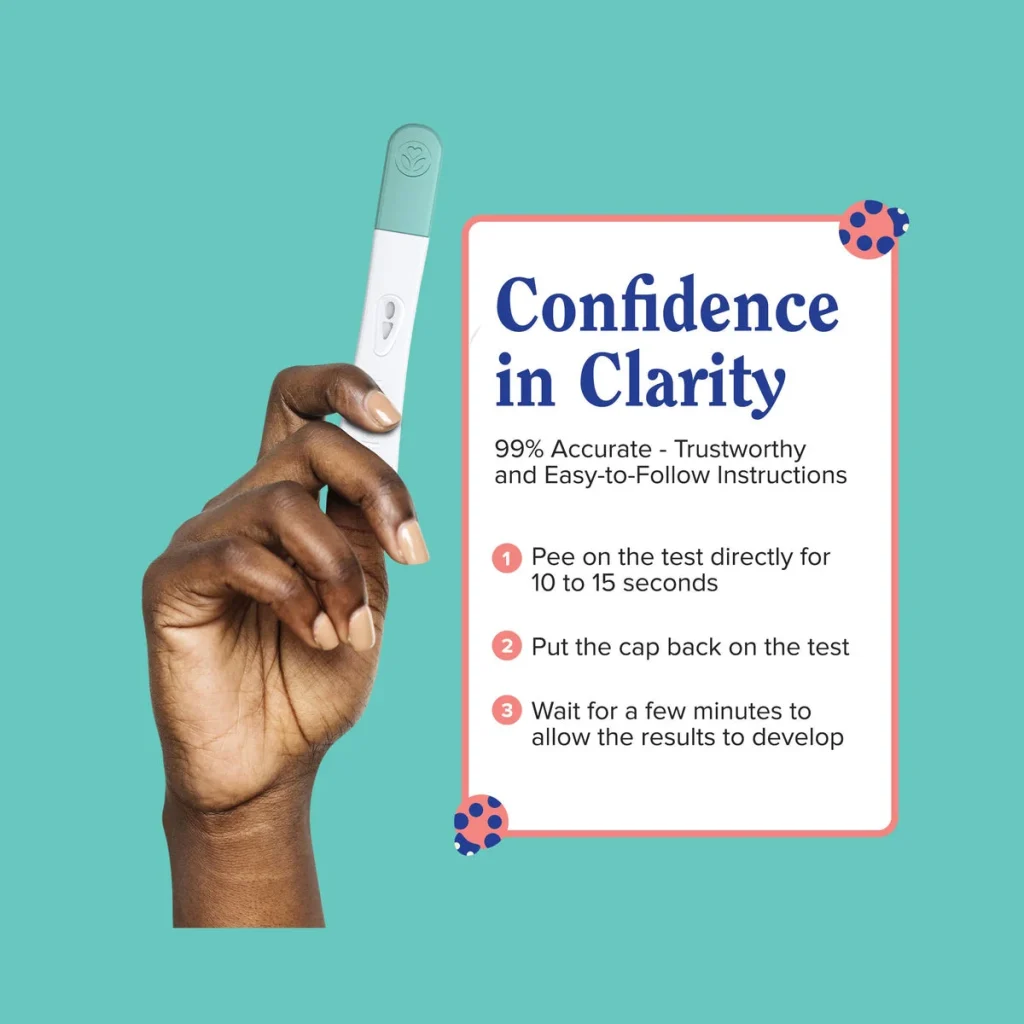
Cervical Mucus and Vaginal pH: Key Factors in Women's Health
1. Stay hydrated: Drinking plenty of water is crucial for maintaining proper hydration levels and keeping the cervical mucus thin and watery. Aim to drink at least eight glasses of water a day to support optimal cervical mucus production.
2. Avoid douching and scented products: Douching disrupts the natural balance of bacteria in the vagina, leading to an increase in pH levels and potential infections. Similarly, scented products, such as soaps and feminine hygiene sprays, can also irritate the delicate vaginal tissue and disrupt the pH balance. Stick to unscented, gentle products for intimate hygiene.
3. Eat a healthy diet: Eating a balanced diet that includes plenty of fruits, vegetables, whole grains, and lean proteins can help maintain a healthy vaginal pH. Foods like yogurt and cranberry juice can also help promote a healthy balance of good bacteria in the vagina.
4. Use protection during intercourse: The pH of semen is slightly alkaline, which can temporarily change the vaginal pH. Using condoms during intercourse can help maintain a healthy acidity level in the vagina.
5. Monitor cervical mucus changes: Keeping track of changes in cervical mucus can help women track their fertility and identify any potential issues. This can be done by checking the consistency and color of the mucus and recording it in a fertility tracking app or journal.
In conclusion, cervical mucus and vaginal pH are essential factors in women’s health that should not be ignored. Maintaining a healthy balance of these factors can prevent various health issues and support optimal reproductive health. By staying hydrated, avoiding douching and scented products, eating a healthy diet, using protection during intercourse, and monitoring cervical mucus changes, women can support a healthy balance and overall well-being.