Managing Vaginal pH and Cervical Mucus During Perimenopause
Perimenopause is a natural and normal part of a woman’s life, usually occurring between the ages of 45 and 55. During this time, the body begins to transition from the reproductive years to menopause, causing a variety of hormonal changes. These changes can have a significant impact on vaginal pH and cervical mucus, leading to discomfort and potential health issues. In this blog post, we will discuss the importance of managing vaginal pH and cervical mucus during perimenopause and provide tips for maintaining optimal vaginal health.
Understanding Vaginal pH and Cervical Mucus
Vaginal pH refers to the level of acidity in the vagina. The ideal pH for a healthy vagina is between 3.8 and 4.5, which is slightly acidic. This acidic environment helps to keep harmful bacteria and infections at bay. Cervical mucus, on the other hand, is a fluid produced by the cervix that helps to lubricate and protect the vagina. It also plays a vital role in fertility, as it helps sperm travel through the cervix and into the uterus.
How Perimenopause Affects Vaginal pH and Cervical Mucus
During perimenopause, the levels of estrogen and progesterone in the body fluctuate, often leading to changes in vaginal pH and cervical mucus. As estrogen levels decline, the vagina may become less acidic, making it more susceptible to bacterial and yeast infections. This can cause symptoms such as itching, burning, and abnormal discharge. Additionally, the decline in estrogen can also lead to a decrease in cervical mucus production, making it more difficult for sperm to reach the egg and increasing the risk of fertility issues.
Tips for Managing Vaginal pH and Cervical Mucus During Perimenopause
1. Practice Good Hygiene
Good hygiene is essential for maintaining a healthy vaginal pH. Avoid using harsh soaps, douches, or perfumed products in the vaginal area, as these can disrupt the natural balance of bacteria and lead to infections. Instead, opt for mild, unscented soap and warm water for cleansing.
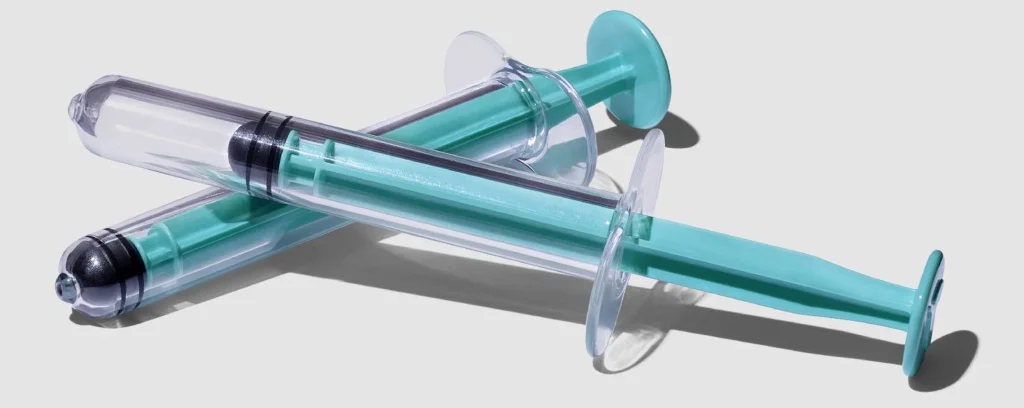
Managing Vaginal pH and Cervical Mucus During Perimenopause
2. Stay Hydrated
Staying hydrated is crucial for maintaining proper vaginal pH and cervical mucus production. When the body is dehydrated, vaginal secretions can become thicker and less abundant, making it harder for sperm to reach the egg. Aim to drink at least eight glasses of water a day to stay hydrated.
3. Consider Probiotics
Probiotics are live microorganisms that help to balance the good and bad bacteria in the body. Taking probiotic supplements or consuming probiotic-rich foods can help to maintain a healthy vaginal pH. Look for supplements specifically designed for women’s health, or incorporate foods like yogurt, kefir, and sauerkraut into your diet.
4. Use Lubrication
As estrogen levels decline during perimenopause, vaginal dryness may occur, leading to discomfort during sexual activity. Using a water-based lubricant can help to alleviate dryness and improve sexual satisfaction. Avoid using petroleum-based products, as these can cause irritation and disrupt vaginal pH.
5. Consult with Your Doctor
If you are experiencing recurrent vaginal infections or other discomfort during perimenopause, it is essential to consult with your doctor. They can perform tests to determine your vaginal pH and recommend appropriate treatment options, such as hormone therapy or vaginal estrogen creams.
In summary, managing vaginal pH and cervical mucus is crucial during perimenopause to maintain vaginal health and fertility. Practicing good hygiene, staying hydrated, using probiotics, and consulting with your doctor are all essential steps for managing vaginal pH and cervical mucus during this phase of life. By following these tips, women can experience greater comfort and maintain optimal vaginal health during perimenopause.