Cervical mucus is a natural substance produced by the cervix that plays a crucial role in the female reproductive system. It serves as a protective barrier, helps sperm travel through the reproductive tract, and indicates the fertile window for conception. But did you know that cervical mucus also plays a vital role in the process of childbirth? In this blog post, we will explore the connection between cervical mucus and successful dilation during labor.
During pregnancy, the cervix is closed and tightly sealed with a thick mucus plug. As the due date approaches, the cervix starts to soften and thin out in a process called effacement. At the same time, the mucus plug begins to loosen and eventually falls out. This is known as the “bloody show,” and it indicates that the cervix is preparing for labor.
As labor begins, the cervix starts to open or dilate to allow the baby to pass through the birth canal. This process can take several hours, but it is essential for a successful delivery. The cervix needs to dilate to at least 10 centimeters for the baby’s head to pass through.
Now, you may be wondering, what does cervical mucus have to do with dilation? Well, as the cervix dilates, it also produces more mucus. This mucus acts as a lubricant, helping the baby’s head slide through the birth canal more easily. It also serves as a protective barrier, preventing bacteria from entering the uterus and potentially causing an infection.
Moreover, the consistency and amount of cervical mucus can also indicate the progress of dilation. As the cervix opens up, the mucus becomes thinner and more watery, making it easier for the baby to pass through. It also increases in amount, creating a slippery pathway for the baby to travel.
The presence or absence of cervical mucus can also serve as a sign of when to push during labor. When the cervix is fully dilated, the mucus plug has completely fallen out, and the mucus is clear and thin. This is a signal that it is time to push and deliver the baby.
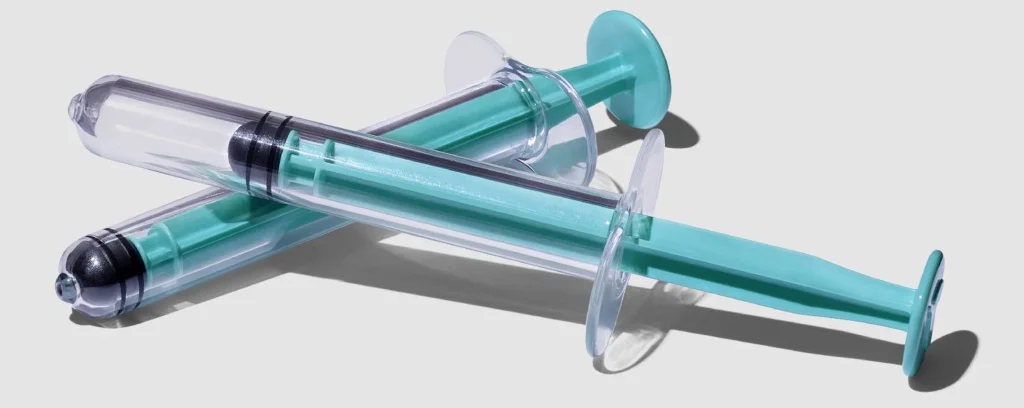
The Connection Between Cervical Mucus and Successful Dilation
On the other hand, if there is not enough cervical mucus present or it is too thick, it can impede the progress of dilation and make labor more challenging. In some cases, a medical professional may need to intervene and provide artificial lubrication to help the baby’s passage.
But why is cervical mucus essential for successful dilation? The answer lies in the hormone responsible for its production – estrogen. During pregnancy, estrogen levels rise, and this hormone is responsible for softening and thinning the cervix in preparation for labor. It also stimulates the production of cervical mucus, which is crucial for the dilation process.
Furthermore, the quality and quantity of cervical mucus can also be affected by other factors, such as hydration, stress, and medications. For example, dehydration can lead to thicker mucus, making it harder for the cervix to dilate. On the other hand, being well-hydrated can help maintain a healthy amount of cervical mucus.
In summary, cervical mucus is an essential factor in the process of dilation during labor. It acts as a lubricant, barrier, and indicator of progress, all of which are crucial for a successful delivery. The production of cervical mucus is closely linked to the hormone estrogen, and its quality and quantity can be affected by various factors.
As a soon-to-be mother or someone supporting a pregnant woman, it is essential to pay attention to cervical mucus during labor. If there are any concerns or issues, it is always best to consult a medical professional for guidance and support.
In conclusion, cervical mucus is not just a vital part of the female reproductive system, but it also plays a crucial role in the process of childbirth. Its connection to successful dilation during labor highlights its importance and emphasizes the need to pay attention to its production and quality.