Breaking the Cycle: How Environmental Toxins Affect Cervical Mucus and Fertility
The ability to conceive a child is a natural and beautiful process, but it is not always as easy as it seems. Many couples struggle with infertility, which is defined as the inability to conceive after 12 months of regular, unprotected intercourse. While there are various factors that can contribute to infertility, one often overlooked factor is the impact of environmental toxins on cervical mucus and fertility.
Cervical mucus plays a crucial role in fertility and conception. It is a fluid produced by the cervix that helps sperm travel through the reproductive tract to reach and fertilize an egg. Cervical mucus also protects sperm from the acidic environment of the vagina and provides them with essential nutrients. However, when exposed to environmental toxins, cervical mucus can become thicker or more acidic, making it difficult for sperm to survive and reach the egg.
There are numerous environmental toxins that can affect cervical mucus, including air pollution, household chemicals, pesticides, and heavy metals. These toxins can enter our bodies through various means, such as inhaling polluted air, eating contaminated food, or absorbing chemicals through the skin. Once inside the body, these toxins can disrupt the delicate balance of hormones and enzymes that regulate cervical mucus production and composition.
Air pollution is a major contributor to environmental toxins that can affect cervical mucus and fertility. Studies have shown that women living in areas with high levels of air pollution are more likely to experience fertility issues, including irregular menstrual cycles, hormonal imbalances, and difficulty conceiving. This is because air pollution contains harmful particles and chemicals that can enter the body and cause inflammation, hormonal disruptions, and oxidative stress, all of which can negatively impact cervical mucus and fertility.
Household chemicals are another source of environmental toxins that can harm cervical mucus and fertility. Many common household products, such as cleaning supplies, personal care products, and even furniture, contain harmful chemicals that can interfere with hormone production and disrupt the reproductive system. For example, chemicals like phthalates, found in many plastic products, have been linked to decreased fertility and changes in cervical mucus consistency.
Pesticides, used in agriculture to control pests and increase crop yield, are also a major source of environmental toxins that can affect cervical mucus and fertility. These chemicals can enter our bodies through the food we eat, and studies have shown that women with higher levels of pesticides in their bodies are more likely to experience fertility issues, including changes in cervical mucus. Pesticides can also disrupt hormone production, leading to irregular menstrual cycles and decreased fertility.
Heavy metals, such as lead, mercury, and arsenic, are another group of environmental toxins that can harm cervical mucus and fertility. These metals are often found in contaminated water, soil, and food, and can enter the body through consumption or inhalation. Exposure to heavy metals has been linked to hormonal imbalances, decreased sperm quality, and reduced fertility in both men and women. These toxins can also affect the composition of cervical mucus, making it more difficult for sperm to survive and reach the egg.
So, how do environmental toxins affect cervical mucus and fertility? The answer lies in their ability to disrupt the delicate balance of hormones and enzymes that regulate cervical mucus production and composition. Exposure to these toxins can lead to changes in the thickness, pH, and nutrient content of cervical mucus, making it more difficult for sperm to survive and reach the egg. This can result in difficulty conceiving, irregular menstrual cycles, and other fertility issues.
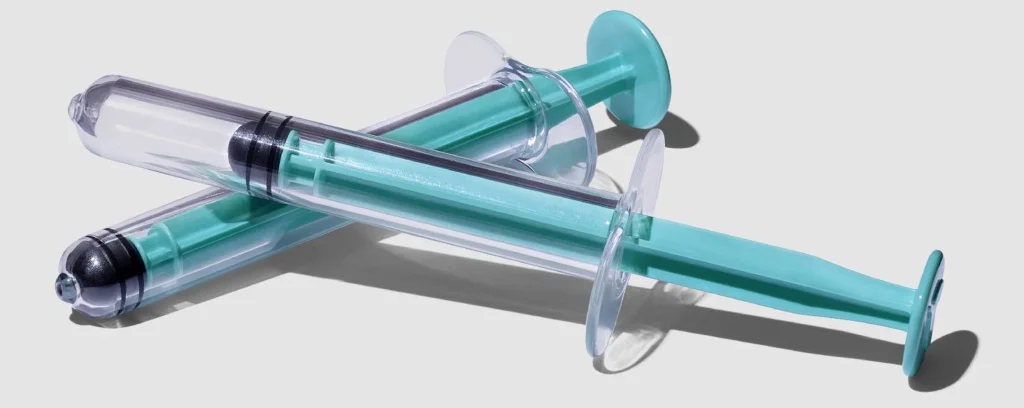
Breaking the Cycle: How Environmental Toxins Affect Cervical Mucus and Fertility
But it’s not all doom and gloom. While we cannot completely avoid environmental toxins, there are steps we can take to minimize our exposure and protect our fertility. Here are some tips for reducing your exposure to environmental toxins:
1. Eat organic: Choose organic fruits and vegetables to reduce your exposure to pesticides.
2. Use natural household products: Switch to natural cleaning supplies, personal care products, and detergents to avoid harmful chemicals.
3. Filter your water: Invest in a water filter to remove heavy metals and other contaminants from your drinking water.
4. Avoid plastic: Use glass or stainless steel containers instead of plastic to avoid exposure to harmful chemicals like phthalates.
5. Exercise regularly: Regular exercise can help flush out toxins from the body through sweat and improve overall health and fertility.
6. Quit smoking: Smoking not only harms your overall health but also exposes you to harmful chemicals that can affect cervical mucus and fertility.
7. Get tested: Consider getting tested for heavy metal exposure and other toxins to identify potential sources and take steps to reduce your exposure.
In conclusion, environmental toxins can have a significant impact on cervical mucus and fertility. By understanding the sources of these toxins and taking steps to minimize our exposure, we can help protect our fertility and increase our chances of conceiving. It’s time to break the cycle and create a healthier environment for ourselves and our future children.