Allergies can have a significant impact on our health and well-being, affecting various systems and functions in our body. One area that is often overlooked when discussing allergies is the impact they can have on cervical mucus balance. Cervical mucus refers to the fluid produced by the cervix, which plays a crucial role in reproductive health. Its consistency, quantity, and quality can be affected by allergies, causing disruptions that can have a significant impact on fertility and overall reproductive health.
In this blog post, we will explore how allergies can disrupt cervical mucus balance and the potential effects it can have on our reproductive health. We will also discuss ways to manage allergies and maintain a healthy cervical mucus balance.
The Connection between Allergies and Cervical Mucus Balance
Allergies occur when our immune system overreacts to a foreign substance, triggering a reaction that can manifest in various symptoms such as sneezing, itching, and congestion. Common allergens include pollen, dust, pet dander, and certain foods. When our immune system is fighting off an allergen, it produces histamine, a chemical that causes inflammation and swelling in the affected area.
In the case of cervical mucus, allergies can trigger an inflammatory response that can disrupt the balance of this important fluid. The cervix contains specialized cells that produce mucus, and these cells can be affected by the same histamine response as other parts of the body. This can lead to changes in the quantity, consistency, and quality of cervical mucus.
Effects of Allergies on Cervical Mucus
Cervical mucus plays a vital role in the reproductive process, particularly in fertility. It helps to nourish and protect sperm as it travels through the cervix towards the egg. It also creates a hospitable environment for sperm, allowing it to survive for several days and increasing the chances of fertilization. Any disruptions in cervical mucus balance can have a significant impact on these functions and potentially affect fertility.
One of the primary effects of allergies on cervical mucus is a decrease in quantity. The inflammatory response triggered by allergies can cause the cells in the cervix to produce less mucus, leading to a decrease in the amount available. This can make it more difficult for sperm to travel through the cervix and reach the egg, reducing the chances of fertilization.
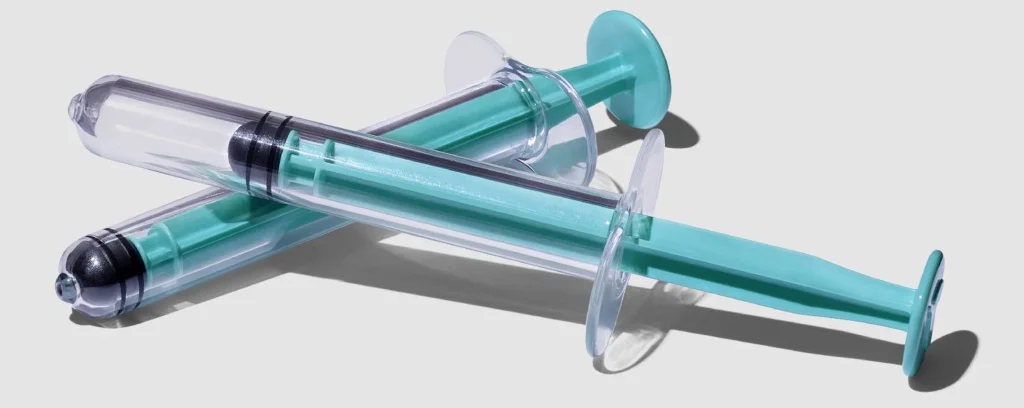
How Allergies Can Disrupt Cervical Mucus Balance
Allergies can also alter the consistency of cervical mucus. Normally, cervical mucus is thin and watery, making it easier for sperm to swim through. However, allergies can cause the mucus to become thicker and stickier, making it harder for sperm to pass through. This can also decrease the chances of fertilization.
Another effect of allergies on cervical mucus is changes in its quality. Cervical mucus is not just a simple fluid; it contains essential nutrients and antibodies that help to nourish and protect sperm. Allergies can alter the composition of cervical mucus, reducing its ability to provide these crucial components. This can affect the quality of sperm and decrease the chances of successful fertilization.
Managing Allergies to Maintain Cervical Mucus Balance
The key to maintaining a healthy cervical mucus balance in the face of allergies is to manage the allergies effectively. This may involve identifying and avoiding triggers, taking medication to control symptoms, and making lifestyle changes to reduce exposure to allergens. It is also essential to consult with a healthcare professional for proper diagnosis and treatment of allergies.
In addition to managing allergies, there are also steps you can take to support cervical mucus production and balance. Staying hydrated, eating a healthy and balanced diet, and taking supplements such as vitamin C and omega-3 fatty acids can help to promote healthy cervical mucus production. It is also essential to maintain good overall reproductive health through regular exercise, stress management, and avoiding harmful substances like tobacco and excessive alcohol.
Summarizing the Impact of Allergies on Cervical Mucus Balance
Allergies can significantly disrupt cervical mucus balance, affecting the quantity, consistency, and quality of this vital fluid. This can have a significant impact on fertility and overall reproductive health. By managing allergies effectively and taking steps to support cervical mucus production, it is possible to maintain a healthy balance and increase the chances of successful conception.
In conclusion, allergies can have a far-reaching impact on our health, including our reproductive health. By understanding the connection between allergies and cervical mucus balance, we can take steps to manage allergies and support healthy cervical mucus production. Consult with a healthcare professional for proper diagnosis and treatment of allergies, and make lifestyle changes to promote overall reproductive health.