Tag: cervical mucus

  • Fertile Soil: How Cervical Mucus Creates the Ideal Environment for Sperm Survival

    Fertile Soil: How Cervical Mucus Creates the Ideal Environment for Sperm Survival

    When it comes to fertility and conception, many factors come into play. From timing intercourse to maintaining a healthy lifestyle, there are various things that can affect a couple’s chances of getting pregnant. However, one often overlooked factor is cervical mucus. This natural substance produced by the cervix plays a crucial role in creating the perfect environment for sperm survival and ultimately, successful conception. In this blog post, we will explore the fascinating world of cervical mucus and how it contributes to creating fertile soil for sperm.

    What is Cervical Mucus?

    Cervical mucus is a fluid secreted by the cervix, the narrow passage that connects the uterus to the vagina. It is also known as cervical fluid, and its consistency and amount can vary depending on where a woman is in her menstrual cycle. At the beginning of the cycle, the cervix produces minimal mucus, which is thick and sticky, creating a barrier that prevents sperm from entering the uterus. However, as a woman approaches ovulation, the production of cervical mucus increases, and its consistency changes to become thin and slippery, creating a welcoming environment for sperm.

    Creating the Ideal Environment for Sperm

    The main function of cervical mucus is to help sperm reach and fertilize an egg. The consistency of the mucus is crucial in this process. When cervical mucus is thick and sticky, it can act as a barrier, making it difficult for sperm to swim through and reach the egg. However, when the mucus becomes thin and slippery, it creates a channel for the sperm to swim through, increasing the chances of fertilization.

    The consistency of cervical mucus is controlled by the levels of estrogen and progesterone in a woman’s body. As a woman approaches ovulation, estrogen levels increase, causing the cervix to produce more mucus. This mucus is thin and slippery, making it easier for sperm to swim through. After ovulation, progesterone levels increase, causing the mucus to become thicker and less hospitable to sperm.
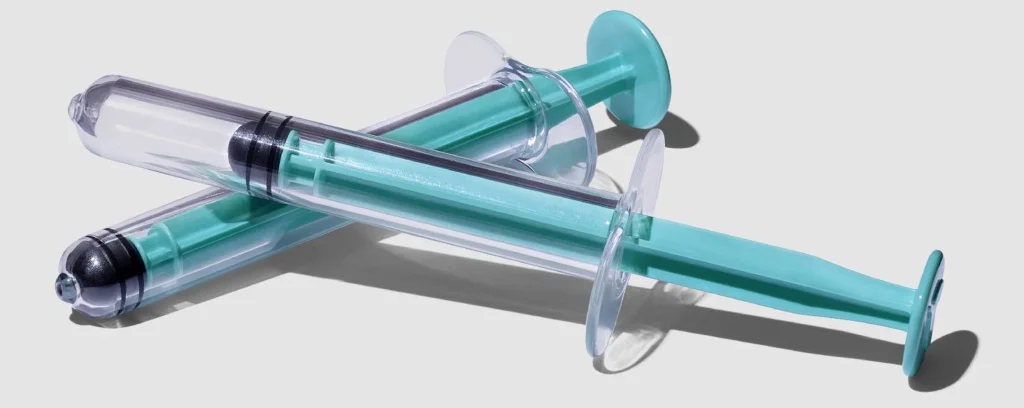
    Two transparent syringes with teal accents positioned diagonally on a light gray background.

    Fertile Soil: How Cervical Mucus Creates the Ideal Environment for Sperm Survival

    The Role of Cervical Mucus in Sperm Survival

    Not only does cervical mucus provide a pathway for sperm, but it also creates an ideal environment for sperm survival. The vagina is normally acidic, which can be harmful to sperm. However, the mucus secreted by the cervix is alkaline, balancing out the acidity of the vagina and creating a more favorable environment for sperm survival. Additionally, cervical mucus contains essential nutrients and proteins that nourish and protect sperm, increasing their chances of survival.

    Timing Intercourse for Conception

    Understanding the role of cervical mucus in fertility can also help couples time intercourse for conception. As mentioned earlier, the consistency of cervical mucus changes throughout a woman’s cycle, with the most fertile mucus being thin and slippery. This type of mucus is usually present just before and during ovulation, making it the best time to have intercourse for those trying to conceive. By tracking changes in cervical mucus, couples can increase their chances of getting pregnant by having intercourse during the most fertile days of a woman’s cycle.

    Cervical Mucus and Reproductive Health

    Aside from its role in fertility and conception, cervical mucus can also provide valuable insights into a woman’s reproductive health. Changes in the consistency, color, or amount of cervical mucus can indicate hormonal imbalances, infections, or other underlying health issues. For example, thick and cloudy mucus may be a sign of a yeast infection, while a change in mucus color to yellow or green may indicate a bacterial infection. By paying attention to changes in cervical mucus, women can identify potential reproductive health issues and seek treatment promptly.

    In conclusion, cervical mucus plays a significant role in creating the ideal environment for sperm survival and successful conception. Its consistency and amount are controlled by hormones and can provide valuable insights into a woman’s fertility and reproductive health. By understanding the role of cervical mucus and tracking changes in its characteristics, couples can increase their chances of getting pregnant and maintain good reproductive health.

    In summary, cervical mucus is a fluid secreted by the cervix that plays a crucial role in creating a welcoming environment for sperm. Its consistency changes throughout a woman’s menstrual cycle, with thin and slippery mucus being the most fertile. Cervical mucus helps sperm reach and fertilize an egg, and it also provides essential nutrients and protection for sperm survival. By tracking changes in cervical mucus, couples can time intercourse for conception and identify potential reproductive health issues. Cervical mucus truly is the fertile soil that creates the perfect environment for sperm survival and ultimately, the creation of new life.


  • The Journey of Sperm: How Cervical Mucus Helps Them Navigate Through the Female Reproductive Tract

    Blog Post:

    When we think about the journey of sperm, we often focus on their race to fertilize an egg. However, what many people don’t realize is that sperm face numerous obstacles and challenges as they navigate through the female reproductive tract. One crucial factor in their journey is cervical mucus, a substance produced by the cervix that plays a vital role in sperm transport and survival. In this blog post, we’ll explore the journey of sperm and how cervical mucus helps them reach their final destination.

    The Journey Begins: Ejaculation

    The journey of sperm begins with ejaculation. During sexual intercourse, millions of sperm are released into the vagina through the penis. These sperm are contained in semen, a fluid that also provides nourishment and protection for the sperm. From the vagina, the sperm must travel through the cervix and into the uterus to reach the fallopian tubes, where fertilization occurs.

    The Role of Cervical Mucus

    Cervical mucus is a thick, gel-like substance that lines the cervix and serves as a barrier between the vagina and the uterus. It is produced by glands in the cervix and changes in consistency and texture throughout the menstrual cycle. Cervical mucus is also influenced by hormones, particularly estrogen and progesterone.

    Sperm Survival in Cervical Mucus

    The survival of sperm in cervical mucus is crucial for successful fertilization. Cervical mucus acts as a protective barrier against bacteria and other foreign substances, ensuring that only healthy sperm can reach the egg. It also provides a hospitable environment for sperm, protecting them from the acidic pH of the vagina and providing them with nutrients and fluids.

    The consistency and texture of cervical mucus also play a significant role in sperm survival. During the fertile window, when a woman is most likely to conceive, cervical mucus becomes thin and stretchy, resembling the consistency of egg whites. This type of mucus is highly conducive to sperm movement and survival, allowing them to swim through the cervix and into the uterus.

    Navigating Through the Cervix

    sperm-ready insemination kit with a syringe and container, featuring a screw top lid and non-tip safety wall

    The Journey of Sperm: How Cervical Mucus Helps Them Navigate Through the Female Reproductive Tract

    The cervix is a narrow passage that connects the vagina to the uterus. It is lined with folds and crevices, making it a challenging obstacle for sperm to navigate through. However, cervical mucus helps sperm in this journey by providing them with a lubricated and slippery path. The thin, stretchy mucus allows sperm to swim through the folds of the cervix and reach the uterus.

    The Journey Through the Uterus

    Once sperm successfully navigate through the cervix, they enter the uterus. This is where the consistency and texture of cervical mucus play a crucial role. Thin, stretchy mucus allows sperm to swim easily through the uterus and reach the fallopian tubes, where fertilization occurs. In contrast, thicker, sticky mucus may trap and immobilize sperm, making it difficult for them to reach the egg.

    The Final Destination: Fertilization

    After reaching the fallopian tubes, sperm must continue their journey to reach the egg. Cervical mucus again plays a crucial role in this process. The mucus in the fallopian tubes is thin and watery, allowing sperm to swim freely and reach the egg. Once a sperm successfully fertilizes the egg, the journey is complete, and a new life begins.

    Factors Affecting Cervical Mucus

    Several factors can affect the production and consistency of cervical mucus. Hormonal imbalances, certain medications, and infections can all alter the quality and quantity of cervical mucus. Additionally, lifestyle factors such as smoking, excessive alcohol consumption, and poor diet can also impact cervical mucus production.

    In Conclusion

    The journey of sperm is a complex and miraculous process. From ejaculation to fertilization, sperm face numerous challenges and obstacles. Cervical mucus plays a crucial role in this journey, aiding sperm in their survival and transport through the female reproductive tract. It is a remarkable substance that highlights the intricate and delicate balance of the female body and its ability to create new life.

    Summary:

    Cervical mucus is a vital substance that plays a crucial role in the journey of sperm through the female reproductive tract. Produced by the cervix, cervical mucus provides a hospitable environment for sperm, protects them from foreign substances, and helps them navigate through the cervix, uterus, and fallopian tubes. Factors such as hormonal imbalances, medications, and lifestyle choices can affect the production and consistency of cervical mucus. Ultimately, the journey of sperm and the role of cervical mucus highlight the incredible complexity and balance of the female reproductive system.

  • Cervical Mucus: A Tale of Two Phases in the Menstrual Cycle

    Cervical Mucus: A Tale of Two Phases in the Menstrual Cycle

    Cervical mucus is a fluid secreted by the cervix that plays a crucial role in the female reproductive system. It may not be a topic that is commonly discussed, but understanding the changes in cervical mucus throughout the menstrual cycle is important for women’s health and fertility. In this blog post, we will dive into the two distinct phases of cervical mucus and how they relate to the different stages of the menstrual cycle.

    Phase 1: The Follicular Phase

    The first phase of cervical mucus is known as the follicular phase. This phase begins on the first day of a woman’s menstrual period and lasts until ovulation. During this phase, the hormone estrogen is dominant, causing changes in the cervix and cervical mucus.

    At the beginning of the follicular phase, the cervix is closed tightly to prevent any bacteria from entering the uterus. This is also when a woman experiences her menstrual flow. As the days go by, estrogen levels rise, and the cervix starts to soften and open up. This is when cervical mucus is produced.

    The consistency of cervical mucus during the follicular phase is thick and sticky, similar to that of raw egg whites. This type of mucus is known as “hostile mucus” as it creates an unfavorable environment for sperm to survive. It is acidic and contains immune cells that are responsible for protecting the uterus from any harmful bacteria.

    However, as ovulation approaches, the estrogen levels continue to rise, and the quality of cervical mucus changes. It becomes thinner, clearer, and more stretchy, creating a more hospitable environment for sperm. This type of mucus is known as “fertile mucus” and is a sign that a woman is approaching her most fertile days.

    Phase 2: The Luteal Phase

    The second phase of cervical mucus is the luteal phase, which begins immediately after ovulation and ends with the start of the next menstrual period. During this phase, the hormone progesterone is dominant, causing changes in the cervix and cervical mucus.

    After ovulation, the ovary releases an egg, which travels down the fallopian tube. If the egg is not fertilized, it will disintegrate, and the body will prepare for the next menstrual cycle. During this time, progesterone levels rise, causing the cervix to close up again and produce a different type of cervical mucus.

    The mucus produced during the luteal phase is thick, sticky, and cloudy in appearance. It is less hospitable to sperm, making it difficult for fertilization to occur. This type of mucus acts as a barrier, preventing any bacteria or unwanted substances from entering the uterus.

    If pregnancy occurs, the cervix will remain closed, and the mucus will continue to be thick and sticky, forming a plug to protect the developing baby. However, if fertilization does not occur, the levels of estrogen and progesterone will drop, and the cervix will start to prepare for the next menstrual cycle.

    Why is Cervical Mucus Important?

    Mosie Baby Kit with a syringe and container, highlighting safety and usability features on a blue background.

    Cervical Mucus: A Tale of Two Phases in the Menstrual Cycle

    The changes in cervical mucus throughout the menstrual cycle play a crucial role in a woman’s fertility. By tracking the changes in cervical mucus, a woman can determine her most fertile days and increase her chances of conceiving.

    During the fertile window, the cervix produces fertile mucus, which helps sperm travel through the cervix and into the uterus. This mucus also nourishes and protects the sperm, increasing their chances of survival. Therefore, understanding the changes in cervical mucus can help a woman time intercourse for the best chance of conception.

    Cervical mucus can also indicate potential issues with fertility. For example, if a woman consistently has poor quality cervical mucus, it could be a sign of hormonal imbalances or other underlying health issues that may affect her ability to conceive.

    Tracking Cervical Mucus for Fertility

    There are various methods for tracking cervical mucus to determine one’s fertile window. One of the most common methods is the Billings Ovulation Method, which involves observing the changes in cervical mucus throughout the menstrual cycle and recording them on a chart. This method can be used to either achieve or avoid pregnancy.

    Another method is the Creighton Model FertilityCare System, which also involves tracking cervical mucus and recording it on a chart. This method is more comprehensive and can also help identify any potential health issues affecting fertility.

    Other Fertility Signs to Consider

    While cervical mucus is an essential indicator of fertility, it should not be the only method used for tracking ovulation. Other fertility signs, such as basal body temperature and changes in the cervix, should also be considered.

    Basal body temperature (BBT) is the body’s resting temperature, which can be affected by hormonal changes throughout the menstrual cycle. Tracking BBT can help determine when ovulation has occurred, as there is a slight rise in temperature after ovulation.

    Another fertility sign to consider is changes in the cervix. During ovulation, the cervix becomes higher, softer, and more open, allowing sperm to pass through. Tracking these changes can also help determine the fertile window.

    In Summary

    Cervical mucus is a vital component of the female reproductive system, and its changes throughout the menstrual cycle play a crucial role in fertility. Understanding the two distinct phases of cervical mucus, the follicular and luteal phases, can help women track their fertility and increase their chances of conception.

    By paying attention to the changes in cervical mucus, along with other fertility signs, women can determine their most fertile days and plan intercourse accordingly. Cervical mucus can also be an indicator of potential fertility issues, making it an essential aspect of women’s reproductive health.

  • The Role of Cervical Mucus in Unexplained Infertility

    Title: The Role of Cervical Mucus in Unexplained Infertility: Exploring the Connection

    Introduction:
    Infertility is a complex and emotionally challenging journey for many couples. While there are various known causes of infertility, there are cases where the cause remains unexplained. This can be frustrating and disheartening for those struggling to conceive. However, recent research has shed light on a potential factor that may play a significant role in unexplained infertility – cervical mucus.

    What is Cervical Mucus?
    Cervical mucus is a fluid produced by the cervix that helps sperm to travel through the reproductive tract and reach the egg. It is a vital component of the female reproductive system and plays a crucial role in fertility. The consistency and quality of cervical mucus changes throughout the menstrual cycle, influenced by hormones, to create an optimal environment for sperm survival and transport.

    The Importance of Cervical Mucus in Fertility:
    Cervical mucus is an essential factor in fertility as it serves as a natural barrier and filter for sperm. During the fertile window, which occurs around ovulation, the mucus becomes thin, stretchy, and more alkaline to help sperm swim through the cervix. Additionally, it provides nourishment, protection, and guidance to sperm as they make their way through the female reproductive tract. Without adequate cervical mucus, sperm may not survive long enough to fertilize an egg, leading to infertility.

    Home insemination kit by Mosie Baby with instructions and colorful packaging.

    The Role of Cervical Mucus in Unexplained Infertility

    The Connection between Cervical Mucus and Unexplained Infertility:
    For couples struggling with unexplained infertility, the role of cervical mucus is often overlooked. However, research has shown that there may be a strong connection between the two. In a study published in the Journal of Assisted Reproduction and Genetics, researchers found that women with unexplained infertility had significantly lower levels of fertile cervical mucus compared to fertile women. This suggests that a lack of fertile cervical mucus may be a contributing factor to unexplained infertility.

    Factors that Affect Cervical Mucus:
    Several factors can affect the quantity and quality of cervical mucus, including hormonal imbalances, infections, medications, and lifestyle factors. For example, chronic stress can disrupt hormonal balance and decrease the production of fertile cervical mucus. Similarly, certain medications, such as antihistamines, can dry up cervical mucus, making it difficult for sperm to survive and reach the egg.

    Improving Cervical Mucus for Fertility:
    If you have been diagnosed with unexplained infertility, it is essential to pay attention to your cervical mucus. Tracking your mucus patterns throughout your menstrual cycle can provide insight into your fertility. Additionally, there are some natural ways to improve cervical mucus production and quality, such as staying hydrated, avoiding certain medications, and using fertility-friendly lubricants. In cases where hormonal imbalances are the cause of poor cervical mucus, hormone therapy may be recommended by a fertility specialist.

    Conclusion:
    While there may be various factors contributing to unexplained infertility, the role of cervical mucus should not be overlooked. It is an essential component of fertility and plays a crucial role in sperm transport and survival. If you are struggling with unexplained infertility, it is essential to work with a fertility specialist to assess and address any issues with cervical mucus. By understanding and improving cervical mucus, you may increase your chances of conceiving and starting a family.

    In summary, cervical mucus is a fluid produced by the cervix that plays a critical role in fertility. It serves as a natural barrier and filter for sperm, and a lack of fertile cervical mucus may contribute to unexplained infertility. Factors that can affect cervical mucus include hormonal imbalances, infections, medications, and lifestyle factors. By tracking and improving cervical mucus, couples struggling with unexplained infertility may increase their chances of conceiving.

  • From Hostile to Hospitable: How Cervical Mucus Changes to Support Sperm

    From Hostile to Hospitable: How Cervical Mucus Changes to Support Sperm

    The process of conception may seem simple – sperm meets egg, egg gets fertilized, and pregnancy begins. However, what many people do not realize is that there are numerous factors that can impact the success of fertilization. One crucial factor is cervical mucus, the fluid produced by the cervix that plays a vital role in fertility. In this blog post, we will explore how cervical mucus changes throughout the menstrual cycle to support sperm and increase the chances of conception.

    Understanding Cervical Mucus

    Cervical mucus, also known as cervical fluid, is a natural lubricant produced by the cervix. It plays a crucial role in the reproductive process by creating a hospitable environment for sperm to travel through and reach the egg. The consistency, color, and amount of cervical mucus can vary depending on factors such as hormonal changes, stress, and medication.

    The Role of Cervical Mucus in Fertility

    Cervical mucus serves as a protective barrier for sperm, helping them survive in the vagina and travel towards the fallopian tubes where fertilization occurs. During the menstrual cycle, the consistency and quality of cervical mucus change to support sperm and increase the chances of conception.

    Hostile vs. Hospitable Cervical Mucus

    At the beginning of the menstrual cycle, the cervix produces thick and sticky mucus, which is considered hostile to sperm. The acidic environment created by this type of mucus makes it difficult for sperm to survive and reach the egg. However, as ovulation approaches, the hormonal changes in a woman’s body cause the cervix to produce more hospitable mucus.

    The Role of Estrogen and Progesterone

    The two main hormones involved in the production of cervical mucus are estrogen and progesterone. Estrogen is responsible for producing fertile cervical mucus, which is thin, clear, and stretchy, similar to raw egg whites. This type of mucus helps sperm swim through the vagina and cervix more easily.

    On the other hand, progesterone is responsible for producing infertile cervical mucus, which is thick, sticky, and prevents sperm from reaching the egg. This type of mucus is present during the luteal phase of the menstrual cycle, which is the time between ovulation and menstruation. Its purpose is to create a barrier that protects the uterus from bacteria and other foreign substances that could harm a developing embryo.

    at-home insemination kit featuring a syringe and container for fresh or donor sperm conception

    From Hostile to Hospitable: How Cervical Mucus Changes to Support Sperm

    The Fertile Window

    The fertile window refers to the time during a woman’s menstrual cycle when she is most likely to conceive. It typically lasts for about six days, starting five days before ovulation and ending on the day of ovulation. During this time, the cervix produces fertile cervical mucus, creating a hospitable environment for sperm to survive and reach the egg.

    The Billings Ovulation Method

    The Billings Ovulation Method is a natural family planning method that utilizes changes in cervical mucus to determine a woman’s fertile window. This method involves observing the consistency and changes in cervical mucus daily and recording them in a chart. By tracking these changes, a woman can determine when she is most likely to ovulate and time intercourse accordingly.

    Impact of External Factors on Cervical Mucus

    Several external factors can impact the quality and quantity of cervical mucus, potentially affecting a woman’s fertility. These factors include stress, medications, diet, and certain medical conditions. High levels of stress can cause hormonal imbalances, leading to changes in cervical mucus. Some medications, such as antihistamines and antidepressants, can also decrease cervical mucus production. Additionally, a diet low in essential fatty acids can result in less fertile cervical mucus.

    Medical conditions such as polycystic ovary syndrome (PCOS), endometriosis, and pelvic inflammatory disease (PID) can also affect cervical mucus production and quality. It is essential to address these underlying conditions to improve fertility and increase the chances of conception.

    In Conclusion

    Cervical mucus plays a crucial role in fertility and the process of conception. Its consistency and quality change throughout the menstrual cycle to create a hospitable environment for sperm and increase the chances of fertilization. By understanding the changes in cervical mucus and tracking them, women can increase their chances of conceiving and fulfill their dream of starting a family.

    Summary:

    Cervical mucus is a fluid produced by the cervix that plays a vital role in fertility by creating a hospitable environment for sperm to travel through and reach the egg. The consistency, color, and amount of cervical mucus change throughout the menstrual cycle to support sperm and increase the chances of conception. Hormones such as estrogen and progesterone play a crucial role in the production of cervical mucus, and external factors such as stress, medications, and medical conditions can impact its quality and quantity. Understanding the changes in cervical mucus and tracking them can help women increase their chances of conceiving and fulfill their dream of starting a family.

  • The Impact of Medications and Birth Control on Cervical Mucus and Sperm Survival

    Blog Post:

    When it comes to fertility and conception, there are many factors that can impact a couple’s chances of getting pregnant. One important aspect is the quality and health of the cervical mucus, which plays a crucial role in sperm survival and transport. Additionally, medications and birth control can also have a significant impact on cervical mucus and sperm survival. In this blog post, we will explore the various ways in which medications and birth control can affect cervical mucus and sperm survival, and how it can impact fertility.

    Cervical mucus is a fluid produced by the cervix that lines the walls of the vagina. It plays a critical role in the reproductive process by providing a conducive environment for sperm survival and transport. The consistency and texture of cervical mucus can vary throughout a woman’s menstrual cycle due to hormonal changes. During ovulation, the cervical mucus becomes thin, watery, and stretchy, allowing sperm to swim through it easily. This type of mucus is known as fertile cervical mucus and is essential for conception.

    However, certain medications can interfere with the production and quality of cervical mucus. One common type of medication that can impact cervical mucus is antihistamines. These drugs are commonly used to treat allergies and can cause the cervical mucus to become thick and dry, making it difficult for sperm to survive and travel to the egg. Similarly, decongestants, which are often used to relieve a stuffy nose, can also have a drying effect on cervical mucus.

    Another medication that can affect cervical mucus is antidepressants. These drugs can cause changes in hormone levels, which can lead to a decrease in the production of fertile cervical mucus. This decrease in fertile mucus can make it harder for sperm to reach the egg, reducing the chances of conception.

    Apart from medications, birth control methods can also affect cervical mucus and sperm survival. Oral contraceptives, also known as birth control pills, work by preventing ovulation, which means that there is no fertile cervical mucus produced during the menstrual cycle. This makes it difficult for sperm to survive and travel to the egg, making it an effective form of birth control.

    hands using a blue syringe to extract contents from a clear container for a home insemination kit

    The Impact of Medications and Birth Control on Cervical Mucus and Sperm Survival

    Another popular form of birth control is the intrauterine device (IUD). This small, T-shaped device is inserted into the uterus and works by preventing sperm from reaching the egg. However, it can also affect cervical mucus by causing it to thicken, making it difficult for sperm to survive and reach the egg.

    In addition to medications and birth control, certain health conditions can also impact cervical mucus and sperm survival. For example, women with polycystic ovary syndrome (PCOS) may have trouble producing fertile cervical mucus due to hormonal imbalances. This can make it harder for sperm to reach the egg and result in fertility issues.

    On the other hand, some women may experience an increase in fertile cervical mucus due to certain fertility medications. These medications work by stimulating the ovaries to produce more eggs, which can also lead to an increase in cervical mucus. This can be beneficial for couples struggling with fertility issues, as it can improve sperm survival and increase the chances of conception.

    It is essential to note that not all medications and birth control methods will have the same impact on cervical mucus and sperm survival for every woman. Every woman’s body is different, and what may affect one woman’s cervical mucus may not affect another’s. It is crucial to consult with a healthcare provider before starting any new medication or birth control method to understand how it may impact cervical mucus and fertility.

    In conclusion, medications and birth control can have a significant impact on cervical mucus and sperm survival, which can ultimately affect fertility. It is essential to be aware of how these factors can affect the reproductive process and to consult with a healthcare provider for guidance. By understanding these impacts, couples can make informed decisions about their reproductive health and increase their chances of conception.

    Summary:

    Cervical mucus plays a crucial role in sperm survival and transport, and its quality can be affected by medications and birth control methods. Antihistamines, decongestants, and antidepressants can all interfere with fertile cervical mucus production, making it difficult for sperm to reach the egg. Birth control methods like oral contraceptives and IUDs also impact cervical mucus by preventing ovulation and causing it to thicken. In contrast, certain fertility medications can increase fertile cervical mucus production. It is important to consult with a healthcare provider before starting any new medication or birth control method to understand its impact on cervical mucus and fertility.

  • Maximizing Fertility by Understanding and Monitoring Cervical Mucus

    Maximizing Fertility by Understanding and Monitoring Cervical Mucus

    When it comes to fertility, there are many factors that can affect a couple’s ability to conceive. While most people think of ovulation and timing as the main factors, cervical mucus plays a crucial role in fertility as well. Understanding and monitoring cervical mucus can greatly increase the chances of conceiving and help couples on their journey to parenthood.

    What is Cervical Mucus?

    Cervical mucus is a fluid produced by the cervix, the lower part of the uterus that connects to the vagina. It plays an important role in the reproductive system, especially during ovulation. The consistency, amount, and color of cervical mucus changes throughout a woman’s menstrual cycle due to hormonal fluctuations.

    Why is Cervical Mucus Important for Fertility?

    Cervical mucus serves as a protective barrier for sperm, helping them reach and survive in the reproductive tract. During ovulation, the cervical mucus becomes thinner and stretchy, allowing sperm to swim through it easier. It also provides a hospitable environment for sperm to survive for up to five days, increasing the chances of fertilization.

    Understanding the Different Types of Cervical Mucus

    Cervical mucus goes through different stages throughout a woman’s menstrual cycle, and each stage indicates different levels of fertility. Here are the four main types of cervical mucus:

    1. Dry or Sticky Mucus: This type of mucus appears right after your period and is not conducive to fertility. It is sticky and does not allow sperm to swim through easily.

    2. Creamy Mucus: As ovulation approaches, the mucus becomes thicker and creamier. This type of mucus is also not fertile, but it indicates that ovulation is near.

    3. Egg White Mucus: This is the most fertile type of cervical mucus and is often referred to as “egg white cervical mucus” due to its appearance. It is clear, stretchy, and slippery, resembling raw egg whites. This type of mucus indicates that you are about to ovulate, and it is the best time to try to conceive.

    4. Watery Mucus: This type of mucus appears right before ovulation and is also considered fertile. It is clear and slippery, but not as stretchy as egg white mucus.

    At-home insemination kit with syringes and collection cups on a teal background.

    Maximizing Fertility by Understanding and Monitoring Cervical Mucus

    Tracking Your Cervical Mucus

    The best way to track your cervical mucus is by using the Billings Ovulation Method. This method involves observing the changes in your cervical mucus and recording them on a chart. By doing this, you can determine when you are most fertile and time intercourse accordingly.

    Other methods of tracking cervical mucus include using ovulation predictor kits (OPKs) and fertility tracking apps. However, these methods may not be as accurate as the Billings Ovulation Method, as they do not take into account the subtle changes in the consistency of cervical mucus.

    Tips for Maximizing Fertility by Monitoring Cervical Mucus

    1. Keep Track of Your Menstrual Cycle: Knowing the length of your menstrual cycle can help you predict when you are most likely to ovulate. Ovulation usually occurs 14 days before your next period is due.

    2. Observe Your Cervical Mucus Daily: It is essential to check your cervical mucus daily to accurately track its changes. This can be done by checking the toilet paper after wiping or by inserting a clean finger into your vagina.

    3. Stay Hydrated: Drinking plenty of water can help increase the production of cervical mucus, making it easier to track.

    4. Avoid Using Lubricants: Many lubricants can interfere with the quality and quantity of cervical mucus. If you need lubrication during intercourse, opt for a sperm-friendly one or use coconut oil instead.

    5. Be Patient: It may take a few cycles to get the hang of tracking your cervical mucus and accurately predicting ovulation. Be patient and keep monitoring to increase your chances of conceiving.

    Final Thoughts

    Cervical mucus is a crucial aspect of fertility and understanding its changes can greatly increase the chances of conception. By tracking and monitoring cervical mucus, couples can time intercourse accordingly and maximize their chances of getting pregnant. Remember to stay patient and seek medical advice if you have any concerns about your fertility.

    In summary, understanding and monitoring cervical mucus can greatly increase fertility by providing important information about the body’s ovulation and reproductive processes. By knowing the different types of cervical mucus and tracking its changes, couples can increase their chances of conceiving. Staying hydrated, avoiding lubricants, and being patient are key tips for maximizing fertility through monitoring cervical mucus.

  • The Link Between Cervical Mucus and Conception: What Every Couple Should Know

    The Link Between Cervical Mucus and Conception: What Every Couple Should Know

    Cervical mucus, also known as cervical fluid, plays a crucial role in conception. It is a natural bodily fluid produced by the cervix that changes in consistency, color, and amount throughout a woman’s menstrual cycle. Many couples trying to conceive may not be aware of the importance of cervical mucus and how it can affect their chances of getting pregnant. In this blog post, we will explore the link between cervical mucus and conception and provide valuable information for couples who are trying to start a family.

    Understanding Cervical Mucus

    Cervical mucus is produced by the cervix, the narrow passage that connects the vagina to the uterus. It is a mixture of water, proteins, and electrolytes and serves various purposes, including protecting the reproductive organs and facilitating sperm transport. The consistency and amount of cervical mucus change throughout a woman’s menstrual cycle due to hormonal fluctuations. These changes are an essential part of the reproductive process and can help couples determine the best time to try and conceive.

    The Different Types of Cervical Mucus

    Cervical mucus can be categorized into four main types, based on its consistency and appearance. These types are:

    1. Dry or Sticky: This type of mucus is thick and sticky, making it difficult for sperm to swim through. It is usually present during the first days of the menstrual cycle when estrogen levels are low.

    2. Creamy: As estrogen levels rise, cervical mucus becomes creamier and more moisturizing. It is still not an ideal environment for sperm, but it can help them survive longer.

    3. Egg White: This type of mucus is clear, stretchy, and slippery, resembling raw egg whites. It is the most fertile type of cervical mucus and indicates that ovulation is approaching.

    4. Watery: As ovulation approaches, cervical mucus becomes thinner and more watery. It is the easiest type for sperm to swim through, making it the most fertile type of cervical mucus.

    The Role of Cervical Mucus in Conception

    Cervical mucus plays a vital role in conception by creating a favorable environment for sperm and facilitating their journey to the egg. It also helps to filter out unhealthy or abnormal sperm, ensuring that only the healthiest and strongest sperm reach the egg. Without the presence of fertile cervical mucus, sperm may not survive long enough to fertilize the egg, making it difficult for couples to conceive.

    Tracking Cervical Mucus to Determine Fertility

    Informative card introducing the Mosie Baby Kit and its mission for at-home insemination.

    The Link Between Cervical Mucus and Conception: What Every Couple Should Know

    Couples who are trying to conceive can use cervical mucus tracking as a natural method to determine their most fertile days. By keeping track of the changes in cervical mucus, couples can pinpoint the most fertile days of the menstrual cycle and increase their chances of conception. The fertile window is usually around five to six days before ovulation and one day after ovulation. By having intercourse during this time, couples increase their chances of sperm reaching the egg and fertilizing it.

    Factors That Can Affect Cervical Mucus

    Several factors can affect the production and quality of cervical mucus, including:

    1. Hormonal imbalances: Any hormonal imbalances, such as low estrogen levels, can affect the production and quality of cervical mucus.

    2. Certain medications: Some medications, such as antihistamines and antidepressants, can dry out cervical mucus, making it less fertile.

    3. Infections or STIs: Infections or sexually transmitted infections can alter the pH balance in the vagina, affecting the quality of cervical mucus.

    4. Age: As women age, their cervical mucus may become thinner and less fertile.

    5. Lifestyle factors: Smoking, excessive alcohol consumption, and a poor diet can also affect the production and quality of cervical mucus.

    When to Seek Medical Help

    While tracking cervical mucus can be a useful tool for couples trying to conceive, it is not always a reliable method. If you have been actively trying to conceive for more than a year without success, it is recommended to seek medical help. Your doctor can perform tests to determine any underlying issues that may be affecting your fertility and provide appropriate treatment.

    In conclusion, cervical mucus is a crucial factor in the process of conception. Understanding the changes in cervical mucus throughout the menstrual cycle and tracking it can greatly increase the chances of getting pregnant. By being aware of the different types of cervical mucus and their role in conception, couples can take a proactive approach to starting a family.

    Summary:

    Cervical mucus plays a significant role in conception, as it creates a favorable environment for sperm and helps them reach the egg. It changes in consistency, color, and amount throughout a woman’s menstrual cycle, and tracking these changes can help couples determine their most fertile days. Factors such as hormonal imbalances, certain medications, and age can affect the production and quality of cervical mucus. If couples have been trying to conceive for over a year without success, it is recommended to seek medical help. Understanding the link between cervical mucus and conception can greatly benefit couples who are trying to start a family.

  • Cervical Mucus and Sperm: A Symbiotic Relationship for Reproductive Success

    Cervical mucus and sperm have a symbiotic relationship that is crucial for reproductive success. Cervical mucus is a fluid produced by the cervix that plays a vital role in the reproductive process. It not only protects and nourishes sperm, but also helps them reach and fertilize the egg. In this blog post, we will delve deeper into the intricate relationship between cervical mucus and sperm and how they work together to increase the chances of conception.

    The Role of Cervical Mucus in Reproduction

    Cervical mucus is produced by the cervix, which is the lower part of the uterus that connects to the vagina. This mucus serves as a protective barrier for the reproductive system, preventing harmful bacteria and other foreign particles from entering the uterus. It also acts as a lubricant during sexual intercourse, making it easier for sperm to travel through the cervix.

    The consistency and texture of cervical mucus change throughout a woman’s menstrual cycle due to hormonal fluctuations. During the non-fertile phase of the cycle, the mucus is thick and sticky, making it difficult for sperm to survive. However, as ovulation approaches, the mucus becomes thinner and more watery, creating a more favorable environment for sperm to swim through.

    The Role of Sperm in Reproduction

    Sperm, on the other hand, are male reproductive cells that are produced in the testicles. They are responsible for fertilizing the egg and initiating pregnancy. For sperm to reach the egg, they must swim through the female reproductive tract, which includes the vagina, cervix, and uterus. This journey can be quite challenging, as sperm need to navigate through different environments and overcome various obstacles.

    The Importance of Cervical Mucus for Sperm Survival

    Cervical mucus plays a crucial role in protecting and nourishing sperm as they make their way through the female reproductive tract. The mucus creates a favorable environment for sperm by providing them with the necessary nutrients and electrolytes. It also acts as a filter, trapping any damaged or abnormal sperm and allowing only healthy ones to pass through.

    Moreover, cervical mucus contains antibodies that help fight against any foreign particles and infections that may harm sperm. This protection is especially essential during the fertile window, as the cervix is more open, and there is a higher risk of harmful bacteria entering the reproductive system.

    Instructions for reading pregnancy test results with visual indicators for "Not Pregnant," "Pregnant," and "Invalid.

    Cervical Mucus and Sperm: A Symbiotic Relationship for Reproductive Success

    How Cervical Mucus Helps Sperm Reach the Egg

    Aside from providing nourishment and protection, cervical mucus also helps sperm reach the egg. During ovulation, the mucus becomes thinner and more watery, creating a more hospitable environment for sperm. The consistency of the mucus also changes to form channels or tunnels that guide sperm towards the egg. Without these channels, sperm may get stuck in the thick and sticky mucus and never reach the egg.

    Cervical mucus also acts as a reservoir for sperm, storing them until ovulation occurs. This allows sperm to remain alive and active for a more extended period, increasing the chances of fertilization.

    The Importance of Sperm for Cervical Mucus

    While cervical mucus plays a vital role in protecting, nourishing, and guiding sperm, sperm also have an essential function in cervical mucus health. Sperm contains enzymes that help thin the mucus, making it easier for them to swim through. Without these enzymes, the mucus may become too thick and impede sperm’s movement.

    Moreover, the presence of sperm in the reproductive tract signals the cervix to produce more mucus. This increase in mucus production aids in creating a more conducive environment for sperm.

    The Symbiotic Relationship Between Cervical Mucus and Sperm

    The relationship between cervical mucus and sperm is truly a symbiotic one. They both rely on each other for reproductive success. Cervical mucus provides a protective and nourishing environment for sperm, while sperm aid in the production and thinning of the mucus. Without one, the other would not be able to fulfill its role in the reproductive process.

    In Conclusion

    Cervical mucus and sperm have a crucial symbiotic relationship that is essential for reproductive success. The mucus protects, nourishes, and guides sperm towards the egg, while sperm aids in thinning the mucus and signaling for its production. Understanding the intricate relationship between these two components is crucial for couples trying to conceive and can help increase their chances of pregnancy.

  • The Influence of Diet and Lifestyle on Cervical Mucus and Sperm Interaction

    Blog Post Title: The Impact of Diet and Lifestyle on Cervical Mucus and Sperm Interaction

    Cervical mucus and sperm interaction is a vital aspect of fertility and conception. The quality and quantity of cervical mucus can significantly affect the ability of sperm to reach and fertilize the egg. While many factors can influence cervical mucus, diet and lifestyle play a crucial role in maintaining a healthy balance. In this blog post, we will delve into the connection between diet and lifestyle and their impact on cervical mucus and sperm interaction.

    Understanding Cervical Mucus and Sperm Interaction

    Cervical mucus is a fluid secreted by the cervix that plays a crucial role in the reproductive process. It acts as a barrier to protect sperm from the acidic environment of the vagina and helps to nourish, protect, and guide sperm towards the egg. Cervical mucus also changes in consistency and texture throughout the menstrual cycle, with the most fertile mucus being thin, stretchy, and clear, resembling egg whites.

    Sperm, on the other hand, is the male reproductive cell responsible for fertilizing the egg. For sperm to reach the egg, it must navigate its way through the cervix, uterus, and fallopian tubes. The presence of healthy cervical mucus can significantly aid this process by creating a hospitable environment for sperm to survive and thrive.

    The Impact of Diet on Cervical Mucus

    Diet plays a vital role in maintaining the quality and quantity of cervical mucus. A well-balanced diet rich in essential nutrients can promote the production of healthy cervical mucus and support sperm survival and motility. On the other hand, a poor diet lacking in essential nutrients can lead to a decrease in cervical mucus production and quality, hindering sperm’s ability to reach and fertilize the egg.

    Here are some essential nutrients that can influence cervical mucus production:

    1. Water: Staying hydrated is crucial for maintaining healthy cervical mucus. Dehydration can lead to thick, sticky mucus, making it difficult for sperm to swim through.

    2. Vitamin C: This antioxidant vitamin is essential for maintaining a healthy immune system and promoting cervical mucus production. Foods rich in vitamin C include citrus fruits, berries, and leafy greens.

    3. Zinc: Zinc is a mineral that plays a crucial role in sperm production and motility. It also helps to maintain a healthy pH balance in the vagina, promoting the production of fertile cervical mucus. Foods rich in zinc include oysters, beef, and pumpkin seeds.

    4. Omega-3 Fatty Acids: These healthy fats help to regulate hormone levels and promote a healthy menstrual cycle. They also aid in the production of fertile cervical mucus. Foods rich in omega-3 fatty acids include salmon, chia seeds, and walnuts.

    Hands holding a syringe and a small container against a blue background.

    The Influence of Diet and Lifestyle on Cervical Mucus and Sperm Interaction

    The Impact of Lifestyle on Cervical Mucus

    Apart from diet, certain lifestyle factors can also affect cervical mucus production and quality. Here are some lifestyle habits that can impact cervical mucus and sperm interaction:

    1. Smoking: Smoking can damage the cervical mucus-producing cells, leading to a decrease in mucus production and quality. It can also affect sperm count and motility.

    2. Alcohol Consumption: Excessive alcohol consumption can affect hormone levels and interfere with the production of fertile cervical mucus.

    3. Stress: High levels of stress can affect hormone levels and interfere with the production of cervical mucus. It can also affect sperm quality and motility.

    4. Exercise: Regular exercise can help to regulate hormone levels and promote a healthy menstrual cycle. It can also improve blood flow, which is crucial for the production of fertile cervical mucus.

    5. Chemical Exposure: Exposure to certain chemicals, such as pesticides, can affect cervical mucus production and quality. It can also have a detrimental effect on sperm health.

    Improving Cervical Mucus and Sperm Interaction

    Maintaining a healthy diet and lifestyle is crucial for improving cervical mucus and sperm interaction. Apart from that, there are other ways to enhance cervical mucus production and quality, such as using fertility-friendly lubricants, tracking ovulation, and practicing good vaginal hygiene.

    Final Thoughts

    Cervical mucus and sperm interaction is a vital aspect of fertility and conception. Diet and lifestyle can significantly impact the production and quality of cervical mucus, ultimately affecting sperm’s ability to reach and fertilize the egg. By following a healthy diet, managing stress levels, and avoiding harmful substances, you can improve your chances of conceiving and starting a family.

    Summary:

    Cervical mucus and sperm interaction is crucial for fertility and conception. Cervical mucus acts as a barrier and guide for sperm to reach and fertilize the egg. Diet and lifestyle play a vital role in maintaining a healthy balance of cervical mucus. A well-balanced diet rich in essential nutrients like vitamin C, zinc, and omega-3 fatty acids can promote cervical mucus production. Lifestyle factors like smoking, alcohol consumption, and stress can affect cervical mucus and sperm interaction. Improving cervical mucus and sperm interaction can be achieved by following a healthy diet and lifestyle, using fertility-friendly lubricants, and tracking ovulation.