Summary:
Non-invasive insemination, also known as artificial insemination, is a popular method for achieving pregnancy without traditional sexual intercourse. It involves placing sperm into the reproductive tract of a female in order to fertilize an egg and achieve conception. This method is commonly used by couples who are struggling with fertility issues, same-sex couples, and single individuals who want to become parents. Non-invasive insemination offers a less invasive and more affordable alternative to other fertility treatments, such as in-vitro fertilization (IVF). In this guide, we will discuss everything you need to know about non-invasive insemination for beginners.
What is Non-Invasive Insemination?
Non-invasive insemination is a procedure that involves the placement of sperm directly into the reproductive tract of a female. This can be done in a doctor’s office, fertility clinic, or even at home with a kit. The sperm can be obtained from a male partner or a donor. The goal of this procedure is to increase the chances of fertilization and pregnancy by bypassing any potential barriers in the reproductive tract.
Types of Non-Invasive Insemination:
There are two main types of non-invasive insemination: intracervical insemination (ICI) and intrauterine insemination (IUI). In ICI, the sperm is placed in the cervix, while in IUI, it is placed directly into the uterus. The choice of which method to use will depend on various factors, such as the cause of infertility, the age of the female, and the sperm quality.
Preparing for Non-Invasive Insemination:
Before undergoing non-invasive insemination, it is essential to consult with a fertility specialist. They will evaluate your medical history, perform necessary tests, and discuss the best course of action for your specific situation. You may also be advised to track your ovulation cycle and use ovulation predictor kits to determine the best time for insemination.
At-Home Insemination Kits:
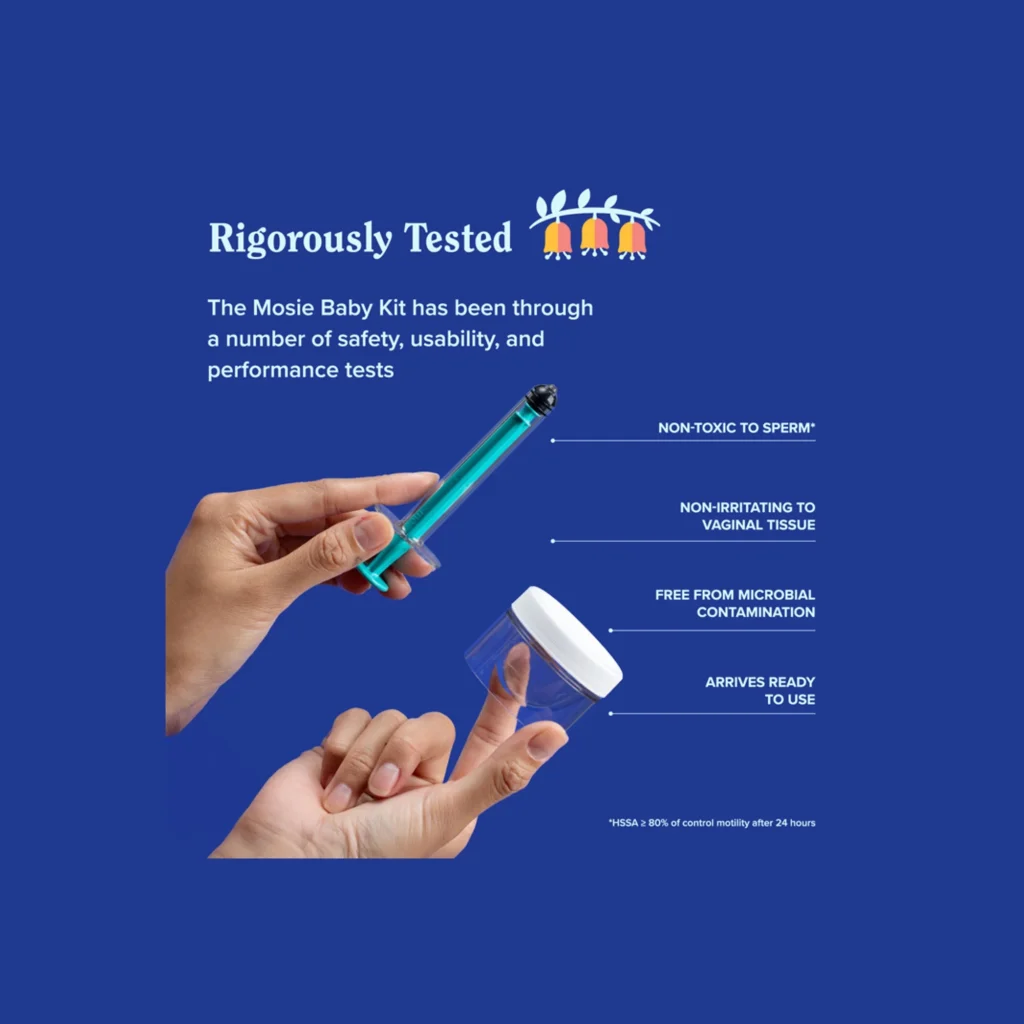
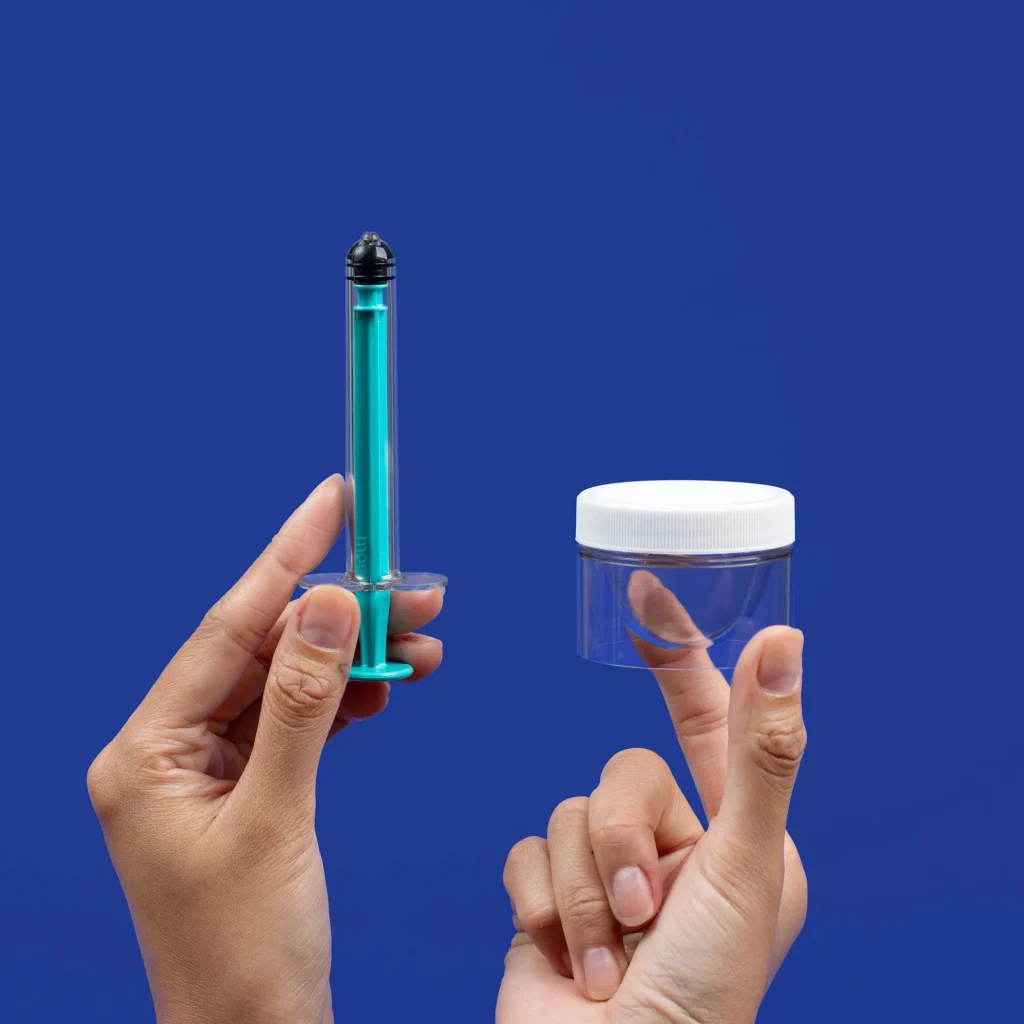
For those who prefer to do the procedure at home, there are now many at-home insemination kits available on the market. These kits contain all the necessary tools and instructions for performing the insemination. However, it is crucial to follow the instructions carefully and ensure that the sperm used is from a reputable sperm bank or a known donor.
The Procedure:
The Ultimate Guide to Non-Invasive Insemination for Beginners
Non-invasive insemination is a relatively simple and painless procedure. It is usually performed in a doctor’s office or a fertility clinic. The sperm is collected, washed, and prepared for insemination. Then, using a catheter, the sperm is inserted into the cervix or the uterus. The process takes only a few minutes, and there is little to no discomfort.
Success Rates:
The success rates of non-invasive insemination vary depending on various factors, such as the cause of infertility, the age of the female, and the quality of the sperm used. On average, the success rate for ICI is around 10-15%, while IUI has a success rate of 15-20%. However, multiple inseminations may be needed to achieve pregnancy.
Risks and Side Effects:
Non-invasive insemination is a safe procedure with minimal risks. However, there is a small chance of infection, bleeding, and discomfort during the process. It is crucial to follow the instructions of a healthcare professional and report any unusual symptoms.
Cost of Non-Invasive Insemination:
Compared to other fertility treatments, non-invasive insemination is relatively affordable. The cost can range from a few hundred to a few thousand dollars, depending on the location, type of procedure, and whether donor sperm is needed. Some insurance plans may cover the cost of non-invasive insemination, so it is essential to check with your provider.
Emotional Considerations:
Going through any fertility treatment can be emotionally taxing for individuals and couples. It is essential to have open communication and seek support from loved ones or a therapist if needed. It is also crucial to have realistic expectations and understand that pregnancy may not happen immediately.
Conclusion:
Non-invasive insemination is a viable option for those struggling with fertility issues or wanting to start a family without traditional sexual intercourse. It is a safe, affordable, and less invasive method with a good success rate. However, it is crucial to consult with a healthcare professional and follow the instructions carefully to increase the chances of pregnancy. Remember to take care of your emotional well-being and have realistic expectations. With the help of non-invasive insemination, you can achieve your dream of becoming a parent.